

 Предпросмотр
 Поделиться
 Поделиться
 Детали произведения

 Скачать
 Похожие работы
 Рентгенография
 Слайд-шоу
 Статистика
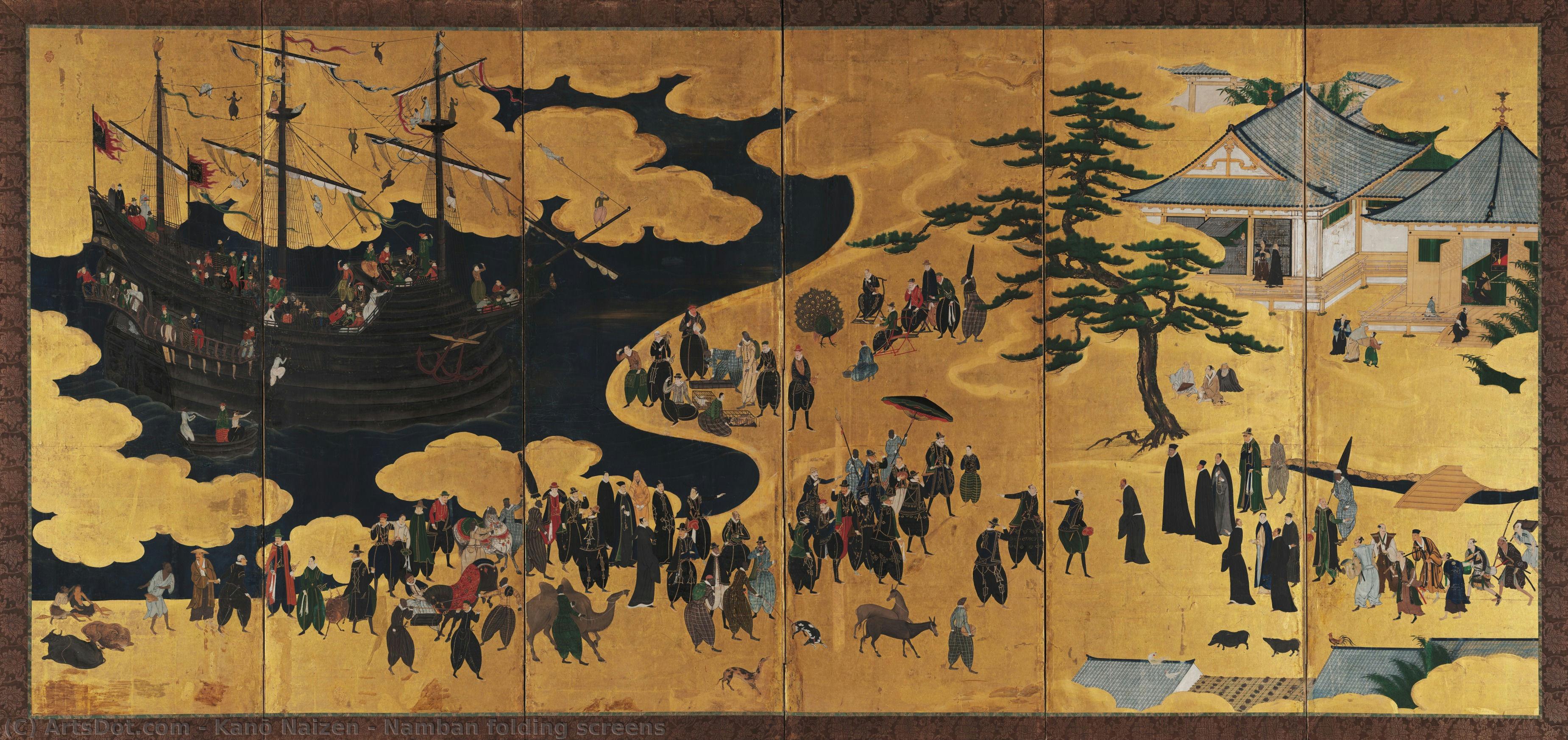
Namban folding screens
 Ink
Ink- WallArt
- Kanō school
 1600
1600- Early Modern
 178.0 x 366.0 cm
 Национальный музей древнего искусства
 Читать далее
Приобретите цифровое изображение высокого разрешения в улучшенном качестве, которое значительно превосходит онлайн-превью.
Каждый файл тщательно подготавливается нашими специалистами с использованием передовых инструментов и экспертной ручной ретуши. Мы гарантируем исключительную четкость, точную цветопередачу и детальную проработку каждого изображения.
Финальный файл доставляется по электронной почте в течение 72 часов и оптимизирован для немедленного использования в профессиональной среде, при верстке и печати. Это тот же уровень качества, которому доверяют ведущие дизайнерские студии, издательства и галереи.
Цифровое изображение
Скачайте файл высокого разрешения для личного использования, печати и творческих проектов. ( Перейти к печати Купить картину ручной работы)
Включено в каждый заказ цифровых изображений
Гарантия экспертной цифровой доставки
Выбирая ArtsDot.com, вы получаете не просто изображение — вы приобретаете профессионально обработанное цифровое произведение искусства, созданное с безупречной точностью и под защитой гарантии качества. Вот всё, что автоматически входит в ваш заказ:

Мгновенная доставка по e-mail
Ваш цифровой файл в высоком разрешении будет отправлен вам по электронной почте в течение 72 часов после оформления заказа — и сразу станет доступен для использования.

Цифровой файл с ИИ-улучшением
Ваше произведение искусства проходит профессиональную оптимизацию с использованием передовых инструментов ИИ и ручной обработки, что гарантирует максимальную детализацию, четкость и точность цветопередачи.

Бессрочная бесплатная повторная доставка
Случайно удалили или потеряли файл? Не беспокойтесь — мы отправим его вам повторно в любое время и совершенно бесплатно.

Без импортных пошлин — навсегда
Наслаждайтесь вашим произведением искусства мгновенно без таможенных пошлин, сборов или затрат на доставку — цифровые загрузки всегда не облагаются налогом.

Гарантия точности цветопередачи
Мы гарантируем, что ваше цифровое изображение максимально точно передает оригинальные цвета благодаря использованию профессиональных инструментов и систем управления цветом.

Гарантия удовлетворенности 100 дней
Если вы не будете удовлетворены своим цифровым изображением, мы внесем правки или вернем 100% стоимости в течение 100 дней — без лишних вопросов.

100% Гарантия возврата средств
Не удовлетворены покупкой? Получите полный возврат средств в течение 100 дней после получения цифрового файла — без лишних вопросов.

Скидки на оптовые заказы
Купите 3 изображения, сэкономьте 10% — Купите 5, сэкономьте 15% — Купите 10+, сэкономьте 20%. Отличное решение для творческих проектов, галерей и агентств.
A Window into the Nanban Era
In the grand tapestry of Japanese art history, few works capture the profound sense of cultural collision and curiosity as exquisitely as the Namban folding screens by the master Kanō Naizen. Created around 1600, this monumental masterpiece serves as a breathtaking visual chronicle of the "Nanban" period—a time when the arrival of Portuguese traders and missionaries brought a wave of unprecedented foreign influence to the shores of Japan. As one gazes upon these expansive screens, measuring an impressive 178 x 366 cm, they are immediately transported to the bustling ports of Nagasaki, where the horizon is dotted with the silhouettes of heavy European vessels navigating the delicate Japanese coastline.
The composition is a masterful dance of movement and stillness. Naizen skillfully populates the scene with a diverse array of figures, ranging from local Japanese onlookers to the "Southern Barbarians" themselves. The painting breathes with a lively, almost cinematic atmosphere; people are captured in mid-stride, walking through vibrant landscapes or gathered near the water's edge, creating a sense of a living, breathing moment frozen in time. This narrative depth is complemented by the strategic placement of boats that weave through the composition, guiding the viewer’s eye from the foreground festivities to the distant, mysterious reaches of the sea.
The Mastery of the Kanō School
As a prominent figure within the illustrious Kanō school, Naizen utilized the sophisticated techniques passed down through generations of his lineage to achieve a level of detail that is nothing short of hypnotic. The artwork exemplifies the hallmark characteristics of the period: a brilliant use of gold leaf that catches the light, creating a luminous backdrop that elevates the subject matter from mere documentation to high art. This technique does more than just provide luxury; it creates a divine, ethereal space where the earthly events of trade and encounter feel monumental and sacred.
The artist’s brushwork is both precise and expressive, capable of rendering the intricate textures of period clothing, the structural complexity of maritime vessels, and the subtle emotional expressions on the faces of the crowd. For the discerning collector or interior designer, this piece offers a profound sense of prestige. The interplay between the rich, gilded surfaces and the detailed narrative elements provides a sophisticated focal point that can anchor a room, offering both historical gravity and an unparalleled aesthetic elegance. To possess a reproduction of such a work is to invite a piece of Japan's golden age into one's personal sanctuary, fostering an environment of deep reflection and cultural appreciation.
Похожие произведения



Биография художника
biography of a noted artist
kanō naizen, a prominent figure in the kanō school of painting, lived from 1570 to 1616. as a member of this esteemed family of painters, he was known for his captivating works, particularly his byōbu screen paintings of nanban (southern barbarians, i.e., europeans).early life and training
born in 1570, kanō naizen was the middle son of kanō eitoku, the head of the school. he was younger brother to kanō mitsunobu, the heir to the kano school, and older brother to kanō takanobu. naizen also had an adopted brother, the renowned kanō sanraku. naizen's training took place within the head kanō workshop in kyoto, where he worked alongside his family members to restore numerous imperial buildings, buddhist temples, and shinto shrines that were destroyed during the kamakura period and the genpei wars.notable works and style
in 1610-15, naizen moved to edo (modern-day tokyo), the new administration capital, at the behest of the tokugawa shogunate. his style, while often overshadowed by his father and brothers, is particularly notable for its byōbu screen paintings of nanban. one of his more famous works, "festivals of toyokuni", was produced in 1605 for the seventh anniversary of the death of kampaku toyotomi hideyoshi, whose posthumous name was toyokuni daimyōjin. this piece is a prime example of his skill in capturing the essence of nanban.- view kanō naizen's artworks on ArtsDot.com
- read more about kanō naizen on wikipedia
- explore the kanō school and its influence on japanese painting at the kanō school style art movement
legacy
naizen's personal name was shigesato, which he acquired upon officially entering the kanō school. his legacy, though sometimes overshadowed by his family members, remains significant in the realm of japanese painting, particularly in the context of byōbu screen paintings.
kanō naizen
1570 - 1616 , Japan
Основные сведения
- Artistic Movement Or Style: Kanō School
- Artists Or Movements Influenced By This Artist: ['Tosa School']
- Artists Who Influenced This Artist: ['Kanō Eitoku']
- Date Of Birth: Kyoto, Japan (1570)
- Date Of Death: 1616
- Full Name: Kanō Naizen
- Nationality: Japanese
- Notable Artworks:
- Festivals of Toyokuni
- Namban folding screens
- Place Of Birth: Kyoto