Поделиться
 Поделиться
 Детали произведения

 Скачать
 Похожие работы
 Слайд-шоу
 Статистика
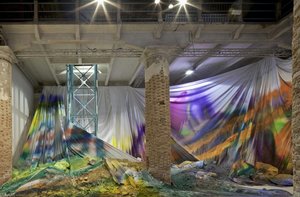
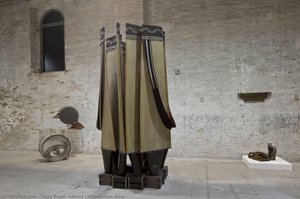
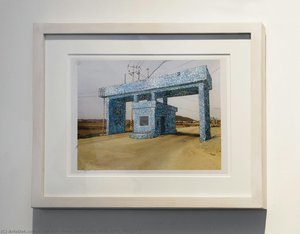
Неопределенный трубычный инструмент


 Читать далее
Масляная репродукция ручной работы
Картина маслом на холсте в выбранном вами размере и раме, написанная на заказ нашими художниками. ( Перейти к печати Перейти к цифровым изображениям)

































Выберите один из наших стандартных размеров, соответствующих оригинальным пропорциям произведения искусства.

Вы можете указать собственные размеры, чтобы картина идеально вписалась в выбранную раму или пространство. Если выбранный вами размер не соответствует пропорциям оригинала, мы либо обрежем полотно, либо расширим его за счет дополнительных элементов, написанных вручную. Цифровой макет будет отправлен вам на утверждение перед началом производства.
Обратите внимание, что предварительный просмотр на экране не отражает фактическую обрезку или расширение. Только макет точно покажет окончательную композицию.
Хотя доступны индивидуальные размеры, мы рекомендуем выбирать вариант из предопределенного списка, чтобы сохранить исходные пропорции.
После оформления заказа команда ArtsDot.com свяжется с клиентом по электронной почте для уточнения деталей и предоставит предварительный макет
Доставка по всему миру () за 3–4 недели вместо стандартных 5 недель. (16 Сентябрь). Без компромиссов в качестве.

Бесплатная экспресс-доставка по всему миру

Высококачественный льняной холст

Полное страхование доставки

Гарантия возмещения таможенных пошлин

Гарантия точного соответствия цветов

100-дневная политика возврата (только при обнаружении дефектов)

Гарантия возврата 100% средств

Предложение оптовых скидок
 Вариант со стеклом доступен только для размеров менее 110 см

Неопределенный трубычный инструмент
Техника репродукции
Размер репродукции
-


Итоговая стоимость
$ 288
Katharina Grosse: A Symphony of Color and Space
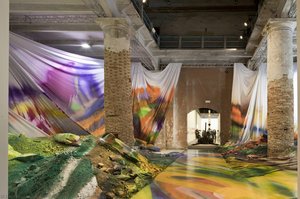
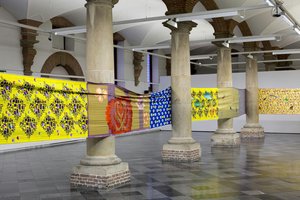
Katharina Grosse is a German visual artist born on October 2, 1961, in Freiburg im Breisgau. From her formative years immersed in the artistic landscape of Düsseldorf’s Kunstakademie, she has cultivated a singular approach to artmaking—one characterized by monumental installations that transform architectural spaces into immersive experiences brimming with vibrant color and dynamic movement. Her distinctive technique involves applying industrial paint sprayers to surfaces, creating textured fields of pigment that defy conventional painting conventions. This method isn't merely about decoration; it’s a deliberate exploration of materiality and perception, reflecting Grosse’s profound fascination with the interplay between observation and artistic creation. Early Influences and Artistic Formation Grosse’s artistic journey began with an unwavering dedication to experimentation and conceptual rigor. Studying at Kunstakademie Münster instilled in her a belief that art should challenge boundaries and provoke contemplation. Her work consistently seeks to disrupt established visual hierarchies, favoring bold color palettes and unconventional spatial arrangements—a stylistic hallmark that distinguishes her from many of her contemporaries. The influence of Minimalist sculpture and Conceptual Art is palpable throughout her oeuvre, informing her commitment to stripping away superfluous elements and focusing on fundamental artistic principles. Notably, she cites the pioneering explorations of Josef Albers’ Homage to Cézanne as a formative experience, demonstrating an understanding of how color can convey complex emotional states and intellectual ideas. The Technique of Chromatic Dispersion: A Revolutionary Approach Grosse's method—dubbed “chromatic dispersion”—represents a radical departure from traditional painting practices. Rather than applying paint onto canvas with brushes, she utilizes industrial spray guns to distribute pigment across architectural surfaces or outdoor environments. This technique isn’t simply about covering space; it’s an active process of transforming the material itself. The air compressor generates considerable pressure, propelling aerosol paint droplets outwards in a controlled trajectory—a deliberate manipulation of movement that underscores Grosse's desire to engage with the environment and challenge notions of static representation. Layers upon layers of pigment are applied simultaneously, resulting in textured fields of color that shimmer and pulsate with luminosity. This method allows for an unprecedented level of chromatic complexity, capturing subtle variations in hue and saturation that would be impossible to achieve through conventional brushstrokes. Historical Context and Artistic Legacy: Echoes of Surrealism and Beyond Grosse’s artistic vision draws inspiration from a diverse range of historical precedents, including the monumental frescoes of Michelangelo and Raphael—artists who sought to convey spiritual grandeur through masterful color orchestration. However, her work transcends stylistic imitation, forging its own distinctive voice within the broader context of contemporary art. Like Surrealist painters such as Yves Klein and René Magritte, Grosse employs illusionistic techniques to destabilize viewers’ perceptions and invite them into a realm of dreamlike imagery. Her installations often evoke feelings of awe and disorientation—a deliberate provocation designed to disrupt complacency and stimulate intellectual curiosity. Furthermore, Grosse's exploration of materiality aligns with ongoing debates about the role of art in shaping our understanding of the world, reflecting a broader trend toward embracing unconventional materials and processes as vehicles for artistic expression. Symbolism and Emotional Resonance: Exploring Boundaries of Perception Ultimately, Katharina Grosse’s work operates on multiple levels—intellectual, aesthetic, and emotional. The vibrant color palettes she employs serve as conduits for conveying profound psychological states—ranging from joy and exhilaration to melancholy and apprehension. Her installations invite viewers to contemplate the relationship between artifice and reality, questioning assumptions about visual representation and prompting reflection on the nature of consciousness itself. By transforming architectural spaces into immersive environments brimming with chromatic dispersion, Grosse compels us to reconsider our habitual ways of perceiving the world—a gesture that underscores her conviction that art possesses the capacity to transcend mere sensory experience and engage with fundamental questions concerning human existence.Похожие произведения
Биография художника
The Genesis of Color and Space
Born in the historic landscape of Freiburg im Breisgau in 1961, Katharina Grosse emerged from a lineage of German artistic rigor to redefine the very boundaries of the canvas. Her formative years at the Kunstakademie Münster provided a foundation in art history and theory, where the echoes of Abstract Expressionism first began to shape her understanding of scale and sensory impact. However, it was her subsequent time in Düsseldorf that truly catalyzed her evolution. Under the mentorship of the legendary Gerhard Richter, Grosse learned to grapple with the complexities of visual experience, absorbing a subtle mastery of color and texture that would later become the cornerstone of her own revolutionary practice. Her journey has been one of constant movement, moving away from the static traditions of the past toward a future where art is an immersive, living environment.The Revolution of the Spray
Grosse’s departure from traditional painting was not merely a change in medium, but a radical reimagining of what it means to paint. Abandoning the controlled, intimate gestures of the brush, she embraced the industrial power of the spray gun. This technique, which she often refers to as chromatic dispersion, allows her to distribute unmixed acrylic paints across surfaces that extend far beyond the confines of a frame. By utilizing industrial sprayers, she creates textured fields of pigment that bleed into architectural elements and natural landscapes alike. This method transforms the act of painting from a sedentary task into a dynamic performance, where the paint becomes a material record of its own energetic application. Through this process, she achieves a sense of chromatic immersion, pulling the viewer into a world where color is not just seen but felt as a physical presence that defies conventional painting conventions.Architectural Interventions and Immersive Realities
The true brilliance of Grosse’s oeuvre lies in her ability to treat architecture and the natural world as an armature for expressive composition. Her large-scale, site-specific installations are much more than mere decorations; they are profound explorations of materiality and perception. In her work, a wall is never just a boundary, and a floor is never just a surface—they are canvases for psychedelic vistas and futuristic flairs that challenge the viewer's sense of orientation. Her projects often weave together disparate elements to create a unified, dreamlike experience, including:- Everyday objects that become unexpected participants in her colorful, sprawling narratives;
- Architectural surfaces that lose their rigid geometry under luminous washes of pigment;
- Natural landscapes that are reimagined through a lens of abstract, painterly abandon.
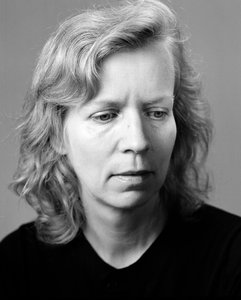
Katharina Grosse
1961 - , Germany
Основные сведения
- Artistic Movement Or Style: Site-specific art
- Artists Or Movements Influenced By This Artist: ['']
- Artists Who Influenced This Artist: ['']
- Date Of Birth: October 2, 1961
- Date Of Death: Living
- Full Name: Katharina Grosse
- Nationality: German
- Notable Artworks:
- Untitled Trumpet
- Untitled Trumpet
- Place Of Birth: Freiburg im Breisgau, Germany
Похожие статьи
Искусство как инструмент маркетинга: Превращение стен в вирусные моменты для отелей
Узнайте, как искусство превращает стены отеля в мощный маркетинговый инструмент! Стратегии создания уникальной атмосферы, привлечения гостей и стимулирования органического продвижения в социальных сетях. Экспертные советы и оценка ROI.
Масштабирование Художественного Видения: Сохранение Индивидуального Качества в Серийном Производстве Картины для Коммерческих Пространств
Масштабируйте художественное видение для вашего бизнеса! Высококачественные картины для коммерческих пространств с сохранением индивидуального стиля и экспертным контролем на каждом этапе. Гарантия качества и надежности.
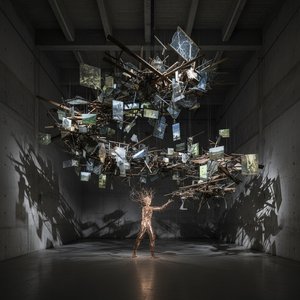
Richard Wilson: Deconstructing Landscape & Memory in Contemporary Installation Art
Explore Richard Wilson's groundbreaking landscape paintings & his enduring influence on contemporary installation art. Discover investment opportunities, provenance insights & the materiality of memory in this expert analysis.
Искусство как архитектура: индивидуальные картины и формирование пространственной идентичности интерьера
Создайте уникальный интерьер с индивидуальными картинами от ArtsDot! Репродукции шедевров и авторские работы на заказ. Консультация эксперта, премиум качество, быстрая доставка по всему миру.
Искусство как инвестиция в гостеприимство: уникальные решения для корпоративных клиентов
ArtsDot.com предлагает экспертные арт-решения для отелей и корпоративных клиентов. Разработка уникальных художественных концепций, изготовление картин на заказ и репродукций высокого качества. Инвестируйте в атмосферу и лояльность гостей!