

 Предпросмотр
 Поделиться
 Поделиться
 Детали произведения

 Скачать
 Похожие работы
 Рентгенография
 Слайд-шоу
 Статистика
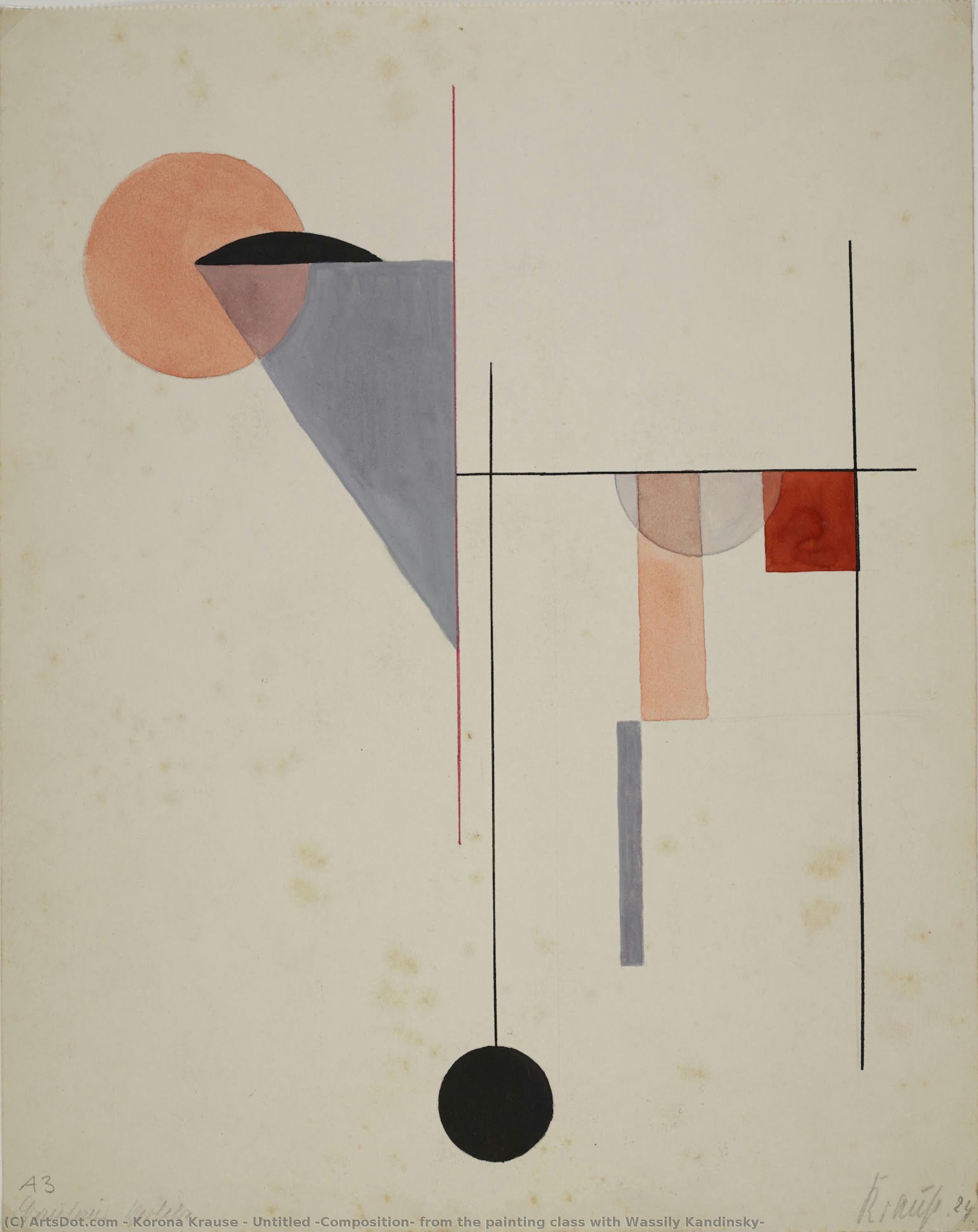
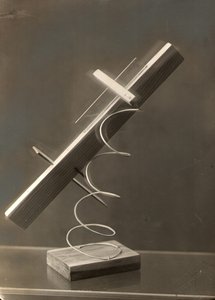
Untitled (Composition, from the painting class with Wassily Kandinsky)
 1924
1924 30.0 x 24.0 cm
 Баухаус Дессу (Bauhaus Dessau)
 Читать далее
Приобретите цифровое изображение высокого разрешения в улучшенном качестве, которое значительно превосходит онлайн-превью.
Каждый файл тщательно подготавливается нашими специалистами с использованием передовых инструментов и экспертной ручной ретуши. Мы гарантируем исключительную четкость, точную цветопередачу и детальную проработку каждого изображения.
Финальный файл доставляется по электронной почте в течение 72 часов и оптимизирован для немедленного использования в профессиональной среде, при верстке и печати. Это тот же уровень качества, которому доверяют ведущие дизайнерские студии, издательства и галереи.
Цифровое изображение
Скачайте файл высокого разрешения для личного использования, печати и творческих проектов. ( Перейти к печати Купить картину ручной работы)
Включено в каждый заказ цифровых изображений
Гарантия экспертной цифровой доставки
Выбирая ArtsDot.com, вы получаете не просто изображение — вы приобретаете профессионально обработанное цифровое произведение искусства, созданное с безупречной точностью и под защитой гарантии качества. Вот всё, что автоматически входит в ваш заказ:

Мгновенная доставка по e-mail
Ваш цифровой файл в высоком разрешении будет отправлен вам по электронной почте в течение 72 часов после оформления заказа — и сразу станет доступен для использования.

Цифровой файл с ИИ-улучшением
Ваше произведение искусства проходит профессиональную оптимизацию с использованием передовых инструментов ИИ и ручной обработки, что гарантирует максимальную детализацию, четкость и точность цветопередачи.

Бессрочная бесплатная повторная доставка
Случайно удалили или потеряли файл? Не беспокойтесь — мы отправим его вам повторно в любое время и совершенно бесплатно.

Без импортных пошлин — навсегда
Наслаждайтесь вашим произведением искусства мгновенно без таможенных пошлин, сборов или затрат на доставку — цифровые загрузки всегда не облагаются налогом.

Гарантия точности цветопередачи
Мы гарантируем, что ваше цифровое изображение максимально точно передает оригинальные цвета благодаря использованию профессиональных инструментов и систем управления цветом.

Гарантия удовлетворенности 100 дней
Если вы не будете удовлетворены своим цифровым изображением, мы внесем правки или вернем 100% стоимости в течение 100 дней — без лишних вопросов.

100% Гарантия возврата средств
Не удовлетворены покупкой? Получите полный возврат средств в течение 100 дней после получения цифрового файла — без лишних вопросов.

Скидки на оптовые заказы
Купите 3 изображения, сэкономьте 10% — Купите 5, сэкономьте 15% — Купите 10+, сэкономьте 20%. Отличное решение для творческих проектов, галерей и агентств.
Похожие произведения






![Stroyuschiysya Dom [house Under Construction] — Казимир Малевич, Suprematism](/media/artworks/images-thumb/ad/dd/addd6649da2add4f4bf2fe14e561e845.jpg)
Биография художника
The Weaver of Modernity: The Life and Legacy of Korona Krause
In the experimental crucible of Weimar Germany, where the boundaries between fine art and functional craft were being radically redrawn, Korona Krause emerged as a vital voice in the evolution of modern textiles. Born in 1906 in Coronata, near Genoa, to an Austro-Hungarian family, her early life was marked by a cosmopolitan fluidity that would later inform her artistic sensibilities. When she arrived at the Bauhaus State School in Weimar in 1924 at the tender age of eighteen, she entered a world of profound intellectual upheaval. It was here, amidst the revolutionary spirit of the Bauhaus, that Krause began to weave her way into the fabric of art history, transforming the humble medium of thread into a sophisticated language of geometric abstraction and spatial exploration.
Krause’s education was defined by an immersion in the radical pedagogical methods of the era. Studying within the weaving workshop, she was shaped by the visionary guidance of masters such as László Moholy-Nagy and Josef Albers. Her formative years were not merely about mastering technical proficiency but about embracing a new way of seeing. She did not view textiles as mere decorative accents for domestic interiors; rather, she approached them as architectural elements capable of defining space and interacting with the human form. This conceptual depth is perhaps most evident in her early preliminary coursework, such as her piece titled “Floating Sculpture,” an experimental work so significant that Moholy-Nagy chose to feature it in his seminal Bauhaus publication, “Vom Material zur Architektur.” Through this work, Krause demonstrated an ability to translate the abstract principles of Kandinsky into a tactile, three-dimensional reality.
A Tapestry of Innovation and Design
As her career progressed, Krause’s artistic language matured into a bold synthesis of color, texture, and geometry. Her work moved beyond the traditional constraints of pattern-making to explore what she termed the possibilities of spatial and bodily wrapping. This fascination with how fabric could envelop and interact with the physical world positioned her at the forefront of textile innovation. Her aesthetic was characterized by a dynamic use of color blocks and rhythmic geometric forms, often echoing the structural clarity found in the paintings of Wassily Kandinsky, with whom she studied during his painting classes at the Bauhaus. This intersection of watercolor studies—noted for their vibrant gouache and color-form explorations—and heavy, structural weaving allowed her to bridge the gap between the ephemeral beauty of light and the permanence of material construction.
Following her time in Weimar, Krause continued her rigorous pursuit of excellence at the Burg Giebichenstein in Halle from 1925 to 1928. This period of further study allowed her to refine her skills as a textile and fashion designer, integrating the avant-garde principles of the Bauhaus with a practical understanding of garment construction and material durability. Her later life saw her transitioning into the role of a professional designer, where she applied her modernist sensibilities to the broader world of fashion and industrial design. Though her name may not have achieved the same level of global fame as some of her male contemporaries, her contributions were essential to the movement's success in legitimizing craft as a high art form.
Historical Significance and Enduring Influence
The historical significance of Korona Krause lies in her role as a pioneer who helped redefine the textile medium for the twentieth century. She was part of a generation of women at the Bauhaus who, despite facing systemic gender biases within the institution, reclaimed the weaving workshop as a site of radical experimentation and intellectual rigor. Her ability to treat thread as a sculptural tool allowed for a new dialogue between art and architecture, influencing how designers approached the concept of "soft" structures in modern environments.
Today, Krause’s legacy is rediscovered through the lens of contemporary interest in the intersection of craft and modernism. Her work serves as a testament to the power of material innovation:
- Materiality as Expression: She elevated weaving from a domestic craft to a conceptual medium capable of expressing complex geometric truths.
- Architectural Integration: Her vision of textiles as components of architectural space prefigured much of modern interior and environmental design.
- The Bauhaus Spirit: She embodied the movement's core mission to unify art, technology, and daily life through a cohesive aesthetic language.
korona krause
1895 - 1980 , Germany
Основные сведения
- Artistic Movement Or Style: Bauhaus, Modern Textiles
- Artists Or Movements Influenced By This Artist:
- László Moholy-Nagy
- Paul Klee
- Artists Who Influenced This Artist: ['Wassily Kandinsky']
- Date Of Birth: 1895
- Date Of Death: 1980
- Full Name: Korona Krause
- Nationality: German/Austro-Hungarian
- Notable Artworks:
- Untitled (Colour study)
- Graphite pencil drawings
- Place Of Birth: Weimar, Germany