

 Предпросмотр
 Поделиться
 Поделиться
 Детали произведения

 Скачать
 Похожие работы
 Рентгенография
 Слайд-шоу
 Статистика
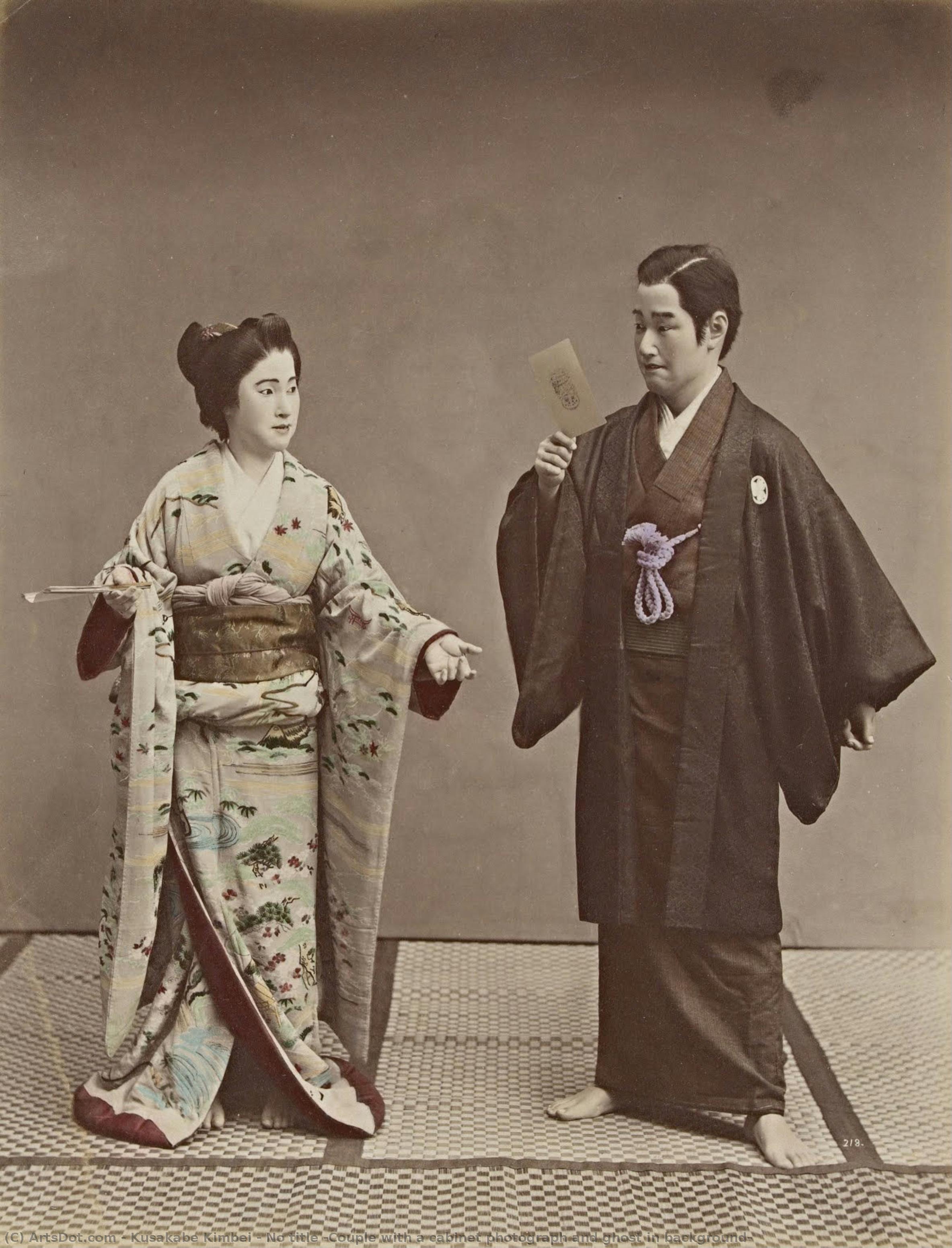
No title (Couple with a cabinet photograph and ghost in background)
 Acrylic On Canvas
- WallArt
- Ukiyo-e Inspired
 1880
1880 26.0 x 20.0 cm
 Национальная галерея Виктории
 Читать далее
Масляная репродукция ручной работы
Картина маслом на холсте в выбранном вами размере и раме, написанная на заказ нашими художниками. ( Перейти к печати Перейти к цифровым изображениям)




P118B $10

P118H $10

P118W $10

P438Z $10

P508JH $12

P508YH $12

P805H $10

P805Z $10

P919BZ $10

P919G $10

P919XJ $10

P959ZH $10

P968JZ $12

W106C $8

W218G $10

W218JH $8

W218Y $10

W307PJ $10

W316G $10

W316PJ $8

W316Y $10

W398PJ $8

W4111J $10

W500HY $15

W500JH $15

W692G $12

W849H $8

W940BG $15

W953PJ $8




Выберите один из наших стандартных размеров, соответствующих оригинальным пропорциям произведения искусства.

Вы можете указать собственные размеры, чтобы картина идеально вписалась в выбранную раму или пространство. Если выбранный вами размер не соответствует пропорциям оригинала, мы либо обрежем полотно, либо расширим его за счет дополнительных элементов, написанных вручную. Цифровой макет будет отправлен вам на утверждение перед началом производства.
Обратите внимание, что предварительный просмотр на экране не отражает фактическую обрезку или расширение. Только макет точно покажет окончательную композицию.
Хотя доступны индивидуальные размеры, мы рекомендуем выбирать вариант из предопределенного списка, чтобы сохранить исходные пропорции.
После оформления заказа команда ArtsDot.com свяжется с клиентом по электронной почте для уточнения деталей и предоставит предварительный макет
Доставка по всему миру () за 3–4 недели вместо стандартных 5 недель. (13 Сентябрь). Без компромиссов в качестве.

Бесплатная экспресс-доставка по всему миру

Высококачественный льняной холст

Полное страхование доставки

Гарантия возмещения таможенных пошлин

Гарантия точного соответствия цветов

100-дневная политика возврата (только при обнаружении дефектов)

Гарантия возврата 100% средств

Предложение оптовых скидок
 Вариант со стеклом доступен только для размеров менее 110 см

No title (Couple with a cabinet photograph and ghost in background)
Техника репродукции
Размер репродукции
-


Итоговая стоимость
$ 288
Kusakabe Kimbei’s “No Title” – A Ghostly Echo of Edo Japan
The photograph captures two Japanese individuals posed formally against a backdrop of a richly patterned rug and a subtle hint of architectural detail—likely a cabinet photograph. Taken by Kusakabe Kimbei in 1880, this image transcends mere documentation; it embodies the spirit of Shinrei shashin – “ghost photographs”—a genre that emerged during Japan’s late Edo period and reflects a fascinating intersection between artistic convention and burgeoning Western influence. Kimbei's masterful technique—albumen printing—produces a tonal richness that lends itself to capturing the nuances of light and texture, creating an atmosphere both serene and imbued with unspoken emotion.- Subject Matter: The portrait depicts a man and woman dressed in traditional kimono attire, symbolizing social status and adherence to established customs. Their gestures convey formality and poise, typical of depictions intended for discerning audiences during the era.
- Style & Technique: Kimbei’s approach aligns closely with the Bijinga tradition—Japanese art depicting beautiful women—drawing inspiration from the aesthetic principles prevalent in ukiyo-e prints. Albumen printing, a photographic process popularized by Europeans like Felice Beato and Baron Raimund von Stillfried, ensures exceptional detail and tonal gradation, preserving subtle nuances of color and texture.
- Historical Context: Japan’s opening to Western trade in 1854 dramatically altered its cultural landscape. Photographers like Kimbei capitalized on this newfound openness, documenting scenes of daily life—particularly those showcasing Japanese traditions—for the burgeoning tourist market. Notably, these images rarely portrayed the pervasive modernization sweeping across society at the time.
- Symbolism: The inclusion of a ghost – or “shinrei” – is significant. Shinrei shashin wasn’t merely about capturing an image; it was about attempting to capture something beyond the visible realm—a spiritual essence, a lingering presence. This stylistic choice speaks to anxieties surrounding Western encroachment and a desire to preserve Japanese identity amidst rapid change.
- Emotional Impact: The photograph evokes a sense of quiet dignity and contemplation. Its muted sepia tones contribute to an atmosphere of nostalgia for a bygone era, inviting viewers to consider the complexities of cultural exchange and the enduring power of visual storytelling.
Kimbei’s Influence & Artistic Legacy
Kusakabe Kimbei's collaboration with Felice Beato and Baron Raimund von Stillfried established him as a pivotal figure in Japanese photography, demonstrating his ability to adapt European techniques while retaining distinctly Japanese artistic sensibilities. His studio’s output remains invaluable for historians studying the visual culture of late Edo Japan and its subsequent transformation into modern Japan. The photograph's enduring appeal lies not only in its technical excellence but also in its capacity to transport us back to a moment frozen in time—a testament to Kimbei’s artistry and the captivating allure of Shinrei shashin.Dimensions & Reproduction Considerations
This original albumen print measures 26 x 20 cm (approximately 10 x 8 inches). High-quality reproductions offer a remarkable opportunity to appreciate the photograph's subtle tonal variations and textural richness, preserving its evocative atmosphere for contemporary audiences. Careful archival printing ensures longevity and maintains the integrity of Kimbei’s artistic vision.Похожие произведения
Биография художника
early life and career
kusakabe kimbei, a renowned japanese photographer, was born in 1841. he adopted the given name kimbei for his clientele, comprising mostly non-japanese-speaking foreign residents and visitors, who found it easier to pronounce than his family name. kimbei's photographic journey began with his work alongside felice beato, a british photographer of italian descent, and baron raimund von stillfried, an austrian photographer. in 1881, kimbei established his own workshop in yokohama, japan, which later relocated to the honmachi quarter in 1889.photographic style and notable works
kimbei's photography style was characterized by its traditional bijinga approach, often featuring japanese women. he hired geisha to pose for his photographs, which were popular among tourists at the time. many of his albums are mounted in an accordion fashion. some notable works by kimbei can be found in the collection of the national gallery of victoria (melbourne, australia), including a photograph titled no title (couple with a cabinet photograph and ghost in background). this piece is a testament to kimbei's unique blend of traditional japanese aesthetics and early photographic techniques.legacy and influence
kimbei acquired the negatives of felice beato, baron raimund von stillfried, and uchida kuichi. he also obtained some of ueno hikoma's negatives of nagasaki. kimbei's retirement as a photographer in 1914 marked the end of an era in japanese photography.- view kusakabe kimbei's works on ArtsDot
- learn more about felice beato on wikipedia
- explore the fujikawa galleries (japan), a hidden gem for art lovers, featuring works from various periods and styles: fujikawa galleries (japan) - a hidden gem for art lovers
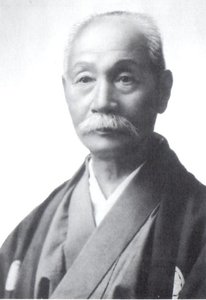
Kusakabe Kimbei
1841 - 1934 , Japan
Основные сведения
- Artistic Movement Or Style: Bijinga photography; Accordion albums
- Artists Or Movements Influenced By This Artist: ['Ukiyo-e']
- Artists Who Influenced This Artist:
- Felice Beato
- Baron Raimund von Stillfried
- Date Of Birth: November 24, 1841
- Date Of Death: April 19, 1934
- Full Name: Kusakabe Kimbei
- Nationality: Japanese
- Notable Artworks:
- No title (Couple with a cabinet photograph and ghost in background)
- Yumoto lake at Nikkō
- Place Of Birth: Kofu, Yamanashi Prefecture, Japan
Похожие статьи

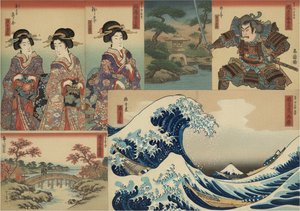
Топ-25 шедевров Кацусики Хокусая: Искусство Японии для вашего интерьера
Погрузитесь в мир гения Кацусики Хокусая! 25 легендарных гравюр укиё-э, включая "Великую волну". История искусства Японии и вдохновение для вашего интерьера. Репродукции высокого качества на ArtsDot.com.
Ukiyo-e: Exploring Japan's Floating World & Enduring Artistic Legacy
Explore the captivating world of Ukiyo-e – Japan's iconic woodblock prints! Discover masters like Hokusai & Hiroshige, learn about Edo period culture, and find expert art collecting guidance at ArtsDot.
Suzuki Harunobu: Pioneering Ukiyo-e & the Refinement of Edo Period Printmaking
Discover the revolutionary world of Suzuki Harunobu, a pioneer of ukiyo-e printmaking. Explore his exquisite nishiki-e techniques, diverse subjects & lasting impact on Japanese art history. Learn more at ArtsDot.
Floating World: The Captivating Art and Legacy of Japanese Ukiyo-e
Explore the profound beauty of Japanese Ukiyo-e. Discover the history, masters like Hokusai, and the enduring legacy of the 'Floating World' through an expert art-historical lens.
Serenity on Canvas: A Guide to the Timeless Beauty of Japanese Landscape Painting
Discover the serene beauty of Japanese landscape painting. From Hokusai's iconic woodblock prints to meditative sumi-e ink washes, explore a visual journey through the 'floating world' and learn how to bring this timeless Zen aesthetic into your modern home decor.