

 Предпросмотр
 Поделиться
 Поделиться
 Детали произведения

 Скачать
 Похожие работы
 Рентгенография
 Слайд-шоу
 Статистика
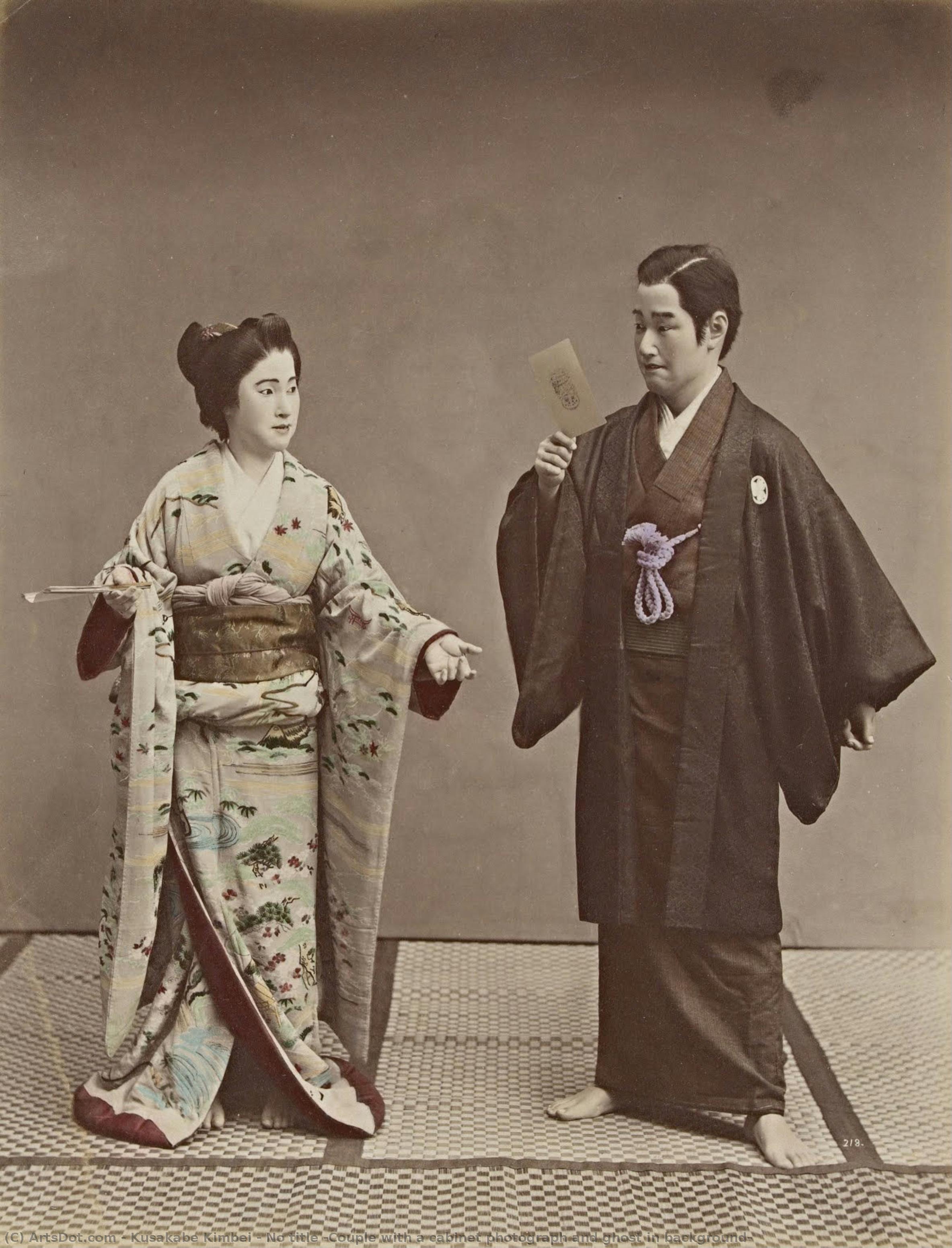
No title (Couple with a cabinet photograph and ghost in background)
 Acrylic On Canvas
- WallArt
- Ukiyo-e Inspired
 1880
1880 26.0 x 20.0 cm
 Национальная галерея Виктории
 Читать далее
Приобретите цифровое изображение высокого разрешения в улучшенном качестве, которое значительно превосходит онлайн-превью.
Каждый файл тщательно подготавливается нашими специалистами с использованием передовых инструментов и экспертной ручной ретуши. Мы гарантируем исключительную четкость, точную цветопередачу и детальную проработку каждого изображения.
Финальный файл доставляется по электронной почте в течение 72 часов и оптимизирован для немедленного использования в профессиональной среде, при верстке и печати. Это тот же уровень качества, которому доверяют ведущие дизайнерские студии, издательства и галереи.
Цифровое изображение
Скачайте файл высокого разрешения для личного использования, печати и творческих проектов. ( Перейти к печати Купить картину ручной работы)
Включено в каждый заказ цифровых изображений
Гарантия экспертной цифровой доставки
Выбирая ArtsDot.com, вы получаете не просто изображение — вы приобретаете профессионально обработанное цифровое произведение искусства, созданное с безупречной точностью и под защитой гарантии качества. Вот всё, что автоматически входит в ваш заказ:

Мгновенная доставка по e-mail
Ваш цифровой файл в высоком разрешении будет отправлен вам по электронной почте в течение 72 часов после оформления заказа — и сразу станет доступен для использования.

Цифровой файл с ИИ-улучшением
Ваше произведение искусства проходит профессиональную оптимизацию с использованием передовых инструментов ИИ и ручной обработки, что гарантирует максимальную детализацию, четкость и точность цветопередачи.

Бессрочная бесплатная повторная доставка
Случайно удалили или потеряли файл? Не беспокойтесь — мы отправим его вам повторно в любое время и совершенно бесплатно.

Без импортных пошлин — навсегда
Наслаждайтесь вашим произведением искусства мгновенно без таможенных пошлин, сборов или затрат на доставку — цифровые загрузки всегда не облагаются налогом.

Гарантия точности цветопередачи
Мы гарантируем, что ваше цифровое изображение максимально точно передает оригинальные цвета благодаря использованию профессиональных инструментов и систем управления цветом.

Гарантия удовлетворенности 100 дней
Если вы не будете удовлетворены своим цифровым изображением, мы внесем правки или вернем 100% стоимости в течение 100 дней — без лишних вопросов.

100% Гарантия возврата средств
Не удовлетворены покупкой? Получите полный возврат средств в течение 100 дней после получения цифрового файла — без лишних вопросов.

Скидки на оптовые заказы
Купите 3 изображения, сэкономьте 10% — Купите 5, сэкономьте 15% — Купите 10+, сэкономьте 20%. Отличное решение для творческих проектов, галерей и агентств.
Kusakabe Kimbei’s “No Title” – A Ghostly Echo of Edo Japan
The photograph captures two Japanese individuals posed formally against a backdrop of a richly patterned rug and a subtle hint of architectural detail—likely a cabinet photograph. Taken by Kusakabe Kimbei in 1880, this image transcends mere documentation; it embodies the spirit of Shinrei shashin – “ghost photographs”—a genre that emerged during Japan’s late Edo period and reflects a fascinating intersection between artistic convention and burgeoning Western influence. Kimbei's masterful technique—albumen printing—produces a tonal richness that lends itself to capturing the nuances of light and texture, creating an atmosphere both serene and imbued with unspoken emotion.- Subject Matter: The portrait depicts a man and woman dressed in traditional kimono attire, symbolizing social status and adherence to established customs. Their gestures convey formality and poise, typical of depictions intended for discerning audiences during the era.
- Style & Technique: Kimbei’s approach aligns closely with the Bijinga tradition—Japanese art depicting beautiful women—drawing inspiration from the aesthetic principles prevalent in ukiyo-e prints. Albumen printing, a photographic process popularized by Europeans like Felice Beato and Baron Raimund von Stillfried, ensures exceptional detail and tonal gradation, preserving subtle nuances of color and texture.
- Historical Context: Japan’s opening to Western trade in 1854 dramatically altered its cultural landscape. Photographers like Kimbei capitalized on this newfound openness, documenting scenes of daily life—particularly those showcasing Japanese traditions—for the burgeoning tourist market. Notably, these images rarely portrayed the pervasive modernization sweeping across society at the time.
- Symbolism: The inclusion of a ghost – or “shinrei” – is significant. Shinrei shashin wasn’t merely about capturing an image; it was about attempting to capture something beyond the visible realm—a spiritual essence, a lingering presence. This stylistic choice speaks to anxieties surrounding Western encroachment and a desire to preserve Japanese identity amidst rapid change.
- Emotional Impact: The photograph evokes a sense of quiet dignity and contemplation. Its muted sepia tones contribute to an atmosphere of nostalgia for a bygone era, inviting viewers to consider the complexities of cultural exchange and the enduring power of visual storytelling.
Kimbei’s Influence & Artistic Legacy
Kusakabe Kimbei's collaboration with Felice Beato and Baron Raimund von Stillfried established him as a pivotal figure in Japanese photography, demonstrating his ability to adapt European techniques while retaining distinctly Japanese artistic sensibilities. His studio’s output remains invaluable for historians studying the visual culture of late Edo Japan and its subsequent transformation into modern Japan. The photograph's enduring appeal lies not only in its technical excellence but also in its capacity to transport us back to a moment frozen in time—a testament to Kimbei’s artistry and the captivating allure of Shinrei shashin.Dimensions & Reproduction Considerations
This original albumen print measures 26 x 20 cm (approximately 10 x 8 inches). High-quality reproductions offer a remarkable opportunity to appreciate the photograph's subtle tonal variations and textural richness, preserving its evocative atmosphere for contemporary audiences. Careful archival printing ensures longevity and maintains the integrity of Kimbei’s artistic vision.Похожие произведения
Биография художника
early life and career
kusakabe kimbei, a renowned japanese photographer, was born in 1841. he adopted the given name kimbei for his clientele, comprising mostly non-japanese-speaking foreign residents and visitors, who found it easier to pronounce than his family name. kimbei's photographic journey began with his work alongside felice beato, a british photographer of italian descent, and baron raimund von stillfried, an austrian photographer. in 1881, kimbei established his own workshop in yokohama, japan, which later relocated to the honmachi quarter in 1889.photographic style and notable works
kimbei's photography style was characterized by its traditional bijinga approach, often featuring japanese women. he hired geisha to pose for his photographs, which were popular among tourists at the time. many of his albums are mounted in an accordion fashion. some notable works by kimbei can be found in the collection of the national gallery of victoria (melbourne, australia), including a photograph titled no title (couple with a cabinet photograph and ghost in background). this piece is a testament to kimbei's unique blend of traditional japanese aesthetics and early photographic techniques.legacy and influence
kimbei acquired the negatives of felice beato, baron raimund von stillfried, and uchida kuichi. he also obtained some of ueno hikoma's negatives of nagasaki. kimbei's retirement as a photographer in 1914 marked the end of an era in japanese photography.- view kusakabe kimbei's works on ArtsDot
- learn more about felice beato on wikipedia
- explore the fujikawa galleries (japan), a hidden gem for art lovers, featuring works from various periods and styles: fujikawa galleries (japan) - a hidden gem for art lovers
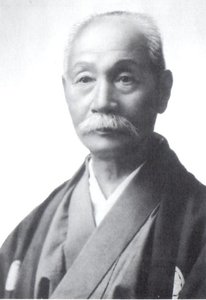
Kusakabe Kimbei
1841 - 1934 , Japan
Основные сведения
- Artistic Movement Or Style: Bijinga photography; Accordion albums
- Artists Or Movements Influenced By This Artist: ['Ukiyo-e']
- Artists Who Influenced This Artist:
- Felice Beato
- Baron Raimund von Stillfried
- Date Of Birth: November 24, 1841
- Date Of Death: April 19, 1934
- Full Name: Kusakabe Kimbei
- Nationality: Japanese
- Notable Artworks:
- No title (Couple with a cabinet photograph and ghost in background)
- Yumoto lake at Nikkō
- Place Of Birth: Kofu, Yamanashi Prefecture, Japan