

 Предпросмотр
 Поделиться
 Поделиться
 Детали произведения

 Скачать
 Похожие работы
 Рентгенография
 Слайд-шоу
 Статистика
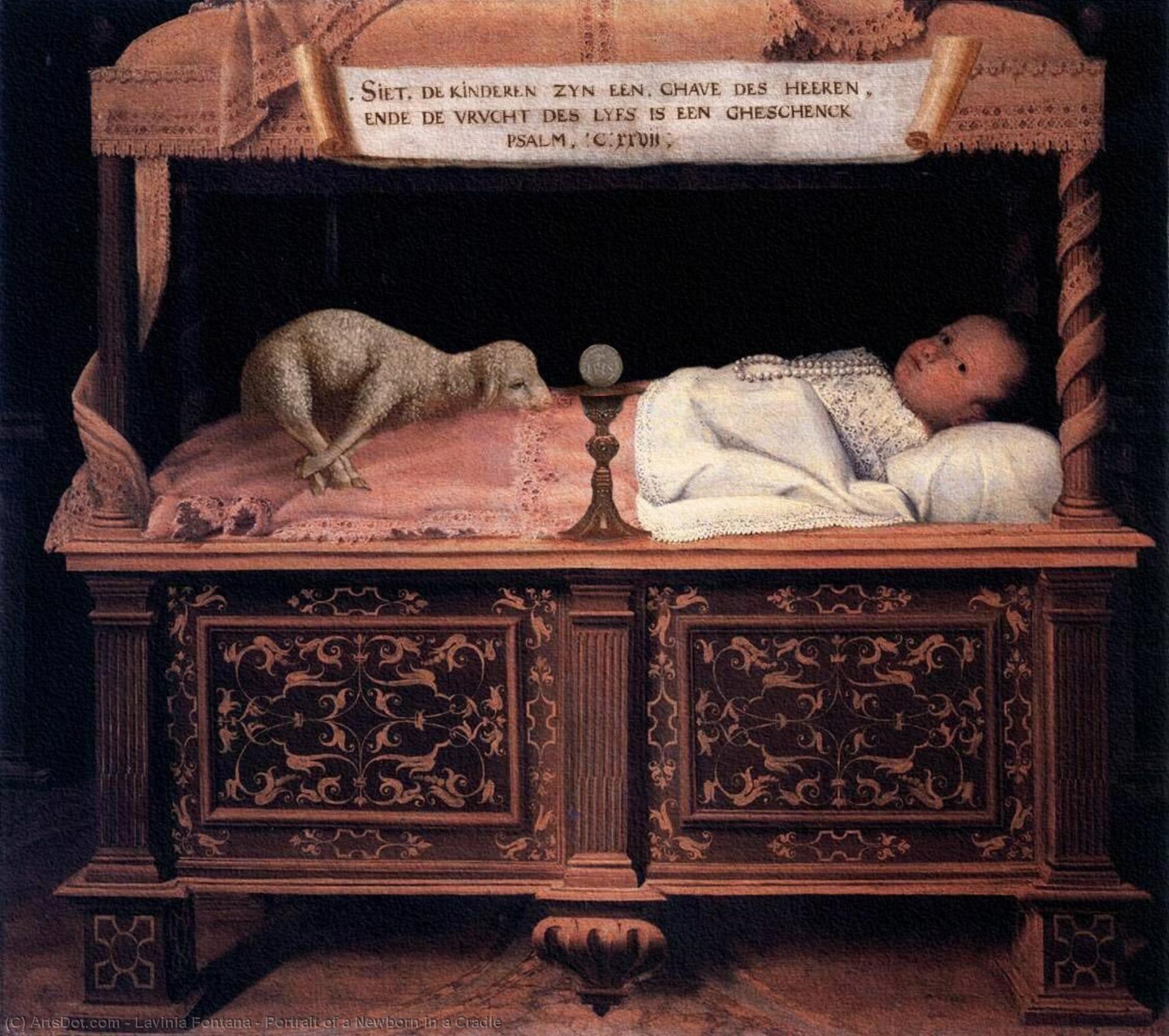
Portrait of a Newborn in a Cradle
 Oil On Panel
- Northern Renaissance
 1583
1583 113.0 x 126.0 cm
 Pinacoteca Nazionale
 Читать далее
Масляная репродукция ручной работы
Картина маслом на холсте в выбранном вами размере и раме, написанная на заказ нашими художниками. ( Перейти к печати Перейти к цифровым изображениям)




P118B $10

P118H $10

P118W $10

P438Z $10

P508JH $12

P508YH $12

P805H $10

P805Z $10

P919BZ $10

P919G $10

P919XJ $10

P959ZH $10

P968JZ $12

W106C $8

W218G $10

W218JH $8

W218Y $10

W307PJ $10

W316G $10

W316PJ $8

W316Y $10

W398PJ $8

W4111J $10

W500HY $15

W500JH $15

W692G $12

W849H $8

W940BG $15

W953PJ $8




Выберите один из наших стандартных размеров, соответствующих оригинальным пропорциям произведения искусства.

Вы можете указать собственные размеры, чтобы картина идеально вписалась в выбранную раму или пространство. Если выбранный вами размер не соответствует пропорциям оригинала, мы либо обрежем полотно, либо расширим его за счет дополнительных элементов, написанных вручную. Цифровой макет будет отправлен вам на утверждение перед началом производства.
Обратите внимание, что предварительный просмотр на экране не отражает фактическую обрезку или расширение. Только макет точно покажет окончательную композицию.
Хотя доступны индивидуальные размеры, мы рекомендуем выбирать вариант из предопределенного списка, чтобы сохранить исходные пропорции.
После оформления заказа команда ArtsDot.com свяжется с клиентом по электронной почте для уточнения деталей и предоставит предварительный макет
Доставка по всему миру () за 3–4 недели вместо стандартных 5 недель. (13 Сентябрь). Без компромиссов в качестве.

Бесплатная экспресс-доставка по всему миру

Высококачественный льняной холст

Полное страхование доставки

Гарантия возмещения таможенных пошлин

Гарантия точного соответствия цветов

100-дневная политика возврата (только при обнаружении дефектов)

Гарантия возврата 100% средств

Предложение оптовых скидок
 Вариант со стеклом доступен только для размеров менее 110 см

Portrait of a Newborn in a Cradle
Техника репродукции
Размер репродукции
-


Итоговая стоимость
$ 263
Lavinia Fontana’s “Portrait of a Newborn in a Cradle”: A Northern Renaissance Elegy
Lavinia Fontana's "Portrait of a Newborn in a Cradle," painted in 1583, is not merely a depiction of infancy; it’s a profoundly moving meditation on mortality, faith, and the poignant beauty of fleeting existence. Emerging from Bologna during a period when women were largely excluded from the established artistic circles of Italy, Fontana's work stands as a testament to her exceptional talent and unwavering determination. This painting, housed within the confines of a richly decorated coffin, immediately commands attention with its somber palette—deep blues, browns, and muted greys—evoking a sense of quiet mourning. The scene unfolds within a meticulously rendered interior: a cradle, draped in luxurious fabrics, cradles a tiny infant, his face serene and vulnerable. A faithful dog lies at the foot of the coffin, offering a silent vigil – a symbol of loyalty and companionship even in death, a poignant detail that elevates the work beyond simple portraiture.
The painting firmly anchors itself within the traditions of Northern Renaissance art, particularly evident in its meticulous attention to detail and its focus on emotional expression. Fontana’s technique is characterized by layered glazes of oil paint, creating a remarkable sense of luminosity and depth. The textures are incredibly varied – from the smooth skin of the baby to the rough-hewn wood of the coffin's frame and the delicate folds of the drapery—each rendered with painstaking precision. The perspective, while somewhat flattened in line with Renaissance conventions, skillfully directs the viewer’s gaze towards the central figure, emphasizing the vulnerability of the newborn and the solemnity of the scene. The scroll above the coffin, bearing Dutch text, adds a layer of religious significance, hinting at biblical themes of mortality and redemption.
A Symbolism Laden with Meaning
Beyond its technical mastery, “Portrait of a Newborn in a Cradle” is rich in symbolic weight. The coffin itself represents not just death but also the cycle of life—a reminder that all things eventually return to dust. The dog’s presence speaks volumes about loyalty and faithfulness, suggesting that even in the face of loss, companionship endures. The infant embodies innocence and vulnerability, a poignant symbol of humanity's fleeting existence. The inclusion of the scroll with its Dutch text further reinforces the painting’s religious context, likely referencing passages from scripture concerning the brevity of life and the promise of eternal salvation. The careful arrangement of objects—the pearl necklace adorning the baby, the rich fabrics surrounding the cradle—all contribute to a complex tapestry of meaning, inviting contemplation on themes of mortality, faith, and the human condition.
Lavinia Fontana: A Pioneer in Her Time
Understanding “Portrait of a Newborn in a Cradle” requires acknowledging the extraordinary circumstances of Lavinia Fontana’s life and career. Born in Bologna in 1552, she defied societal expectations by establishing herself as a professional artist—a rare feat for a woman during the Renaissance. She was trained initially by her father, Prospero Fontana, a respected painter himself, and later benefited from instruction under Denis Calvaert, a prominent figure in the Bolognese art scene. Fontana’s success wasn't simply due to talent; it was forged through sheer determination and a willingness to challenge the established norms of the art world. Her decision to marry and continue her artistic practice—a highly unusual arrangement for the time—demonstrates her commitment to both family and career. The fact that she earned a substantial income from her commissions, often depicting wealthy patrons and their families, further underscores her remarkable achievement.
A Timeless Masterpiece: Reproduction Possibilities
“Portrait of a Newborn in a Cradle” remains a powerfully evocative work of art, captivating viewers with its somber beauty and profound symbolism. ArtsDot offers meticulously crafted hand-painted reproductions that faithfully capture the essence of Fontana’s original masterpiece. These reproductions are created using the same techniques and materials as the original painting—oil paints applied to wood panel—ensuring a stunningly authentic representation. Whether adorning a private residence or gracing a corporate space, a reproduction of this poignant work will serve as a timeless reminder of life's fragility, faith’s solace, and the enduring power of art to move and inspire.
Похожие произведения
Биография художника
A Bolognese Trailblazer: The Life and Art of Lavinia Fontana
Lavinia Fontana, born in Bologna in 1552, stands as a truly remarkable figure in the history of art – a Renaissance woman who defied expectations and carved out an extraordinary career for herself as a painter. In an era when artistic pursuits were largely confined to men, Fontana not only mastered her craft but also became one of the first professional female artists, operating independently within the established art world—outside the confines of a court or convent. Her story is one of exceptional talent nurtured by a supportive family, unwavering dedication, and a remarkable ability to overcome societal barriers, ultimately leaving behind a legacy that continues to inspire. Fontana’s artistic journey began under the tutelage of her father, Prospero Fontana, a respected painter in his own right who had worked alongside renowned masters like Taddeo Zuccari and Giorgio Vasari. Bologna at this time was a vibrant center for art, brimming with influences from the School of Fontainebleau and the Carracci family. Lavinia’s early years were marked by an immersion in the artistic traditions of her city – she studied diligently, absorbing techniques and styles from the works that adorned the private collections and public spaces of Bologna. Crucially, she had access to some of the most significant paintings of the time: Raphael's *Vision of Ezekiel* and Correggio’s *Noli me tangere*, providing a direct connection to the artistic giants who shaped the Renaissance. This early exposure instilled in her a deep appreciation for classical beauty and a keen eye for detail, elements that would become hallmarks of her distinctive style.Elegance, Innovation, and the Bolognese Style
Fontana’s artistic style evolved over time, initially mirroring the traditions of her father – a blend of Mannerist elegance and refined technique. However, she quickly absorbed influences from other prominent artists, notably Denis Calvaert, whose school in Bologna was a hub of innovation during the late 16th century. This exposure led to a significant shift in her work, incorporating elements of the Carracciesque style – characterized by its dramatic compositions, vibrant colors, and a heightened sense of realism. She skillfully blended these influences with a distinctly Venetian richness—a luminous quality that added depth and luminosity to her paintings. Fontana’s portraits, in particular, became renowned for their captivating beauty and psychological insight. She possessed an exceptional ability to capture not only the physical appearance of her subjects but also their inner character, creating images that were both strikingly realistic and deeply engaging. Her portraits of noblewomen, often accompanied by their beloved lapdogs, offered a glimpse into the opulent lifestyles and social customs of 16th-century Bologna.Breaking Barriers: A Career Forged Against the Grain
Lavinia Fontana’s achievements extended far beyond her artistic skill; she was a true trailblazer, widely regarded as the first woman artist to operate independently within the established art world—outside the confines of a court or convent. This was an extraordinary feat in an era when women were largely excluded from professional life and often relegated to domestic roles. Her success wasn’t simply about talent; it was also about shrewd business acumen, strategic networking, and the unwavering support of her husband, Paolo Zappi, who served as her agent and managed their growing family—they had eleven children together. The marriage agreement itself was remarkably progressive – acknowledging Lavinia’s potential for earning income through her art and negating the need for a traditional dowry. This innovative arrangement allowed her to pursue her career with greater freedom and independence. Her rising reputation quickly attracted the attention of powerful patrons, including Pope Gregory XIII and his family, leading to commissions for portraits of prominent individuals – cardinals, dukes, and even foreign dignitaries. These prestigious commissions propelled her career to new heights, culminating in her move to Rome in 1604 where she became a sought-after portraitist at the papal court. In 1611, she received further recognition with a bronze portrait medallion cast by Felice Antonio Casoni, and was elected into the Accademia di San Luca—an honor rarely bestowed upon women artists of the time, signifying her acceptance as a respected member of the Roman artistic community.Major Works and Artistic Themes
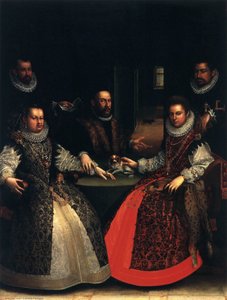
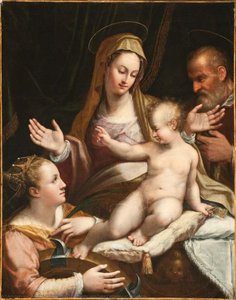
Fontana’s oeuvre encompasses a diverse range of subjects, reflecting both her technical skill and her artistic versatility. She produced numerous religious paintings – altarpieces for churches, devotional panels, and small-scale works depicting biblical scenes. Notable examples include *Martyrdom of St. Stephen* (1604), a monumental altarpiece commissioned for San Paolo Fuori le Mura in Rome—a testament to her ambition and artistic prowess; *Visit of the Queen of Sheba to Solomon* (c. 1598-1600), a complex narrative scene demonstrating her ability to manage large-scale compositions; and *Holy Family with Saints Margaret and Francis* (1578), showcasing her mastery of Renaissance iconography. Her portraits, such as *Double Marriage Portrait* (1584) and *Venus and Cupid* (1592), are particularly celebrated for their elegance, psychological depth, and meticulous attention to detail—capturing the beauty and status of their subjects with remarkable skill. Her work also includes captivating depictions of newborns, reflecting a fascination with motherhood and domestic life.A Lasting Legacy
Lavinia Fontana’s legacy extends far beyond her individual paintings; she remains an icon of female empowerment in the art world. She not only demonstrated that women could achieve artistic excellence on par with their male counterparts but also paved the way for future generations of female artists to pursue their passions without societal constraints. Her story is a powerful reminder that talent knows no gender and that perseverance can overcome even the most formidable obstacles. Fontana’s ability to balance a thriving artistic career with the demands of motherhood—raising eleven children while maintaining a rigorous painting schedule—is a testament to her resilience, dedication, and unwavering commitment to her craft. Her work continues to be studied and admired today, solidifying her place as one of the most important and influential artists of the Italian Renaissance. Lavinia Fontana’s impact extends beyond her paintings; she remains an icon of female empowerment in the art world.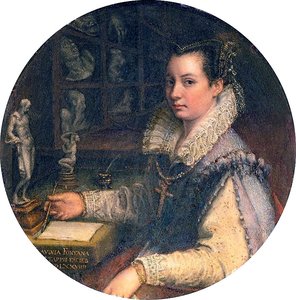
Лавния Фонтана
1552 - 1614 , Италия
Основные сведения
- Artistic Movement Or Style: Маньеризм, Барокко
- Artists Who Influenced This Artist:
- Просперо Фонтана
- Денис Кавальерто
- Date Of Birth: 24 августа 1552 г.
- Date Of Death: 11 августа 1614 г.
- Full Name: Лавния Фонтана
- Nationality: Итальянская
- Notable Artworks:
- Портрет двойного брака
- Венера и Купидон
- Новорожденный ребенок в колыбели
- Юдифь с Олоферном
- Place Of Birth: Болонья, Италия
Похожие статьи

Масляная живопись: История, техника и непреходящее наследие
Узнайте все о масляной живописи: история техники, секреты мастеров и современные тенденции. Погрузитесь в мир искусства с экспертами !
Топ-10 шедевров масляной живописи на доске, изменившие искусство | ArtsDot.com
Откройте для себя 10 легендарных шедевров масляной живописи на доске, изменивших искусство! Узнайте истории Ван Гога, Моне и других великих художников. Репродукции картин премиум-качества для вашего интерьера – ArtsDot.com

The Enduring Power of Painting: A Historical & Contemporary Exploration of Form and Emotion
Explore the rich history & enduring techniques of oil painting with ArtsDot. Discover masterpieces, learn about art collecting, and find authentic handmade reproductions crafted by skilled artists.

The Enduring Legacy of Oil on Canvas: Technique, History & Aesthetic Impact
Explore the rich history & techniques of oil painting – from Renaissance masters to Impressionism. Discover pigments, layering methods, and why this timeless medium endures. Expert insights for artists & art enthusiasts.

Oil on Canvas: A Historical & Technical Exploration of a Timeless Artistic Medium
Explore the rich history & enduring techniques of oil painting on canvas. Discover the science behind its longevity, conservation practices, and contemporary relevance. Expert insights for art enthusiasts.