

 Предпросмотр
 Поделиться
 Поделиться
 Детали произведения

 Скачать
 Похожие работы
 Рентгенография
 Слайд-шоу
 Статистика
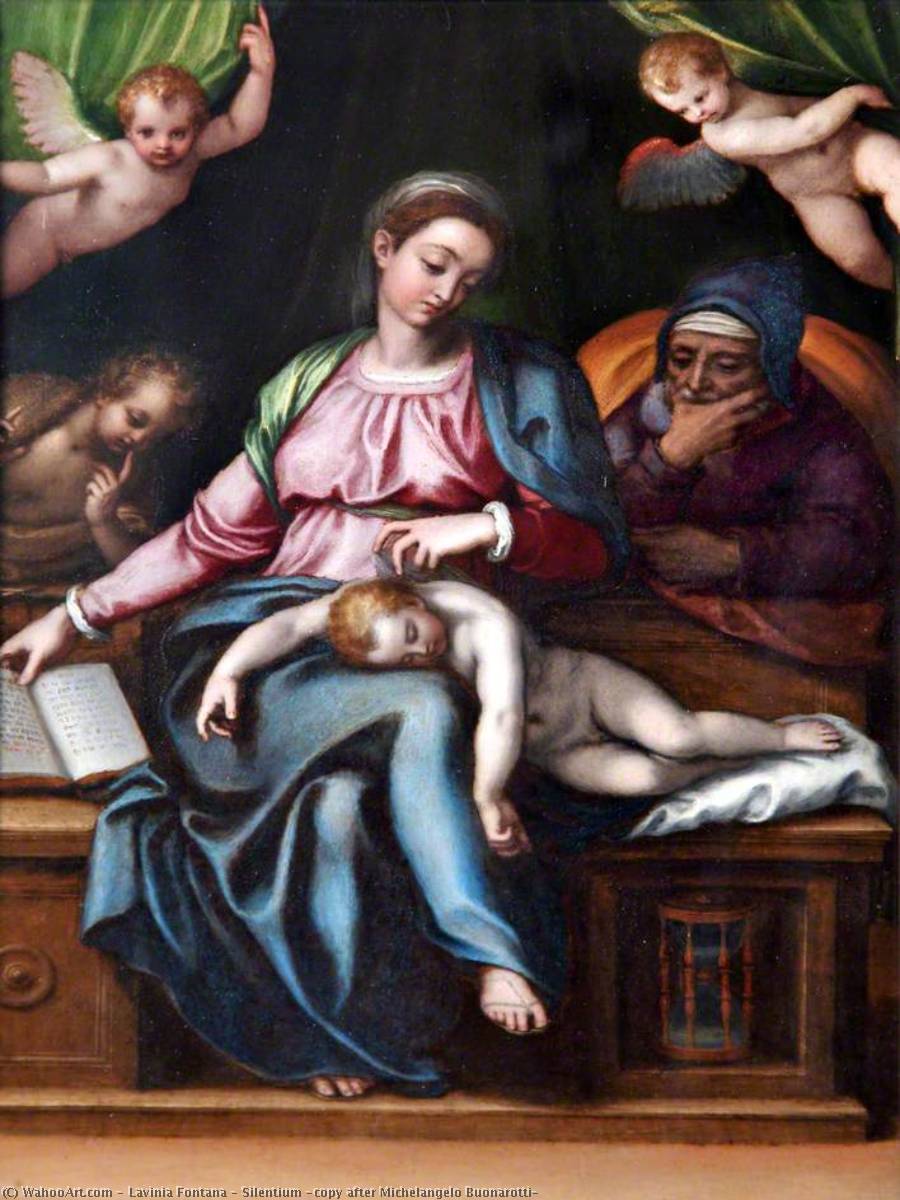
Silentium (copy after Michelangelo Buonarotti)
 Oil On Canvas
- WallArt
- Italian Renaissance
 1590
1590 28.0 x 21.0 cm
 Walker Art Gallery
 Читать далее
Приобретите цифровое изображение высокого разрешения в улучшенном качестве, которое значительно превосходит онлайн-превью.
Каждый файл тщательно подготавливается нашими специалистами с использованием передовых инструментов и экспертной ручной ретуши. Мы гарантируем исключительную четкость, точную цветопередачу и детальную проработку каждого изображения.
Финальный файл доставляется по электронной почте в течение 72 часов и оптимизирован для немедленного использования в профессиональной среде, при верстке и печати. Это тот же уровень качества, которому доверяют ведущие дизайнерские студии, издательства и галереи.
Цифровое изображение
Скачайте файл высокого разрешения для личного использования, печати и творческих проектов. ( Перейти к печати Купить картину ручной работы)
Включено в каждый заказ цифровых изображений
Гарантия экспертной цифровой доставки
Выбирая ArtsDot.com, вы получаете не просто изображение — вы приобретаете профессионально обработанное цифровое произведение искусства, созданное с безупречной точностью и под защитой гарантии качества. Вот всё, что автоматически входит в ваш заказ:

Мгновенная доставка по e-mail
Ваш цифровой файл в высоком разрешении будет отправлен вам по электронной почте в течение 72 часов после оформления заказа — и сразу станет доступен для использования.

Цифровой файл с ИИ-улучшением
Ваше произведение искусства проходит профессиональную оптимизацию с использованием передовых инструментов ИИ и ручной обработки, что гарантирует максимальную детализацию, четкость и точность цветопередачи.

Бессрочная бесплатная повторная доставка
Случайно удалили или потеряли файл? Не беспокойтесь — мы отправим его вам повторно в любое время и совершенно бесплатно.

Без импортных пошлин — навсегда
Наслаждайтесь вашим произведением искусства мгновенно без таможенных пошлин, сборов или затрат на доставку — цифровые загрузки всегда не облагаются налогом.

Гарантия точности цветопередачи
Мы гарантируем, что ваше цифровое изображение максимально точно передает оригинальные цвета благодаря использованию профессиональных инструментов и систем управления цветом.

Гарантия удовлетворенности 100 дней
Если вы не будете удовлетворены своим цифровым изображением, мы внесем правки или вернем 100% стоимости в течение 100 дней — без лишних вопросов.

100% Гарантия возврата средств
Не удовлетворены покупкой? Получите полный возврат средств в течение 100 дней после получения цифрового файла — без лишних вопросов.

Скидки на оптовые заказы
Купите 3 изображения, сэкономьте 10% — Купите 5, сэкономьте 15% — Купите 10+, сэкономьте 20%. Отличное решение для творческих проектов, галерей и агентств.
Silentium (copy after Michelangelo Buonarotti) – A Renaissance Reverie
Lavinia Fontana’s “Silentium,” a masterful copy after Michelangelo Buonarotti, transcends mere imitation; it embodies the spirit of the Italian Renaissance—a period defined by humanist ideals and an unparalleled devotion to artistic excellence. Completed around 1590, this oil painting on copper captures a poignant moment from biblical narrative: the Presentation of Jesus at the Temple, rendered with breathtaking detail and imbued with profound symbolism. It’s more than just a depiction; it's an experience for the viewer, transporting them back to Florence during Michelangelo’s formative years.- Subject Matter & Narrative Depth: Fontana skillfully recreates Michelangelo’s iconic scene—the Virgin Mary cradling Jesus and John the Baptist as they approach Herod—a narrative rich in theological significance. The depiction underscores the importance of faith, humility, and divine providence.
- Style & Composition: The artwork adheres to Renaissance conventions, prioritizing realism while elevating figures to idealized forms. Michelangelo’s influence is palpable in the balanced composition, centered around the central trio of figures seated upon a richly ornamented chest or table. This deliberate arrangement emphasizes their importance and creates an intimate atmosphere conducive to contemplation.
- Technique & Material Considerations: Fontana employed meticulous oil painting techniques—layering pigment to build up texture and achieve luminous effects—a hallmark of Renaissance artistry. The use of copper as the substrate contributes to the artwork’s durability and enhances its tonal qualities, reflecting Michelangelo's preference for durable materials.
- Symbolism & Visual Language: Numerous symbolic elements enrich the painting’s visual vocabulary. Angels flanking the scene represent divine guardianship, mirroring Michelangelo’s penchant for incorporating religious iconography into his works. The inclusion of a book symbolizes knowledge and prophecy—a cornerstone of humanist thought during the Renaissance—further deepening its intellectual resonance.
- Emotional Resonance & Aesthetic Impact: “Silentium” evokes feelings of piety, tenderness, and reverence. Fontana's masterful execution captures the serene beauty of the biblical scene, inviting viewers to immerse themselves in a moment of spiritual contemplation. The painting’s subdued palette—dominated by warm earth tones accented with touches of blue and gold—creates an atmosphere of solemn grandeur.
Detailed Examination: Artistic Virtues & Michelangelo's Legacy
Fontana’s dedication to capturing the essence of Michelangelo’s original drawing is evident in every brushstroke. The artist meticulously studied Michelangelo’s approach, replicating his masterful use of chiaroscuro—the dramatic interplay between light and shadow—to sculpt form and convey emotion. This technique elevates the artwork beyond mere representation, transforming it into a conduit for spiritual contemplation. Furthermore, Fontana's work stands as testament to the enduring power of artistic inspiration across generations.Dimensions & Context: A Window Into Renaissance Florence
Measuring 28 x 21 cm (Framed: 39.7 x 31.8 cm), “Silentium” resides within the Walker Art Gallery’s collection, offering visitors a glimpse into the artistic landscape of Renaissance Florence—a city at the epicenter of humanist revival and artistic innovation. The artwork's provenance traces back to Liverpool Royal Institution in 1948, highlighting its significance as a cultural treasure.Further Exploration: Lavinia Fontana – Pioneer of Female Artistry
Lavinia Fontana (1552-1614) defied societal expectations and established herself as one of the foremost artists of her time—a remarkable achievement considering the limitations imposed upon women’s participation in artistic pursuits during the Renaissance. Her unwavering commitment to craft, combined with her astute understanding of artistic principles, cemented her legacy as a trailblazer who championed female creativity and challenged conventional norms. Fontana's enduring influence continues to inspire artists today.Похожие произведения
Биография художника
A Bolognese Trailblazer: The Life and Art of Lavinia Fontana
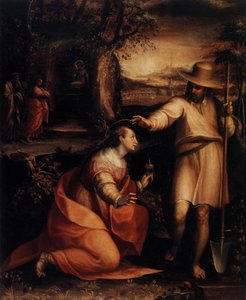
Lavinia Fontana, born in Bologna in 1552, stands as a truly remarkable figure in the history of art – a Renaissance woman who defied expectations and carved out an extraordinary career for herself as a painter. In an era when artistic pursuits were largely confined to men, Fontana not only mastered her craft but also became one of the first professional female artists, operating independently within the established art world—outside the confines of a court or convent. Her story is one of exceptional talent nurtured by a supportive family, unwavering dedication, and a remarkable ability to overcome societal barriers, ultimately leaving behind a legacy that continues to inspire. Fontana’s artistic journey began under the tutelage of her father, Prospero Fontana, a respected painter in his own right who had worked alongside renowned masters like Taddeo Zuccari and Giorgio Vasari. Bologna at this time was a vibrant center for art, brimming with influences from the School of Fontainebleau and the Carracci family. Lavinia’s early years were marked by an immersion in the artistic traditions of her city – she studied diligently, absorbing techniques and styles from the works that adorned the private collections and public spaces of Bologna. Crucially, she had access to some of the most significant paintings of the time: Raphael's *Vision of Ezekiel* and Correggio’s *Noli me tangere*, providing a direct connection to the artistic giants who shaped the Renaissance. This early exposure instilled in her a deep appreciation for classical beauty and a keen eye for detail, elements that would become hallmarks of her distinctive style.Elegance, Innovation, and the Bolognese Style
Fontana’s artistic style evolved over time, initially mirroring the traditions of her father – a blend of Mannerist elegance and refined technique. However, she quickly absorbed influences from other prominent artists, notably Denis Calvaert, whose school in Bologna was a hub of innovation during the late 16th century. This exposure led to a significant shift in her work, incorporating elements of the Carracciesque style – characterized by its dramatic compositions, vibrant colors, and a heightened sense of realism. She skillfully blended these influences with a distinctly Venetian richness—a luminous quality that added depth and luminosity to her paintings. Fontana’s portraits, in particular, became renowned for their captivating beauty and psychological insight. She possessed an exceptional ability to capture not only the physical appearance of her subjects but also their inner character, creating images that were both strikingly realistic and deeply engaging. Her portraits of noblewomen, often accompanied by their beloved lapdogs, offered a glimpse into the opulent lifestyles and social customs of 16th-century Bologna.Breaking Barriers: A Career Forged Against the Grain
Lavinia Fontana’s achievements extended far beyond her artistic skill; she was a true trailblazer, widely regarded as the first woman artist to operate independently within the established art world—outside the confines of a court or convent. This was an extraordinary feat in an era when women were largely excluded from professional life and often relegated to domestic roles. Her success wasn’t simply about talent; it was also about shrewd business acumen, strategic networking, and the unwavering support of her husband, Paolo Zappi, who served as her agent and managed their growing family—they had eleven children together. The marriage agreement itself was remarkably progressive – acknowledging Lavinia’s potential for earning income through her art and negating the need for a traditional dowry. This innovative arrangement allowed her to pursue her career with greater freedom and independence. Her rising reputation quickly attracted the attention of powerful patrons, including Pope Gregory XIII and his family, leading to commissions for portraits of prominent individuals – cardinals, dukes, and even foreign dignitaries. These prestigious commissions propelled her career to new heights, culminating in her move to Rome in 1604 where she became a sought-after portraitist at the papal court. In 1611, she received further recognition with a bronze portrait medallion cast by Felice Antonio Casoni, and was elected into the Accademia di San Luca—an honor rarely bestowed upon women artists of the time, signifying her acceptance as a respected member of the Roman artistic community.Major Works and Artistic Themes
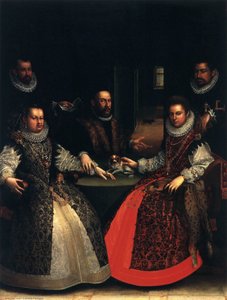
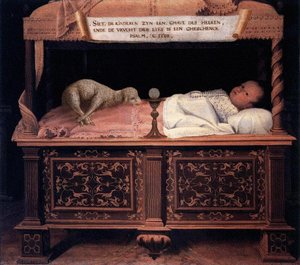
Fontana’s oeuvre encompasses a diverse range of subjects, reflecting both her technical skill and her artistic versatility. She produced numerous religious paintings – altarpieces for churches, devotional panels, and small-scale works depicting biblical scenes. Notable examples include *Martyrdom of St. Stephen* (1604), a monumental altarpiece commissioned for San Paolo Fuori le Mura in Rome—a testament to her ambition and artistic prowess; *Visit of the Queen of Sheba to Solomon* (c. 1598-1600), a complex narrative scene demonstrating her ability to manage large-scale compositions; and *Holy Family with Saints Margaret and Francis* (1578), showcasing her mastery of Renaissance iconography. Her portraits, such as *Double Marriage Portrait* (1584) and *Venus and Cupid* (1592), are particularly celebrated for their elegance, psychological depth, and meticulous attention to detail—capturing the beauty and status of their subjects with remarkable skill. Her work also includes captivating depictions of newborns, reflecting a fascination with motherhood and domestic life.A Lasting Legacy
Lavinia Fontana’s legacy extends far beyond her individual paintings; she remains an icon of female empowerment in the art world. She not only demonstrated that women could achieve artistic excellence on par with their male counterparts but also paved the way for future generations of female artists to pursue their passions without societal constraints. Her story is a powerful reminder that talent knows no gender and that perseverance can overcome even the most formidable obstacles. Fontana’s ability to balance a thriving artistic career with the demands of motherhood—raising eleven children while maintaining a rigorous painting schedule—is a testament to her resilience, dedication, and unwavering commitment to her craft. Her work continues to be studied and admired today, solidifying her place as one of the most important and influential artists of the Italian Renaissance. Lavinia Fontana’s impact extends beyond her paintings; she remains an icon of female empowerment in the art world.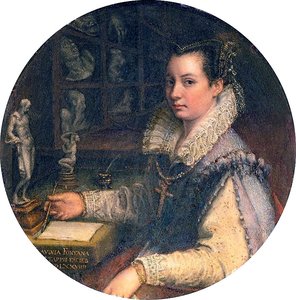
Лавния Фонтана
1552 - 1614 , Италия
Основные сведения
- Artistic Movement Or Style: Маньеризм, Барокко
- Artists Who Influenced This Artist:
- Просперо Фонтана
- Денис Кавальерто
- Date Of Birth: 24 августа 1552 г.
- Date Of Death: 11 августа 1614 г.
- Full Name: Лавния Фонтана
- Nationality: Итальянская
- Notable Artworks:
- Портрет двойного брака
- Венера и Купидон
- Новорожденный ребенок в колыбели
- Юдифь с Олоферном
- Place Of Birth: Болонья, Италия