

 Предпросмотр
 Поделиться
 Поделиться
 Детали произведения

 Скачать
 Похожие работы
 Рентгенография
 Слайд-шоу
 Статистика
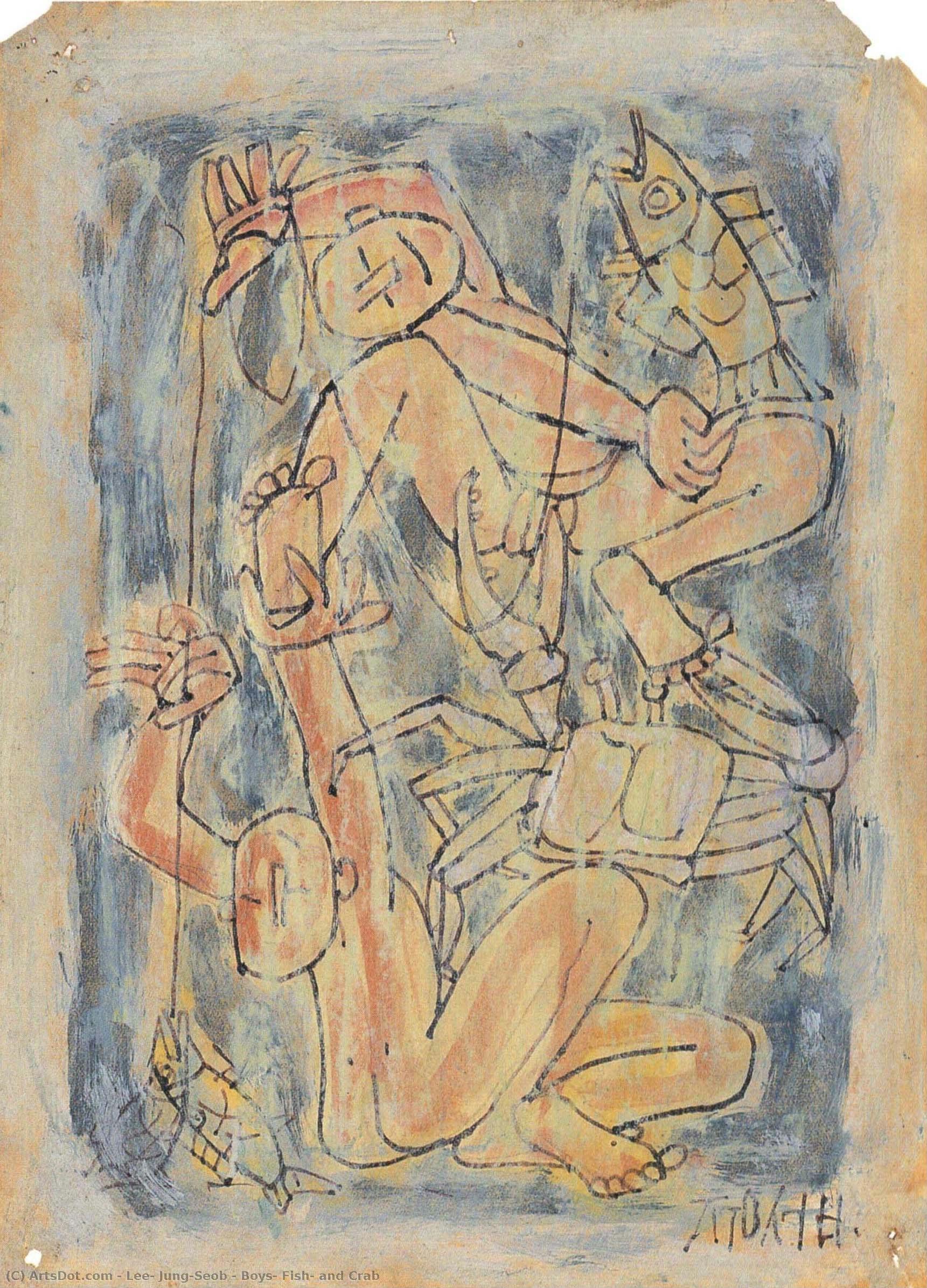
Boys, Fish, and Crab
 Acrylic On Canvas
- WallArt
- Modern Korean Art
 19.0 x 26.0 cm
 Национальный музей Кореи
 Читать далее
Масляная репродукция ручной работы
Картина маслом на холсте в выбранном вами размере и раме, написанная на заказ нашими художниками. ( Перейти к печати Перейти к цифровым изображениям)




P118B $10

P118H $10

P118W $10

P438Z $10

P508JH $12

P508YH $12

P805H $10

P805Z $10

P919BZ $10

P919G $10

P919XJ $10

P959ZH $10

P968JZ $12

W106C $8

W218G $10

W218JH $8

W218Y $10

W307PJ $10

W316G $10

W316PJ $8

W316Y $10

W398PJ $8

W4111J $10

W500HY $15

W500JH $15

W692G $12

W849H $8

W940BG $15

W953PJ $8




Выберите один из наших стандартных размеров, соответствующих оригинальным пропорциям произведения искусства.

Вы можете указать собственные размеры, чтобы картина идеально вписалась в выбранную раму или пространство. Если выбранный вами размер не соответствует пропорциям оригинала, мы либо обрежем полотно, либо расширим его за счет дополнительных элементов, написанных вручную. Цифровой макет будет отправлен вам на утверждение перед началом производства.
Обратите внимание, что предварительный просмотр на экране не отражает фактическую обрезку или расширение. Только макет точно покажет окончательную композицию.
Хотя доступны индивидуальные размеры, мы рекомендуем выбирать вариант из предопределенного списка, чтобы сохранить исходные пропорции.
После оформления заказа команда ArtsDot.com свяжется с клиентом по электронной почте для уточнения деталей и предоставит предварительный макет
Доставка по всему миру () за 3–4 недели вместо стандартных 5 недель. (11 Сентябрь). Без компромиссов в качестве.

Бесплатная экспресс-доставка по всему миру

Высококачественный льняной холст

Полное страхование доставки

Гарантия возмещения таможенных пошлин

Гарантия точного соответствия цветов

100-дневная политика возврата (только при обнаружении дефектов)

Гарантия возврата 100% средств

Предложение оптовых скидок
 Вариант со стеклом доступен только для размеров менее 110 см

Boys, Fish, and Crab
Техника репродукции
Размер репродукции
-


Итоговая стоимость
$ 263
A Moment of Childhood Joy: Lee Jung-seob’s “Boys, Fish, and Crab”
Lee Jung-seob's "Boys, Fish, and Crab" isn’t merely a painting; it’s a portal into a fleeting moment of pure, unadulterated joy. Completed in 1950 during the tumultuous years following the Korean War, this watercolor captures a scene of innocent play – three children immersed in a world of fish and crabs on a sun-drenched shore. The work immediately resonates with a profound sense of nostalgia, evoking memories of carefree summers and the simple pleasures of childhood. It’s a testament to Lee's remarkable ability to distill complex emotions into deceptively simple forms, creating an image that is both deeply personal and universally relatable.

A Window into Korean Modernism
Lee Jung-seob stands as a pivotal figure in the development of Korean modern art. Born in 1916 in Pyeongannamdo, South Korea, his artistic journey was shaped by both traditional Korean aesthetics and the burgeoning influences of Western art movements. He initially studied at Teikoku Art School for Occidental Painting in Japan, absorbing elements of Fauvism – a bold departure from naturalistic representation with its emphasis on vibrant color and expressive brushstrokes. This early exposure to avant-garde techniques profoundly impacted his later work, informing his distinctive style characterized by loose, gestural lines and an intuitive approach to color.
Following the war, Lee’s artistic focus shifted towards depicting scenes of everyday Korean life, often centered around family and rural landscapes. “Boys, Fish, and Crab” exemplifies this commitment, offering a poignant glimpse into a world grappling with recovery while simultaneously celebrating the enduring spirit of childhood. The painting's placement within the National Museum of Korea underscores its significance as a cornerstone of Korean art history.
The Language of Watercolor: Technique and Emotion
Lee Jung-seob’s masterful use of watercolor is central to the work’s evocative power. He employs loose, fluid brushstrokes that capture the dappled sunlight filtering through the trees and the shimmering reflections on the water's surface. The colors are remarkably vibrant – a joyful palette of blues, greens, yellows, and reds—that contribute to the painting’s overall sense of warmth and optimism. Notice how he uses washes of color to create an atmospheric depth, suggesting movement and spontaneity. The children themselves are rendered with simple, almost childlike lines, further emphasizing their innocence and vulnerability.
Furthermore, the artist's decision to depict the scene in watercolor—a medium known for its delicate transparency and ability to capture fleeting moments—perfectly aligns with the painting’s theme of ephemeral beauty. The colors seem to bleed into one another, mirroring the fluidity of childhood memories and the transient nature of time.
Symbolism and a Legacy of Korean Identity
Beyond its immediate depiction of children playing, “Boys, Fish, and Crab” carries deeper symbolic weight. The presence of fish and crabs—common elements of the Korean coastline—connects the scene to the nation’s rich maritime heritage. The act of fishing itself represents a connection to nature and a celebration of rural life, values that were increasingly valued in post-war Korea. Lee Jung-seob's work, particularly this piece, is deeply rooted in his Korean identity, reflecting both the hardships endured during the war and the enduring hope for a brighter future.
His legacy continues to inspire artists today, solidifying his place as one of South Korea’s most important modern painters. Reproductions of “Boys, Fish, and Crab” offer a beautiful way to bring this evocative artwork into your home or office, serving as a reminder of the simple joys of life and the enduring spirit of Korean culture.
Похожие произведения
Биография художника
корейский мастер масляной живописи
Ли Чжун Соп, выдающийся южнокорейский художник, оставил неизгладимый след в мире искусства своими пленительными полотнами, написанными маслом. Рожденный в 1916 году в провинции Пхённамдо, Ли прошел творческий путь, отмеченный новаторством и глубокой связью со своим культурным наследием.художественный вклад
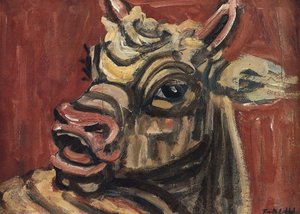
наиболее известным творением Ли Чжун Сопа является его культовая работа 'Белый бык', ставшая истинным свидетельством его виртуозного владения масляными красками. Этот шедевр, наряду с другими его произведениями, демонстрирует уникальный стиль мастера, в котором традиционные корейские элементы гармонично переплетаются с современными техниками.- ключевые работы:
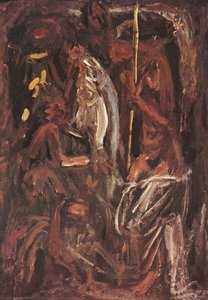
- Семья и голубь (Национальный музей Кореи, Сеул, Южная Корея) — пронзительное произведение, выполненное маслом на бумаге.
- Мальчики, рыба и краб (Национальный музей Кореи, Сеул, Южная Корея) — акварель, демонстрирующая многогранность таланта Ли.
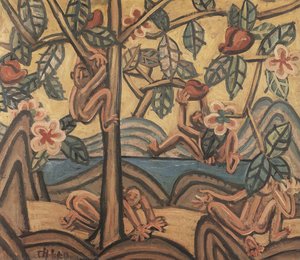
- Двое мальчиков и олень (Национальный музей Кореи, Сеул, Южная Корея) — еще один пример его мастерства в технике акварели.
- музеи, представляющие его работы:
- Национальный музей Кореи (Сеул, Южная Корея)
наследие и влияние
уход Ли Чжун Сопа в Сеуле в 1956 году ознаменовал конец целой эпохи, но в то же время проложил путь для будущих поколений корейских художников. Его влияние отчетливо прослеживается в творчестве многих современных живописцев Кореи. изучите больше работ Ли Чжун Сопа: https://ArtsDot.com/@/lee-jung-seob | откройте для себя обширную коллекцию его картин на ArtsDot. узнайте о других знаменитых художниках: /ru/art/list/ | ознакомьтесь со списком величайших мастеров на ArtsDot.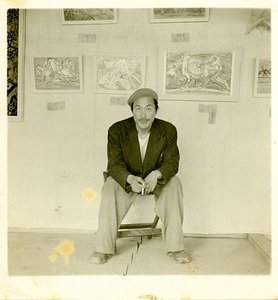
Ли Джун Соп
1916 - 1956 , Южная Корея
Основные сведения
- Artistic Movement Or Style: Современное корейское искусство
- Artists Or Movements Influenced By This Artist: ['Фовизм']
- Artists Who Influenced This Artist: ['Настенная живопись гробниц Когурё']
- Date Of Birth: 10 апреля 1916 г.
- Date Of Death: 6 сентября 1956 г.
- Full Name: Ли Чжун Соп
- Nationality: Кореец
- Notable Artworks:
- Белый бык
- Семья и голубь
- Мальчики, рыба и краб
- Place Of Birth: Пхённамдо, Корея
Похожие статьи
Ephemeral Visions: Exploring the History & Emotional Resonance of Watercolor Painting
Explore the captivating history of watercolor painting, from ancient techniques to modern masters like Kandinsky & Blake. Discover essential artists, collecting tips & the emotional power of this luminous medium. Expert insights for art enthusiasts.
Ephemeral Visions: Exploring the Artistic Legacy & Contemporary Practice of Watercolor Painting
Explore the captivating world of watercolor painting! Discover its rich history, essential techniques, influential artists & collecting tips. A comprehensive guide for art enthusiasts from ArtsDot.
Ephemeral Visions: Exploring the Artistic Legacy & Nuances of Watercolor Painting
Explore the captivating world of watercolor painting! Discover its rich history, essential techniques, influential artists & collecting tips from art experts. A comprehensive guide for enthusiasts.
Акварель: История, Техники и Современная Практика
Узнайте историю акварели от древности до современности, познакомьтесь с техниками и секретами мастеров. Пошаговое руководство для начинающих и вдохновение для опытных художников.
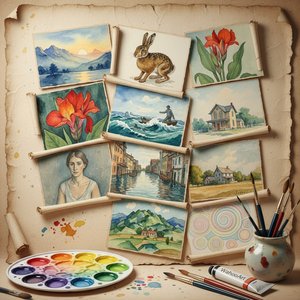
Топ-10 легендарных акварелей, изменивших искусство навсегда | ArtsDot
Погрузитесь в мир акварели! Откройте топ-10 легендарных картин Turner, Monet и других великих художников. История искусства, техники живописи и вдохновение для вашего интерьера. Репродукции музейного качества на ArtsDot.com.