

 Предпросмотр
 Поделиться
 Поделиться
 Детали произведения

 Скачать
 Похожие работы
 Рентгенография
 Слайд-шоу
 Статистика
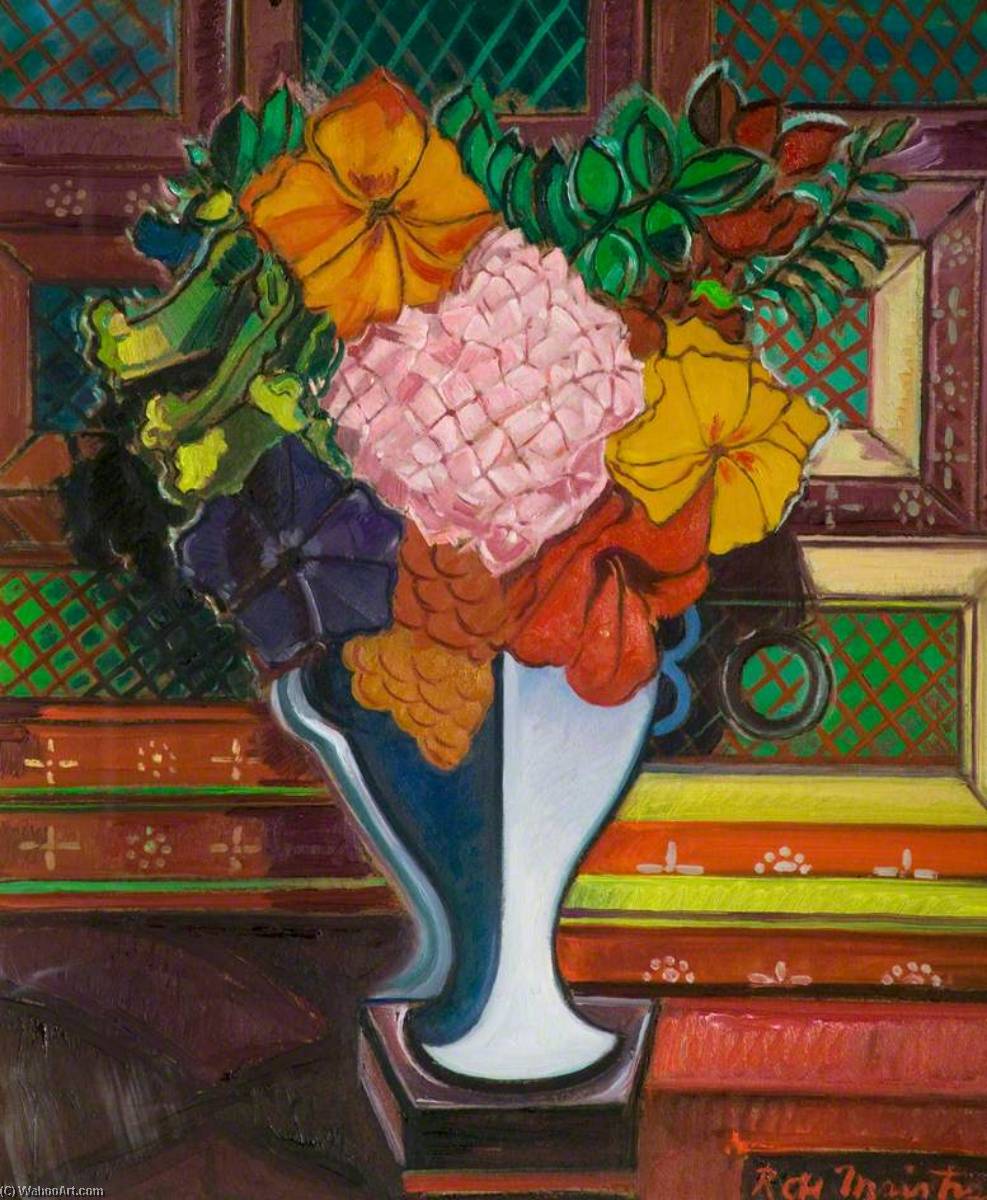
Flowers
 60.0 x 50.0 cm
 Usher Gallery
 Читать далее
Приобретите цифровое изображение высокого разрешения в улучшенном качестве, которое значительно превосходит онлайн-превью.
Каждый файл тщательно подготавливается нашими специалистами с использованием передовых инструментов и экспертной ручной ретуши. Мы гарантируем исключительную четкость, точную цветопередачу и детальную проработку каждого изображения.
Финальный файл доставляется по электронной почте в течение 72 часов и оптимизирован для немедленного использования в профессиональной среде, при верстке и печати. Это тот же уровень качества, которому доверяют ведущие дизайнерские студии, издательства и галереи.
Цифровое изображение
Скачайте файл высокого разрешения для личного использования, печати и творческих проектов. ( Перейти к печати Купить картину ручной работы)
Включено в каждый заказ цифровых изображений
Гарантия экспертной цифровой доставки
Выбирая ArtsDot.com, вы получаете не просто изображение — вы приобретаете профессионально обработанное цифровое произведение искусства, созданное с безупречной точностью и под защитой гарантии качества. Вот всё, что автоматически входит в ваш заказ:

Мгновенная доставка по e-mail
Ваш цифровой файл в высоком разрешении будет отправлен вам по электронной почте в течение 72 часов после оформления заказа — и сразу станет доступен для использования.

Цифровой файл с ИИ-улучшением
Ваше произведение искусства проходит профессиональную оптимизацию с использованием передовых инструментов ИИ и ручной обработки, что гарантирует максимальную детализацию, четкость и точность цветопередачи.

Бессрочная бесплатная повторная доставка
Случайно удалили или потеряли файл? Не беспокойтесь — мы отправим его вам повторно в любое время и совершенно бесплатно.

Без импортных пошлин — навсегда
Наслаждайтесь вашим произведением искусства мгновенно без таможенных пошлин, сборов или затрат на доставку — цифровые загрузки всегда не облагаются налогом.

Гарантия точности цветопередачи
Мы гарантируем, что ваше цифровое изображение максимально точно передает оригинальные цвета благодаря использованию профессиональных инструментов и систем управления цветом.

Гарантия удовлетворенности 100 дней
Если вы не будете удовлетворены своим цифровым изображением, мы внесем правки или вернем 100% стоимости в течение 100 дней — без лишних вопросов.

100% Гарантия возврата средств
Не удовлетворены покупкой? Получите полный возврат средств в течение 100 дней после получения цифрового файла — без лишних вопросов.

Скидки на оптовые заказы
Купите 3 изображения, сэкономьте 10% — Купите 5, сэкономьте 15% — Купите 10+, сэкономьте 20%. Отличное решение для творческих проектов, галерей и агентств.
Похожие произведения



Биография художника
A Pioneer of Australian Abstraction: The Visionary World of Roy De Maistre
Roy De Maistre, born Leroy Leveson Laurent Joseph De Maistre in 1894, occupies a unique and pivotal position in the history of Australian art. Often hailed as Australia’s first abstract artist, his journey was one of relentless experimentation, driven by a profound belief in the expressive power of colour and form. While biographical details remain somewhat elusive – a consequence perhaps of his intensely private nature and focus on artistic exploration rather than self-promotion – De Maistre's impact on the development of modern art in Australia is undeniable. He wasn’t simply *painting* pictures; he was attempting to translate musical harmonies into visual experiences, forging a path that would inspire generations of artists to come. His early life offered little indication of the radical artistic direction he would eventually take. Born into a relatively conventional background, his initial training focused on traditional art techniques, but these foundations were soon to be challenged and ultimately overturned by his encounter with the burgeoning avant-garde movements in Europe.From Realism to Colour-Music: A Transformation Forged in War
The outbreak of World War I proved a watershed moment for De Maistre. Serving as an ambulance driver on the Western Front, he witnessed firsthand the horrors of conflict, experiences that profoundly altered his artistic sensibilities. The trauma and chaos of war led him to question the representational capacity of traditional art forms. He began seeking a more universal language, one capable of expressing deeper emotional truths beyond the limitations of literal depiction. This search brought him into contact with the vibrant artistic community in London during the 1910s. There, he encountered Cubism and Futurism, movements that deconstructed form and embraced abstraction. However, De Maistre didn’t simply adopt these styles wholesale; he synthesized them with his own burgeoning theories about colour and music. He believed that colours possessed inherent harmonic relationships analogous to musical chords, and he sought to create paintings that functioned as visual equivalents of musical compositions – a concept he termed “colour-music.” This wasn't merely synesthesia; it was a rigorous attempt to establish a systematic correspondence between the chromatic spectrum and the principles of harmony.The Stations of the Cross and Pioneering Experiments
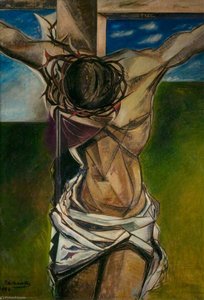
De Maistre’s most celebrated work, the series of *Stations of the Cross* (1927-1930), exemplifies his unique artistic vision. These twelve paintings represent a radical departure from traditional depictions of Christ's Passion. Eschewing narrative detail and figurative representation, De Maistre employed a highly abstracted visual language composed of bold colours, geometric shapes, and dynamic compositions. Each station is not an illustration of a biblical event but rather an emotional response to it, conveyed through the evocative power of colour and form. The series demonstrates his commitment to expressing spiritual themes through abstract means, challenging conventional notions of religious art. Beyond the *Stations*, De Maistre engaged in numerous other experiments throughout his career. He explored various techniques, including oil painting, tempera, and collage, constantly pushing the boundaries of artistic expression. His work often features a distinctive use of layered colours and rhythmic patterns, creating a sense of depth and movement. He was fascinated by the interplay of light and shadow, using these elements to create atmospheric effects and enhance the emotional impact of his paintings.Influence and Legacy: A Lasting Impact on Australian Art
Despite facing initial resistance from a conservative art establishment, De Maistre’s work gradually gained recognition in Australia. He exhibited regularly with prominent artist groups, including the Modern Art Society, and played a key role in promoting abstract art to a wider audience. His influence extended beyond his own paintings; he was also a respected teacher, inspiring numerous students to embrace experimentation and explore new artistic possibilities. While his “colour-music” theory wasn’t universally accepted, it sparked important debates about the nature of abstraction and the relationship between different art forms.- De Maistre's work paved the way for subsequent generations of Australian abstract artists.
- His emphasis on emotional expression and spiritual themes resonated with many artists seeking to move beyond representational conventions.
- He demonstrated that abstraction could be a powerful means of conveying complex ideas and experiences.
Основные сведения
- Artistic Movement Or Style: Abstract, Colour-Music
- Artists Or Movements Influenced By This Artist: ['Wassily Kandinsky']
- Artists Who Influenced This Artist:
- Cubism
- Post Impressionism
- Date Of Birth: March 27, 1894
- Date Of Death: March 1, 1968
- Full Name: Roy De Maistre
- Nationality: Australian
- Notable Artworks:
- Christ falling under the Weight
- The Deposition
- Third Station of the Cross
- Place Of Birth: Melbourne, Australia