

 Предпросмотр
 Поделиться
 Поделиться
 Детали произведения

 Скачать
 Похожие работы
 Рентгенография
 Слайд-шоу
 Статистика
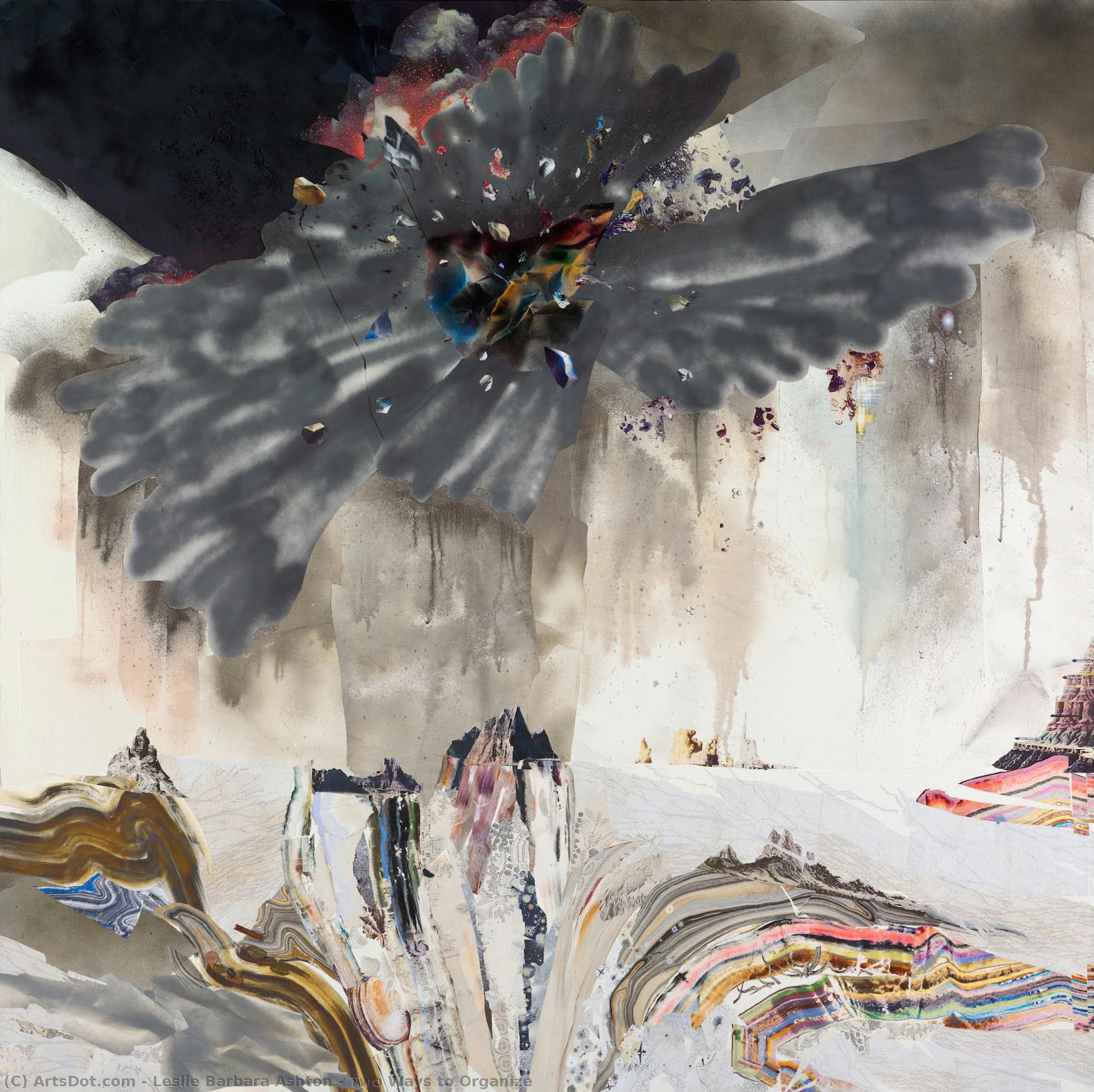
Two Ways to Organize


 Читать далее
Приобретите цифровое изображение высокого разрешения в улучшенном качестве, которое значительно превосходит онлайн-превью.
Каждый файл тщательно подготавливается нашими специалистами с использованием передовых инструментов и экспертной ручной ретуши. Мы гарантируем исключительную четкость, точную цветопередачу и детальную проработку каждого изображения.
Финальный файл доставляется по электронной почте в течение 72 часов и оптимизирован для немедленного использования в профессиональной среде, при верстке и печати. Это тот же уровень качества, которому доверяют ведущие дизайнерские студии, издательства и галереи.
Цифровое изображение
Скачайте файл высокого разрешения для личного использования, печати и творческих проектов. ( Перейти к печати Купить картину ручной работы)
Включено в каждый заказ цифровых изображений
Гарантия экспертной цифровой доставки
Выбирая ArtsDot.com, вы получаете не просто изображение — вы приобретаете профессионально обработанное цифровое произведение искусства, созданное с безупречной точностью и под защитой гарантии качества. Вот всё, что автоматически входит в ваш заказ:

Мгновенная доставка по e-mail
Ваш цифровой файл в высоком разрешении будет отправлен вам по электронной почте в течение 72 часов после оформления заказа — и сразу станет доступен для использования.

Цифровой файл с ИИ-улучшением
Ваше произведение искусства проходит профессиональную оптимизацию с использованием передовых инструментов ИИ и ручной обработки, что гарантирует максимальную детализацию, четкость и точность цветопередачи.

Бессрочная бесплатная повторная доставка
Случайно удалили или потеряли файл? Не беспокойтесь — мы отправим его вам повторно в любое время и совершенно бесплатно.

Без импортных пошлин — навсегда
Наслаждайтесь вашим произведением искусства мгновенно без таможенных пошлин, сборов или затрат на доставку — цифровые загрузки всегда не облагаются налогом.

Гарантия точности цветопередачи
Мы гарантируем, что ваше цифровое изображение максимально точно передает оригинальные цвета благодаря использованию профессиональных инструментов и систем управления цветом.

Гарантия удовлетворенности 100 дней
Если вы не будете удовлетворены своим цифровым изображением, мы внесем правки или вернем 100% стоимости в течение 100 дней — без лишних вопросов.

100% Гарантия возврата средств
Не удовлетворены покупкой? Получите полный возврат средств в течение 100 дней после получения цифрового файла — без лишних вопросов.

Скидки на оптовые заказы
Купите 3 изображения, сэкономьте 10% — Купите 5, сэкономьте 15% — Купите 10+, сэкономьте 20%. Отличное решение для творческих проектов, галерей и агентств.
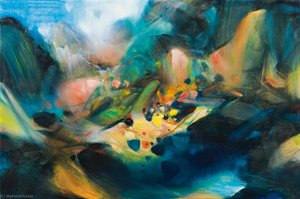
Leslie Ashton’s “Two Ways to Organize”: A Dialogue Between Cosmic Genesis and Domestic Reflection
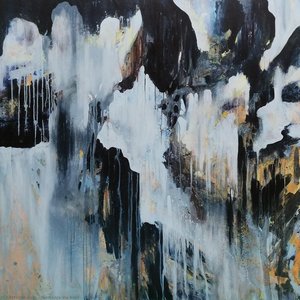
Leslie Ashton's "Two Ways to Organize," created in 2006, isn’t merely a landscape painting; it’s an ambitious meditation on time, scale, and the interconnectedness of natural forces and human activity. Ashton draws inspiration from Corita McCarthy’s unwavering belief in finding wonder within the commonplace—a sentiment powerfully embodied in McCarthy's own celebrated work. This connection underscores the artist’s desire to elevate everyday observation into a profound artistic statement.- Subject Matter: The painting depicts a solitary bird soaring against a backdrop of mountainous terrain and expansive skies speckled with stars. Its wings outstretched, it represents resilience and aspiration amidst overwhelming grandeur.
- Style & Technique: Ashton employs an abstract style characterized by bold brushstrokes and textural layering. Acrylic paint is combined with rust, mud, and found images—ribbons of pigment interwoven with decaying materials—to create a surface that feels both ancient and contemporary.
- Symbolism: The inclusion of faux-metal scrapbook labels adds another layer of significance. Traditionally used for archiving memories and organizing experiences, these labels represent a yearning for order amidst chaos—a subtle commentary on our relationship with time and narrative.
Похожие произведения


Биография художника
Corita McCarthy (1918 – 1986): A Celebration of Everyday Wonder
Corita McCarthy, a name now synonymous with vibrant color and joyful simplicity, was far more than just an artist; she was a profound observer of the human condition. Born Jeanne Agnes Corita Kent in Los Angeles in 1918, her life unfolded as a remarkable journey from a rigorous Catholic education to becoming one of the most distinctive figures in American Pop Art – though she resisted that label fiercely. McCarthy’s work, characterized by its bold shapes, playful typography, and an almost childlike enthusiasm for the ordinary, continues to resonate with audiences today, offering a refreshing antidote to cynicism and a celebration of the beauty found in everyday life.
McCarthy's early years were shaped by her strict Catholic upbringing at St. Ursula’s Academy, a boarding school known for its demanding academic standards and emphasis on discipline. This environment instilled in her a deep appreciation for structure and order, which would later inform the geometric precision of her compositions. However, it also fostered a quiet rebellion – a yearning to express herself beyond the confines of prescribed rules. She initially pursued a career as a teacher, teaching art at Los Angeles City College from 1946 to 1963. It was during this time that she began experimenting with collage and found materials, drawing inspiration from the students around her and the vibrant street life of the city. This period marked a crucial shift – moving away from formal artistic training and embracing a more intuitive, experiential approach to artmaking.
The Emergence of “Pop” – A Rejection of Labels
McCarthy’s work began to gain recognition in the late 1960s, coinciding with the rise of Pop Art. However, she vehemently resisted being categorized as a ‘Pop artist.’ She saw herself as an observer and interpreter, not a commentator on consumer culture. Her pieces weren't about replicating popular imagery; instead, they were explorations of form, color, and composition – often incorporating found objects like newspapers, advertisements, and children’s drawings. Works like “The Children” (1967), featuring a dynamic arrangement of brightly colored shapes and text fragments, exemplify this approach. The piece isn't about advertising or consumerism; it’s about the energy and chaos of childhood, captured through a carefully orchestrated visual language.
- Key Techniques: McCarthy employed a distinctive collage technique, layering materials with meticulous precision. She favored bold, saturated colors – reds, yellows, blues – creating visually arresting combinations that demanded attention.
- Typography: The use of typography was integral to her work. She often incorporated snippets of text from newspapers and magazines, arranging them in unexpected ways to create visual rhythms and convey subtle meanings.
- Found Objects: McCarthy’s reliance on found objects – discarded materials, children's drawings – added a layer of authenticity and immediacy to her art.
Influences and Artistic Development
McCarthy’s artistic development was shaped by a diverse range of influences. Her Catholic education instilled in her a deep appreciation for design principles, particularly those found in religious iconography. She also drew inspiration from the work of Josef Albers, whose teachings on color theory profoundly impacted her approach to composition and hue. Furthermore, she admired the work of Matisse, appreciating his emphasis on joyful color and simplified forms. However, unlike these artists, McCarthy’s work was rooted in a distinctly American sensibility – reflecting the energy and diversity of Los Angeles.
Legacy and Historical Significance
Corita McCarthy died unexpectedly in 1986, leaving behind a remarkably prolific body of work. Her art continues to be exhibited widely and studied by students and scholars alike. She is remembered not just for her vibrant colors and playful compositions but also for her profound belief in the power of art to uplift and inspire. In an era often dominated by cynicism and negativity, McCarthy’s work offers a refreshing reminder of the beauty and wonder that can be found in the everyday – a message as relevant today as it was during her lifetime. Her legacy lies not just in her artistic achievements but also in her unwavering commitment to seeing the world with childlike curiosity and joy.
Further Resources

leslie barbara ashton
1986 - 2012 , United States of America
Основные сведения
- Artistic Movement Or Style: Pop Art, Graphic Design
- Artists Or Movements Influenced By This Artist: ['Graphic design']
- Artists Who Influenced This Artist: ['Josef Albers']
- Date Of Birth: 1918
- Date Of Death: 1986
- Full Name: Corita
- Nationality: American
- Notable Artworks:
- Pencils
- Circles
- Flowers
- Place Of Birth: Los Angeles, USA