

 Предпросмотр
 Поделиться
 Поделиться
 Детали произведения

 Скачать
 Похожие работы
 Рентгенография
 Слайд-шоу
 Статистика
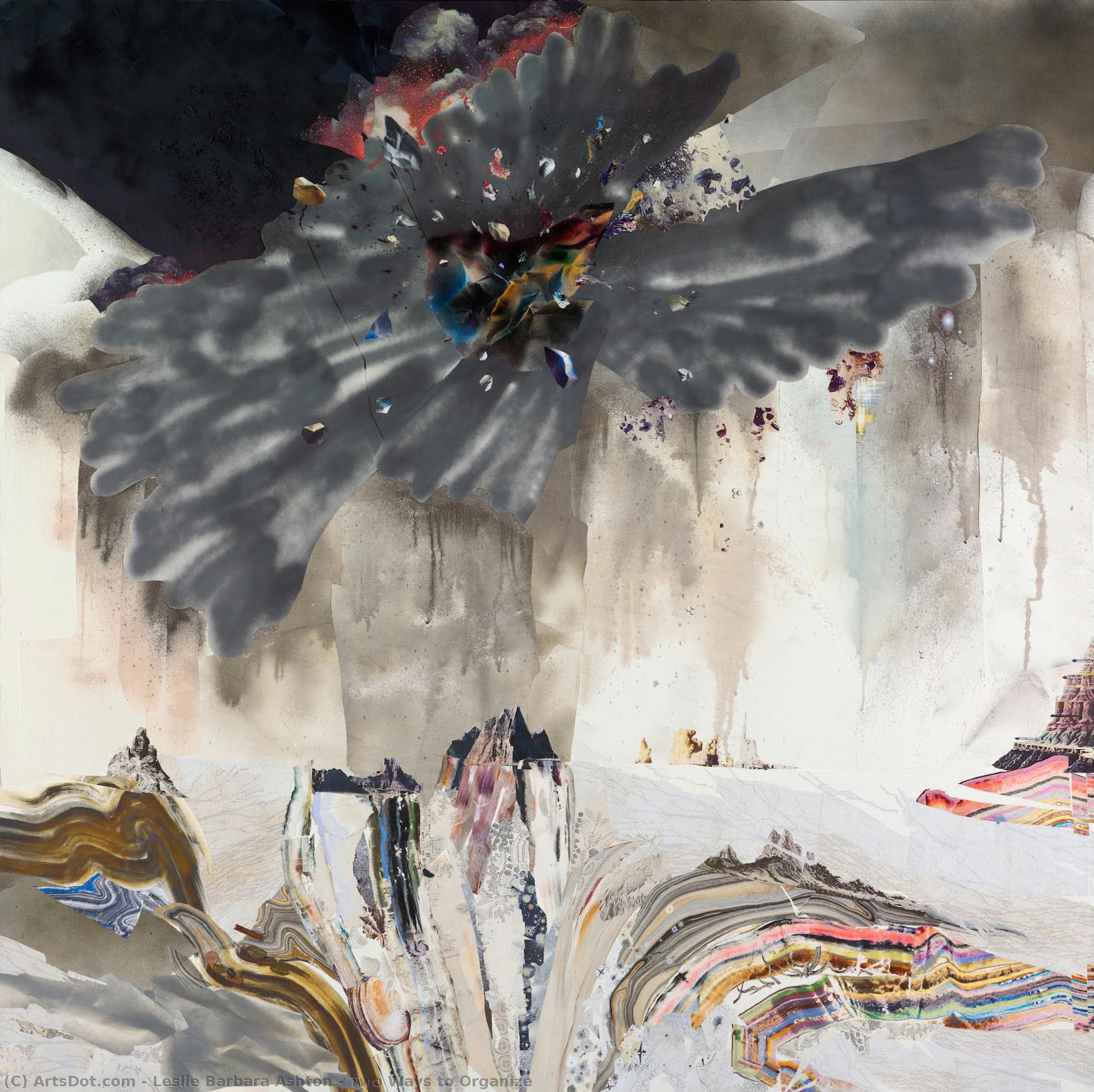
Two Ways to Organize


 Читать далее
Жикле / Арт-принт
Печать (жикле) или холст музейного качества с быстрыми сроками изготовления и широким выбором вариантов отделки. ( Купить картину ручной работы Перейти к цифровым изображениям)




P118B $10

P118H $10

P118W $10

P438Z $10

P508JH $12

P508YH $12

P805H $10

P805Z $10

P919BZ $10

P919G $10

P919XJ $10

P959ZH $10

P968JZ $12

W106C $8

W218G $10

W218JH $8

W218Y $10

W307PJ $10

W316G $10

W316PJ $8

W316Y $10

W398PJ $8

W4111J $10

W500HY $15

W500JH $15

W692G $12

W849H $8

W940BG $15

W953PJ $8




Выберите один из наших стандартных размеров, соответствующих оригинальным пропорциям произведения искусства.

Вы можете указать свои собственные размеры, чтобы репродукция идеально подошла под конкретную раму или пространство. Если выбранный вами размер не будет соответствовать пропорциям оригинала, мы либо обрежем произведение, либо дополним изображение зеркальным отражением краев или однотонной заливкой. Перед началом производства вам будет отправлен цифровой макет для утверждения.
Пожалуйста, обратите внимание, что предварительный просмотр на экране не отображает фактическую обрезку или расширение изображения. Только макет точно покажет финальную композицию.
Несмотря на возможность заказа индивидуальных размеров, мы рекомендуем выбирать размер из предопределенного списка, чтобы сохранить оригинальные пропорции.
Доставка по всему миру () за 2 недели вместо стандартных 4/5 недель. (13 Сентябрь)

Бесплатная экспресс-доставка по всему миру

Высококачественный льняной холст

Полное страхование доставки

Гарантия возмещения таможенных пошлин

Гарантия точного соответствия цветов

100-дневная политика возврата (только при обнаружении дефектов)

Гарантия возврата 100% средств

Предложение оптовых скидок
 Вариант со стеклом доступен только для размеров менее 110 см

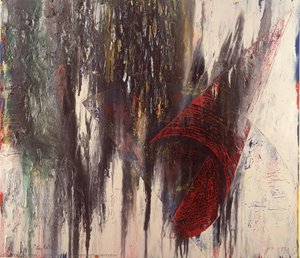
Two Ways to Organize
Жикле / Арт-принт
Размер репродукции
-


Итоговая стоимость
$ 62
Leslie Ashton’s “Two Ways to Organize”: A Dialogue Between Cosmic Genesis and Domestic Reflection
Leslie Ashton's "Two Ways to Organize," created in 2006, isn’t merely a landscape painting; it’s an ambitious meditation on time, scale, and the interconnectedness of natural forces and human activity. Ashton draws inspiration from Corita McCarthy’s unwavering belief in finding wonder within the commonplace—a sentiment powerfully embodied in McCarthy's own celebrated work. This connection underscores the artist’s desire to elevate everyday observation into a profound artistic statement.- Subject Matter: The painting depicts a solitary bird soaring against a backdrop of mountainous terrain and expansive skies speckled with stars. Its wings outstretched, it represents resilience and aspiration amidst overwhelming grandeur.
- Style & Technique: Ashton employs an abstract style characterized by bold brushstrokes and textural layering. Acrylic paint is combined with rust, mud, and found images—ribbons of pigment interwoven with decaying materials—to create a surface that feels both ancient and contemporary.
- Symbolism: The inclusion of faux-metal scrapbook labels adds another layer of significance. Traditionally used for archiving memories and organizing experiences, these labels represent a yearning for order amidst chaos—a subtle commentary on our relationship with time and narrative.
Похожие произведения

Биография художника
Corita McCarthy (1918 – 1986): A Celebration of Everyday Wonder
Corita McCarthy, a name now synonymous with vibrant color and joyful simplicity, was far more than just an artist; she was a profound observer of the human condition. Born Jeanne Agnes Corita Kent in Los Angeles in 1918, her life unfolded as a remarkable journey from a rigorous Catholic education to becoming one of the most distinctive figures in American Pop Art – though she resisted that label fiercely. McCarthy’s work, characterized by its bold shapes, playful typography, and an almost childlike enthusiasm for the ordinary, continues to resonate with audiences today, offering a refreshing antidote to cynicism and a celebration of the beauty found in everyday life.
McCarthy's early years were shaped by her strict Catholic upbringing at St. Ursula’s Academy, a boarding school known for its demanding academic standards and emphasis on discipline. This environment instilled in her a deep appreciation for structure and order, which would later inform the geometric precision of her compositions. However, it also fostered a quiet rebellion – a yearning to express herself beyond the confines of prescribed rules. She initially pursued a career as a teacher, teaching art at Los Angeles City College from 1946 to 1963. It was during this time that she began experimenting with collage and found materials, drawing inspiration from the students around her and the vibrant street life of the city. This period marked a crucial shift – moving away from formal artistic training and embracing a more intuitive, experiential approach to artmaking.
The Emergence of “Pop” – A Rejection of Labels
McCarthy’s work began to gain recognition in the late 1960s, coinciding with the rise of Pop Art. However, she vehemently resisted being categorized as a ‘Pop artist.’ She saw herself as an observer and interpreter, not a commentator on consumer culture. Her pieces weren't about replicating popular imagery; instead, they were explorations of form, color, and composition – often incorporating found objects like newspapers, advertisements, and children’s drawings. Works like “The Children” (1967), featuring a dynamic arrangement of brightly colored shapes and text fragments, exemplify this approach. The piece isn't about advertising or consumerism; it’s about the energy and chaos of childhood, captured through a carefully orchestrated visual language.
- Key Techniques: McCarthy employed a distinctive collage technique, layering materials with meticulous precision. She favored bold, saturated colors – reds, yellows, blues – creating visually arresting combinations that demanded attention.
- Typography: The use of typography was integral to her work. She often incorporated snippets of text from newspapers and magazines, arranging them in unexpected ways to create visual rhythms and convey subtle meanings.
- Found Objects: McCarthy’s reliance on found objects – discarded materials, children's drawings – added a layer of authenticity and immediacy to her art.
Influences and Artistic Development
McCarthy’s artistic development was shaped by a diverse range of influences. Her Catholic education instilled in her a deep appreciation for design principles, particularly those found in religious iconography. She also drew inspiration from the work of Josef Albers, whose teachings on color theory profoundly impacted her approach to composition and hue. Furthermore, she admired the work of Matisse, appreciating his emphasis on joyful color and simplified forms. However, unlike these artists, McCarthy’s work was rooted in a distinctly American sensibility – reflecting the energy and diversity of Los Angeles.
Legacy and Historical Significance
Corita McCarthy died unexpectedly in 1986, leaving behind a remarkably prolific body of work. Her art continues to be exhibited widely and studied by students and scholars alike. She is remembered not just for her vibrant colors and playful compositions but also for her profound belief in the power of art to uplift and inspire. In an era often dominated by cynicism and negativity, McCarthy’s work offers a refreshing reminder of the beauty and wonder that can be found in the everyday – a message as relevant today as it was during her lifetime. Her legacy lies not just in her artistic achievements but also in her unwavering commitment to seeing the world with childlike curiosity and joy.
Further Resources

leslie barbara ashton
1986 - 2012 , United States of America
Основные сведения
- Artistic Movement Or Style: Pop Art, Graphic Design
- Artists Or Movements Influenced By This Artist: ['Graphic design']
- Artists Who Influenced This Artist: ['Josef Albers']
- Date Of Birth: 1918
- Date Of Death: 1986
- Full Name: Corita
- Nationality: American
- Notable Artworks:
- Pencils
- Circles
- Flowers
- Place Of Birth: Los Angeles, USA
Похожие статьи

Evocations of Place: A Historical Journey Through Landscape Art
Explore the rich history of landscape art with ArtsDot. Discover renowned artists, movements like Impressionism & Romanticism, and expert guidance for collecting timeless pieces. Find your perfect serene escape today!

Романтический пейзаж: 10 шедевров, изменивших искусство | ArtsDot.com
Погрузитесь в мир романтического пейзажа! 10 шедевров Фридриха, Тёрнера и других гениев. Узнайте историю создания культовых картин и вдохновитесь для декора интерьера. Репродукции высокого качества на ArtsDot.com.

Джон Констебль: 25 шедевров английского пейзажа для вашего интерьера
Погрузитесь в мир английского пейзажа с Джоном Констеблом! 25 шедевров романтизма, история создания картин и вдохновение для вашего интерьера. Репродукции высокого качества на ArtsDot.com – искусство для ценителей.
Acrylic on Paper: A Modern Canvas for Contemporary Expression
Explore the versatility of acrylic painting on paper! Discover expert techniques, artist insights & archival practices for creating stunning contemporary art. Learn more at ArtsDot.
Топ-10 шедевров искусства, пробуждающих глубокие чувства радости | ArtsDot
Погрузитесь в мир искусства, пробуждающего радость! Откройте топ-10 шедевров Ван Гога, Моне и других великих художников. Узнайте истории создания картин импрессионизма и постимпрессионизма, вдохновитесь яркими цветами и позитивной энергией. Репродукции музейного качества на ArtsDot.com.