

 Предпросмотр
 Поделиться
 Поделиться
 Детали произведения

 Скачать
 Похожие работы
 Рентгенография
 Слайд-шоу
 Статистика
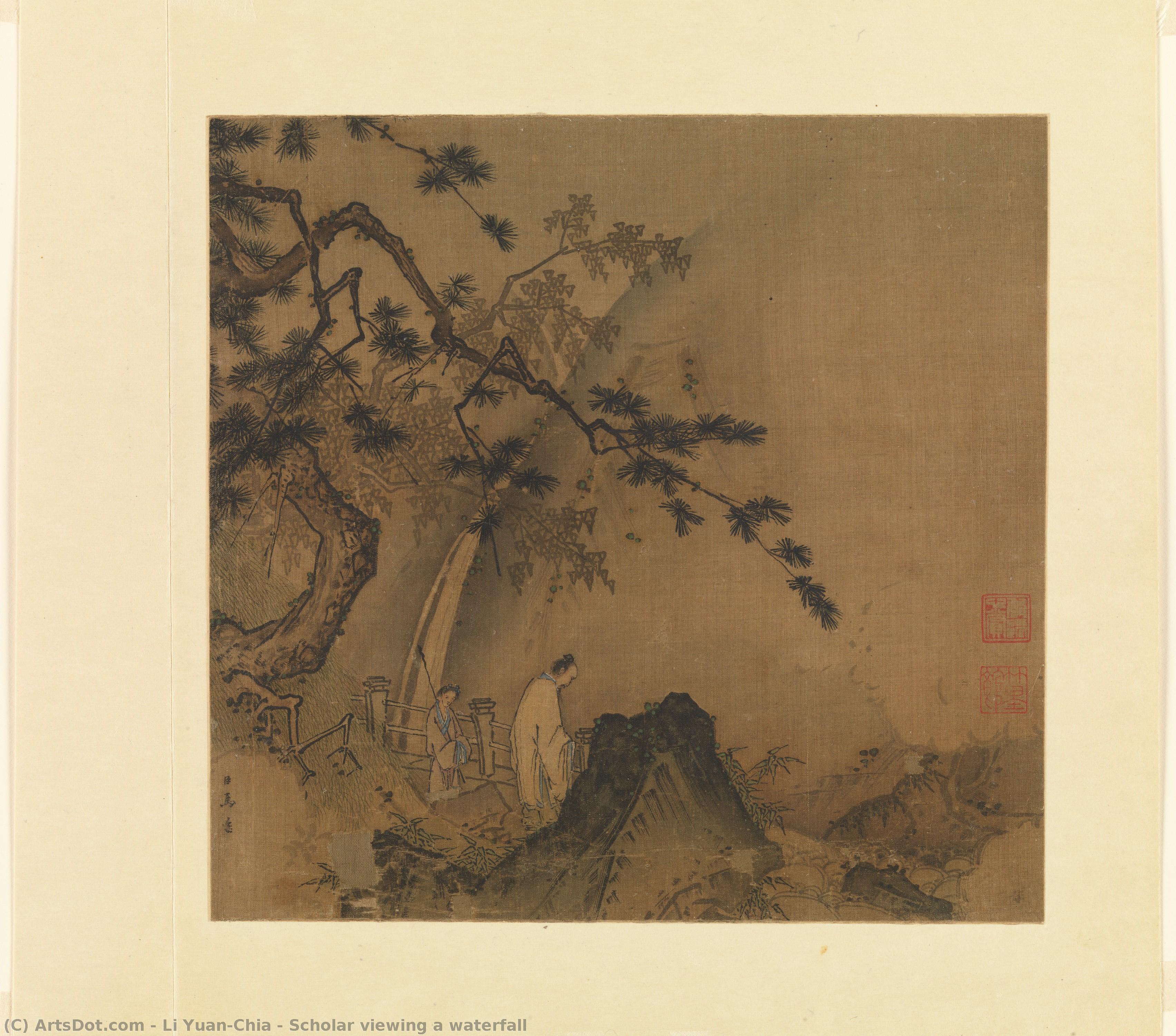
Scholar viewing a waterfall
 Acrylic On Canvas
- WallArt
- Shanshui
 1201
1201 25.0 x 26.0 cm
 Музей Метрополитен
 Читать далее
Приобретите цифровое изображение высокого разрешения в улучшенном качестве, которое значительно превосходит онлайн-превью.
Каждый файл тщательно подготавливается нашими специалистами с использованием передовых инструментов и экспертной ручной ретуши. Мы гарантируем исключительную четкость, точную цветопередачу и детальную проработку каждого изображения.
Финальный файл доставляется по электронной почте в течение 72 часов и оптимизирован для немедленного использования в профессиональной среде, при верстке и печати. Это тот же уровень качества, которому доверяют ведущие дизайнерские студии, издательства и галереи.
Цифровое изображение
Скачайте файл высокого разрешения для личного использования, печати и творческих проектов. ( Перейти к печати Купить картину ручной работы)
Включено в каждый заказ цифровых изображений
Гарантия экспертной цифровой доставки
Выбирая ArtsDot.com, вы получаете не просто изображение — вы приобретаете профессионально обработанное цифровое произведение искусства, созданное с безупречной точностью и под защитой гарантии качества. Вот всё, что автоматически входит в ваш заказ:

Мгновенная доставка по e-mail
Ваш цифровой файл в высоком разрешении будет отправлен вам по электронной почте в течение 72 часов после оформления заказа — и сразу станет доступен для использования.

Цифровой файл с ИИ-улучшением
Ваше произведение искусства проходит профессиональную оптимизацию с использованием передовых инструментов ИИ и ручной обработки, что гарантирует максимальную детализацию, четкость и точность цветопередачи.

Бессрочная бесплатная повторная доставка
Случайно удалили или потеряли файл? Не беспокойтесь — мы отправим его вам повторно в любое время и совершенно бесплатно.

Без импортных пошлин — навсегда
Наслаждайтесь вашим произведением искусства мгновенно без таможенных пошлин, сборов или затрат на доставку — цифровые загрузки всегда не облагаются налогом.

Гарантия точности цветопередачи
Мы гарантируем, что ваше цифровое изображение максимально точно передает оригинальные цвета благодаря использованию профессиональных инструментов и систем управления цветом.

Гарантия удовлетворенности 100 дней
Если вы не будете удовлетворены своим цифровым изображением, мы внесем правки или вернем 100% стоимости в течение 100 дней — без лишних вопросов.

100% Гарантия возврата средств
Не удовлетворены покупкой? Получите полный возврат средств в течение 100 дней после получения цифрового файла — без лишних вопросов.

Скидки на оптовые заказы
Купите 3 изображения, сэкономьте 10% — Купите 5, сэкономьте 15% — Купите 10+, сэкономьте 20%. Отличное решение для творческих проектов, галерей и агентств.
Ma Yuan’s Scholar Viewing a Waterfall: A Meditation on Landscape and Contemplation
The artwork, “Scholar Viewing a Waterfall,” attributed to Ma Yuan (馬遠), stands as a cornerstone of Southern Song landscape painting—a genre that profoundly shaped Chinese artistic sensibilities and continues to resonate with audiences today. Executed circa 1201 during the reign of Emperor Gaozong, this monochrome ink wash painting transcends mere depiction; it embodies a philosophical quest for harmony between humanity and nature, reflecting the prevailing aesthetic ideals of its time. Ma Yuan’s masterful technique—characterized by subtle tonal gradations achieved through meticulous layering of ink washes—captures not just the visual appearance of the scene but also its emotional atmosphere.- Subject Matter: The composition centers on a solitary scholar positioned before a cascading waterfall amidst towering pine trees and rocky outcrops. This motif was deeply ingrained in Confucian thought, symbolizing resilience, longevity, and the pursuit of moral virtue—values paramount to the intellectual elite of Song Dynasty China.
- Style & Technique: Ma Yuan’s approach aligns perfectly with Shanshui (山水), or landscape painting, which prioritized capturing the essence of nature rather than striving for photographic realism. Brushstrokes are fluid and expressive, conveying movement within the stillness of the mountainside. The artist skillfully utilizes atmospheric perspective—a technique perfected during this period—to create depth and illusionistic space.
- Historical Context: The Southern Song Dynasty (1127–1279) witnessed a flourishing cultural landscape marked by advancements in scholarship, philosophy, and artistic innovation. Ma Yuan’s work reflects the broader preoccupation with Daoist principles of balance and interconnectedness—a worldview that sought to reconcile Confucian ethics with the dynamism of the natural world.
- Symbolism: The waterfall itself represents abundance and renewal – a visual metaphor for spiritual transformation. Simultaneously, the scholar embodies intellectual contemplation and moral integrity, mirroring the aspirations of educated men striving for enlightenment. These elements intertwine to convey a profound message about achieving inner peace through engagement with the sublime beauty of nature.
- Emotional Impact: Viewing “Scholar Viewing a Waterfall” evokes a feeling of tranquility and serenity—a deliberate aim of Shanshui artists. The muted palette—primarily shades of brown and grey—enhances this contemplative mood, inviting viewers to immerse themselves in the scene’s quiet grandeur and contemplate its symbolic significance.
Похожие произведения

Биография художника
A Journey Across Continents: The Life of Li Yuan-chia
Li Yuan-chia was a soul that refused to be bound by borders, a polymath whose creative essence flowed through the veins of China, Taiwan, Italy, and eventually the rugged landscapes of Northern England. Born in the province of Guangxi, China, his early life was marked by profound displacement; given up for adoption as an infant, he navigated a childhood of orphanages before finding a sense of belonging in Taiwan. This early experience of searching for identity would later manifest in his art as a deep, philosophical inquiry into connection, presence, and the ephemeral nature of existence. He did not merely paint; he existed as a poet, a mathematician, and a curator, weaving together disparate threads of human experience into a singular, cohesive vision that bridged the gap between Eastern tradition and Western avant-garde experimentation.The Vanguard of Abstraction: From Ton Fan to the Global Stage
In the mid-1950s, within the vibrant artistic ferment of Taiwan, Li emerged as a pivotal figure in the Ton Fan Group, also known as the Orient Movement. Alongside a cohort of revolutionary peers known as the "Eight Great Outlaws," he challenged the prevailing academicism of his time, pushing toward an uncompromising exploration of abstraction. This movement was not merely about aesthetic change but was a bold assertion of a new Chinese artistic identity on the global stage. The group’s participation in the 1957 São Paulo Biennial served as a watershed moment, signaling to the world that a new language of modernism was being forged in the East. Li's early work, while rooted in the rhythmic grace of calligraphic traditions, began to shed its literal forms, embracing a conceptual depth that would define his later career.The LYC Museum: A Sanctuary of Experimental Spirit
As his journey took him through the historic streets of Bologna and into the heart of London’s experimental scene, Li's artistic scope expanded into the realms of installation, photography, and environmental art. However, it was his move to Cumbria, England, in the late 1960s that provided the ultimate canvas for his legacy. Purchasing a derelict farmhouse on Hadrian's Wall, he transformed the space into the LYC Museum and Art Gallery. This was not a traditional institution but a living, breathing sanctuary where experimental artworks existed in dialogue with Roman artifacts and local Cumbrian crafts. Through this museum, Li acted as a custodian of innovation, hosting works from over three hundred artists and creating a space where the boundaries between art, history, and life were intentionally blurred.A Legacy of Conceptual Depth and Materiality
The true significance of Li Yuan-chia lies in his ability to inhabit multiple artistic identities simultaneously. His oeuvre is a rich tapestry of diverse media:- Monochromatic and Ink Painting: Works that capture the meditative stillness of Eastern aesthetics.
- Conceptual Installations: Artworks that invite participation and explore the physical presence of objects in space.
- Photography and Mixed Media: A documentation of the ephemeral, blending the tangible with the imagined.
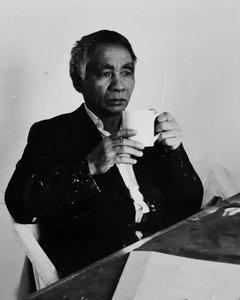
Li Yuan-chia
1929 - 1994 , China
Основные сведения
- Artistic Movement Or Style: Abstract Expressionism; Installations; Photography
- Artists Or Movements Influenced By This Artist: ['Ton Fan Group']
- Artists Who Influenced This Artist: ['Li Chung-sheng']
- Date Of Birth: 1929 Guangxi China
- Date Of Death: 1994
- Full Name: Li Yuan-chia
- Nationality: Chinese
- Notable Artworks:
- Untitled
- Untitled (Diptych)
- Scholar viewing a waterfall
- Place Of Birth: Guangxi China