

 Предпросмотр
 Поделиться
 Поделиться
 Детали произведения

 Скачать
 Похожие работы
 Рентгенография
 Слайд-шоу
 Статистика
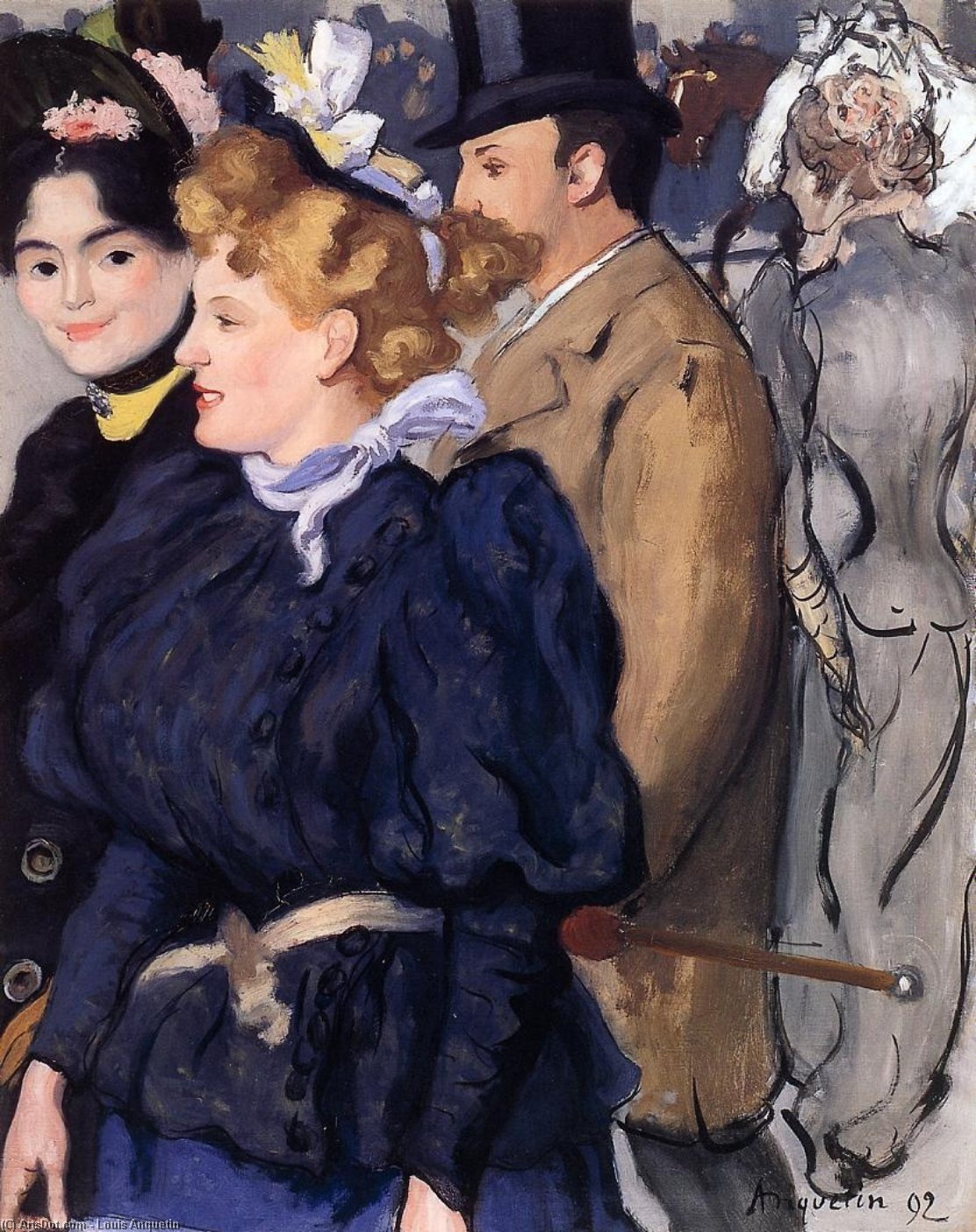
Promenade


 Читать далее
Масляная репродукция ручной работы
Картина маслом на холсте в выбранном вами размере и раме, написанная на заказ нашими художниками. ( Перейти к печати Перейти к цифровым изображениям)




































Выберите один из наших стандартных размеров, соответствующих оригинальным пропорциям произведения искусства.

Вы можете указать собственные размеры, чтобы картина идеально вписалась в выбранную раму или пространство. Если выбранный вами размер не соответствует пропорциям оригинала, мы либо обрежем полотно, либо расширим его за счет дополнительных элементов, написанных вручную. Цифровой макет будет отправлен вам на утверждение перед началом производства.
Обратите внимание, что предварительный просмотр на экране не отражает фактическую обрезку или расширение. Только макет точно покажет окончательную композицию.
Хотя доступны индивидуальные размеры, мы рекомендуем выбирать вариант из предопределенного списка, чтобы сохранить исходные пропорции.
После оформления заказа команда ArtsDot.com свяжется с клиентом по электронной почте для уточнения деталей и предоставит предварительный макет
Доставка по всему миру () за 3–4 недели вместо стандартных 5 недель. (11 Сентябрь). Без компромиссов в качестве.

Бесплатная экспресс-доставка по всему миру

Высококачественный льняной холст

Полное страхование доставки

Гарантия возмещения таможенных пошлин

Гарантия точного соответствия цветов

100-дневная политика возврата (только при обнаружении дефектов)

Гарантия возврата 100% средств

Предложение оптовых скидок
 Вариант со стеклом доступен только для размеров менее 110 см

Promenade
Техника репродукции
Размер репродукции
-


Итоговая стоимость
$ 263
Похожие произведения
Биография художника
The Visionary Architect of Form: The Life and Legacy of Louis Anquetin
Born in the coastal atmosphere of Etretat, Normandy, in 1861, Louis Émile Anquetin emerged as a singular force within the turbulent landscape of late nineteenth-century French painting. His artistic journey was never one of mere imitation; instead, it was a profound exploration of how tradition could be dismantled and rebuilt through a modern lens. While his early years were touched by the burgeoning light of Impressionism, Anquetin possessed an innate restlessness that pushed him beyond the fleeting effects of atmosphere toward something more structural, more permanent, and deeply symbolic. Alongside his contemporary Henri de Toulouse-Lautrec, he navigated the vibrant, often chaotic art circles of Paris, shaped by the mentorship of Fernand Cormon, yet he always maintained a stylistic independence that would eventually redefine the boundaries of modern composition.
The most revolutionary chapter of Anquetin’s career arrived with the birth of Cloisonnism, a technique he pioneered in collaboration with Émile Bernard. This movement sought to reject the soft, blended edges of Impressionism in favor of a bold, graphic clarity inspired by the stark outlines of stained glass and the elegant simplicity of Japanese ukiyo-e prints. By applying flat areas of saturated color bounded by heavy black contours, Anquetin created works that possessed an almost sculptural weight. This method did more than just capture a scene; it distilled reality into its most essential, symbolic elements, creating a visual language that felt both ancient and avant-garde. Through this lens, the canvas became a space of deliberate design rather than a mere window onto nature.
A Synthesis of Grandeur and Modernity
As his career matured, Anquetin’s aesthetic underwent a fascinating metamorphosis, moving away from the flat planes of Cloisonnism toward a profound reverence for the Rubensian tradition. This shift represented a return to the grandeur of the Old Masters, characterized by an embrace of complex allegorical narratives and a meticulous attention to anatomical and compositional detail. He began to weave together the structural boldness of his earlier experiments with the sweeping, muscular energy of Peter Paul Rubens. In masterpieces such as “Rinaldo and Armida,” one can witness this breathtaking synthesis: the emotional depth and classical drama of the Baroque era meeting the modern sensibility of a painter who understood the power of the line.
Anquetin’s ability to navigate these disparate worlds—the ephemeral energy of Parisian street life and the timeless weight of historical myth—is what secures his place in art history. His works often capture the pulse of a changing world, such as the evocative “Avenue de Clichy Five O'Clock in the Evening,” where the bustling nocturnal energy of Paris is rendered with an elegant, almost cinematic grace. Whether through the intimate, delicate rendering of a “Portrait of a Young Woman with Long Hair” or the bold, graphic strength of his more experimental pieces, Anquetin’s oeuvre remains a testament to the power of stylistic evolution. He remains a vital figure for any collector seeking to understand the bridge between the classical past and the dawn of modernism.
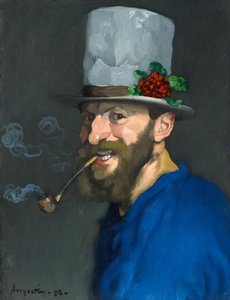
Louis Anquetin
1861 - 1932 , France
Основные сведения
- Artistic Movement Or Style: Cloisonnism & Rubensian Style
- Artists Or Movements Influenced By This Artist: ['Rubens']
- Artists Who Influenced This Artist:
- Henri Toulouse-Lautrec
- Fernand Cormon
- Vincent van Gogh
- Date Of Birth: 26 January 1861
- Date Of Death: 19 August 1932
- Full Name: Louis Émile Anquetin
- Nationality: French
- Notable Artworks:
- Avenue de Clichy: Five o’clock in the evening
- Femme à la Voilette
- Le Pont Neuf
- Place Of Birth: Etretat, France
Похожие статьи
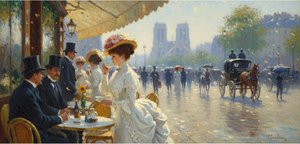
Impressionistic Realism's Finest: 10 Masterpieces for Your Home | ArtsDot
Journey through Impressionistic Realism with 10 iconic masterpieces by Monet, Renoir & Van Gogh. Explore art history, techniques & find museum-quality reproductions for your home at ArtsDot.com. Discover all masterpieces online!
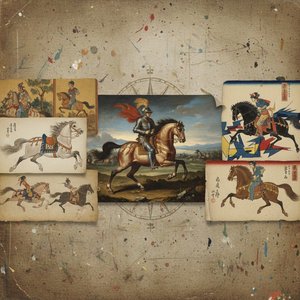
The Noble Steed on Canvas: A Historical & Artistic Exploration of Horse Painting Across Cultures
Explore the rich history of horse painting! Discover masterpieces from Stubbs to Munnings & learn about symbolism, techniques & artists. Find museum-quality reproductions at ArtsDot.

Топ-25 шедевров Ренуара: искусство, история и вдохновение для интерьера
Погрузитесь в мир Ренуара! 🎨 Откройте топ-25 шедевров импрессионизма, историю создания картин и вдохновляющую красоту. Купите репродукции высокого качества для вашего интерьера на ArtsDot.com – музейное искусство онлайн!

Топ-10 шедевров импрессионизма: пейзажи, изменившие искусство | ArtsDot
Погрузитесь в мир импрессионизма! Откройте 10 шедевров Моне, Ренуара и других великих художников. Узнайте историю создания культовых пейзажей и вдохновитесь для декора вашего дома. Репродукции картин высокого качества на ArtsDot.com.
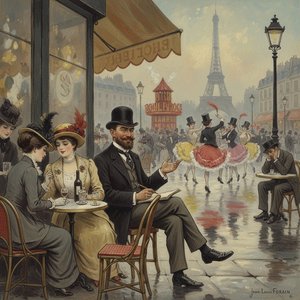
Jean-Louis Forain: Capturing Parisian Life with Wit & Realism
Explore the captivating world of Jean-Louis Forain, a master Impressionist chronicler of Belle Époque Paris. Discover his satirical paintings, realistic scenes & lasting legacy. Learn about collecting Forain's art today!