

 Предпросмотр
 Поделиться
 Поделиться
 Детали произведения

 Скачать
 Похожие работы
 Рентгенография
 Слайд-шоу
 Статистика
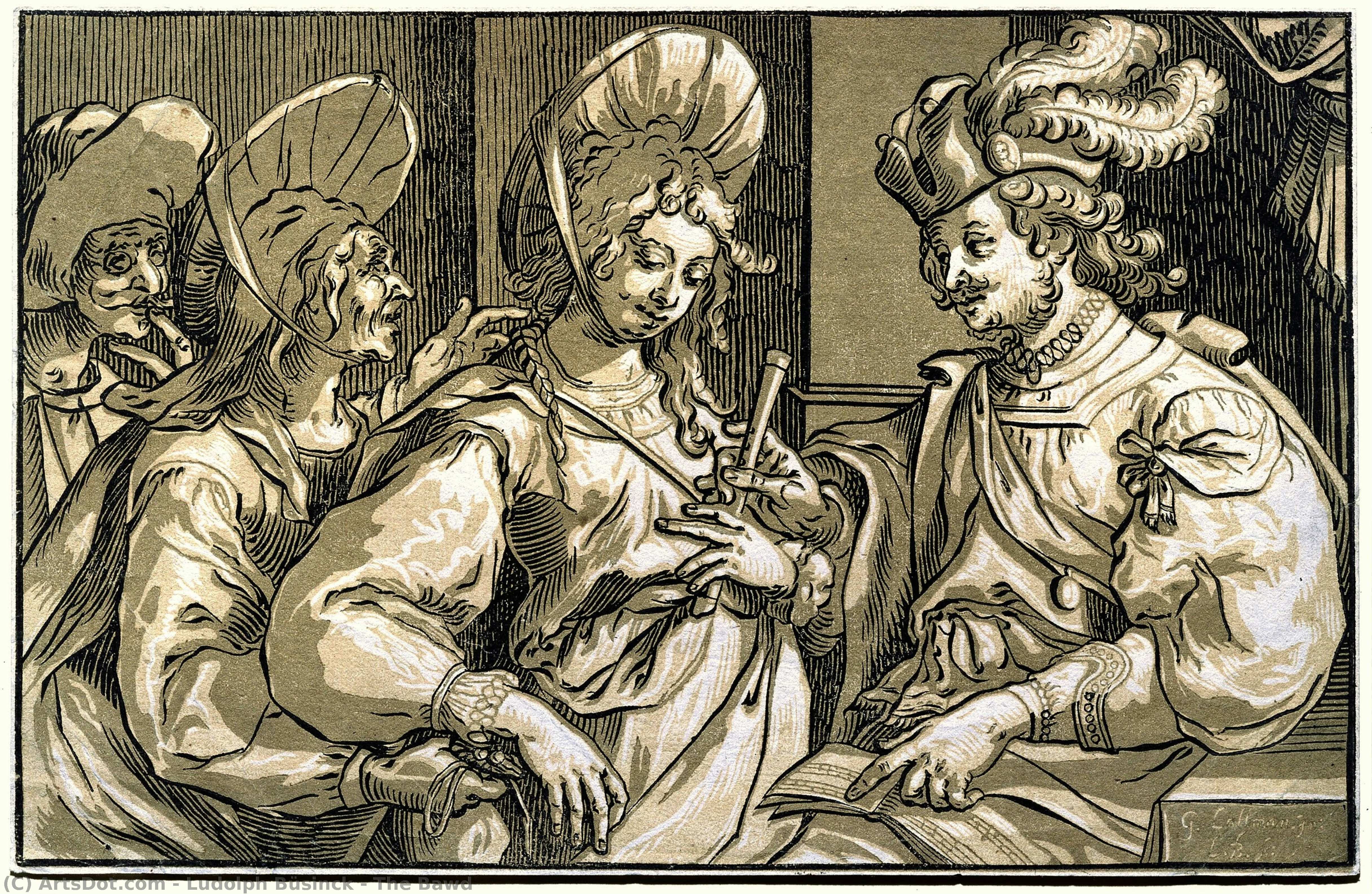
The Bawd
 Woodcut
- Baroque
 Early Modern
 342.0 x 221.0 cm
 Kunstpalast
 Читать далее
Жикле / Арт-принт
Печать (жикле) или холст музейного качества с быстрыми сроками изготовления и широким выбором вариантов отделки. ( Купить картину ручной работы Перейти к цифровым изображениям)




P118B $10

P118H $10

P118W $10

P438Z $10

P508JH $12

P508YH $12

P805H $10

P805Z $10

P919BZ $10

P919G $10

P919XJ $10

P959ZH $10

P968JZ $12

W106C $8

W218G $10

W218JH $8

W218Y $10

W307PJ $10

W316G $10

W316PJ $8

W316Y $10

W398PJ $8

W4111J $10

W500HY $15

W500JH $15

W692G $12

W849H $8

W940BG $15

W953PJ $8




Выберите один из наших стандартных размеров, соответствующих оригинальным пропорциям произведения искусства.

Вы можете указать свои собственные размеры, чтобы репродукция идеально подошла под конкретную раму или пространство. Если выбранный вами размер не будет соответствовать пропорциям оригинала, мы либо обрежем произведение, либо дополним изображение зеркальным отражением краев или однотонной заливкой. Перед началом производства вам будет отправлен цифровой макет для утверждения.
Пожалуйста, обратите внимание, что предварительный просмотр на экране не отображает фактическую обрезку или расширение изображения. Только макет точно покажет финальную композицию.
Несмотря на возможность заказа индивидуальных размеров, мы рекомендуем выбирать размер из предопределенного списка, чтобы сохранить оригинальные пропорции.
Доставка по всему миру () за 2 недели вместо стандартных 4/5 недель. (12 Сентябрь)

Бесплатная экспресс-доставка по всему миру

Высококачественный льняной холст

Полное страхование доставки

Гарантия возмещения таможенных пошлин

Гарантия точного соответствия цветов

100-дневная политика возврата (только при обнаружении дефектов)

Гарантия возврата 100% средств

Предложение оптовых скидок
 Вариант со стеклом доступен только для размеров менее 110 см

The Bawd
Жикле / Арт-принт
Размер репродукции
-


Итоговая стоимость
$ 62
A Glimpse into the Shadows of the Seventeenth Century
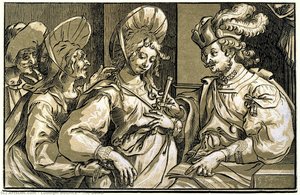
In the evocative woodcut The Bawd, we are transported to the dimly lit, bustling social undercurrents of early seventeenth-century Europe. Created by the German master Ludolph Büsinck during his influential years in Paris between 1623 and 1630, this work serves as a profound window into a world of clandestine encounters and social complexity. The scene unfolds with a dramatic tension, capturing a moment within a lively gathering where figures draped in ornate, fancy clothing interact amidst an atmosphere of whispered secrets. Through the masterful use of light and shadow, Büsinck invites the viewer to peer into a private realm, where the boundaries between high society and the gritty reality of street life begin to blur.
The composition is anchored by a captivating interplay of characters, ranging from a seated figure on the left to individuals positioned with deliberate intent across the frame. The presence of elderly women in the background, watching over the central young couple, adds a layer of narrative depth and social commentary, suggesting themes of surveillance, experience, and the cyclical nature of human desire. This arrangement creates a sense of theatricality, as if each figure is playing a vital role in a larger, unfolding drama of temptation and observation.
The Mastery of Chiaroscuro and Technique
What truly distinguishes this work is Büsinck’s pioneering application of the chiaroscuro technique within the medium of woodcutting. While many of his contemporaries focused on line, Büsinck sought to replicate the tonal depth and dramatic luminosity found in painting. By layering different tones, he achieved a sculptural quality that gives the figures a palpable presence, making the textures of their heavy, decorative garments feel almost touchable. This approach draws heavily from the Dutch tradition and the influence of Caravaggio, utilizing stark contrasts between deep blacks and bright highlights to direct the eye and evoke a sense of mystery.
For the discerning collector or interior designer, this piece offers an unparalleled aesthetic versatility. The monochromatic palette of the woodcut provides a sophisticated, timeless elegance that complements both classical and contemporary decor. Its ability to command attention through tonal richness rather than color makes it a perfect focal point for a study, a library, or a formal gallery space, where its historical weight can be fully appreciated.
Historical Resonance and Emotional Depth
Beyond its technical brilliance, The Bawd carries a profound emotional resonance. It captures the zeitgeist of an era caught between the rigid structures of the Renaissance and the burgeoning realism of the Baroque. The subject matter—reminant of the Dutch genre scenes depicting panderers and brothel life—challenges the viewer to confront the complexities of human morality and social hierarchy. There is a palpable sense of voyeurism in the work; we are not merely observers, but silent participants in this clandestine social ritual.
Owning a high-quality reproduction of such a significant piece means preserving a fragment of art history. It is an invitation to contemplate the shadows of the past and to bring into one's home a work that celebrates the enduring power of storytelling through light. Whether viewed as a masterpiece of German printmaking or a captivating study of human character, The Bawd remains a hauntingly beautiful testament to the artistry of Ludolph Büsinck.
Похожие произведения
Биография художника
The Master of Light and Shadow: The Life of Ludolph Büsinck
In the vibrant, shifting artistic landscape of the seventeenth century, few names evoke the dramatic interplay of light and darkness as poignantly as Ludolph Büsinck. Born in the German town of Hann. Münden during the final decade of the sixteenth century, Büsinck emerged as a transformative figure whose reach extended far beyond his Germanic roots. While his early years were likely shaped by the rigorous traditions of the German Renaissance and perhaps even the burgeoning artistic schools of the Netherlands, it was his migration to Paris that would forever alter the course of printmaking history. Between 1623 and 1630, Büsinck breathed new life into the French art scene, introducing a level of tonal complexity that had previously been unseen in the medium of wood engraving.
Büsinck’s arrival in Paris marked the beginning of a revolutionary era for the chiaroscuro woodcut. Before his influence took hold, much of the period's printmaking relied heavily on line and contour; however, Büsinck sought to replicate the profound luminosity and sculptural depth found in oil painting. By layering different tones through meticulous cutting techniques, he achieved a sense of volume and atmosphere that allowed figures to emerge from the shadows with a palpable, breathing presence. This innovation was not merely a technical feat but a stylistic revolution, as he successfully translated the dramatic tenebrism of masters like Caravaggio into the much more accessible and reproducible medium of the woodcut.
A Legacy of Innovation and Collaboration
The brilliance of Büsinck’s work was often amplified by his ability to collaborate with the finest creative minds of his era. His Parisian tenure was characterized by a profound spirit of artistic exchange, most notably through his relationship with the painter Georges Lallemand. Many of Büsinsck's most celebrated woodcuts were based on Lallemand’s drawings, creating a seamless marriage between fluid draftsmanship and bold, tonal engraving. This synergy allowed for a narrative depth that captured both the elegance of high society and the gritty, visceral reality of street life. Whether depicting religious devotion or the bustling social undercurrents of a tavern, Büsinck’s prints possessed a theatricality that drew the viewer into a world of whispered secrets and sudden revelations.
Beyond his technical mastery, the subject matter of his oeuvre reflects the complex social tapestry of the seventeenth century. His works often explored a wide spectrum of human experience, including:
- Religious Iconography: Devotional scenes that utilized stark contrasts to evoke spiritual awe and contemplation.
- Social Narratives: Evocative depictions of peasants, musicians, and beggars, capturing the raw textures of everyday life.
- Genre Scenes: Intricate compositions such as The Bawd, which offer a window into the clandestine encounters and social complexities of the age.
- Portraiture and Character Studies: Images of cavaliers and figures in ornate, heavy garments that showcase his ability to render texture and light.
Historical Significance and Enduring Influence
Though Büsinck eventually returned to Hann. Münden—where he transitioned from the life of an artist to that of a respected merchant and customs official—his impact on the trajectory of European printmaking remained indelible. He is historically recognized as the pioneer who brought the chiaroscuro technique to France, setting a precedent for future generations of engravers to pursue tonal depth over mere line. His ability to bridge the gap between the Dutch tradition of Hendrick Goltzius and the French aesthetic sensibility helped create a new visual language for the Baroque period.
Today, the legacy of Ludolph Büsinck is preserved in the hallowed halls of the world's most prestigious institutions. From the British Museum and the Ashmolean Museum to the Cleveland Museum of Art and the Louvre, his prints continue to captivate scholars and art lovers alike. His work remains a testament to the power of innovation—a reminder of a time when a single artist, armed with a knife and a block of wood, could redefine how the world perceives light, shadow, and the human condition.
ludolph büsinck
1669 , Germany
Основные сведения
- Artistic Movement Or Style: Chiaroscuro woodcut
- Artists Or Movements Influenced By This Artist: ['Hendrick Goltzius']
- Artists Who Influenced This Artist:
- Hans Burgkmair
- Georges Lallemand
- Date Of Death: 1669
- Full Name: Ludolph Büsinck
- Nationality: German
- Notable Artworks: ['Moses with the Tablets of the Law']
- Place Of Birth: Hann. Münden, Germany
Похожие статьи
Chiaroscuro & Beyond: Exploring Dramatic Light & Shadow in Art History
Explore the captivating history of chiaroscuro – from Renaissance origins to Caravaggio & Rembrandt's mastery. Discover how light and shadow shaped art, and its enduring influence today.
Chiaroscuro & Emotional Resonance: Exploring Dramatic Light in Western Painting
Explore the captivating world of chiaroscuro & tenebrism! Discover Caravaggio's influence, Baroque masters, and the enduring power of dramatic lighting in art history. Learn about these techniques with ArtsDot.
Шедевры XVII века: Топ-10 картин для вдохновения и декора от ArtsDot
Погрузитесь в мир искусства XVII века! От Рембрандта до Вермеера – 10 шедевров барокко и фламандской живописи. Узнайте истории великих художников и вдохновитесь для декора вашего интерьера. Репродукции картин премиум-качества на ArtsDot.com
The Power of Narrative Tension: Exploring Dramatic Scenes in Art History
Explore the captivating power of dramatic scenes in art history. Discover Baroque masters like Ribera & Caravaggio, learn about chiaroscuro techniques, and gain insights for building a powerful art collection with ArtsDot.
10 Шедевров Немецкого Экспрессионизма: Искусство Эмоций и Вдохновения | ArtsDot
Погрузитесь в мир немецкого экспрессионизма! Узнайте истории создания шедевров Мунка, Кирхнера, Кандинского и других великих художников. Репродукции картин высокого качества для вашего интерьера на ArtsDot.com. Откройте всю коллекцию онлайн!