

 Предпросмотр
 Поделиться
 Поделиться
 Детали произведения

 Скачать
 Похожие работы
 Рентгенография
 Слайд-шоу
 Статистика
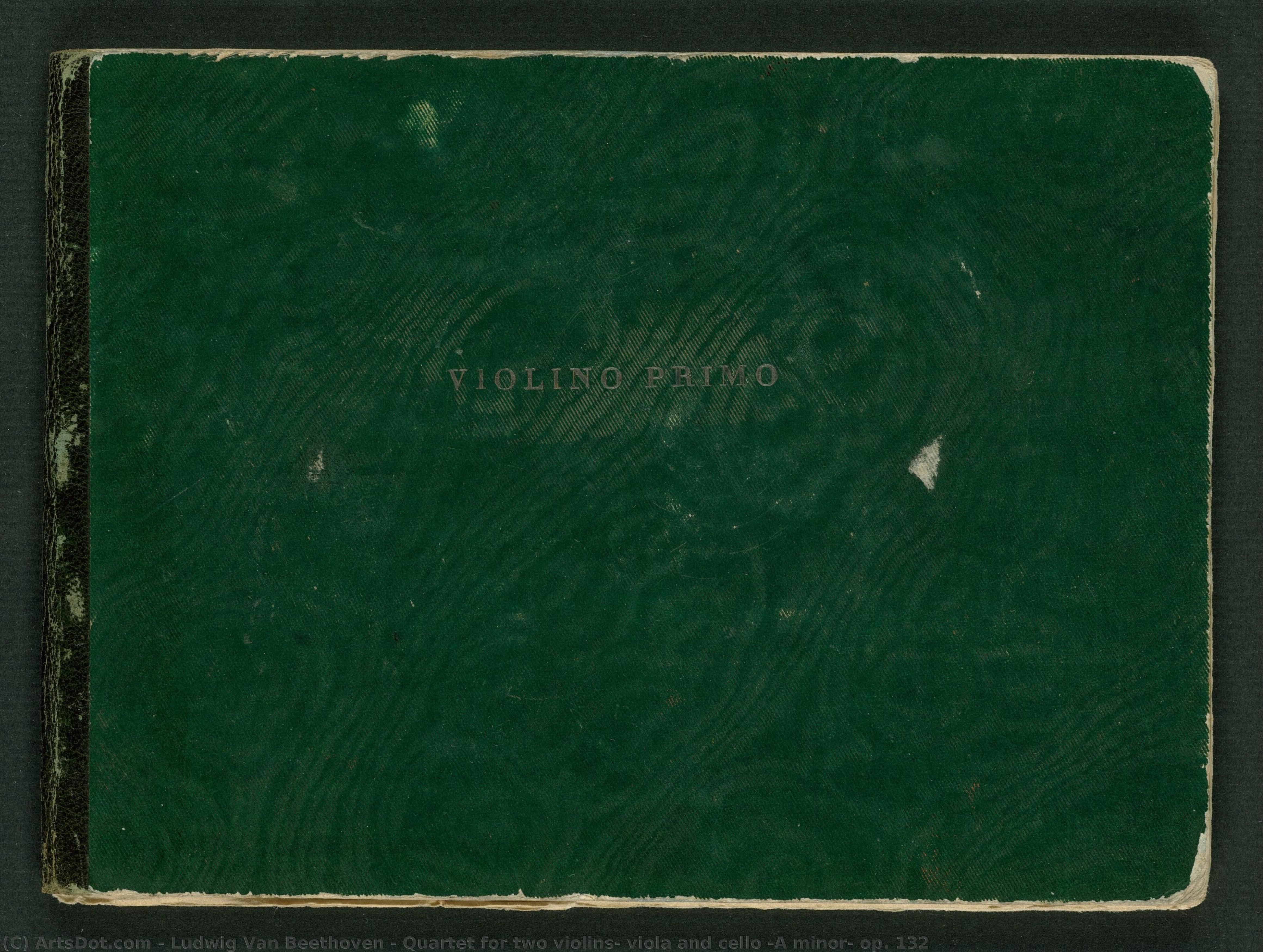
Quartet for two violins, viola and cello (A minor) op. 132
 Acrylic On Canvas
- WallArt
- Romanticism
 1825
1825 15.0 x 20.0 cm
 Бейтовен-хаус Бонн
 Читать далее
Масляная репродукция ручной работы
Картина маслом на холсте в выбранном вами размере и раме, написанная на заказ нашими художниками. ( Перейти к печати Перейти к цифровым изображениям)




P118B $10

P118H $10

P118W $10

P438Z $10

P508JH $12

P508YH $12

P805H $10

P805Z $10

P919BZ $10

P919G $10

P919XJ $10

P959ZH $10

P968JZ $12

W106C $8

W218G $10

W218JH $8

W218Y $10

W307PJ $10

W316G $10

W316PJ $8

W316Y $10

W398PJ $8

W4111J $10

W500HY $15

W500JH $15

W692G $12

W849H $8

W940BG $15

W953PJ $8




Выберите один из наших стандартных размеров, соответствующих оригинальным пропорциям произведения искусства.

Вы можете указать собственные размеры, чтобы картина идеально вписалась в выбранную раму или пространство. Если выбранный вами размер не соответствует пропорциям оригинала, мы либо обрежем полотно, либо расширим его за счет дополнительных элементов, написанных вручную. Цифровой макет будет отправлен вам на утверждение перед началом производства.
Обратите внимание, что предварительный просмотр на экране не отражает фактическую обрезку или расширение. Только макет точно покажет окончательную композицию.
Хотя доступны индивидуальные размеры, мы рекомендуем выбирать вариант из предопределенного списка, чтобы сохранить исходные пропорции.
После оформления заказа команда ArtsDot.com свяжется с клиентом по электронной почте для уточнения деталей и предоставит предварительный макет
Доставка по всему миру () за 3–4 недели вместо стандартных 5 недель. (10 Сентябрь). Без компромиссов в качестве.

Бесплатная экспресс-доставка по всему миру

Высококачественный льняной холст

Полное страхование доставки

Гарантия возмещения таможенных пошлин

Гарантия точного соответствия цветов

100-дневная политика возврата (только при обнаружении дефектов)

Гарантия возврата 100% средств

Предложение оптовых скидок
 Вариант со стеклом доступен только для размеров менее 110 см

Quartet for two violins, viola and cello (A minor) op. 132
Техника репродукции
Размер репродукции
-


Итоговая стоимость
$ 263
The Tempestuous Heart of Beethoven’s Quartet
Ludwig van Beethoven's String Quartet No. 15 in A minor, Op. 132, stands as a profound testament to the composer’s evolving inner world during his late period—a time marked by increasing deafness and an intense grappling with mortality, faith, and the very nature of artistic expression. Completed in 1825, just months before his death, this quartet isn't merely a collection of musical notes; it’s a deeply personal narrative etched into sound, a conversation between darkness and light, despair and hope. The work was dedicated to Count Nikolai Galitzin, an amateur cellist who provided Beethoven with crucial financial support during his struggles.
The quartet's genesis is shrouded in intriguing circumstances. Initially conceived as a four-movement piece, Beethoven abruptly abandoned this plan, driven by a debilitating illness that left him weakened and struggling to articulate his musical vision. From the fragments he salvaged, he meticulously crafted a five-movement work, transforming what might have been a more conventional set of sonata cycles into something far richer and more emotionally complex. This process reflects Beethoven’s characteristic willingness to dismantle established forms and rebuild them according to his own unique sensibilities—a hallmark of his genius.
A Language of Contrasts: Structure and Technique
Structurally, the quartet is a masterclass in dramatic tension and shifting perspectives. The first movement, “Assai sostenuto – Allegro,” immediately establishes a brooding atmosphere with its stark opening motif—a pair of closely spaced semitones followed by a leap—that recurs throughout the work like a haunting refrain. This insistent figure, derived from the harmonic minor scale, foreshadows the quartet’s pervasive sense of unease and struggle. The movement unfolds through three distinct expositions, each expanding upon the initial theme in increasingly complex ways, culminating in a turbulent coda that seems to wrestle with an unresolved conflict.
The second movement offers a brief respite, shifting to A major and employing a gentle triple meter. However, even here, Beethoven introduces subtle dissonances and shifts in texture, hinting at the underlying darkness that permeates the quartet. The centerpiece of the work is undoubtedly the fourth movement, “Allegro appassionato,” a searingly dramatic exploration of grief and redemption. This movement’s passionate intensity—a whirlwind of swirling melodies and driving rhythms—is balanced by moments of profound melancholy, creating a powerful emotional arc.
Symbolism and Emotional Resonance
Beyond its formal structure, the quartet is laden with symbolic meaning. The recurring motif in the first movement has been interpreted as representing the composer’s own struggle against deafness, while the shift to A major in the second movement suggests a fleeting glimpse of hope amidst despair. The “Heiliger Dankgesang” (Holy Song of Thanksgiving) – the centerpiece of the fourth movement – embodies Beethoven's profound sense of gratitude for survival and his yearning for spiritual solace. It’s a deeply personal expression of faith, born from the crucible of suffering.
The quartet’s emotional impact is undeniably powerful. It evokes a range of feelings—from anguish and despair to hope and transcendence—and invites listeners to contemplate the complexities of human existence. The work's raw honesty and vulnerability resonate deeply, making it one of Beethoven’s most enduringly beloved compositions.
A Legacy in Reproduction
Reproductions of this masterpiece capture not only its visual representation but also the essence of Beethoven’s profound emotional journey. The meticulous detail of each brushstroke, mirroring the composer's own dedication to precision and artistry, brings the music to life on canvas. Whether displayed as a statement piece in a grand salon or cherished within a smaller space, a high-quality reproduction of Beethoven’s Quartet offers an intimate connection to one of history’s greatest musical minds—a reminder of the enduring power of art to illuminate the human spirit.
Похожие произведения
Биография художника
Ранние годы и музыкальные истоки
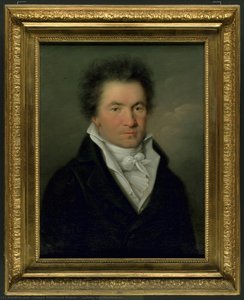
Людвиг ван Бетховен, прославленный немецкий композитор и пианист, родился в 1770 году в Бонне, Германия. Проявив исключительный музыкальный талант еще в раннем детстве, он начал обучение у различных мастеров, прежде чем переехать в Вену — город, который стал его домом на большую часть жизни.Музыкальные инновации и испытание глухотой
Несмотря на то что на протяжении большей части своей карьеры Бетховен страдал от прогрессирующей глухоты, он продолжал творить, создавая одни из самых знаковых шедевров классической музыки, включая Симфонию № 9 и Лунную сонату. Его новаторские композиции мастерски сочетали вокальные и инструментальные партии, рождая уникальное звучание, которое на протяжении столетий оказывало глубокое влияние на бесчисленное множество музыкантов.Ключевые произведения и наследие
К числу наиболее выдающихся работ Бетховена относятся:- Соната для фортепиано и виолончели (ля мажор), ор. 69, первая часть (доступна на ArtsDot.com)
- Манускрипт Бетховена к Missa Solemnis (можно увидеть на Wikipedia)
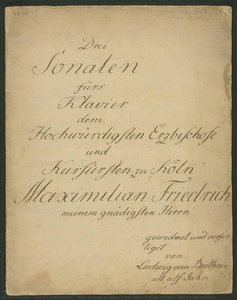
- Три фортепианные сонаты Op. 1, созданные при покровительстве князя Карла Алоиса Лихновского
Влияние и признание
Величайшим достижением Бетховена стало возвышение инструментальной музыки, которая до того времени считалась второстепенной по отношению к вокальной, до высочайшего уровня истинного искусства. Его влияние на классическую музыку неизмеримо: его произведения входят в число самых исполняемых в мировом репертуаре. Изучите больше работ Бетховена на ArtsDot.com: Людвиг ван Бетховен | 30 произведений искусства Узнайте больше о жизни и музыке Бетховена на Wikipedia: Людвиг ван Бетховен — Википедия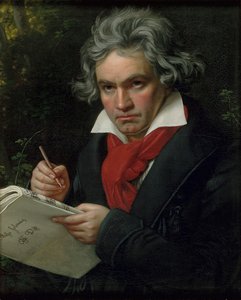
Людвиг Ван Бетховен
1770 - 1827 , Германия
Основные сведения
- Artistic Movement Or Style: Классицизм, Романтизм
- Artists Or Movements Influenced By This Artist:
- Иоганнес Брамс
- Роберт Шуман
- Artists Who Influenced This Artist:
- Йозеф Гайдн
- Кристиан Готтлоб Шульце
- Date Of Birth: 1770, Бонн, Германия
- Date Of Death: 1827, Вена, Австрия
- Full Name: Людвиг ван Бетховен
- Nationality: Немец
- Notable Artworks:
- Лунная соната
- Симфония № 9
- Place Of Birth: Бонн, Германия
Похожие статьи
The Enduring Legacy of Classicism: Principles, Evolution & Influence in Western Art
Explore the enduring legacy of Classicism in Western art! Discover its historical context, key principles, iconic masterpieces & lasting influence. Learn about Renaissance and Neoclassical movements with ArtsDot.
Harmonies on Canvas: Exploring the Visual Representation of Music in Art History
Explore the fascinating history of music's visual representation in art! From ancient symbolism to modern abstraction, discover how artists have captured sound and emotion on canvas. Expert insights & stunning examples.
10 Шедевров Неоклассицизма: Искусство, Определившее Эпоху | ArtsDot
Погрузитесь в мир неоклассицизма! 10 шедевров от Давида, Канновы и других великих художников. Узнайте историю создания культовых картин и вдохновитесь для интерьера. Репродукции музейного качества на ArtsDot.com

The Enduring Legacy of Classical Style: Form, Narrative & Influence in Art
Explore the enduring legacy of classical art – from ancient Greece & Rome to Neoclassicism. Discover key artists, philosophical roots & build a timeless collection with ArtsDot's expert guidance.
Timeless Resonance: Exploring Classic Vibe in Art – A Historical & Aesthetic Analysis
Explore the rich history & enduring aesthetic of Classicism art! Discover key movements, iconic artists like Raphael & David, and its lasting influence on Western art. Deepen your appreciation today.