

 Предпросмотр
 Поделиться
 Поделиться
 Детали произведения

 Скачать
 Похожие работы
 Рентгенография
 Слайд-шоу
 Статистика
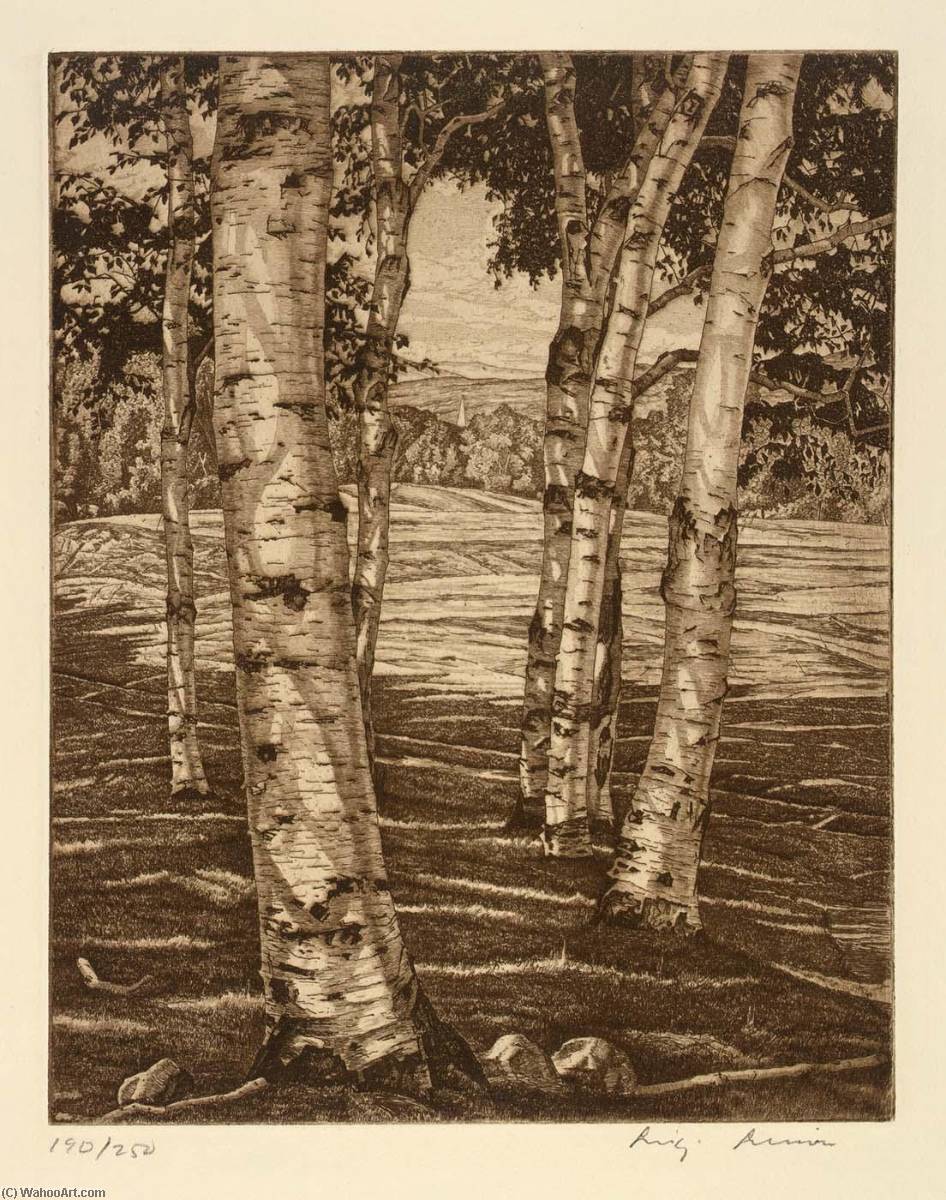
Birches and Beyond
 Contemporary Realism
 1974
1974 40.0 x 33.0 cm
 Читать далее
Приобретите цифровое изображение высокого разрешения в улучшенном качестве, которое значительно превосходит онлайн-превью.
Каждый файл тщательно подготавливается нашими специалистами с использованием передовых инструментов и экспертной ручной ретуши. Мы гарантируем исключительную четкость, точную цветопередачу и детальную проработку каждого изображения.
Финальный файл доставляется по электронной почте в течение 72 часов и оптимизирован для немедленного использования в профессиональной среде, при верстке и печати. Это тот же уровень качества, которому доверяют ведущие дизайнерские студии, издательства и галереи.
Цифровое изображение
Скачайте файл высокого разрешения для личного использования, печати и творческих проектов. ( Перейти к печати Купить картину ручной работы)
Включено в каждый заказ цифровых изображений
Гарантия экспертной цифровой доставки
Выбирая ArtsDot.com, вы получаете не просто изображение — вы приобретаете профессионально обработанное цифровое произведение искусства, созданное с безупречной точностью и под защитой гарантии качества. Вот всё, что автоматически входит в ваш заказ:

Мгновенная доставка по e-mail
Ваш цифровой файл в высоком разрешении будет отправлен вам по электронной почте в течение 72 часов после оформления заказа — и сразу станет доступен для использования.

Цифровой файл с ИИ-улучшением
Ваше произведение искусства проходит профессиональную оптимизацию с использованием передовых инструментов ИИ и ручной обработки, что гарантирует максимальную детализацию, четкость и точность цветопередачи.

Бессрочная бесплатная повторная доставка
Случайно удалили или потеряли файл? Не беспокойтесь — мы отправим его вам повторно в любое время и совершенно бесплатно.

Без импортных пошлин — навсегда
Наслаждайтесь вашим произведением искусства мгновенно без таможенных пошлин, сборов или затрат на доставку — цифровые загрузки всегда не облагаются налогом.

Гарантия точности цветопередачи
Мы гарантируем, что ваше цифровое изображение максимально точно передает оригинальные цвета благодаря использованию профессиональных инструментов и систем управления цветом.

Гарантия удовлетворенности 100 дней
Если вы не будете удовлетворены своим цифровым изображением, мы внесем правки или вернем 100% стоимости в течение 100 дней — без лишних вопросов.

100% Гарантия возврата средств
Не удовлетворены покупкой? Получите полный возврат средств в течение 100 дней после получения цифрового файла — без лишних вопросов.

Скидки на оптовые заказы
Купите 3 изображения, сэкономьте 10% — Купите 5, сэкономьте 15% — Купите 10+, сэкономьте 20%. Отличное решение для творческих проектов, галерей и агентств.
Похожие произведения
Биография художника
A Life Rooted in Two Worlds: The Art of Luigi Lucioni
Luigi Lucioni, born Giuseppe Luigi Carlo Benevenuto Lucioni on November 4, 1900, embodied the poignant experience of the Italian immigrant striving for artistic expression in a new land. His story isn’t simply one of personal ambition, but a testament to the enduring power of memory, the pull of heritage, and the search for an American identity forged from Old World roots. Lucioni's early life unfolded in Malnate, Italy, a small town nestled amongst the foothills of the Alps near Milan. The landscape—a tapestry of hills and mountainsides—would become a recurring motif throughout his career, not merely as a subject but as a symbol of belonging and a source of profound emotional resonance. His family’s modest circumstances – a two-room apartment lacking basic comforts – instilled in him a deep appreciation for simplicity and the beauty found within everyday life. The weight of tradition was palpable; his parents, seeking to appease his grandmother's religious sensibilities, bestowed upon him a lengthy name invoking three saints, a gesture that foreshadowed the artist’s lifelong negotiation between personal vision and societal expectations. His mother, whom he affectionately called “La Bella Beati,” exerted a strong influence, instilling discipline and a sensitivity that would later inform his meticulous approach to painting.From Italy to America: Early Training and Artistic Awakening
The Lucioni family's emigration to the United States in 1911 marked a pivotal shift in young Luigi’s life. Settling in Union City, New Jersey, he witnessed firsthand the challenges and opportunities of immigrant life while his father resumed his trade as a coppersmith. Despite these hardships, Lucioni’s artistic inclinations persisted. He began formal training at Cooper Union, followed by studies at the National Academy of Design, supplementing his education with work as an illustrator. A crucial period in his development came with his fellowship to the Tiffany Foundation in Oyster Bay, Long Island. There, under the guidance of established artists like John Sloan and Kenneth Hayes Miller, he encountered a diverse range of artistic approaches and began to explore landscape painting—a genre that would become central to his oeuvre. This exposure broadened his horizons, yet it was a return trip to Italy in 1925 that solidified his artistic direction. Immersing himself in the masterpieces of the Renaissance, Lucioni absorbed the technical mastery and compositional principles that would characterize his work.The Rise of an American Still Life Master
Lucioni quickly gained recognition for his exquisitely rendered still lifes—compositions characterized by a remarkable attention to detail, luminous color palettes, and a sense of quiet dignity. Paintings like *Dahlias and Apples* (1931), which was acquired by the Metropolitan Museum of Art in 1932 – making him the youngest contemporary artist represented in their collection – established his reputation as a leading American painter. His success during the Depression era, when many artists struggled to find patronage, underscored his unique ability to connect with audiences through timeless themes and masterful technique. He didn’t merely depict objects; he imbued them with a sense of presence and symbolic weight, reflecting both personal memories and broader cultural values. This period also saw him exhibiting regularly at prestigious venues like the Carnegie International and the Corcoran Biennial, cementing his position within the American art world.Vermont and the Search for an American Arcadia
In 1930, Lucioni received a commission from Electra Havemeyer Webb to paint a landscape of Vermont as a wedding gift. This marked the beginning of a lifelong connection with the state’s rural beauty—a landscape that resonated deeply with his memories of northern Italy and offered him a sense of peace and belonging. He eventually purchased a farmhouse and barn near Manchester Depot, transforming the latter into a studio where he would spend the next fifty years creating art inspired by the surrounding countryside. Vermont became more than just a subject for Lucioni; it represented an idealized vision of America—a place where traditional values were preserved and the natural world remained untamed. His paintings from this period often evoke a sense of nostalgia, capturing the serenity and simplicity of rural life while simultaneously reflecting his own personal journey of assimilation and artistic fulfillment.Legacy and Historical Significance
Luigi Lucioni’s work stands as a testament to the enduring power of observation, the importance of cultural heritage, and the search for meaning in a rapidly changing world. His paintings—still lifes, landscapes, and portraits alike—are characterized by a remarkable technical skill, a luminous color palette, and a profound sense of emotional depth. He successfully bridged the gap between European tradition and American modernism, creating a unique artistic voice that resonated with audiences throughout his career. Lucioni’s legacy extends beyond his individual works; he represents a generation of Italian-American artists who enriched the cultural landscape of the United States while grappling with questions of identity, belonging, and the pursuit of the American dream. His art continues to inspire and captivate viewers today, offering a glimpse into a world where beauty, resilience, and memory converge.- Influences: Italian Renaissance masters, John Sloan, Kenneth Hayes Miller.
- Major Themes: Still life, landscape painting, portraits, the immigrant experience, rural American life.
- Key Achievements: Acquisition of *Dahlias and Apples* by the Metropolitan Museum of Art (1932), recognition as a leading American still life painter, establishment of a studio in Vermont.
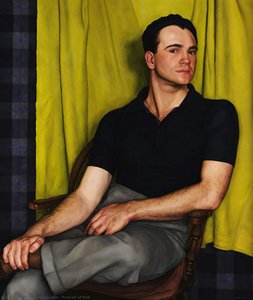
luigi lucioni
1900 - 1988
Основные сведения
- Artistic Movement Or Style: Still life, Landscape
- Date Of Birth: November 4, 1900
- Date Of Death: July 22, 1988
- Full Name: Luigi Lucioni
- Nationality: Italian-American
- Notable Artworks:
- Portrait of Bob
- Birches and Beyond
- Restful Ruins
- Place Of Birth: Malnate, Italy