

 Поделиться
 Поделиться
 Детали произведения

 Скачать
 Похожие работы
 Слайд-шоу
 Статистика
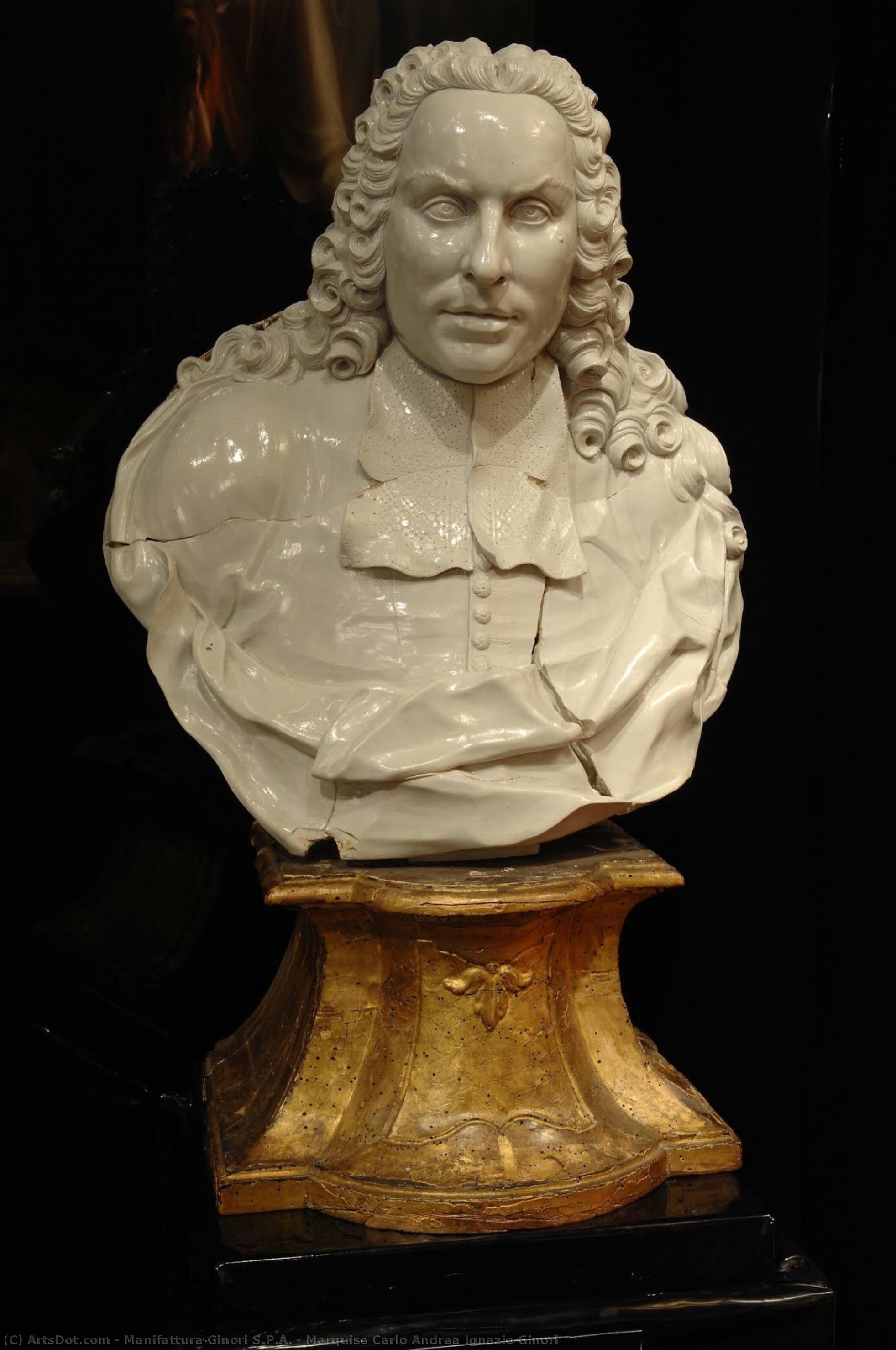
Marquise Carlo Andrea Ignazio Ginori
 Ceramic
- Sculpture
- Neoclassicism
 Early Modern
 53.0 x 56.0 cm
 Biennale Internazionale dell'Antiquariato di Firenze
 Читать далее
Жикле / Арт-принт
Печать (жикле) или холст музейного качества с быстрыми сроками изготовления и широким выбором вариантов отделки. ( Купить картину ручной работы Перейти к цифровым изображениям)




































Выберите один из наших стандартных размеров, соответствующих оригинальным пропорциям произведения искусства.

Вы можете указать свои собственные размеры, чтобы репродукция идеально подошла под конкретную раму или пространство. Если выбранный вами размер не будет соответствовать пропорциям оригинала, мы либо обрежем произведение, либо дополним изображение зеркальным отражением краев или однотонной заливкой. Перед началом производства вам будет отправлен цифровой макет для утверждения.
Пожалуйста, обратите внимание, что предварительный просмотр на экране не отображает фактическую обрезку или расширение изображения. Только макет точно покажет финальную композицию.
Несмотря на возможность заказа индивидуальных размеров, мы рекомендуем выбирать размер из предопределенного списка, чтобы сохранить оригинальные пропорции.
Доставка по всему миру () за 2 недели вместо стандартных 4/5 недель. (13 Сентябрь)

Бесплатная экспресс-доставка по всему миру

Высококачественный льняной холст

Полное страхование доставки

Гарантия возмещения таможенных пошлин

Гарантия точного соответствия цветов

100-дневная политика возврата (только при обнаружении дефектов)

Гарантия возврата 100% средств

Предложение оптовых скидок
 Вариант со стеклом доступен только для размеров менее 110 см

Marquise Carlo Andrea Ignazio Ginori
Жикле / Арт-принт
Размер репродукции
-


Итоговая стоимость
$ 62
A Vision in Porcelain: The Legacy of Carlo Andrea Ginori
In the heart of Tuscany, where the rolling hills of Doccia meet the artistic spirit of Florence, a story of unparalleled elegance began in 1735. This is not merely the history of a manufactory, but a saga of aristocratic ambition and the pursuit of perfection. Marchese Carlo Andrea Ignazio Ginori, a visionary of the Grand Duchly of Tuscany, sought to do more than establish a business; he aimed to challenge the established porcelain giants of Germany and France by creating a uniquely Italian voice in ceramic art. The resulting masterpiece, the portrait bust of the Marchese himself, serves as a breathtaking testament to this era of innovation. This exquisite piece, likely modeled by the master Gaspare Bruschi, captures the very essence of the Manifattura Ginori spirit—a seamless blend of scientific inquiry and classical beauty.
The sculpture presents a striking portrait of the founder, rendered with a level of detail that transcends the medium of porcelain. The subject is depicted with the dignified poise of an aristocrat, wearing a meticulously sculpted wig with cascading curls and an elegant tie that flows with a lifelike movement. Every element, from the subtle buttons on his clothing to the wide mantel bearing the prestigious mark of the Order of Saint Stephen, speaks to a profound commitment to realism. The porcelain itself, possessing a delicate white hue with a faint, ethereal green tint characteristic of the factory's earliest production, lends an otherworldly luminosity to the figure. It is a work that does not merely represent a man, but immortalizes a moment in history through the delicate manipulation of clay.
Mastery of Form and Neoclassical Grace
To behold this bust is to witness the pinnacle of Neoclassical and Baroque influence. The technique employed by the artisans of Doccia was nothing short of miraculous, transforming fragile porcelain into a medium capable of mimicking the weight and texture of carved marble. The sculptor’s hand is evident in the intricate textures—the visible pores of the skin, the soft folds of the fabric, and the sharp, precise lines of the wig. This meticulous attention to detail creates a profound sense of depth and presence, making the figure appear as though it might breathe at any moment. For the discerning collector or interior designer, such a piece offers more than mere decoration; it provides a focal point of immense character and historical gravity.
Beyond its technical brilliance, the artwork carries a heavy symbolic weight. It represents power, status, and the enduring legacy of Italian ingenuity. The portrait serves as a bridge between the industrial achievement of the Ginori manufactory and the high art of Florentine sculpture. In a contemporary setting, a high-quality reproduction of this bust brings an air of old-world sophistication and intellectual depth to any space. Whether placed in a sunlit library or a grand formal hall, it invites contemplation on the nature of permanence and the beauty that arises when human passion meets masterful craftsmanship. It is an invitation to surround oneself with the echoes of a golden age, preserved forever in the delicate, enduring embrace of porcelain.
Похожие произведения




Биография художника
A Legacy Forged in Clay: The Enduring Story of Manifattura Ginori
The story of Manifattura Ginori S.p.A., a name synonymous with Italian porcelain artistry, is one that unfolds over nearly three centuries—a narrative woven with aristocratic vision, innovative technique, and an unwavering commitment to beauty. Founded in 1735 by Marchese Carlo Andrea Ginori near his villa in Doccia, nestled close to Florence, the manufactory wasn’t merely intended as a business venture; it was conceived as a testament to Italian ingenuity and a challenge to the established dominance of German and French porcelain production. Ginori's ambition extended beyond simply replicating existing styles. He sought to create something uniquely Italian, drawing inspiration from the rich artistic heritage of Florence and its celebrated sculptors.
Initially, Manifattura Ginori distinguished itself by producing porcelain versions of statuettes and small sculptures—replicas cast from earlier bronze works created by Florentine masters like Giovanni Battista Foggini and Massimiliano Soldani. This focus on sculptural forms set it apart from many contemporary factories primarily dedicated to tableware. The early success was fueled by innovative techniques pioneered under Ginori’s direction, establishing a reputation for excellence that quickly spread beyond the Tuscan hills. However, following the Marchese's death in 1757, the factory underwent a shift, gradually adopting more conventional wares and embracing stylistic influences from across Europe—particularly Germany and France—while still maintaining its commitment to quality.
Artistic Collaborations and the Flourishing of Style
Throughout its history, Manifattura Ginori benefited immensely from collaborations with a diverse array of artists. These partnerships infused the manufactory’s output with fresh perspectives and broadened its artistic scope. Names like Thomas Moran, William James Glackens, Gilbert Munger, and Jean-François Raffaelli became associated with Ginori, contributing to designs that ranged from intricate floral patterns to evocative landscapes. The factory's ability to translate complex compositions onto porcelain was particularly evident in pieces such as “Cappella del Succorpo (Cappella Carafa)” by Thomas Malvern (Malvico) and the ambitious reproduction of Caravaggio’s "The Flagellation of Christ," demonstrating a remarkable technical skill and artistic sensitivity. Beyond these specific commissions, works like Andrea Belvedere's delicate "Flowers", Arthur B. Davies’ atmospheric “On the Cliffs”, Jacopo Sansovino’s classical “St James” and Tino di Camaino’s graceful “Charity” showcase the breadth of Ginori’s aesthetic range.
These creations weren’t confined to private collections; they found their way into prestigious museums like the Museo Nazionale di Capodimonte and the Duomo della Vergine Assunta, solidifying Manifattura Ginori's place within the canon of European art. The factory wasn’t simply producing decorative objects; it was crafting pieces that were recognized for their artistic merit and historical significance.
Innovation in Materials and Technique
The technical achievements of Manifattura Ginori are as noteworthy as its artistic contributions. Around 1750, the factory transitioned to hard-paste porcelain production—a significant advancement that required mastering a complex process. The precise composition of the porcelain mixture – kaolin (50%), feldspar (25%), and quartz (25%) – was carefully guarded, reflecting the importance placed on quality control. The firing process itself was equally demanding, involving two distinct stages: bisque firing at 1000°C followed by glaze firing at a much higher temperature of 1400°C.
But it wasn’t just about the materials; it was also about the skill of the artisans who brought those materials to life. Techniques like decal application, gilding, airbrushing, and meticulous hand-painting were employed to enhance the porcelain's beauty, transforming a raw material into objects of exquisite refinement. This dedication to artisanal craftsmanship remained a hallmark of Manifattura Ginori throughout its long history.
From Aristocratic Enterprise to Modern Luxury
Manifattura Ginori’s story isn’t without its complexities. The factory's management, deeply rooted in aristocratic tradition, influenced its long-term strategies and organizational structure. While this approach fostered a commitment to quality and innovation, it also contributed to periods of financial instability. Despite its rich heritage, the company faced bankruptcy in 2013, a poignant moment that underscored the challenges facing traditional manufacturing in a rapidly changing global market.
However, the story didn’t end there. The acquisition by Gucci signaled a new chapter for the brand, recognizing the enduring appeal of its legacy and the potential to reposition it within the luxury goods sector. Today, the name “Ginori 1735” is proudly used, acknowledging the factory's long history while embracing a contemporary vision. Although the Museo Richard Ginori della Manifattura di Doccia remains temporarily closed to visitors as of 2019, its collection stands as a testament to the enduring influence of this remarkable Italian manufactory—a legacy forged in clay and destined to inspire for generations to come.
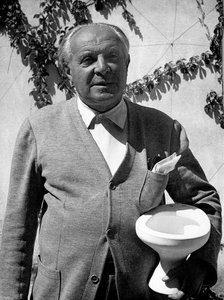
Manifattura Ginori S.p.A.
1735 - 2013 , Italy
Основные сведения
- Artistic Movement Or Style: Neoclassical, Ceramics
- Artists Or Movements Influenced By This Artist:
- Thomas Moran
- William Glackens
- Gilbert Munger
- Artists Who Influenced This Artist:
- Giovanni Battista Foggini
- Massimiliano Soldani
- Date Of Birth: 1735
- Date Of Death: 2013
- Full Name: Manifattura Ginori S.p.A.
- Nationality: Italian
- Notable Artworks:
- Cappella del Succorpo
- The Flagellation of Christ
- Flowers
- On the Cliffs
- St James
- Charity
- Place Of Birth: Sesto Fiorentino, Italy
Похожие статьи

Antonio Canova: Neoclassical Sculpture & the Pursuit of Emotional Perfection
Explore the life & art of Antonio Canova, the greatest Neoclassical sculptor. Discover his masterpieces, innovative techniques, and lasting influence on fine art collecting. Expert insights for discerning investors.

The Enduring Form: Sculpture Across History, Technique & Emotional Resonance
Explore the rich history of sculpture with ArtsDot. Discover key techniques, influential artists & investment potential for discerning collectors. Expert insights into valuing and collecting timeless masterpieces.

10 легендарных бронзовых шедевров, изменивших искусство | ArtsDot
Погрузитесь в мир великих бронзовых шедевров! От Давида Донателло до Мыслителя Родена – узнайте историю создания, технику и значение легендарных скульптур. Вдохновение для интерьера и музейное качество репродукций на ArtsDot.com.

10 легендарных бронзовых скульптур, изменивших искусство навсегда | ArtsDot
Погрузитесь в мир великих бронзовых скульптур! От Давида Микеланджело до работ Родена – история искусства, техники и вдохновения. Купите репродукции шедевров для вашего интерьера на ArtsDot.com

The Enduring Form: Exploring Themes & Techniques in Sculpture Across Historical Periods
Explore the rich history of sculpture from ancient masterpieces to contemporary innovations. Discover key techniques, influential artists & investment potential for discerning art collectors.