

 Предпросмотр
 Поделиться
 Поделиться
 Детали произведения

 Скачать
 Похожие работы
 Рентгенография
 Слайд-шоу
 Статистика
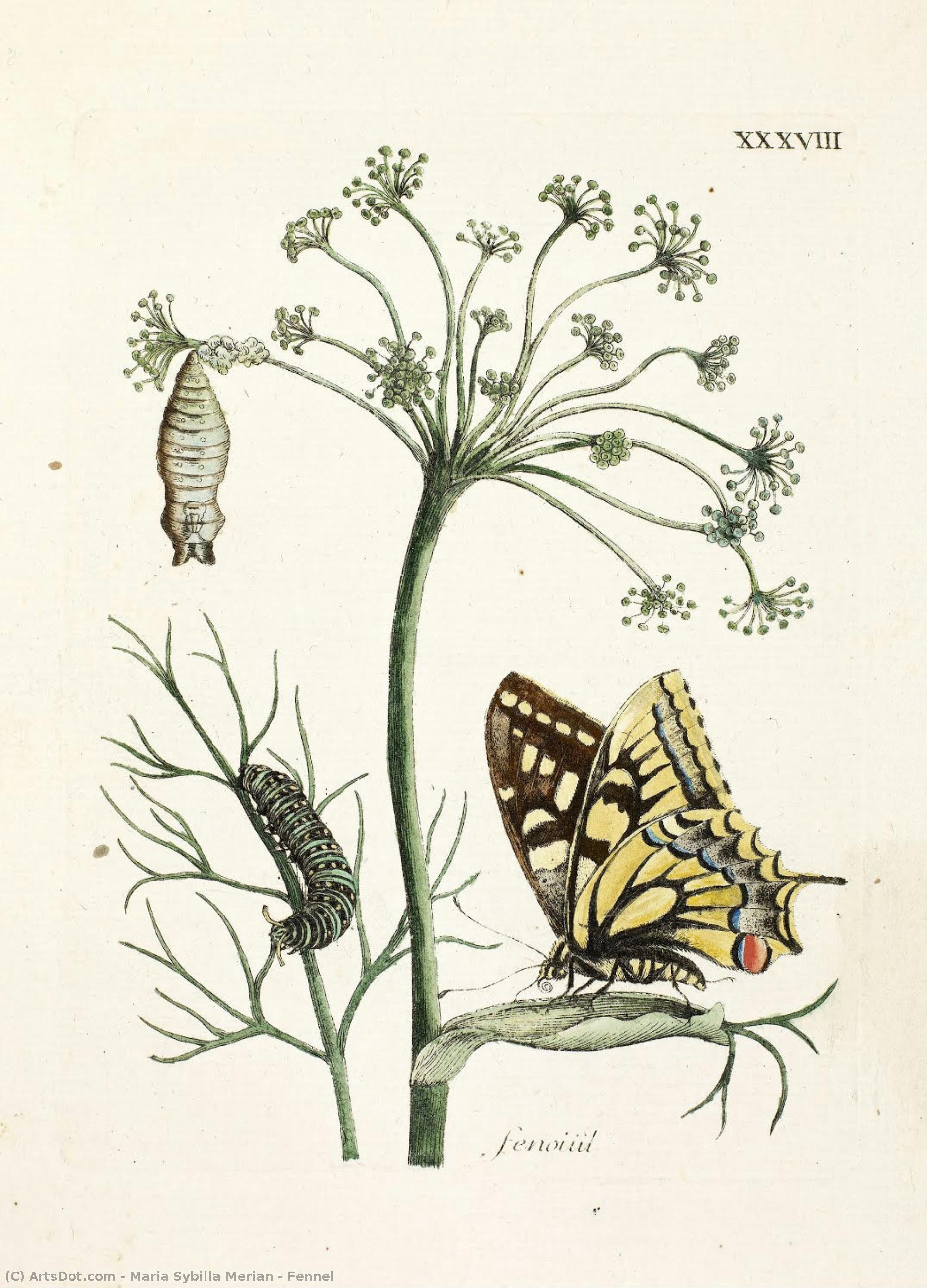
Fennel


 Читать далее
Жикле / Арт-принт
Печать (жикле) или холст музейного качества с быстрыми сроками изготовления и широким выбором вариантов отделки. ( Купить картину ручной работы Перейти к цифровым изображениям)




P118B $10

P118H $10

P118W $10

P438Z $10

P508JH $12

P508YH $12

P805H $10

P805Z $10

P919BZ $10

P919G $10

P919XJ $10

P959ZH $10

P968JZ $12

W106C $8

W218G $10

W218JH $8

W218Y $10

W307PJ $10

W316G $10

W316PJ $8

W316Y $10

W398PJ $8

W4111J $10

W500HY $15

W500JH $15

W692G $12

W849H $8

W940BG $15

W953PJ $8




Выберите один из наших стандартных размеров, соответствующих оригинальным пропорциям произведения искусства.

Вы можете указать свои собственные размеры, чтобы репродукция идеально подошла под конкретную раму или пространство. Если выбранный вами размер не будет соответствовать пропорциям оригинала, мы либо обрежем произведение, либо дополним изображение зеркальным отражением краев или однотонной заливкой. Перед началом производства вам будет отправлен цифровой макет для утверждения.
Пожалуйста, обратите внимание, что предварительный просмотр на экране не отображает фактическую обрезку или расширение изображения. Только макет точно покажет финальную композицию.
Несмотря на возможность заказа индивидуальных размеров, мы рекомендуем выбирать размер из предопределенного списка, чтобы сохранить оригинальные пропорции.
Доставка по всему миру () за 2 недели вместо стандартных 4/5 недель. (11 Сентябрь)

Бесплатная экспресс-доставка по всему миру

Высококачественный льняной холст

Полное страхование доставки

Гарантия возмещения таможенных пошлин

Гарантия точного соответствия цветов

100-дневная политика возврата (только при обнаружении дефектов)

Гарантия возврата 100% средств

Предложение оптовых скидок
 Вариант со стеклом доступен только для размеров менее 110 см

Fennel
Жикле / Арт-принт
Размер репродукции
-


Итоговая стоимость
$ 62
A Window Into Transformation: Exploring Maria Sibylla Merian’s “Fennel”
Maria Sibylla Merian (1647-1717) stands as an unparalleled figure in the annals of scientific illustration—a woman who defied societal expectations and revolutionized our understanding of the natural world through meticulous observation and breathtaking artistry. Her legacy extends far beyond mere visual representation; it embodies a profound commitment to knowledge, courageously venturing into uncharted territories both geographically and intellectually during the Baroque era. This essay delves into Merian’s seminal work, “Fennel,” examining its stylistic nuances, technical prowess, historical significance, and enduring emotional resonance.Botanical Precision Meets Artistic Vision
“Fennel” exemplifies Merian's signature approach—a harmonious blend of scientific rigor and artistic sensitivity. Executed in watercolor on paper around 1675, the illustration captures a single fennel plant (Foeniculum vulgare) alongside its larval caterpillar stage. Unlike many contemporary depictions prioritizing idealized beauty, Merian prioritized accuracy, painstakingly documenting every detail of the plant’s anatomy—the branching stems, delicate leaves adorned with serrated edges, and tiny florets poised to release pollen. This dedication to botanical realism is paramount, reflecting Merian's belief that understanding the natural world required meticulous observation and detailed representation. Yet, it wouldn’t be Merian without her masterful artistic touch; she skillfully rendered the caterpillar in exquisite detail, capturing its segmented body and striped pattern with remarkable precision—a testament to her ability to transform scientific data into captivating visual narratives.The Baroque Influence: Symbolism of Change
The artwork is firmly rooted within the stylistic conventions of the Baroque period, characterized by dramatic contrasts of light and shadow, opulent ornamentation, and an emphasis on emotional intensity. Merian’s use of watercolor—a medium favored for its luminosity and ability to convey subtle tonal variations—perfectly embodies this aesthetic sensibility. Furthermore, “Fennel” carries symbolic weight beyond its botanical depiction. The metamorphosis of the caterpillar into a butterfly serves as a powerful metaphor for transformation, renewal, and the cyclical nature of life—themes prevalent in Baroque art and philosophy. Fennel itself represents resilience and adaptability, mirroring Merian’s own unwavering determination to pursue scientific inquiry despite societal constraints.Technique and Detail: A Masterclass in Watercolor Rendering
Merian's technique is remarkable for its time. She employed layering watercolor washes to build up tonal depth and texture—a painstaking process that required considerable patience and skill. The artist meticulously applied pigment with a fine brush, achieving astonishing levels of detail—particularly evident in the rendering of the caterpillar’s exoskeleton and the intricate patterns on its wings. Merian's meticulous attention to surface texture—capturing the velvety sheen of the fennel leaves and the subtle contours of the caterpillar—elevates “Fennel” beyond mere illustration; it becomes a miniature masterpiece of watercolor technique, demonstrating Merian’s mastery of color and form.A Legacy Enduring Through Time
“Fennel” continues to inspire admiration for its beauty and intellectual depth. It stands as a cornerstone of entomological art and exemplifies Merian's pioneering contribution to the scientific understanding of metamorphosis—a concept that would not gain widespread acceptance until decades later. The artwork’s enduring appeal lies in its ability to convey both factual information about botany and insect biology and profound emotional resonance—a testament to Merian’s conviction that art could illuminate the wonders of the natural world and foster a deeper appreciation for its complexities. Its reproduction offers an exceptional opportunity to experience Merian's unparalleled artistic vision alongside her groundbreaking scientific discoveries.Похожие произведения
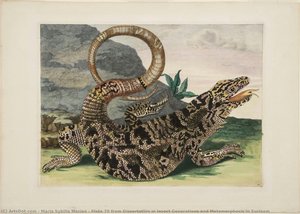
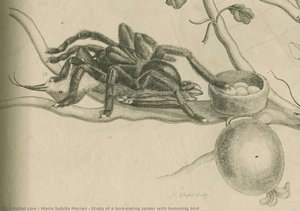
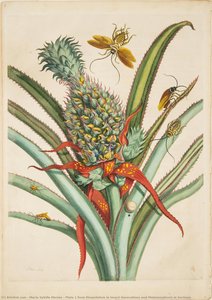
Биография художника
A Life Unfurled: The Botanical Brilliance of Maria Sibylla Merian
Maria Sibylla Merian, born in Frankfurt in 1647, was a figure remarkably ahead of her time—a naturalist, scientific illustrator, and an artist whose dedication to meticulous observation transformed our understanding of the insect world. Her story isn’t simply one of artistic talent; it's a testament to unwavering curiosity, courageous exploration, and a profound connection to the natural world that defied the conventions of 17th and early 18th-century society. Growing up amidst the bustling trade and intellectual currents of Frankfurt, Merian’s initial exposure to art came through her family. Her father, Matthäus Merian the Elder, was a renowned engraver and publisher, providing a foundation in visual representation. However, it was her stepfather, Jacob Marrel, a skilled still life painter, who actively fostered her artistic inclinations, encouraging her drawing and painting skills from a young age. This early nurturing wasn’t limited to technique; Merian developed an intense fascination with insects, meticulously collecting and studying them—a pursuit considered unusual, if not eccentric, for a woman of that era. Even as a child, she didn't merely depict butterflies and caterpillars; she sought to understand their complete life cycles, a revolutionary approach in a time when the prevailing belief was spontaneous generation – the idea that insects simply arose from mud or decaying matter.From European Gardens to Surinamese Rainforests
Merian’s artistic career blossomed alongside her scientific investigations. She received formal training from Marrel and his pupil, Abraham Mignon, honing her skills in rendering botanical details with exquisite precision. Her early works focused on the flora of Europe, culminating in publications like *Neues Blumenbuch* (“New Book of Flowers”), showcasing her talent for floral illustration. However, it was her groundbreaking work on insect metamorphosis that truly set her apart. Published in 1679 and 1683, *Der Raupen wunderbare Verwandelung und sonderbare Blumennahrung* ("The Wonderful Transformation of Caterpillars and Their Peculiar Nourishment from Flowers") documented the life cycles of European insects with unprecedented accuracy. Each plate wasn’t just a beautiful image; it was a carefully researched record of an insect's development, its host plant, and its interactions within its environment. But Merian harbored a deeper ambition: to study insects in their natural habitat, free from the constraints of European gardens. This led to an extraordinary undertaking—a self-funded expedition to Dutch Guiana (modern-day Suriname) in 1699, accompanied by her daughter Dorothea. For two years, she immersed herself in the rainforests, documenting the exotic insects, plants, and animals with unwavering dedication, despite harsh conditions and considerable personal risk.Metamorphosis Surinamensis: A Legacy of Observation
The culmination of Merian’s South American journey was *Metamorphosis Insectorum Surinamensium* (1705), a monumental work that cemented her legacy as a pioneering naturalist and illustrator. This two-volume publication presented detailed depictions of the insects of Suriname, their life cycles, and their relationships with the surrounding flora. Unlike previous natural history illustrations which often focused on isolated specimens, Merian’s plates depicted insects interacting with their host plants, showcasing a holistic understanding of ecological connections. Her illustrations weren't merely scientific records; they were vibrant works of art, imbued with a sense of wonder and appreciation for the beauty of the natural world. The work was revolutionary not only for its artistic quality but also for its scientific accuracy. Merian challenged existing beliefs about insect behavior and development, providing compelling evidence against spontaneous generation. She meticulously documented previously unknown species, contributing significantly to the field of entomology. *Metamorphosis Insectorum Surinamensium* became a landmark publication, influencing generations of naturalist illustrators and scientists.The Influence of Observation and Artistic Skill
Maria Sibylla Merian’s influence extends far beyond the realm of natural history illustration. Her work bridged the gap between art and science, demonstrating that meticulous observation and artistic skill could be powerful tools for scientific discovery. She challenged societal norms by pursuing her passion for natural history with unwavering determination, paving the way for future female scientists and artists. David Attenborough has rightly recognized Merian as a pivotal figure in entomology, acknowledging her groundbreaking contributions to our understanding of insect life cycles. Her legacy continues to inspire artists, scientists, and nature enthusiasts alike. Today, her original illustrations are highly prized possessions of museums and private collectors worldwide. Reproductions of her work—like “Plate 70 from Dissertation in Insect Generations and Metamorphosis in Surinam” or the exquisite detail found in "Erucarum Ortus, Alimentum Et Paradoxa Metamorphosis"—allow us to appreciate her artistic skill and scientific insight.Key Contributions and Lasting Significance
Maria Sibylla Merian’s contributions were truly remarkable for her time. She was one of the first to depict the life cycles of insects with such detail and accuracy, challenging long-held beliefs about insect origins. Her meticulous observations and stunning illustrations revolutionized the study of entomology and botany. Her journey to Suriname demonstrated a courage and determination rarely seen in women of that era, proving that scientific inquiry could be pursued regardless of gender or social constraints. Merian’s legacy endures as a testament to the power of curiosity, observation, and a deep reverence for the natural world—a reminder that art and science can illuminate our understanding of life itself.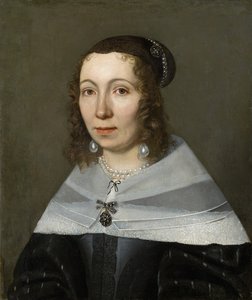
maria sybilla merian
1647 - 1717 , Германия
Основные сведения
- Artistic Movement Or Style: Натуралистическое искусство
- Artists Or Movements Influenced By This Artist: ['Энтомология']
- Artists Who Influenced This Artist: ['Якоб Маррель']
- Date Of Birth: 2 апреля 1647 г.
- Date Of Death: 13 января 1717 г.
- Full Name: Maria Sibylla Merian
- Nationality: Немецкая
- Notable Artworks:
- Метаморфозы насекомых Суринама
- Erucarum Ortus
- Place Of Birth: Франкфурт-на-Майне, Германия
Похожие статьи
The Flourishing Canvas: A Historical Journey Through Botanical Illustration
Explore the captivating history of botanical illustration! Discover renowned artists like Robert Havell & Mary Walcott, learn about techniques, and find museum-quality art at ArtsDot.com.
The Flourishing Canvas: A Historical & Artistic Exploration of Botanical Illustration
Explore the rich history of botanical illustration! Discover key artists like Havell & Barraband, learn about scientific accuracy & aesthetic beauty. Shop museum-quality reproductions at ArtsDot.
The Flourishing Canvas: A Historical Journey Through Botanical Illustration
Explore the captivating history of botanical illustration! Discover renowned artists like Robert Havell & Mary Walcott, learn about techniques, and find museum-quality art at ArtsDot.com.
Victorian Botanical Painting: Science, Art & Aesthetic Sensibility
Explore the exquisite world of Victorian botanical art! Discover the science & artistry behind stunning floral illustrations by Gould, Muckley & more. Learn about collecting, value & investment at ArtsDot.
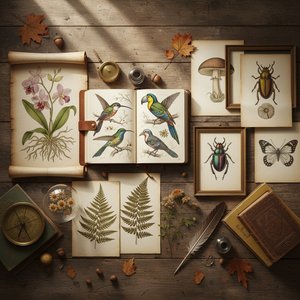
The Evocative Detail of Nature: A History of Naturalistic Illustration
Explore the rich history of botanical illustration! Discover pioneering artists like Maria Sibylla Merian & Marianne North. Learn about scientific precision, artistic expression, and find museum-quality reproductions at ArtsDot.