

 Предпросмотр
 Поделиться
 Поделиться
 Детали произведения

 Скачать
 Похожие работы
 Рентгенография
 Слайд-шоу
 Статистика
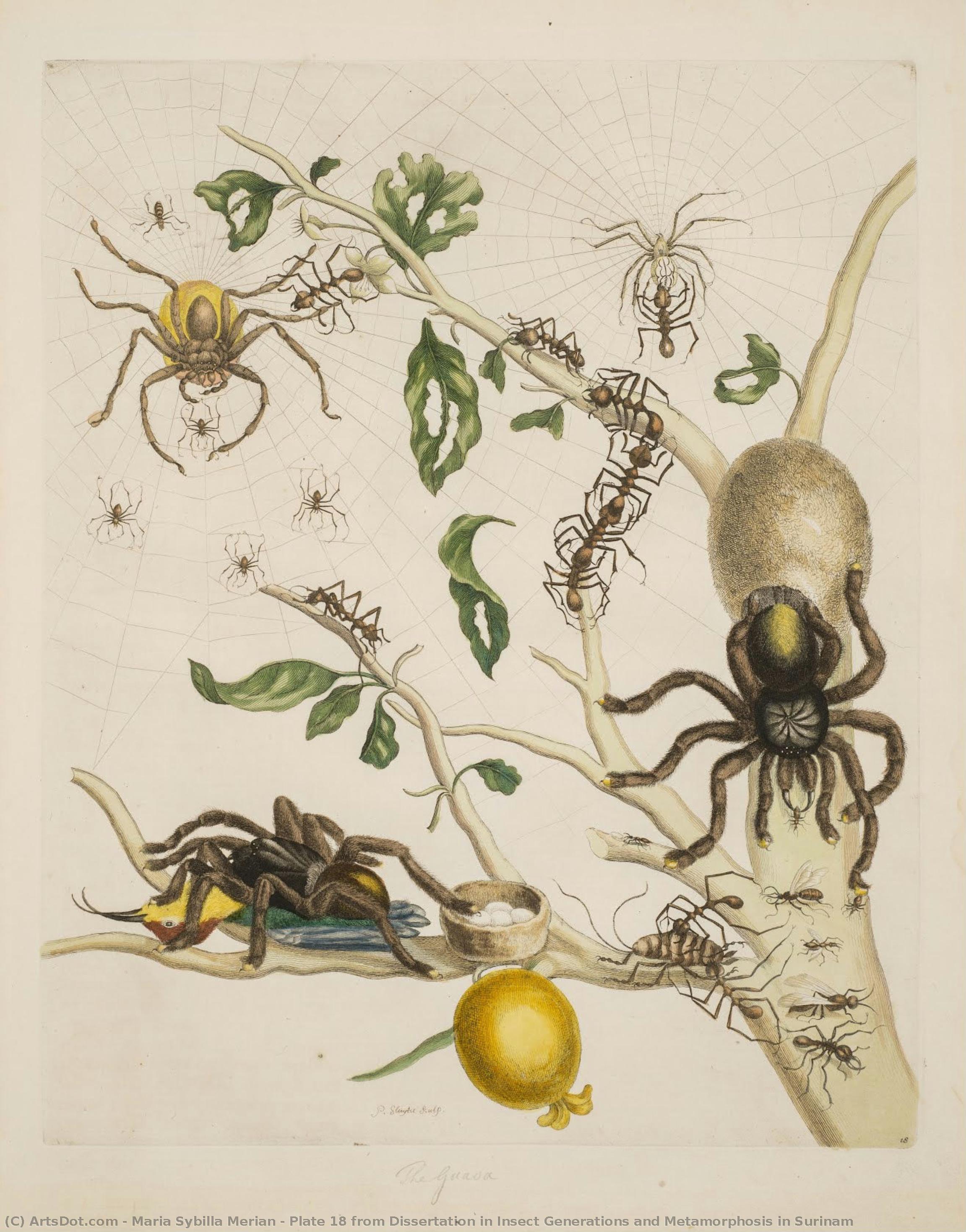
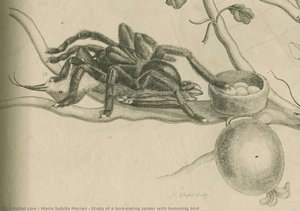
Plate 18 from Dissertation in Insect Generations and Metamorphosis in Surinam


 Читать далее
Приобретите цифровое изображение высокого разрешения в улучшенном качестве, которое значительно превосходит онлайн-превью.
Каждый файл тщательно подготавливается нашими специалистами с использованием передовых инструментов и экспертной ручной ретуши. Мы гарантируем исключительную четкость, точную цветопередачу и детальную проработку каждого изображения.
Финальный файл доставляется по электронной почте в течение 72 часов и оптимизирован для немедленного использования в профессиональной среде, при верстке и печати. Это тот же уровень качества, которому доверяют ведущие дизайнерские студии, издательства и галереи.
Цифровое изображение
Скачайте файл высокого разрешения для личного использования, печати и творческих проектов. ( Перейти к печати Купить картину ручной работы)
Включено в каждый заказ цифровых изображений
Гарантия экспертной цифровой доставки
Выбирая ArtsDot.com, вы получаете не просто изображение — вы приобретаете профессионально обработанное цифровое произведение искусства, созданное с безупречной точностью и под защитой гарантии качества. Вот всё, что автоматически входит в ваш заказ:

Мгновенная доставка по e-mail
Ваш цифровой файл в высоком разрешении будет отправлен вам по электронной почте в течение 72 часов после оформления заказа — и сразу станет доступен для использования.

Цифровой файл с ИИ-улучшением
Ваше произведение искусства проходит профессиональную оптимизацию с использованием передовых инструментов ИИ и ручной обработки, что гарантирует максимальную детализацию, четкость и точность цветопередачи.

Бессрочная бесплатная повторная доставка
Случайно удалили или потеряли файл? Не беспокойтесь — мы отправим его вам повторно в любое время и совершенно бесплатно.

Без импортных пошлин — навсегда
Наслаждайтесь вашим произведением искусства мгновенно без таможенных пошлин, сборов или затрат на доставку — цифровые загрузки всегда не облагаются налогом.

Гарантия точности цветопередачи
Мы гарантируем, что ваше цифровое изображение максимально точно передает оригинальные цвета благодаря использованию профессиональных инструментов и систем управления цветом.

Гарантия удовлетворенности 100 дней
Если вы не будете удовлетворены своим цифровым изображением, мы внесем правки или вернем 100% стоимости в течение 100 дней — без лишних вопросов.

100% Гарантия возврата средств
Не удовлетворены покупкой? Получите полный возврат средств в течение 100 дней после получения цифрового файла — без лишних вопросов.

Скидки на оптовые заказы
Купите 3 изображения, сэкономьте 10% — Купите 5, сэкономьте 15% — Купите 10+, сэкономьте 20%. Отличное решение для творческих проектов, галерей и агентств.
A Window Into Surinam’s Insect Realm: Maria Sibylla Merian's Plate 18
Maria Sybilla Merian stands as an unparalleled pioneer in entomology and botanical illustration—a woman who dared to challenge societal expectations and forge her own path toward scientific discovery. Her legacy extends far beyond the meticulous drawings that captivated audiences of her time, establishing her as a cornerstone of natural history and influencing generations of artists and scientists alike. This essay delves into the significance of “Plate 18 from Dissertation in Insect Generations and Metamorphosis in Surinam,” exploring its artistic merit, scientific contribution, and enduring resonance within the broader context of Merian’s groundbreaking work.The Artwork: A Detailed Observation
“Plate 18” depicts a striking tableau vivant—a living scene rendered with breathtaking precision. The painting showcases an apple branch laden with spiders, meticulously observed by Merian during her expedition to Surinam in 1699-1703. Six spiders dominate the composition, varying in size and exhibiting distinct postures – some clinging delicately to silk threads, others poised for movement, capturing the dynamism of insect behavior. The artist’s keen eye captures not only the physical appearance of these arachnids but also their interaction with their environment, presenting a microcosm of Surinam's biodiversity. The inclusion of the apple adds an element of unexpected beauty and contrasts sharply with the spider’s hairy exoskeletons, highlighting Merian’s masterful use of visual juxtaposition.Merian’s Technique: Anatomical Accuracy Meets Artistic Skill
Merian’s technique exemplifies the fusion of scientific rigor and artistic artistry that characterized her oeuvre. Employing watercolor pigments on paper—a relatively innovative medium for botanical illustration—she achieved remarkable detail through layering translucent washes, allowing underlying structures to subtly emerge. Her meticulous anatomical drawings were painstakingly executed with quill pens and ink, capturing the intricate musculature and skeletal framework of each insect specimen. The resulting images are not merely representations; they are embodiments of observation, reflecting Merian’s unwavering commitment to documenting nature with unparalleled accuracy. She skillfully combined scientific precision with artistic sensitivity, elevating her illustrations beyond mere depictions into powerful expressions of beauty and wonder.Historical Context: Challenging Conventions
Merian's Dissertation was a bold undertaking for a woman in the 17th century—a period marked by rigid social hierarchies and limited opportunities for female scholars. Despite facing considerable obstacles, Merian persevered, driven by an ardent passion for understanding the natural world and disseminating her knowledge to a wider audience. Her publication challenged prevailing scientific dogma regarding spontaneous generation and championed the importance of empirical observation—principles that would later become foundational to modern biology. Furthermore, Merian’s work defied societal expectations concerning women's roles in science and art, establishing herself as an inspirational figure for aspiring female artists and scientists throughout history.Symbolism: Beyond Representation – A Reflection of Enlightenment Thought
“Plate 18” transcends mere visual representation; it embodies the spirit of the Enlightenment—a movement that emphasized reason, observation, and a humanist appreciation for beauty and knowledge. The spider itself carries symbolic weight, representing resilience, adaptability, and transformation—qualities admired in both scientific inquiry and artistic expression. Its presence on the apple branch symbolizes the interconnectedness of nature and human experience, prompting contemplation about the delicate balance between opposing forces. Merian’s deliberate choice of subject matter reflects a broader intellectual preoccupation with understanding the natural world through rational investigation, mirroring the Enlightenment's commitment to unlocking the secrets of creation.Emotional Impact: Capturing Wonder and Inspiring Curiosity
Ultimately, “Plate 18” succeeds in conveying an overwhelming sense of wonder—a testament to Merian’s ability to capture the sublime beauty of Surinam’s insect life. The painting invites viewers to immerse themselves in a microcosm of natural splendor, fostering curiosity about the intricacies of biological processes and prompting reflection on humanity's place within the grand tapestry of existence. Like all of Merian’s illustrations, Plate 18 serves as an enduring reminder that scientific discovery can coexist harmoniously with artistic appreciation—inspiring generations of artists and scientists to pursue knowledge with passion and creativity.Похожие произведения

Биография художника
A Life Unfurled: The Botanical Brilliance of Maria Sibylla Merian
Maria Sibylla Merian, born in Frankfurt in 1647, was a figure remarkably ahead of her time—a naturalist, scientific illustrator, and an artist whose dedication to meticulous observation transformed our understanding of the insect world. Her story isn’t simply one of artistic talent; it's a testament to unwavering curiosity, courageous exploration, and a profound connection to the natural world that defied the conventions of 17th and early 18th-century society. Growing up amidst the bustling trade and intellectual currents of Frankfurt, Merian’s initial exposure to art came through her family. Her father, Matthäus Merian the Elder, was a renowned engraver and publisher, providing a foundation in visual representation. However, it was her stepfather, Jacob Marrel, a skilled still life painter, who actively fostered her artistic inclinations, encouraging her drawing and painting skills from a young age. This early nurturing wasn’t limited to technique; Merian developed an intense fascination with insects, meticulously collecting and studying them—a pursuit considered unusual, if not eccentric, for a woman of that era. Even as a child, she didn't merely depict butterflies and caterpillars; she sought to understand their complete life cycles, a revolutionary approach in a time when the prevailing belief was spontaneous generation – the idea that insects simply arose from mud or decaying matter.From European Gardens to Surinamese Rainforests
Merian’s artistic career blossomed alongside her scientific investigations. She received formal training from Marrel and his pupil, Abraham Mignon, honing her skills in rendering botanical details with exquisite precision. Her early works focused on the flora of Europe, culminating in publications like *Neues Blumenbuch* (“New Book of Flowers”), showcasing her talent for floral illustration. However, it was her groundbreaking work on insect metamorphosis that truly set her apart. Published in 1679 and 1683, *Der Raupen wunderbare Verwandelung und sonderbare Blumennahrung* ("The Wonderful Transformation of Caterpillars and Their Peculiar Nourishment from Flowers") documented the life cycles of European insects with unprecedented accuracy. Each plate wasn’t just a beautiful image; it was a carefully researched record of an insect's development, its host plant, and its interactions within its environment. But Merian harbored a deeper ambition: to study insects in their natural habitat, free from the constraints of European gardens. This led to an extraordinary undertaking—a self-funded expedition to Dutch Guiana (modern-day Suriname) in 1699, accompanied by her daughter Dorothea. For two years, she immersed herself in the rainforests, documenting the exotic insects, plants, and animals with unwavering dedication, despite harsh conditions and considerable personal risk.Metamorphosis Surinamensis: A Legacy of Observation
The culmination of Merian’s South American journey was *Metamorphosis Insectorum Surinamensium* (1705), a monumental work that cemented her legacy as a pioneering naturalist and illustrator. This two-volume publication presented detailed depictions of the insects of Suriname, their life cycles, and their relationships with the surrounding flora. Unlike previous natural history illustrations which often focused on isolated specimens, Merian’s plates depicted insects interacting with their host plants, showcasing a holistic understanding of ecological connections. Her illustrations weren't merely scientific records; they were vibrant works of art, imbued with a sense of wonder and appreciation for the beauty of the natural world. The work was revolutionary not only for its artistic quality but also for its scientific accuracy. Merian challenged existing beliefs about insect behavior and development, providing compelling evidence against spontaneous generation. She meticulously documented previously unknown species, contributing significantly to the field of entomology. *Metamorphosis Insectorum Surinamensium* became a landmark publication, influencing generations of naturalist illustrators and scientists.The Influence of Observation and Artistic Skill
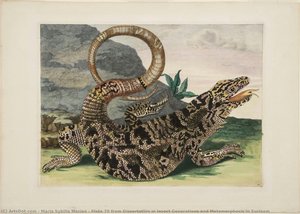
Maria Sibylla Merian’s influence extends far beyond the realm of natural history illustration. Her work bridged the gap between art and science, demonstrating that meticulous observation and artistic skill could be powerful tools for scientific discovery. She challenged societal norms by pursuing her passion for natural history with unwavering determination, paving the way for future female scientists and artists. David Attenborough has rightly recognized Merian as a pivotal figure in entomology, acknowledging her groundbreaking contributions to our understanding of insect life cycles. Her legacy continues to inspire artists, scientists, and nature enthusiasts alike. Today, her original illustrations are highly prized possessions of museums and private collectors worldwide. Reproductions of her work—like “Plate 70 from Dissertation in Insect Generations and Metamorphosis in Surinam” or the exquisite detail found in "Erucarum Ortus, Alimentum Et Paradoxa Metamorphosis"—allow us to appreciate her artistic skill and scientific insight.Key Contributions and Lasting Significance
Maria Sibylla Merian’s contributions were truly remarkable for her time. She was one of the first to depict the life cycles of insects with such detail and accuracy, challenging long-held beliefs about insect origins. Her meticulous observations and stunning illustrations revolutionized the study of entomology and botany. Her journey to Suriname demonstrated a courage and determination rarely seen in women of that era, proving that scientific inquiry could be pursued regardless of gender or social constraints. Merian’s legacy endures as a testament to the power of curiosity, observation, and a deep reverence for the natural world—a reminder that art and science can illuminate our understanding of life itself.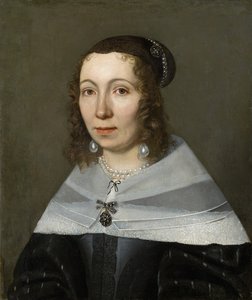
maria sybilla merian
1647 - 1717 , Германия
Основные сведения
- Artistic Movement Or Style: Натуралистическое искусство
- Artists Or Movements Influenced By This Artist: ['Энтомология']
- Artists Who Influenced This Artist: ['Якоб Маррель']
- Date Of Birth: 2 апреля 1647 г.
- Date Of Death: 13 января 1717 г.
- Full Name: Maria Sibylla Merian
- Nationality: Немецкая
- Notable Artworks:
- Метаморфозы насекомых Суринама
- Erucarum Ortus
- Place Of Birth: Франкфурт-на-Майне, Германия