

 Предпросмотр
 Поделиться
 Поделиться
 Детали произведения

 Скачать
 Похожие работы
 Рентгенография
 Слайд-шоу
 Статистика
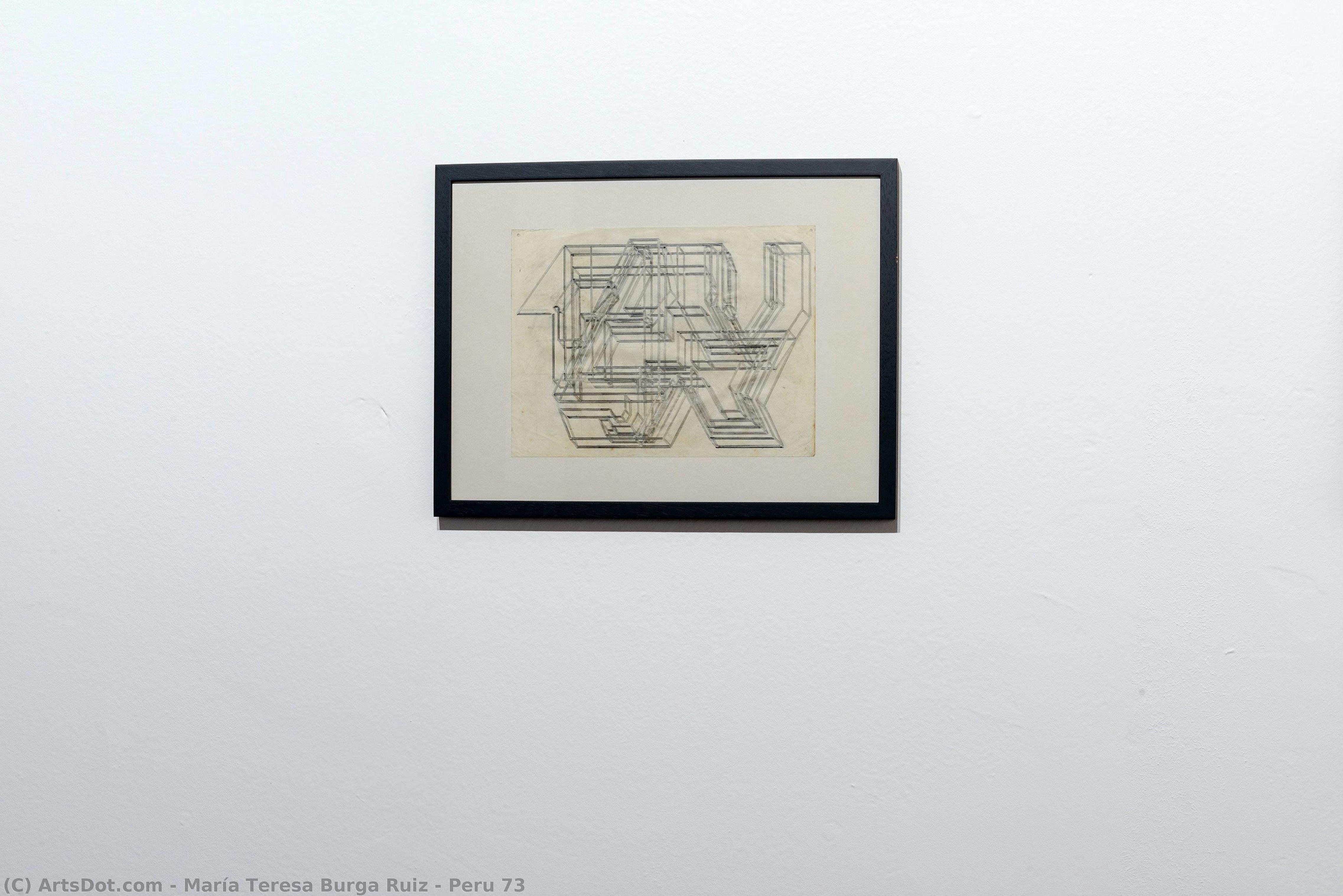
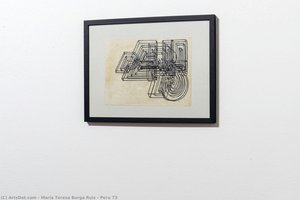
Peru 73


 Читать далее
Жикле / Арт-принт
Печать (жикле) или холст музейного качества с быстрыми сроками изготовления и широким выбором вариантов отделки. ( Купить картину ручной работы Перейти к цифровым изображениям)




P118B $10

P118H $10

P118W $10

P438Z $10

P508JH $12

P508YH $12

P805H $10

P805Z $10

P919BZ $10

P919G $10

P919XJ $10

P959ZH $10

P968JZ $12

W106C $8

W218G $10

W218JH $8

W218Y $10

W307PJ $10

W316G $10

W316PJ $8

W316Y $10

W398PJ $8

W4111J $10

W500HY $15

W500JH $15

W692G $12

W849H $8

W940BG $15

W953PJ $8




Выберите один из наших стандартных размеров, соответствующих оригинальным пропорциям произведения искусства.

Вы можете указать свои собственные размеры, чтобы репродукция идеально подошла под конкретную раму или пространство. Если выбранный вами размер не будет соответствовать пропорциям оригинала, мы либо обрежем произведение, либо дополним изображение зеркальным отражением краев или однотонной заливкой. Перед началом производства вам будет отправлен цифровой макет для утверждения.
Пожалуйста, обратите внимание, что предварительный просмотр на экране не отображает фактическую обрезку или расширение изображения. Только макет точно покажет финальную композицию.
Несмотря на возможность заказа индивидуальных размеров, мы рекомендуем выбирать размер из предопределенного списка, чтобы сохранить оригинальные пропорции.
Доставка по всему миру () за 2 недели вместо стандартных 4/5 недель. (12 Сентябрь)

Бесплатная экспресс-доставка по всему миру

Высококачественный льняной холст

Полное страхование доставки

Гарантия возмещения таможенных пошлин

Гарантия точного соответствия цветов

100-дневная политика возврата (только при обнаружении дефектов)

Гарантия возврата 100% средств

Предложение оптовых скидок
 Вариант со стеклом доступен только для размеров менее 110 см

Peru 73
Жикле / Арт-принт
Размер репродукции
-


Итоговая стоимость
$ 62
María Teresa Burga Ruiz: A Visionary Pioneer of Conceptual Peruvian Art
María Teresa Burga Ruiz (1935-2021) stands as an undeniable cornerstone of Peruvian art history, recognized for her groundbreaking contributions to media art and conceptual practices—fields that were remarkably nascent within Peru during her prolific artistic career. Born in Iquitos, the vibrant Amazonian city, Burga’s formative years instilled a profound appreciation for cultural identity and social commentary, influences that would permeate her subsequent explorations of artistic expression. Her journey began with an inquisitive engagement with diverse mediums, deliberately pushing beyond conventional boundaries to integrate technological advancements and philosophical frameworks into her creative process—a characteristic that distinguishes her from many of her contemporaries.Early Artistic Exploration & Conceptual Shift
Burga’s initial experimentation encompassed a spectrum of techniques, reflecting the broader artistic currents of the era. However, she swiftly transitioned towards a more radical approach in the mid to late 1960s, abandoning traditional oil painting for latex—a deliberate decision driven by a desire to circumvent the constraints imposed by Lima's humid climate and prioritizing speed and efficiency in her production process. This pivotal shift signaled an embrace of conceptualism, mirroring the burgeoning international movement that questioned authorship and challenged established artistic conventions. Notably, Burga’s series of cubes and prisms exemplifies this spirit—works imbued with a palpable Pop aesthetic that responded dynamically to audience participation, acknowledging that “the beauty of these pieces,” as Burga herself eloquently stated, arose from serendipitous chance rather than meticulous planning.Drawing Inspiration From Everyday Life: The Significance of Observation
Burga’s artistic philosophy extended beyond mere formal innovation; it centered on a deep engagement with the visual landscape of daily life. Her celebrated “Drawings with Eyes Closed” (1974) exemplify this countervisuality strategy, meticulously documenting the duration of each drawing session—a practice that underscored her commitment to capturing fleeting moments and conveying nuanced perspectives. These drawings weren’t simply reproductions of existing images; they were carefully selected excerpts from sources as varied as theater programs, police reports, cartoons, feminine items, and advertisements—each element serving as a catalyst for reflection and interpretation. Burga's artistic vision sought to elevate the commonplace into something extraordinary, revealing hidden layers of meaning within familiar visual stimuli.Symbolism & Aesthetic Impact: The Legacy of Peru 73
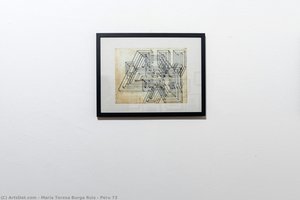
The artwork "Peru 73," created in 1973, embodies Burga’s distinctive aesthetic and conceptual approach. This striking ink drawing—a piece that now resides in the ArtsDot database—features a geometric design reminiscent of industrial machinery or perhaps even a toilet—a deliberate juxtaposition intended to provoke contemplation about function, form, and societal norms. The artist's meticulous attention to detail captures the essence of her style: precise lines and balanced compositions convey a sense of calm sophistication while simultaneously hinting at underlying complexities. Burga’s work continues to inspire artists and collectors alike, demonstrating the enduring power of conceptual art to challenge perceptions and stimulate dialogue about artistic practice and its relationship to broader cultural contexts. Its reproduction on ArtsDot offers an exceptional opportunity to experience Burga's visionary perspective firsthand.Похожие произведения

Биография художника
María Teresa Burga Ruiz (1935-2021): A Pioneer of Peruvian Conceptual and Media Art
- Born: Iquitos, Peru, 1935
- Died: Lima, Peru, 2021
María Teresa Burga Ruiz, also known as Teresa Burga, was a groundbreaking Peruvian artist whose work spanned multimedia and conceptual art forms. Born in the Amazonian city of Iquitos, her artistic journey led her to become a pivotal figure in Peruvian art history, recognized for her pioneering contributions to media art, technology-based art, and installation art – fields that were nascent in Peru during her active years.
Early Life and Artistic Development
- Burga's early life in Iquitos likely influenced her later exploration of identity and social structures within Peruvian society.
- She began experimenting with various media, moving beyond traditional artistic boundaries to incorporate technology and conceptual frameworks into her practice.
- The late 1960s and 1970s marked a crucial period in Burga's development as an artist. It was during this time that she produced some of her most significant works, establishing her reputation as a visionary innovator.
Key Works and Artistic Style
- Untitled, 14, 15.04.1974: Perhaps Burga's most celebrated work, this series of monochrome drawings exemplifies her minimalist aesthetic and conceptual approach. The stark imagery invites contemplation on time, process, and the nature of representation. View Artwork
- Peru 73: This abstract ink drawing showcases Burga's exploration of geometric forms and layered structures, reflecting a broader engagement with the social and political landscape of Peru in 1973. View Artwork
- Untitled (contigo….): Demonstrates her versatility across different mediums. View Artwork
- Her artistic style is characterized by a reduction to essential forms, often employing monochrome palettes and repetitive patterns. This minimalist approach serves as a vehicle for exploring complex conceptual ideas.
Influences and Historical Significance
- Burga's work was influenced by the broader international trends in Conceptual Art and Minimalism that emerged in the 1960s and 70s.
- She is considered a precursor to media art and installation art in Peru, paving the way for subsequent generations of artists who embraced new technologies and expanded the boundaries of artistic expression.
- Her exploration of identity, feminism, and social structures within Peruvian society positions her as a significant contributor to Latin American feminist art.
- Burga's legacy lies in her ability to synthesize conceptual rigor with innovative use of media, creating works that are both aesthetically compelling and intellectually stimulating.
Legacy and Recognition
- María Teresa Burga’s work has gained increasing recognition posthumously, solidifying her place as a pivotal figure in Peruvian art history.
- She is now celebrated for her pioneering spirit and her contribution to the development of contemporary art practices in Peru.
- Her influence can be seen in the work of younger Peruvian artists who continue to explore themes of identity, technology, and social change.
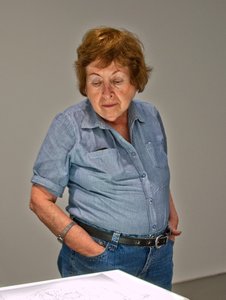
María Teresa Burga Ruiz
1935 - 2021 , Peru
Основные сведения
- Artistic Movement Or Style: Conceptual Art, Media Art
- Date Of Birth: 1935
- Date Of Death: 2021
- Full Name: María Teresa Burga Ruiz
- Nationality: Peruvian
- Notable Artworks:
- Untitled, 14, 15.04.1974
- Peru 73
- Untitled (contigo….)
- Place Of Birth (City And Country): Iquitos, Peru
Похожие статьи
Beyond Form & Color: Geometric Abstraction's Enduring Legacy in Art History
Explore the captivating world of geometric abstraction! Discover its origins, key artists like Malevich & Mondrian, and why this movement remains highly valued by art collectors today. Expert insights at ArtsDot.
Beyond Form & Color: Geometric Abstraction's Evolution in 20th/21st Century Art
Explore the evolution of geometric abstraction from Cubism to contemporary art. Discover key artists like Malevich & Mondrian, investment insights, and expert collecting advice at ArtsDot.
Beyond Form: Exploring the Philosophical Foundations of Geometric Abstraction
Explore the philosophical roots & artistic evolution of geometric abstraction with ArtsDot. Discover Mondrian, Malevich, De Stijl & more. Expert insights for collectors and art enthusiasts.

Топ-25 шедевров Василия Кандинского: Абстрактное искусство для вашего интерьера
Погрузитесь в мир абстрактного искусства с Василием Кандинским! 25 шедевров экспрессионизма, баухауса и русского авангарда. Репродукции картин Кандинского для вдохновения и декора вашего интерьера. Откройте всю коллекцию на ArtsDot.com

Геометрическая абстракция: 10 шедевров, изменивших искусство | ArtsDot.com
Погрузитесь в мир геометрической абстракции! От Кандинского до Малевича – 10 шедевров, изменивших искусство. Узнайте историю создания и значение культовых картин. Репродукции музейного качества на ArtsDot.com. Вдохновение для вашего интерьера!