

 Предпросмотр
 Поделиться
 Поделиться
 Детали произведения

 Скачать
 Похожие работы
 Рентгенография
 Слайд-шоу
 Статистика
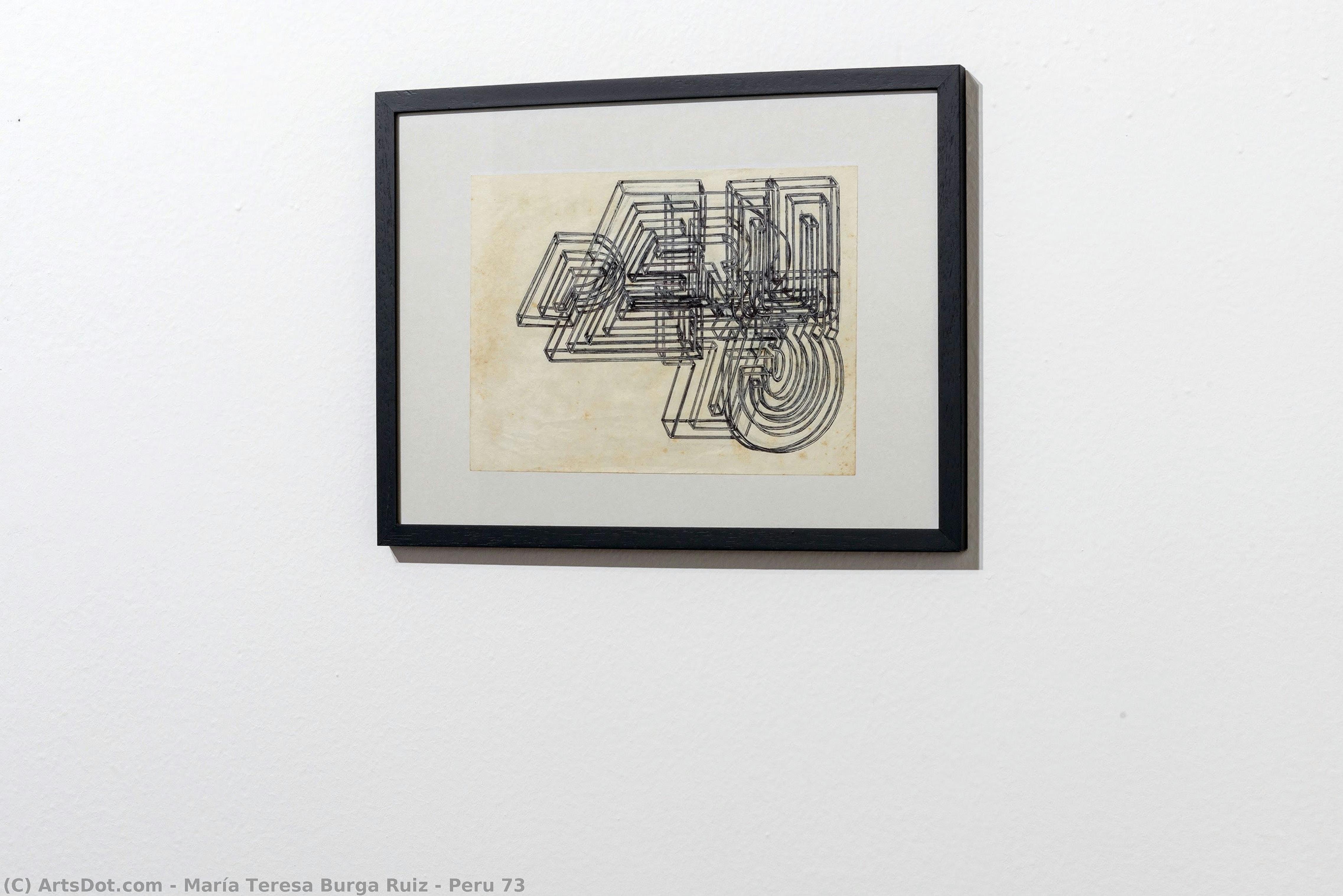
Peru 73


 Читать далее
Масляная репродукция ручной работы
Картина маслом на холсте в выбранном вами размере и раме, написанная на заказ нашими художниками. ( Перейти к печати Перейти к цифровым изображениям)




P118B $10

P118H $10

P118W $10

P438Z $10

P508JH $12

P508YH $12

P805H $10

P805Z $10

P919BZ $10

P919G $10

P919XJ $10

P959ZH $10

P968JZ $12

W106C $8

W218G $10

W218JH $8

W218Y $10

W307PJ $10

W316G $10

W316PJ $8

W316Y $10

W398PJ $8

W4111J $10

W500HY $15

W500JH $15

W692G $12

W849H $8

W940BG $15

W953PJ $8




Выберите один из наших стандартных размеров, соответствующих оригинальным пропорциям произведения искусства.

Вы можете указать собственные размеры, чтобы картина идеально вписалась в выбранную раму или пространство. Если выбранный вами размер не соответствует пропорциям оригинала, мы либо обрежем полотно, либо расширим его за счет дополнительных элементов, написанных вручную. Цифровой макет будет отправлен вам на утверждение перед началом производства.
Обратите внимание, что предварительный просмотр на экране не отражает фактическую обрезку или расширение. Только макет точно покажет окончательную композицию.
Хотя доступны индивидуальные размеры, мы рекомендуем выбирать вариант из предопределенного списка, чтобы сохранить исходные пропорции.
После оформления заказа команда ArtsDot.com свяжется с клиентом по электронной почте для уточнения деталей и предоставит предварительный макет
Доставка по всему миру () за 3–4 недели вместо стандартных 5 недель. (12 Сентябрь). Без компромиссов в качестве.

Бесплатная экспресс-доставка по всему миру

Высококачественный льняной холст

Полное страхование доставки

Гарантия возмещения таможенных пошлин

Гарантия точного соответствия цветов

100-дневная политика возврата (только при обнаружении дефектов)

Гарантия возврата 100% средств

Предложение оптовых скидок
 Вариант со стеклом доступен только для размеров менее 110 см

Peru 73
Техника репродукции
Размер репродукции
-


Итоговая стоимость
$ 263
A Journey Through Form and Perception: María Teresa Burga’s “Peru 73”
María Teresa Burga Ruiz's "Peru 73," created in 1973, isn’t merely a painting; it’s an invitation into the mind of a pioneering Peruvian artist grappling with identity, materiality, and the evolving landscape of contemporary art. Born in Iquitos, deep within the Amazon rainforest, Burga’s life was intrinsically linked to the rhythms of nature and the complexities of a rapidly changing nation. This connection profoundly shaped her artistic practice, leading her away from traditional oil painting—a medium she famously found “sticky” and cumbersome—and toward innovative approaches utilizing latex and ultimately, a radical embrace of conceptual art.
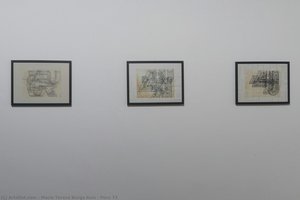
"Peru 73" is an ink drawing, a deceptively simple composition that belies the intricate layers of meaning embedded within its geometric forms. The artwork presents a field of overlapping circles and lines, arranged in a dynamic, almost chaotic yet carefully considered pattern. The stark black and white palette immediately draws attention to the interplay of positive and negative space—the areas of solid ink against the implied background. This deliberate contrast isn’t just aesthetic; it speaks to Burga's broader exploration of visibility and invisibility, presence and absence within Peruvian society.
Deconstructing Tradition: A Conceptual Shift
Burga’s move away from oil paint represents a significant shift in the Peruvian art world during the late 1960s and early 70s. She was part of a generation challenging established norms, rejecting the notion of the artist as a singular, controlling figure. Her delegation of painting to others—as seen in works like her series of cubes and prisms—was a deliberate act of deconstruction, questioning authorship and inviting audience participation into the creative process. “Peru 73” embodies this spirit perfectly; it’s not simply a product of Burga's hand but a collaborative exploration of form and perception.
The choice of ink as her primary medium is particularly revealing. Ink, traditionally associated with documentation and record-keeping—think of maps, legal documents, or historical accounts—suggests a desire to capture not just visual forms but also the underlying structures and systems that shape our understanding of the world. It’s a deliberate move away from the ephemeral qualities of paint and toward something more enduring, almost archaeological in its approach.
Symbolism and the Peruvian Landscape
While abstract, “Peru 73” subtly evokes imagery associated with the Peruvian landscape. The circles can be interpreted as representations of the sun, a vital symbol in Andean cosmology, while the lines might suggest rivers or mountain ranges—the defining features of the country’s geography. However, Burga doesn't offer a literal depiction; instead, she presents these elements as fragmented and reconfigured, mirroring the complexities of Peruvian identity itself – a blend of indigenous traditions and modern influences.
Furthermore, the drawing’s almost grid-like structure can be seen as a reference to colonial mapping practices—a powerful metaphor for the imposition of Western systems onto Indigenous territories. Burga's work subtly critiques this historical legacy while simultaneously celebrating the resilience and adaptability of Peruvian culture.
A Legacy of Innovation
María Teresa Burga Ruiz’s “Peru 73” is more than just a visually striking artwork; it’s a testament to her groundbreaking contributions to Peruvian art. Her embrace of conceptualism, her experimentation with new materials and techniques, and her willingness to challenge traditional notions of authorship paved the way for future generations of artists in Peru and beyond. Today, reproductions of this powerful piece offer a glimpse into the mind of a visionary artist who dared to question, explore, and ultimately redefine the boundaries of art itself.
Похожие произведения


Биография художника
María Teresa Burga Ruiz (1935-2021): A Pioneer of Peruvian Conceptual and Media Art
- Born: Iquitos, Peru, 1935
- Died: Lima, Peru, 2021
María Teresa Burga Ruiz, also known as Teresa Burga, was a groundbreaking Peruvian artist whose work spanned multimedia and conceptual art forms. Born in the Amazonian city of Iquitos, her artistic journey led her to become a pivotal figure in Peruvian art history, recognized for her pioneering contributions to media art, technology-based art, and installation art – fields that were nascent in Peru during her active years.
Early Life and Artistic Development
- Burga's early life in Iquitos likely influenced her later exploration of identity and social structures within Peruvian society.
- She began experimenting with various media, moving beyond traditional artistic boundaries to incorporate technology and conceptual frameworks into her practice.
- The late 1960s and 1970s marked a crucial period in Burga's development as an artist. It was during this time that she produced some of her most significant works, establishing her reputation as a visionary innovator.
Key Works and Artistic Style
- Untitled, 14, 15.04.1974: Perhaps Burga's most celebrated work, this series of monochrome drawings exemplifies her minimalist aesthetic and conceptual approach. The stark imagery invites contemplation on time, process, and the nature of representation. View Artwork
- Peru 73: This abstract ink drawing showcases Burga's exploration of geometric forms and layered structures, reflecting a broader engagement with the social and political landscape of Peru in 1973. View Artwork
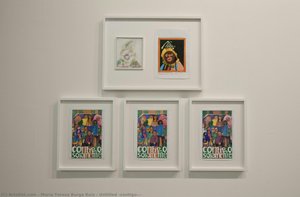
- Untitled (contigo….): Demonstrates her versatility across different mediums. View Artwork
- Her artistic style is characterized by a reduction to essential forms, often employing monochrome palettes and repetitive patterns. This minimalist approach serves as a vehicle for exploring complex conceptual ideas.
Influences and Historical Significance
- Burga's work was influenced by the broader international trends in Conceptual Art and Minimalism that emerged in the 1960s and 70s.
- She is considered a precursor to media art and installation art in Peru, paving the way for subsequent generations of artists who embraced new technologies and expanded the boundaries of artistic expression.
- Her exploration of identity, feminism, and social structures within Peruvian society positions her as a significant contributor to Latin American feminist art.
- Burga's legacy lies in her ability to synthesize conceptual rigor with innovative use of media, creating works that are both aesthetically compelling and intellectually stimulating.
Legacy and Recognition
- María Teresa Burga’s work has gained increasing recognition posthumously, solidifying her place as a pivotal figure in Peruvian art history.
- She is now celebrated for her pioneering spirit and her contribution to the development of contemporary art practices in Peru.
- Her influence can be seen in the work of younger Peruvian artists who continue to explore themes of identity, technology, and social change.
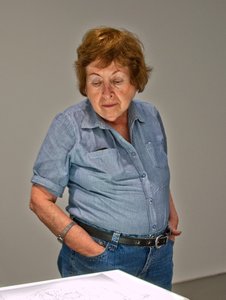
María Teresa Burga Ruiz
1935 - 2021 , Peru
Основные сведения
- Artistic Movement Or Style: Conceptual Art, Media Art
- Date Of Birth: 1935
- Date Of Death: 2021
- Full Name: María Teresa Burga Ruiz
- Nationality: Peruvian
- Notable Artworks:
- Untitled, 14, 15.04.1974
- Peru 73
- Untitled (contigo….)
- Place Of Birth (City And Country): Iquitos, Peru
Похожие статьи
Топ-10 шедевров абстрактного экспрессионизма: искусство для вашего интерьера от ArtsDot.com
Погрузитесь в мир абстрактного экспрессионизма! Откройте для себя 10 шедевров Поллока, Ротко и других гениев. История искусства, техники живописи и вдохновение для вашего интерьера от ArtsDot.com. Explore the full collection online!
Ephemeral Expressions: Exploring the Nuances of Ink on Paper Through History & Contemporary Art
Explore the captivating world of ink wash painting – from its ancient origins to contemporary masters. Discover techniques, symbolism & conservation insights with ArtsDot.com.
Designing Your Forever Space: An Expert Guide to Elevating Your New Home with Neo-Abstract Art
Elevate your first home with the bold energy of Neo-Abstract Art. Our expert guide helps newlyweds master modern geometric compositions, textures, and color palettes. Discover how custom hand-painted oils and multi-panel designs can transform your new space into a curated masterpiece.

Топ-25 шедевров Василия Кандинского: Абстрактное искусство для вашего интерьера
Погрузитесь в мир абстрактного искусства с Василием Кандинским! 25 шедевров экспрессионизма, баухауса и русского авангарда. Репродукции картин Кандинского для вдохновения и декора вашего интерьера. Откройте всю коллекцию на ArtsDot.com

Геометрическая абстракция: 10 шедевров, изменивших искусство | ArtsDot.com
Погрузитесь в мир геометрической абстракции! От Кандинского до Малевича – 10 шедевров, изменивших искусство. Узнайте историю создания и значение культовых картин. Репродукции музейного качества на ArtsDot.com. Вдохновение для вашего интерьера!