

 Предпросмотр
 Поделиться
 Поделиться
 Детали произведения

 Скачать
 Похожие работы
 Рентгенография
 Слайд-шоу
 Статистика
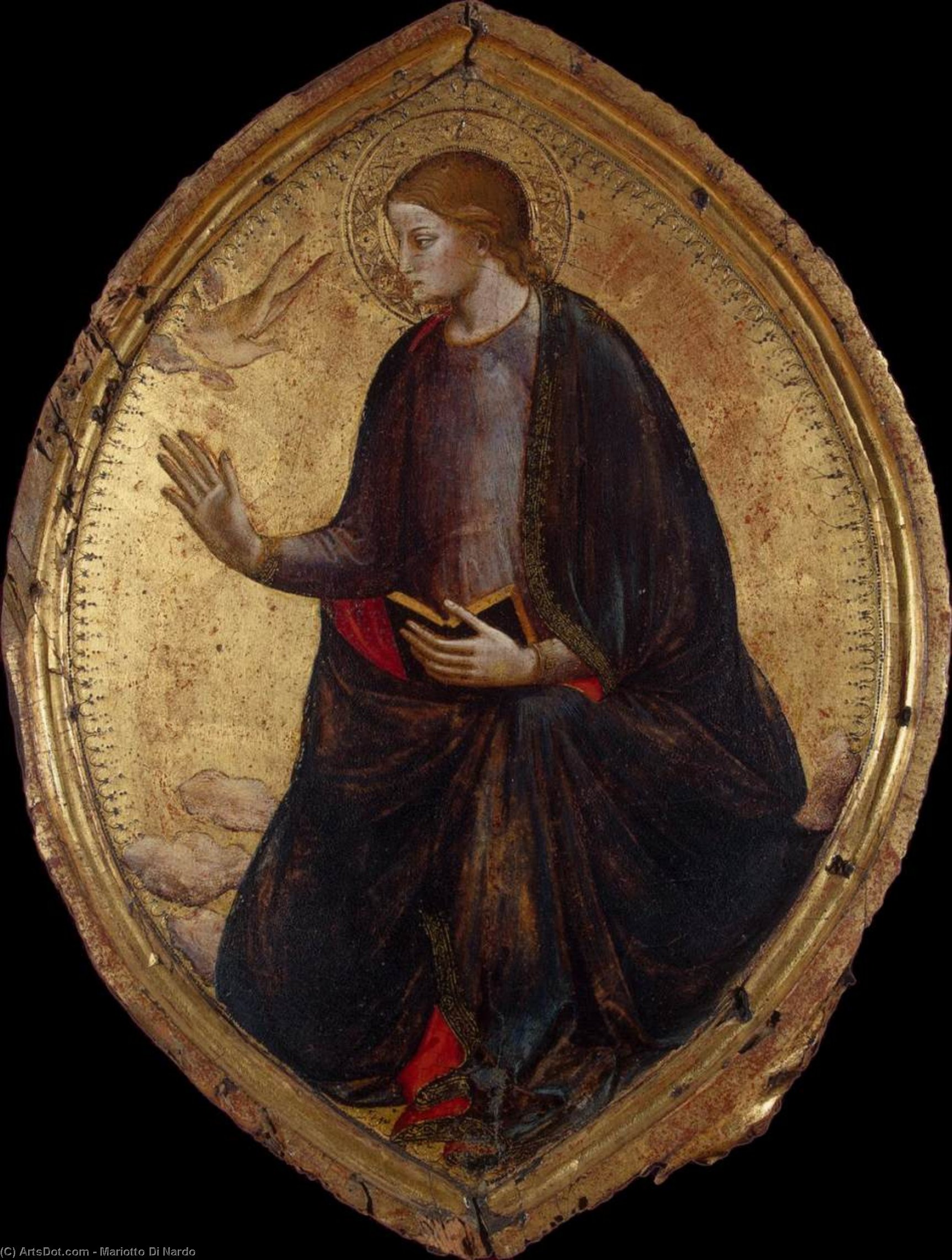
The Virgin Annunciate
 Acrylic On Canvas
- WallArt
- Florentine Gothic
 1400
1400 47.0 x 36.0 cm
 Эрмитаж
 Читать далее
Приобретите цифровое изображение высокого разрешения в улучшенном качестве, которое значительно превосходит онлайн-превью.
Каждый файл тщательно подготавливается нашими специалистами с использованием передовых инструментов и экспертной ручной ретуши. Мы гарантируем исключительную четкость, точную цветопередачу и детальную проработку каждого изображения.
Финальный файл доставляется по электронной почте в течение 72 часов и оптимизирован для немедленного использования в профессиональной среде, при верстке и печати. Это тот же уровень качества, которому доверяют ведущие дизайнерские студии, издательства и галереи.
Цифровое изображение
Скачайте файл высокого разрешения для личного использования, печати и творческих проектов. ( Перейти к печати Купить картину ручной работы)
Включено в каждый заказ цифровых изображений
Гарантия экспертной цифровой доставки
Выбирая ArtsDot.com, вы получаете не просто изображение — вы приобретаете профессионально обработанное цифровое произведение искусства, созданное с безупречной точностью и под защитой гарантии качества. Вот всё, что автоматически входит в ваш заказ:

Мгновенная доставка по e-mail
Ваш цифровой файл в высоком разрешении будет отправлен вам по электронной почте в течение 72 часов после оформления заказа — и сразу станет доступен для использования.

Цифровой файл с ИИ-улучшением
Ваше произведение искусства проходит профессиональную оптимизацию с использованием передовых инструментов ИИ и ручной обработки, что гарантирует максимальную детализацию, четкость и точность цветопередачи.

Бессрочная бесплатная повторная доставка
Случайно удалили или потеряли файл? Не беспокойтесь — мы отправим его вам повторно в любое время и совершенно бесплатно.

Без импортных пошлин — навсегда
Наслаждайтесь вашим произведением искусства мгновенно без таможенных пошлин, сборов или затрат на доставку — цифровые загрузки всегда не облагаются налогом.

Гарантия точности цветопередачи
Мы гарантируем, что ваше цифровое изображение максимально точно передает оригинальные цвета благодаря использованию профессиональных инструментов и систем управления цветом.

Гарантия удовлетворенности 100 дней
Если вы не будете удовлетворены своим цифровым изображением, мы внесем правки или вернем 100% стоимости в течение 100 дней — без лишних вопросов.

100% Гарантия возврата средств
Не удовлетворены покупкой? Получите полный возврат средств в течение 100 дней после получения цифрового файла — без лишних вопросов.

Скидки на оптовые заказы
Купите 3 изображения, сэкономьте 10% — Купите 5, сэкономьте 15% — Купите 10+, сэкономьте 20%. Отличное решение для творческих проектов, галерей и агентств.
The Virgin Annunciate: A Florentine Glimpse into Gothic Twilight
Mariotto di Nardo’s “The Virgin Annunciate,” painted around 1400, offers a captivating window into the artistic landscape of early Renaissance Florence. More than just a devotional image, it represents a pivotal moment in art history – a delicate transition from the opulent formality of late Gothic painting to the burgeoning naturalism and psychological depth that would define the 15th century. This intimate portrayal of Mary, seated on a simple bench and holding a book, is imbued with a quiet contemplation that speaks volumes about her role as recipient of divine revelation.
Born in Florence around 1365, Mariotto di Nardo wasn’t merely a follower of established styles; he was an astute interpreter and adapter. He skillfully navigated the artistic currents swirling around him – the grandeur of the Duomo, the spiritual resonance of Santa Maria Maggiore, and the civic pride embodied by Orsanmichele. His career spanned nearly six decades, during which he produced a remarkable body of work characterized by a subtle yet significant shift in approach. While firmly rooted in the traditions of his predecessors, particularly Spinello Aretino and Lorenzo Monaco, Mariotto began to introduce elements that hinted at the innovations to come – a greater attention to detail, a more nuanced use of light and shadow, and a nascent exploration of human emotion.
A Study in Detail and Technique
The painting’s remarkable fidelity is immediately apparent. Mariotto meticulously rendered every element with painstaking precision, utilizing tempera on panel—a technique that allowed for the delicate layering and luminous effects characteristic of his style. The details are astonishing: the folds of Mary's garment, the texture of her book, the subtle expression on her face – all contribute to a sense of palpable realism. Notice, too, the oblique perspective subtly employed in the background, a technique influenced by artists like Lorenzo Monaco and foreshadowing the linear perspective that would become central to Renaissance art. The composition itself is carefully balanced, drawing the eye towards Mary’s serene countenance while anchoring the scene with the simple bench and the atmospheric sky.
The use of color is restrained yet effective. A muted palette—dominated by earthy tones and soft blues—creates a sense of tranquility and reverence. Mariotto avoids dramatic contrasts, instead favoring subtle gradations that enhance the painting’s overall harmony. The placement of the two birds – one near the top left corner, another towards the bottom right – adds an unexpected layer of visual interest, subtly connecting the earthly realm with the divine.
Symbolism and Spiritual Resonance
The image is rich in symbolic meaning. Mary’s posture—seated, contemplative, holding a book—evokes her role as a scholar and a recipient of divine knowledge. The book itself represents wisdom and scripture, highlighting the importance of faith and learning within the Christian tradition. Her expression—a gentle calmness and quiet contemplation—suggests an inner peace and acceptance of her destiny. The setting – a simple bench beneath a vast sky – symbolizes humility and vulnerability before God.
Furthermore, the painting’s focus on Mary as a young woman receiving the Annunciation speaks to the enduring theme of divine grace and the potential for transformation within the human spirit. It's a moment of profound intimacy between the earthly and the celestial, captured with remarkable sensitivity by Mariotto di Nardo.
A Reproduction for Your Space
ArtsDot offers meticulously hand-painted reproductions of “The Virgin Annunciate,” capturing the essence of this exquisite artwork. Each reproduction is created using archival quality materials, ensuring that it will retain its beauty and vibrancy for generations to come. Whether you’re an art collector, a design enthusiast, or simply seeking a piece of timeless elegance to grace your home or office, our reproductions provide an authentic and affordable way to experience the profound artistry of Mariotto di Nardo. Consider how this serene image can bring a sense of peace and contemplation to your surroundings – a subtle reminder of faith, wisdom, and the enduring beauty of the human spirit.
Похожие произведения
Биография художника
Mariotto di Nardo (1365 - 1424) – Florentine Gothic’s Delicate Innovator
Mariotto di Nardo, a name perhaps less resonant than those of his Renaissance successors, nevertheless occupies a crucial position in the transition between the elegant world of late Gothic painting and the burgeoning naturalism that would define the 15th century. Born in Florence around 1365, Mariotto flourished during a period of immense artistic ferment, working amidst the grandeur of the Duomo, the devotional spaces of Santa Maria Maggiore, and the civic pride embodied by Orsanmichele. His career, spanning from approximately 1394 to 1424, reveals an artist deeply rooted in tradition yet subtly anticipating the innovations that lay ahead. He wasn’t merely a follower of established styles; he was a skilled interpreter and adapter, infusing his work with a distinctive sensibility that captivated his contemporaries and continues to intrigue art historians today. While biographical details remain scarce—the personal life of Mariotto di Nardo remains largely shrouded in mystery—his artistic legacy speaks volumes about the evolving aesthetic landscape of Florence.Family, Apprenticeship, and Early Influences
Mariotto’s lineage placed him firmly within a family of artisans. He was the grandson of Andrea di Cione di Arcangelo – Orcagna – a celebrated sculptor and painter whose monumental works graced both Florence and Pisa. His father, Nardo di Cione, served initially as a stonecutter in Siena and Volterra before establishing himself as a painter, becoming Mariotto’s first teacher. This familial connection to artistic craftsmanship undoubtedly shaped the young Mariotto's early development, instilling in him a respect for technical skill and a keen eye for detail. The influence of Orcagna’s dramatic compositions and refined draftsmanship is subtly discernible in Mariotto’s work, though he would forge his own path. Beyond his immediate family, Mariotto absorbed the stylistic currents prevalent in Florence during his formative years. He demonstrated clear affinities with Spinello Aretino, whose dynamic figures and vibrant color palettes left an indelible mark on his early paintings, as well as Niccolò di Pietro Gerini, another prominent Florentine artist of the time. Later in his career, a gentle influence from Lorenzo Monaco can be observed, particularly in the increased elegance and refinement of his figures.A Prolific Workshop and Diverse Commissions
Mariotto quickly established himself as a highly sought-after painter in Florence. Documents reveal a steady stream of commissions, attesting to his popularity among both public institutions and private patrons. He was actively involved in decorating the Florence Cathedral, though much of this work has unfortunately been lost or obscured over time. His altarpieces were particularly prized, with notable examples created for the chapel of the Madonna della Neve in 1398 and for the cathedral itself around 1402-1404. These commissions demonstrate his mastery of panel painting techniques and his ability to create devotional images that resonated deeply with contemporary audiences. Beyond altarpieces, Mariotto’s versatility extended to fresco decoration, as evidenced by his work at Santa Maria Maggiore and Orsanmichele—two of Florence's most important churches. He also undertook commissions for illuminated manuscripts, a testament to his skill in delicate draftsmanship and refined color application. His workshop was evidently busy and successful; he was a member of both the Physicians and Apothecaries Guild and the Company of Saint Luke, indicating his standing within Florentine society.Stylistic Innovations and Lasting Legacy
Mariotto di Nardo wasn’t simply a replicator of established forms. He introduced subtle yet significant innovations that foreshadowed the artistic developments of the early Renaissance. One notable characteristic of his work is his experimentation with oblique perspective—a technique that created a sense of depth and spatial recession without fully embracing the mathematical rigor of linear perspective. His figures, while still possessing a degree of Gothic elongation, exhibited a newfound nervous energy and emotional intensity. He also favored deserted, rocky landscapes as backdrops for his compositions, adding a dramatic and evocative quality to his scenes. These stylistic choices distinguished him from many of his contemporaries and cemented his place in art history as a transitional figure between the Gothic tradition and the burgeoning naturalism of the Renaissance. His legacy continues to inspire awe and admiration among those who appreciate the beauty and complexity of Florentine Gothic art.- Notable Works: The altarpiece for Santa Maria Maggiore, depicting scenes from the Life of Christ; The Chapel of Madonna della Neve in Florence Cathedral; Frescoes at Orsanmichele.
- Influences: Spinello Aretino and Lorenzo Monaco – Artists who shaped Mariotto’s artistic vision.
Маротто ди Нардо
1365 - 1424 , Италия
Основные сведения
- Artistic Movement Or Style: Флорентинская готика
- Artists Who Influenced This Artist:
- Лоренцо Моника
- Спиньоло Аретино
- Date Of Birth: 1365
- Date Of Death: 1424
- Full Name: Mariotto di Nardo
- Nationality: Итальянский
- Notable Artworks:
- Деплаoration
- Христос при Кресте
- Сцены из жизни Христа
- Place Of Birth: Флоренция