

 Предпросмотр
 Поделиться
 Поделиться
 Детали произведения

 Скачать
 Похожие работы
 Рентгенография
 Слайд-шоу
 Статистика
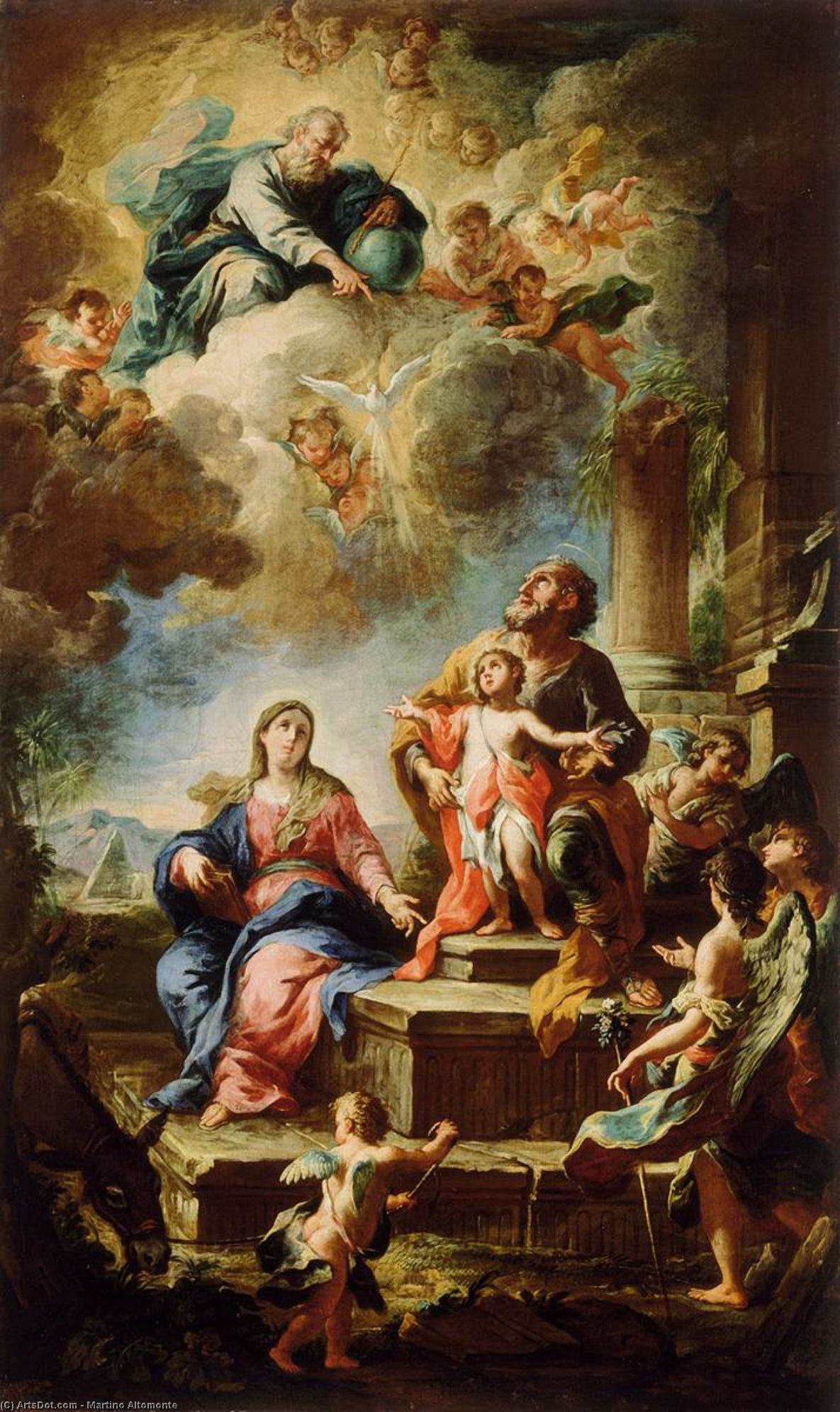
Rest on the Flight to Egypt
 Oil
Oil- WallArt
- Baroque
 1737
1737- Early Modern
 78.0 x 129.0 cm
 Галерея Национальной Словении
 Читать далее
Масляная репродукция ручной работы
Картина маслом на холсте в выбранном вами размере и раме, написанная на заказ нашими художниками. ( Перейти к печати Перейти к цифровым изображениям)




P118B $10

P118H $10

P118W $10

P438Z $10

P508JH $12

P508YH $12

P805H $10

P805Z $10

P919BZ $10

P919G $10

P919XJ $10

P959ZH $10

P968JZ $12

W106C $8

W218G $10

W218JH $8

W218Y $10

W307PJ $10

W316G $10

W316PJ $8

W316Y $10

W398PJ $8

W4111J $10

W500HY $15

W500JH $15

W692G $12

W849H $8

W940BG $15

W953PJ $8




Выберите один из наших стандартных размеров, соответствующих оригинальным пропорциям произведения искусства.

Вы можете указать собственные размеры, чтобы картина идеально вписалась в выбранную раму или пространство. Если выбранный вами размер не соответствует пропорциям оригинала, мы либо обрежем полотно, либо расширим его за счет дополнительных элементов, написанных вручную. Цифровой макет будет отправлен вам на утверждение перед началом производства.
Обратите внимание, что предварительный просмотр на экране не отражает фактическую обрезку или расширение. Только макет точно покажет окончательную композицию.
Хотя доступны индивидуальные размеры, мы рекомендуем выбирать вариант из предопределенного списка, чтобы сохранить исходные пропорции.
После оформления заказа команда ArtsDot.com свяжется с клиентом по электронной почте для уточнения деталей и предоставит предварительный макет
Доставка по всему миру () за 3–4 недели вместо стандартных 5 недель. (11 Сентябрь). Без компромиссов в качестве.

Бесплатная экспресс-доставка по всему миру

Высококачественный льняной холст

Полное страхование доставки

Гарантия возмещения таможенных пошлин

Гарантия точного соответствия цветов

100-дневная политика возврата (только при обнаружении дефектов)

Гарантия возврата 100% средств

Предложение оптовых скидок
 Вариант со стеклом доступен только для размеров менее 110 см

Rest on the Flight to Egypt
Техника репродукции
Размер репродукции
-


Итоговая стоимость
$ 263
A Divine Interlude: The Serenity of Altomonte’s Vision
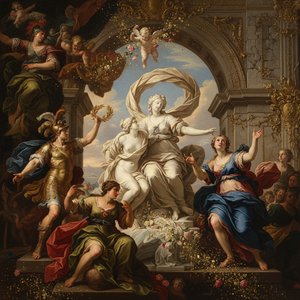
In the grand tapestry of the late Baroque era, few moments capture the delicate balance between earthly exhaustion and celestial protection as poignantly as Martino Altomonte’s Rest on the Flight to Egypt. Painted in 1737, this masterpiece invites the viewer into a sacred sanctuary amidst a perilous journey. The scene depicts the Holy Family—Mary, Joseph, and the infant Jesus—finding a fleeting moment of repose. There is an undeniable tenderness in the way the figures are clustered, a quiet intimacy that stands in stark contrast to the sweeping, dramatic heavens above. As they rest, the weight of their flight from tyranny is momentarily lifted, replaced by a profound sense of peace that radiates from the canvas.
Altomonte, a painter whose lineage traces back to the vibrant traditions of Naples and the refined academies of Rome, utilizes his mastery of light to elevate this biblical narrative. The composition is anchored by the earthly presence of the family, yet it is pulled upward by a celestial host. Angels descend from the clouds, some hovering with ethereal grace and others standing as silent sentinels around the weary travelers. This interplay between the terrestrial and the divine creates a sense of depth that is both physically immersive and spiritually uplifting, making the painting feel less like a static image and more like a window into a miraculous event.
Mastery of Baroque Light and Composition
Technically, the work is a triumph of the Baroque style, showcasing Altomonte’s ability to blend Neapolitan chiaroscuro with the luminous, airy tones reminiscent of Venetian masters. The artist employs a sophisticated use of light to direct the eye; a soft, divine glow illuminates the faces of the Holy Family, highlighting their expressions of quiet contemplation and fatigue. This light does not merely illuminate the scene but serves as a symbolic presence, representing the grace that accompanies them on their flight. The backdrop of billowing, dramatic clouds adds a layer of theatricality, a hallmark of the era, which lends a sense of movement and cosmic importance to this humble rest stop.
For the discerning collector or interior designer, this painting offers more than just historical significance; it provides a profound emotional anchor for any space. The subtle textures of the drapery, the soft skin tones of the infant, and the atmospheric depth of the sky are all rendered with a precision that makes a high-quality reproduction feel truly alive. Whether placed in a formal gallery setting or as a focal point in a sophisticated living space, the artwork commands attention through its ability to evoke nostalgia, reverence, and a sense of timeless tranquility.
A Legacy of Devotion and Artistry
To understand this work is to understand the journey of Martino Altomonte himself. Having trained under legends like Giovanni Battista Gaulli and Carlo Maratti, Altomonte brought a sophisticated academic rigor to his compositions. His ability to weave together the dramatic tension of battle scenes with the soulful intimacy of religious subjects allowed him to become a preferred painter for European royalty. In Rest on the Flight to Egypt, we see the culmination of this training—a painting that is as much about the human condition of seeking refuge as it is about the divine promise of protection.
Owning or displaying a reproduction of such a significant piece allows one to bring a fragment of 18th-century spiritual grandeur into the modern home. It serves as a reminder of the beauty found in moments of stillness and the enduring power of art to bridge the gap between the mortal and the eternal. This painting remains a breathtaking testament to Altomonte’s ability to capture the sublime, making it an essential acquisition for those who appreciate the profound emotional resonance of the Baroque tradition.
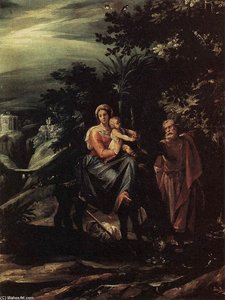
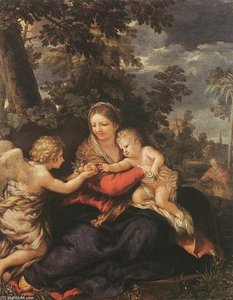
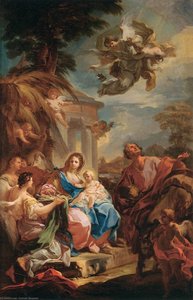
Похожие произведения
Биография художника
Martino Altomonte: A Life in Baroque Art
- Born: Naples, Italy (1657)
- Died: 1745
- Other Names: Johann Martin Hohenberg
Martino Altomonte, born Johann Martin Hohenberg, was a significant Italian Baroque painter of Austrian descent. His career spanned Poland and Austria, leaving behind a legacy of vibrant battle scenes, royal portraits, and impressive altarpieces that reflect the artistic currents of his time.
Early Life and Training
- Family Background: Altomonte’s father, Michael Hohenberg, emigrated from Tyrol to Naples.
- Apprenticeship in Rome: At the age of 15, he was apprenticed to Giovanni Battista Gaulli (Baciccio) in Rome, a leading figure in monumental Baroque painting.
- Further Studies: He later trained under Carlo Maratti, another prominent Roman painter known for his classical influences.
- Name Change: In 1684, upon becoming the court painter of John III Sobieski, King of Poland, he adopted the name Altomonte.
Career in Poland and Artistic Development
- Royal Court Painter: As the court painter to King John III Sobieski, Altomonte primarily focused on battle pieces (notably depicting the Siege of Vienna) and royal portraits.
- Religious Works: He also produced numerous altarpieces, though many have not survived.
- Early Style: The surviving "Sacrifice of Abraham" (Tarnów Diocese Museum) demonstrates Altomonte’s early style as a “follower of Neapolitan chiaroscuro painting.”
- Son's Career: His son, Bartolomeo Altomonte, also became a painter, born in 1694.
Vienna and the Development of Viennese Baroque
- Move to Vienna: Around 1699-1702, Altomonte relocated to Vienna, where he spent the remainder of his career.
- Academic Recognition: In 1707, he was appointed a teaching member of the Akademie der bildenden Künste (Academy of Fine Arts).
- Neue Favorita Commission: This likely led to a commission to decorate the Neue Favorita, an annex of Schloss Augarten.
- Synthesis of Styles: Altomonte’s oil paintings during this period reveal a unique style blending Neapolitan chiaroscuro with Venetian pastel tones, contributing significantly to the development of Viennese Baroque painting.
- Notable Works in Vienna: He created ceiling paintings for the Archbishop's Residenz at Salzburg (1709-10), altar paintings for the Dorotheerkirche (1713), the Peterskirche and Stephansdom (both 1714), the parish church in Krems, and the Deutschordenskirche in Ljubljana (both 1715).
- Further Commissions: He painted ceiling frescoes in the Lower Belvedere in Vienna (1716).
Major Works and Legacy
- Alexander Cutting the Gordian Knot (1708) – Demonstrates his skill in depicting dramatic historical scenes.
- The Ascension of Mary (1737) – A significant high altarpiece at the Stiftskirche Wilhering, showcasing his religious artistry.
- High Altarpiece (1738–40) of the Ursuline Church dedicated to St. Michael in Linz - Another example of his impressive altar work.
- The Apotheosis of St. Leopold (ca. 1750) – A later work reflecting his continued artistic evolution.
- Influence: Altomonte is recognized as a pioneer of Viennese Baroque painting, bridging the gap between Italian and Austrian artistic traditions. His ability to combine Neapolitan drama with Venetian color created a distinctive style that influenced subsequent generations of artists.
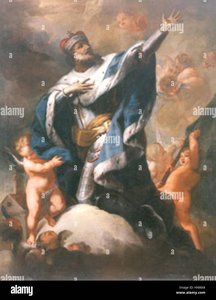
Martino Altomonte
1657 - 1745 , Italy
Основные сведения
- Artistic Movement Or Style: Baroque
- Artists Or Movements Influenced By This Artist: ['Viennese Baroque painting']
- Artists Who Influenced This Artist:
- Giovanni Battista Gaulli
- Carlo Maratti
- Luca Giordano
- Sebastiano Ricci
- Date Of Birth: May 8, 1657
- Date Of Death: 1745
- Full Name: Martino Altomonte
- Nationality: Italian, Austrian
- Notable Artworks:
- Alexander cutting the gordian knot
- The ascension of mary
- High altarpiece (Stiftskirche Wilhering)
- High altarpiece (Ursuline Church, Linz)
- Place Of Birth: Naples, Italy
Похожие статьи
Theatricality & Triumph: Baroque Drama in Painting & Sculpture
Explore the dramatic world of Baroque art! Discover its history, defining characteristics, & lasting influence on painting & sculpture. Expert insights into Caravaggio, Zurbarán, and Bernini – plus high-quality reproductions at ArtsDot.

The Visceral Stage: Exploring Dramatic Narratives & Emotional Intensity in Baroque Art
Explore the dramatic world of Baroque art! Discover iconic masters like Caravaggio & Rembrandt, their techniques, and the movement's lasting impact. Expert insights for collectors & enthusiasts at ArtsDot.

The Dramatic Flourish: Exploring the Baroque Movement's Enduring Legacy in Art History
Explore the dramatic world of Baroque art! Discover iconic artists like Caravaggio & Rubens, defining techniques, and its lasting impact on art history. Expert insights for collectors & enthusiasts at ArtsDot.

10 Шедевров Барокко: Искусство, изменившее мир | ArtsDot.com
Погрузитесь в мир барокко! 10 шедевров Караваджо, Рембрандта и других великих художников. Узнайте историю создания культовых картин и найдите идеальную репродукцию для вашего интерьера на ArtsDot.com

Барочная драма: Искусство величия в современном интерьере
Погрузитесь в мир роскоши и величия барокко! Узнайте об истории стиля, ключевых элементах интерьера и архитектуре. Вдохновляйтесь с и создайте свой неповторимый дизайн.