

 Предпросмотр
 Поделиться
 Поделиться
 Детали произведения

 Скачать
 Похожие работы
 Рентгенография
 Слайд-шоу
 Статистика
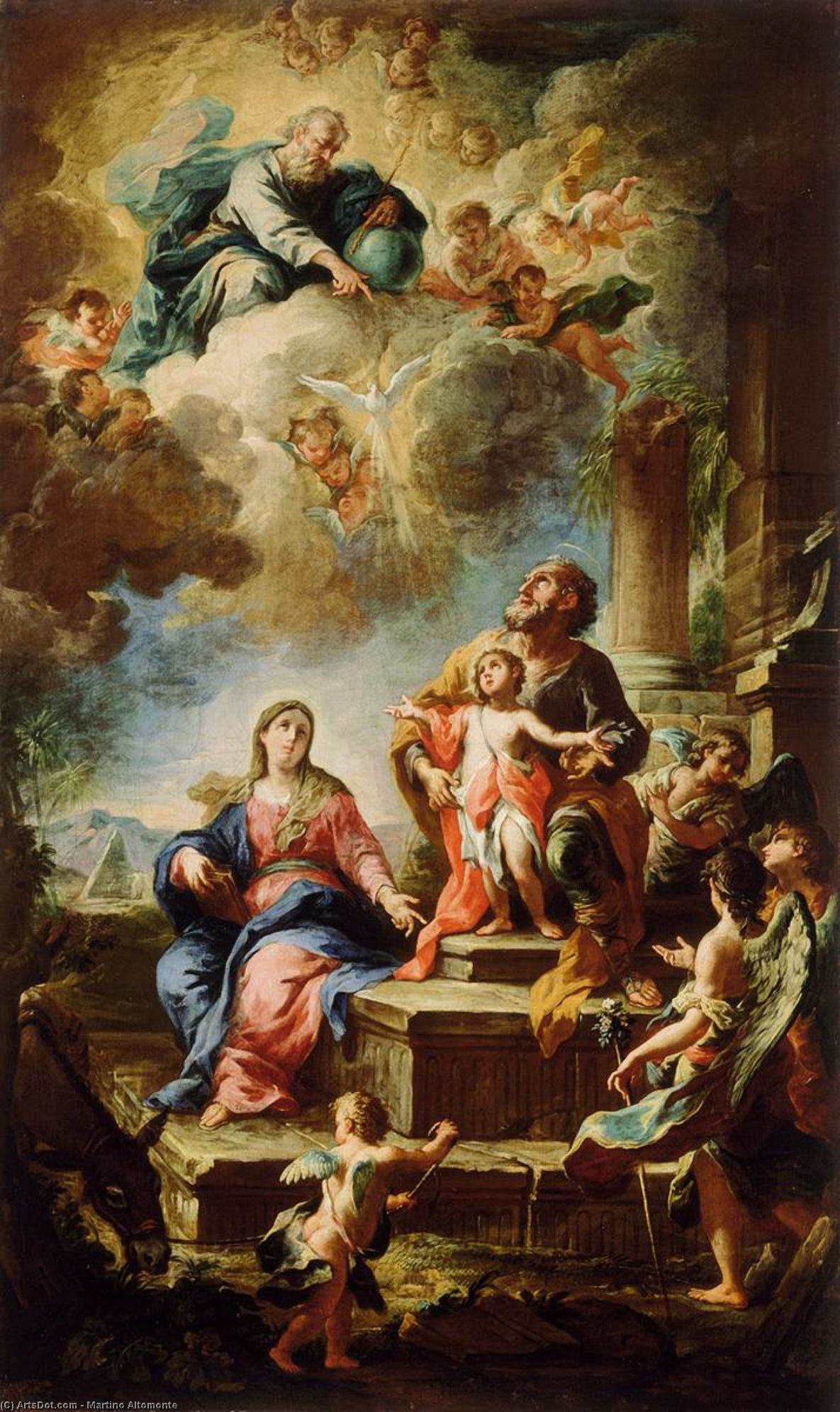
Rest on the Flight to Egypt
 Oil
Oil- WallArt
- Baroque
 1737
1737- Early Modern
 78.0 x 129.0 cm
 Галерея Национальной Словении
 Читать далее
Приобретите цифровое изображение высокого разрешения в улучшенном качестве, которое значительно превосходит онлайн-превью.
Каждый файл тщательно подготавливается нашими специалистами с использованием передовых инструментов и экспертной ручной ретуши. Мы гарантируем исключительную четкость, точную цветопередачу и детальную проработку каждого изображения.
Финальный файл доставляется по электронной почте в течение 72 часов и оптимизирован для немедленного использования в профессиональной среде, при верстке и печати. Это тот же уровень качества, которому доверяют ведущие дизайнерские студии, издательства и галереи.
Цифровое изображение
Скачайте файл высокого разрешения для личного использования, печати и творческих проектов. ( Перейти к печати Купить картину ручной работы)
Включено в каждый заказ цифровых изображений
Гарантия экспертной цифровой доставки
Выбирая ArtsDot.com, вы получаете не просто изображение — вы приобретаете профессионально обработанное цифровое произведение искусства, созданное с безупречной точностью и под защитой гарантии качества. Вот всё, что автоматически входит в ваш заказ:

Мгновенная доставка по e-mail
Ваш цифровой файл в высоком разрешении будет отправлен вам по электронной почте в течение 72 часов после оформления заказа — и сразу станет доступен для использования.

Цифровой файл с ИИ-улучшением
Ваше произведение искусства проходит профессиональную оптимизацию с использованием передовых инструментов ИИ и ручной обработки, что гарантирует максимальную детализацию, четкость и точность цветопередачи.

Бессрочная бесплатная повторная доставка
Случайно удалили или потеряли файл? Не беспокойтесь — мы отправим его вам повторно в любое время и совершенно бесплатно.

Без импортных пошлин — навсегда
Наслаждайтесь вашим произведением искусства мгновенно без таможенных пошлин, сборов или затрат на доставку — цифровые загрузки всегда не облагаются налогом.

Гарантия точности цветопередачи
Мы гарантируем, что ваше цифровое изображение максимально точно передает оригинальные цвета благодаря использованию профессиональных инструментов и систем управления цветом.

Гарантия удовлетворенности 100 дней
Если вы не будете удовлетворены своим цифровым изображением, мы внесем правки или вернем 100% стоимости в течение 100 дней — без лишних вопросов.

100% Гарантия возврата средств
Не удовлетворены покупкой? Получите полный возврат средств в течение 100 дней после получения цифрового файла — без лишних вопросов.

Скидки на оптовые заказы
Купите 3 изображения, сэкономьте 10% — Купите 5, сэкономьте 15% — Купите 10+, сэкономьте 20%. Отличное решение для творческих проектов, галерей и агентств.
A Divine Interlude: The Serenity of Altomonte’s Vision
In the grand tapestry of the late Baroque era, few moments capture the delicate balance between earthly exhaustion and celestial protection as poignantly as Martino Altomonte’s Rest on the Flight to Egypt. Painted in 1737, this masterpiece invites the viewer into a sacred sanctuary amidst a perilous journey. The scene depicts the Holy Family—Mary, Joseph, and the infant Jesus—finding a fleeting moment of repose. There is an undeniable tenderness in the way the figures are clustered, a quiet intimacy that stands in stark contrast to the sweeping, dramatic heavens above. As they rest, the weight of their flight from tyranny is momentarily lifted, replaced by a profound sense of peace that radiates from the canvas.
Altomonte, a painter whose lineage traces back to the vibrant traditions of Naples and the refined academies of Rome, utilizes his mastery of light to elevate this biblical narrative. The composition is anchored by the earthly presence of the family, yet it is pulled upward by a celestial host. Angels descend from the clouds, some hovering with ethereal grace and others standing as silent sentinels around the weary travelers. This interplay between the terrestrial and the divine creates a sense of depth that is both physically immersive and spiritually uplifting, making the painting feel less like a static image and more like a window into a miraculous event.
Mastery of Baroque Light and Composition
Technically, the work is a triumph of the Baroque style, showcasing Altomonte’s ability to blend Neapolitan chiaroscuro with the luminous, airy tones reminiscent of Venetian masters. The artist employs a sophisticated use of light to direct the eye; a soft, divine glow illuminates the faces of the Holy Family, highlighting their expressions of quiet contemplation and fatigue. This light does not merely illuminate the scene but serves as a symbolic presence, representing the grace that accompanies them on their flight. The backdrop of billowing, dramatic clouds adds a layer of theatricality, a hallmark of the era, which lends a sense of movement and cosmic importance to this humble rest stop.
For the discerning collector or interior designer, this painting offers more than just historical significance; it provides a profound emotional anchor for any space. The subtle textures of the drapery, the soft skin tones of the infant, and the atmospheric depth of the sky are all rendered with a precision that makes a high-quality reproduction feel truly alive. Whether placed in a formal gallery setting or as a focal point in a sophisticated living space, the artwork commands attention through its ability to evoke nostalgia, reverence, and a sense of timeless tranquility.
A Legacy of Devotion and Artistry
To understand this work is to understand the journey of Martino Altomonte himself. Having trained under legends like Giovanni Battista Gaulli and Carlo Maratti, Altomonte brought a sophisticated academic rigor to his compositions. His ability to weave together the dramatic tension of battle scenes with the soulful intimacy of religious subjects allowed him to become a preferred painter for European royalty. In Rest on the Flight to Egypt, we see the culmination of this training—a painting that is as much about the human condition of seeking refuge as it is about the divine promise of protection.
Owning or displaying a reproduction of such a significant piece allows one to bring a fragment of 18th-century spiritual grandeur into the modern home. It serves as a reminder of the beauty found in moments of stillness and the enduring power of art to bridge the gap between the mortal and the eternal. This painting remains a breathtaking testament to Altomonte’s ability to capture the sublime, making it an essential acquisition for those who appreciate the profound emotional resonance of the Baroque tradition.
Похожие произведения
Биография художника
Martino Altomonte: A Life in Baroque Art
- Born: Naples, Italy (1657)
- Died: 1745
- Other Names: Johann Martin Hohenberg
Martino Altomonte, born Johann Martin Hohenberg, was a significant Italian Baroque painter of Austrian descent. His career spanned Poland and Austria, leaving behind a legacy of vibrant battle scenes, royal portraits, and impressive altarpieces that reflect the artistic currents of his time.
Early Life and Training
- Family Background: Altomonte’s father, Michael Hohenberg, emigrated from Tyrol to Naples.
- Apprenticeship in Rome: At the age of 15, he was apprenticed to Giovanni Battista Gaulli (Baciccio) in Rome, a leading figure in monumental Baroque painting.
- Further Studies: He later trained under Carlo Maratti, another prominent Roman painter known for his classical influences.
- Name Change: In 1684, upon becoming the court painter of John III Sobieski, King of Poland, he adopted the name Altomonte.
Career in Poland and Artistic Development
- Royal Court Painter: As the court painter to King John III Sobieski, Altomonte primarily focused on battle pieces (notably depicting the Siege of Vienna) and royal portraits.
- Religious Works: He also produced numerous altarpieces, though many have not survived.
- Early Style: The surviving "Sacrifice of Abraham" (Tarnów Diocese Museum) demonstrates Altomonte’s early style as a “follower of Neapolitan chiaroscuro painting.”
- Son's Career: His son, Bartolomeo Altomonte, also became a painter, born in 1694.
Vienna and the Development of Viennese Baroque
- Move to Vienna: Around 1699-1702, Altomonte relocated to Vienna, where he spent the remainder of his career.
- Academic Recognition: In 1707, he was appointed a teaching member of the Akademie der bildenden Künste (Academy of Fine Arts).
- Neue Favorita Commission: This likely led to a commission to decorate the Neue Favorita, an annex of Schloss Augarten.
- Synthesis of Styles: Altomonte’s oil paintings during this period reveal a unique style blending Neapolitan chiaroscuro with Venetian pastel tones, contributing significantly to the development of Viennese Baroque painting.
- Notable Works in Vienna: He created ceiling paintings for the Archbishop's Residenz at Salzburg (1709-10), altar paintings for the Dorotheerkirche (1713), the Peterskirche and Stephansdom (both 1714), the parish church in Krems, and the Deutschordenskirche in Ljubljana (both 1715).
- Further Commissions: He painted ceiling frescoes in the Lower Belvedere in Vienna (1716).
Major Works and Legacy
- Alexander Cutting the Gordian Knot (1708) – Demonstrates his skill in depicting dramatic historical scenes.
- The Ascension of Mary (1737) – A significant high altarpiece at the Stiftskirche Wilhering, showcasing his religious artistry.
- High Altarpiece (1738–40) of the Ursuline Church dedicated to St. Michael in Linz - Another example of his impressive altar work.
- The Apotheosis of St. Leopold (ca. 1750) – A later work reflecting his continued artistic evolution.
- Influence: Altomonte is recognized as a pioneer of Viennese Baroque painting, bridging the gap between Italian and Austrian artistic traditions. His ability to combine Neapolitan drama with Venetian color created a distinctive style that influenced subsequent generations of artists.
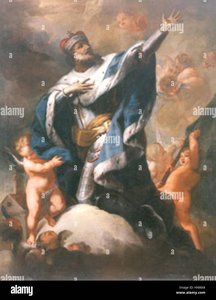
Martino Altomonte
1657 - 1745 , Italy
Основные сведения
- Artistic Movement Or Style: Baroque
- Artists Or Movements Influenced By This Artist: ['Viennese Baroque painting']
- Artists Who Influenced This Artist:
- Giovanni Battista Gaulli
- Carlo Maratti
- Luca Giordano
- Sebastiano Ricci
- Date Of Birth: May 8, 1657
- Date Of Death: 1745
- Full Name: Martino Altomonte
- Nationality: Italian, Austrian
- Notable Artworks:
- Alexander cutting the gordian knot
- The ascension of mary
- High altarpiece (Stiftskirche Wilhering)
- High altarpiece (Ursuline Church, Linz)
- Place Of Birth: Naples, Italy