 Предпросмотр
 Поделиться
 Поделиться
 Детали произведения

 Скачать
 Похожие работы
 Рентгенография
 Слайд-шоу
 Статистика
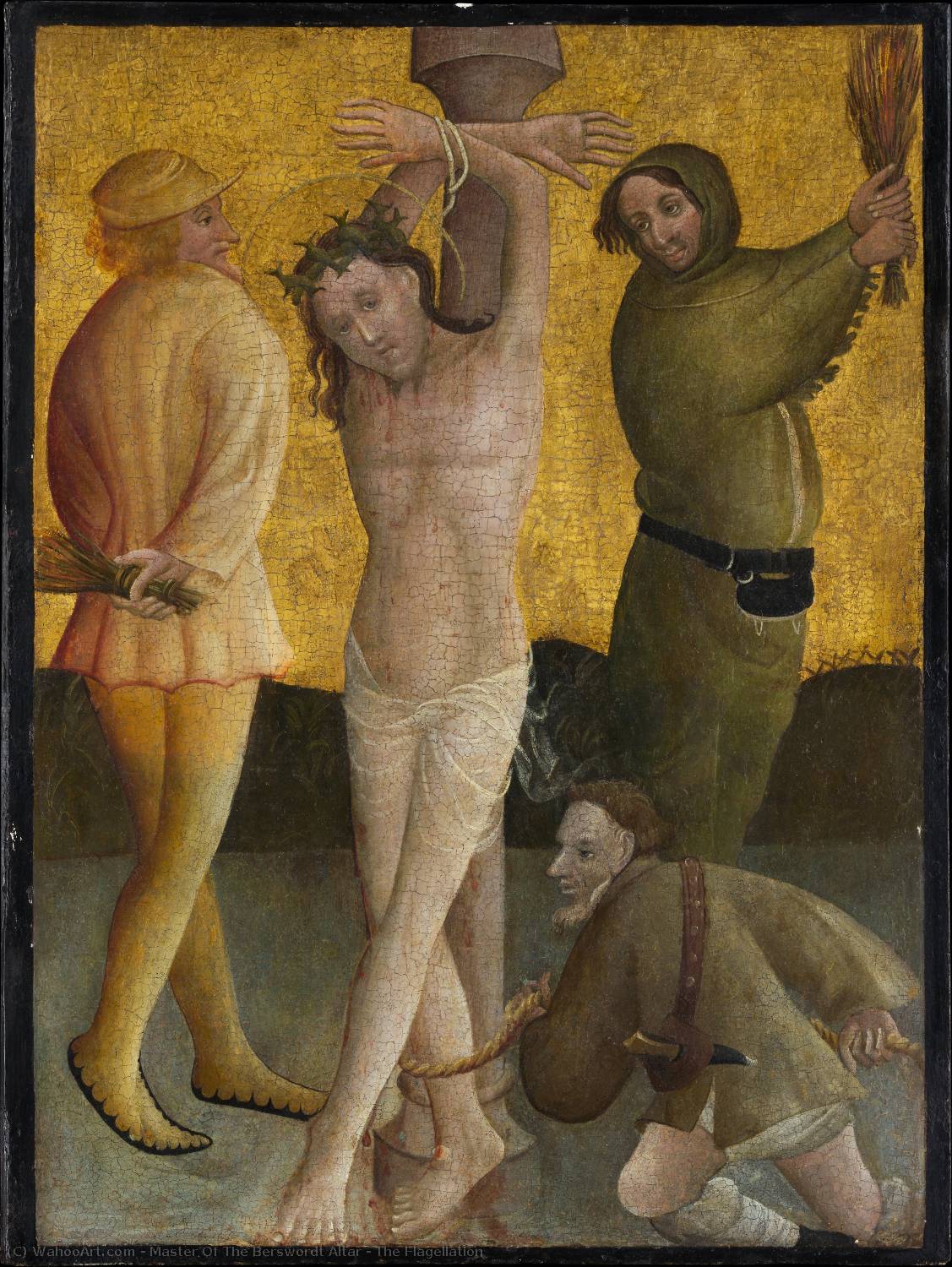
The Flagellation
 Oil On Panel
- International Gothic
 1400
1400 58.0 x 43.0 cm
 Музей Метрополитен
 Читать далее
Приобретите цифровое изображение высокого разрешения в улучшенном качестве, которое значительно превосходит онлайн-превью.
Каждый файл тщательно подготавливается нашими специалистами с использованием передовых инструментов и экспертной ручной ретуши. Мы гарантируем исключительную четкость, точную цветопередачу и детальную проработку каждого изображения.
Финальный файл доставляется по электронной почте в течение 72 часов и оптимизирован для немедленного использования в профессиональной среде, при верстке и печати. Это тот же уровень качества, которому доверяют ведущие дизайнерские студии, издательства и галереи.
Цифровое изображение
Скачайте файл высокого разрешения для личного использования, печати и творческих проектов. ( Перейти к печати Купить картину ручной работы)
Включено в каждый заказ цифровых изображений
Гарантия экспертной цифровой доставки
Выбирая ArtsDot.com, вы получаете не просто изображение — вы приобретаете профессионально обработанное цифровое произведение искусства, созданное с безупречной точностью и под защитой гарантии качества. Вот всё, что автоматически входит в ваш заказ:

Мгновенная доставка по e-mail
Ваш цифровой файл в высоком разрешении будет отправлен вам по электронной почте в течение 72 часов после оформления заказа — и сразу станет доступен для использования.

Цифровой файл с ИИ-улучшением
Ваше произведение искусства проходит профессиональную оптимизацию с использованием передовых инструментов ИИ и ручной обработки, что гарантирует максимальную детализацию, четкость и точность цветопередачи.

Бессрочная бесплатная повторная доставка
Случайно удалили или потеряли файл? Не беспокойтесь — мы отправим его вам повторно в любое время и совершенно бесплатно.

Без импортных пошлин — навсегда
Наслаждайтесь вашим произведением искусства мгновенно без таможенных пошлин, сборов или затрат на доставку — цифровые загрузки всегда не облагаются налогом.

Гарантия точности цветопередачи
Мы гарантируем, что ваше цифровое изображение максимально точно передает оригинальные цвета благодаря использованию профессиональных инструментов и систем управления цветом.

Гарантия удовлетворенности 100 дней
Если вы не будете удовлетворены своим цифровым изображением, мы внесем правки или вернем 100% стоимости в течение 100 дней — без лишних вопросов.

100% Гарантия возврата средств
Не удовлетворены покупкой? Получите полный возврат средств в течение 100 дней после получения цифрового файла — без лишних вопросов.

Скидки на оптовые заказы
Купите 3 изображения, сэкономьте 10% — Купите 5, сэкономьте 15% — Купите 10+, сэкономьте 20%. Отличное решение для творческих проектов, галерей и агентств.
The Flagellation: A Window into Late Medieval Devotion
The Master of the Bremen Altarpiece’s “The Flagellation,” painted circa 1400, is more than just a depiction of Christ's suffering; it’s a profound meditation on sacrifice, faith, and the transition between artistic traditions. This remarkable panel, originally part of a monumental altarpiece commissioned for the Marienkirche in Bielefeld, Westphalia, offers a captivating glimpse into the vibrant world of International Gothic art during its twilight years. The painting's power lies not just in its technical mastery but also in its ability to evoke a deep sense of empathy and spiritual contemplation.
The scene itself is both familiar and intensely moving. Christ, stripped bare and bound, endures the brutal reality of his scourging at the hands of Roman soldiers. The artist skillfully renders the physicality of the ordeal – the strained muscles, the bloodied skin – with a realism that belies the idealized aesthetic of the International Gothic style. Yet, this isn’t a glorification of violence; rather, it's presented as an unavoidable consequence of Christ’s divine sacrifice. The figures surrounding him—a servant offering rushes to cleanse his wounds and a hooded monk observing in silent sorrow—add layers of complexity to the narrative, suggesting both earthly compassion and profound spiritual reflection.
A Synthesis of Styles: International Gothic at its Peak
“The Flagellation” exemplifies the hallmarks of the International Gothic style, a movement that flourished throughout Europe during the 14th and 15th centuries. Characterized by its elegance, refined detail, and luxurious materials, this style drew inspiration from French Rayonnant Gothic architecture, Italian Renaissance motifs, and the intricate illuminated manuscripts of the era. The Master of the Bremen Altarpiece skillfully blended these influences, creating a work that is both formally sophisticated and emotionally resonant.
Notice the meticulous attention to detail – the folds of Christ’s garment, the texture of his skin, the subtle expressions on the faces of the onlookers. Gold leaf accents, typical of this period, are used sparingly but effectively to enhance the sense of opulence and divine presence. The composition itself is carefully balanced, with a clear hierarchy of figures that draws the viewer's eye directly to Christ at the center of the scene. The use of perspective, though not fully developed as in later Renaissance painting, creates a convincing illusion of depth, anchoring the narrative within a believable space.
Technique and Materials: A Master’s Hand
Painted on wood panel, “The Flagellation” showcases the artist's mastery of tempera paint – a medium known for its luminous quality and ability to create rich, vibrant colors. The layering of thin glazes allows light to penetrate through the pigments, creating a sense of depth and luminosity that is particularly evident in the depiction of Christ’s flesh tones. The use of gold leaf adds a further layer of richness and symbolism, representing divine grace and glory.
It's important to note that this panel was originally part of a larger altarpiece, and elements of the original design—including the background architecture—may have been transferred to the plywood support after the altarpiece was dismantled. This practice was common at the time, allowing artists to reuse panels from previous works and adapt them to new commissions. The careful restoration efforts undertaken in recent years have helped to preserve the painting's integrity and reveal its original splendor.
Symbolism and Legacy: Bridging Traditions
“The Flagellation” is not merely a historical artifact; it’s a powerful symbol of Christian faith, sacrifice, and redemption. The image resonates with viewers across centuries because it taps into universal themes of suffering, compassion, and hope. Furthermore, the painting represents a crucial transitional moment in art history – a bridge between the stylized elegance of traditional Gothic art and the emerging realism of Early Netherlandish painting.
The Master of the Bremen Altarpiece’s work paved the way for future generations of artists, influencing the development of Northern Renaissance painting. His ability to combine technical skill with emotional depth continues to inspire admiration and study today. “The Flagellation” stands as a testament to his artistic genius and a poignant reminder of the enduring power of art to illuminate the human condition.