

 Предпросмотр
 Поделиться
 Поделиться
 Детали произведения

 Скачать
 Похожие работы
 Рентгенография
 Слайд-шоу
 Статистика
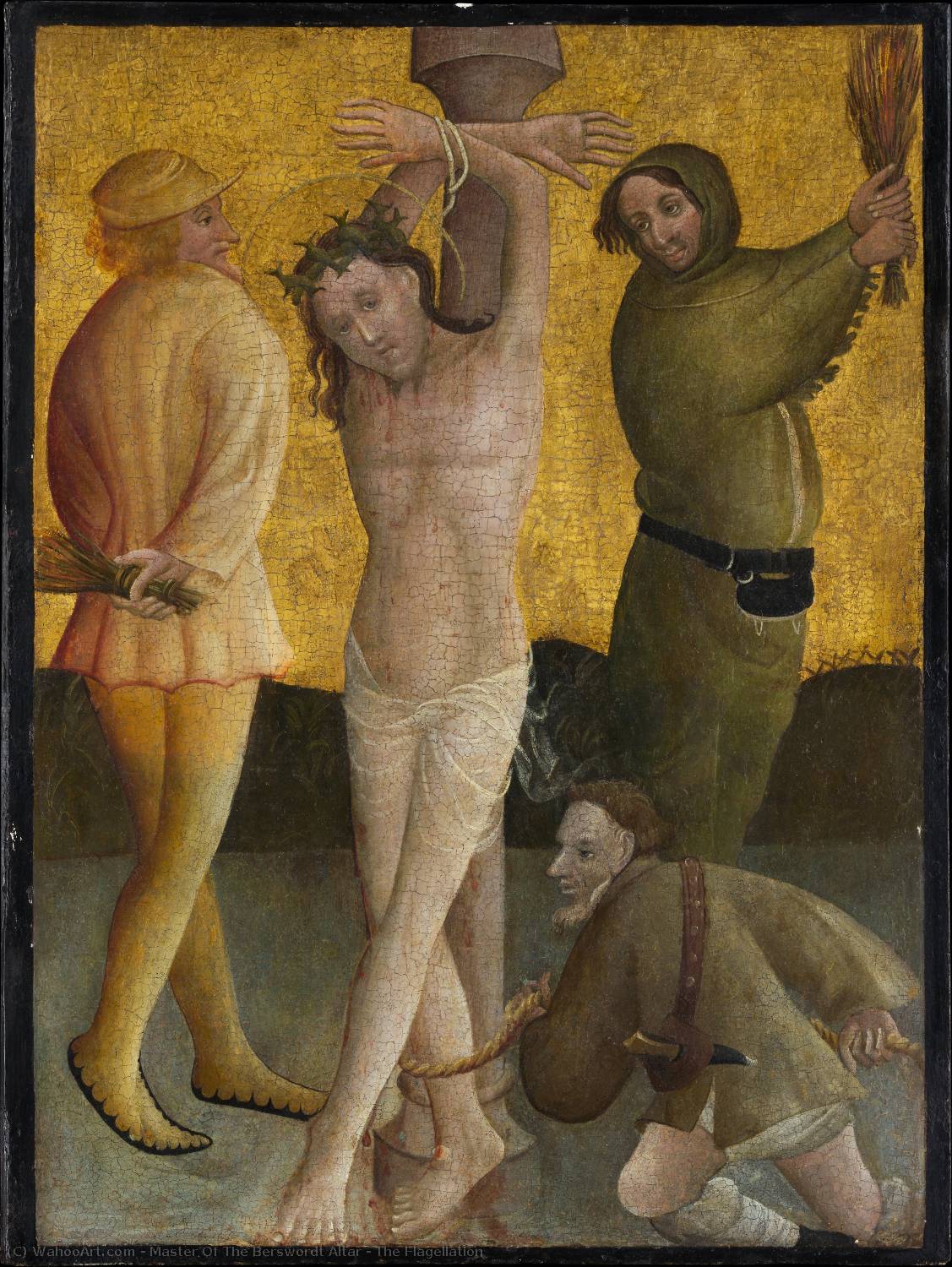
The Flagellation
 Oil On Panel
- International Gothic
 1400
1400 58.0 x 43.0 cm
 Музей Метрополитен
 Читать далее
Жикле / Арт-принт
Печать (жикле) или холст музейного качества с быстрыми сроками изготовления и широким выбором вариантов отделки. ( Купить картину ручной работы Перейти к цифровым изображениям)




P118B $10

P118H $10

P118W $10

P438Z $10

P508JH $12

P508YH $12

P805H $10

P805Z $10

P919BZ $10

P919G $10

P919XJ $10

P959ZH $10

P968JZ $12

W106C $8

W218G $10

W218JH $8

W218Y $10

W307PJ $10

W316G $10

W316PJ $8

W316Y $10

W398PJ $8

W4111J $10

W500HY $15

W500JH $15

W692G $12

W849H $8

W940BG $15

W953PJ $8




Выберите один из наших стандартных размеров, соответствующих оригинальным пропорциям произведения искусства.

Вы можете указать свои собственные размеры, чтобы репродукция идеально подошла под конкретную раму или пространство. Если выбранный вами размер не будет соответствовать пропорциям оригинала, мы либо обрежем произведение, либо дополним изображение зеркальным отражением краев или однотонной заливкой. Перед началом производства вам будет отправлен цифровой макет для утверждения.
Пожалуйста, обратите внимание, что предварительный просмотр на экране не отображает фактическую обрезку или расширение изображения. Только макет точно покажет финальную композицию.
Несмотря на возможность заказа индивидуальных размеров, мы рекомендуем выбирать размер из предопределенного списка, чтобы сохранить оригинальные пропорции.
Доставка по всему миру () за 2 недели вместо стандартных 4/5 недель. (13 Сентябрь)

Бесплатная экспресс-доставка по всему миру

Высококачественный льняной холст

Полное страхование доставки

Гарантия возмещения таможенных пошлин

Гарантия точного соответствия цветов

100-дневная политика возврата (только при обнаружении дефектов)

Гарантия возврата 100% средств

Предложение оптовых скидок
 Вариант со стеклом доступен только для размеров менее 110 см

The Flagellation
Жикле / Арт-принт
Размер репродукции
-


Итоговая стоимость
$ 62
The Flagellation: A Window into Late Medieval Devotion
The Master of the Bremen Altarpiece’s “The Flagellation,” painted circa 1400, is more than just a depiction of Christ's suffering; it’s a profound meditation on sacrifice, faith, and the transition between artistic traditions. This remarkable panel, originally part of a monumental altarpiece commissioned for the Marienkirche in Bielefeld, Westphalia, offers a captivating glimpse into the vibrant world of International Gothic art during its twilight years. The painting's power lies not just in its technical mastery but also in its ability to evoke a deep sense of empathy and spiritual contemplation.
The scene itself is both familiar and intensely moving. Christ, stripped bare and bound, endures the brutal reality of his scourging at the hands of Roman soldiers. The artist skillfully renders the physicality of the ordeal – the strained muscles, the bloodied skin – with a realism that belies the idealized aesthetic of the International Gothic style. Yet, this isn’t a glorification of violence; rather, it's presented as an unavoidable consequence of Christ’s divine sacrifice. The figures surrounding him—a servant offering rushes to cleanse his wounds and a hooded monk observing in silent sorrow—add layers of complexity to the narrative, suggesting both earthly compassion and profound spiritual reflection.
A Synthesis of Styles: International Gothic at its Peak
“The Flagellation” exemplifies the hallmarks of the International Gothic style, a movement that flourished throughout Europe during the 14th and 15th centuries. Characterized by its elegance, refined detail, and luxurious materials, this style drew inspiration from French Rayonnant Gothic architecture, Italian Renaissance motifs, and the intricate illuminated manuscripts of the era. The Master of the Bremen Altarpiece skillfully blended these influences, creating a work that is both formally sophisticated and emotionally resonant.
Notice the meticulous attention to detail – the folds of Christ’s garment, the texture of his skin, the subtle expressions on the faces of the onlookers. Gold leaf accents, typical of this period, are used sparingly but effectively to enhance the sense of opulence and divine presence. The composition itself is carefully balanced, with a clear hierarchy of figures that draws the viewer's eye directly to Christ at the center of the scene. The use of perspective, though not fully developed as in later Renaissance painting, creates a convincing illusion of depth, anchoring the narrative within a believable space.
Technique and Materials: A Master’s Hand
Painted on wood panel, “The Flagellation” showcases the artist's mastery of tempera paint – a medium known for its luminous quality and ability to create rich, vibrant colors. The layering of thin glazes allows light to penetrate through the pigments, creating a sense of depth and luminosity that is particularly evident in the depiction of Christ’s flesh tones. The use of gold leaf adds a further layer of richness and symbolism, representing divine grace and glory.
It's important to note that this panel was originally part of a larger altarpiece, and elements of the original design—including the background architecture—may have been transferred to the plywood support after the altarpiece was dismantled. This practice was common at the time, allowing artists to reuse panels from previous works and adapt them to new commissions. The careful restoration efforts undertaken in recent years have helped to preserve the painting's integrity and reveal its original splendor.
Symbolism and Legacy: Bridging Traditions
“The Flagellation” is not merely a historical artifact; it’s a powerful symbol of Christian faith, sacrifice, and redemption. The image resonates with viewers across centuries because it taps into universal themes of suffering, compassion, and hope. Furthermore, the painting represents a crucial transitional moment in art history – a bridge between the stylized elegance of traditional Gothic art and the emerging realism of Early Netherlandish painting.
The Master of the Bremen Altarpiece’s work paved the way for future generations of artists, influencing the development of Northern Renaissance painting. His ability to combine technical skill with emotional depth continues to inspire admiration and study today. “The Flagellation” stands as a testament to his artistic genius and a poignant reminder of the enduring power of art to illuminate the human condition.
Похожие произведения
Похожие статьи
The Radiant Dusk of Medieval Vision: Exploring Late Gothic Art's Synthesis of Faith, Form & Emotionality (c. 1300-1500)
Explore the exquisite beauty & spiritual depth of Late Gothic art (c. 1300-1500). Discover key artists, symbolism, and its lasting influence on the Renaissance. Expert insights at ArtsDot.
Late Medieval Masterpieces: 10 Artworks That Defined an Era | ArtsDot
Journey through 10 defining Late Medieval masterpieces – from Giotto's frescoes to Jan van Eyck’s realism. Explore the stories, techniques & vibrant colors of Gothic art. Find museum-quality reproductions and elevate your home decor with ArtsDot.com! Discover all masterpieces on ArtsDot.com
High Medieval Art: 10 Masterpieces That Shaped an Era | ArtsDot
Journey through High Medieval Art! Explore 10 iconic masterpieces – from Giotto's frescoes to stunning Gothic cathedrals. Discover the stories behind these timeless paintings, sculptures & illuminated manuscripts. Find museum-quality art reproductions at ArtsDot.com.
Beyond Borders: The Spiritual & Stylistic Innovations of International Gothic Art
Explore the exquisite beauty & spiritual depth of International Gothic art. Discover key artists like Simone Martini & Pol de Limbourg, its origins, symbolism, and lasting influence on European painting. Expert insights at ArtsDot.
The Shadow of Faith: Exploring Gothic Art's Spiritual Intensity & Architectural Innovation
Explore the spiritual intensity & architectural innovation of Gothic art! Discover the symbolism behind cathedrals, stained glass & master artists like Giotto and Monet. A deep dive into medieval history & artistic expression.