

 Предпросмотр
 Поделиться
 Поделиться
 Детали произведения

 Скачать
 Похожие работы
 Рентгенография
 Слайд-шоу
 Статистика
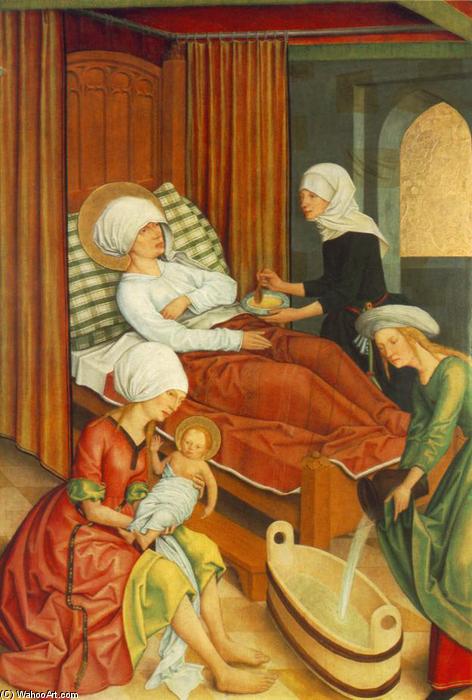
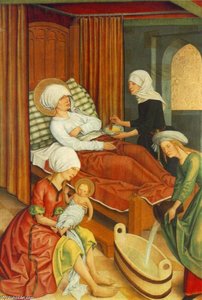
The Birth of Mary
 102.0 x 71.0 cm
 Штаатсгалери
 Читать далее
Приобретите цифровое изображение высокого разрешения в улучшенном качестве, которое значительно превосходит онлайн-превью.
Каждый файл тщательно подготавливается нашими специалистами с использованием передовых инструментов и экспертной ручной ретуши. Мы гарантируем исключительную четкость, точную цветопередачу и детальную проработку каждого изображения.
Финальный файл доставляется по электронной почте в течение 72 часов и оптимизирован для немедленного использования в профессиональной среде, при верстке и печати. Это тот же уровень качества, которому доверяют ведущие дизайнерские студии, издательства и галереи.
Цифровое изображение
Скачайте файл высокого разрешения для личного использования, печати и творческих проектов. ( Перейти к печати Купить картину ручной работы)
Включено в каждый заказ цифровых изображений
Гарантия экспертной цифровой доставки
Выбирая ArtsDot.com, вы получаете не просто изображение — вы приобретаете профессионально обработанное цифровое произведение искусства, созданное с безупречной точностью и под защитой гарантии качества. Вот всё, что автоматически входит в ваш заказ:

Мгновенная доставка по e-mail
Ваш цифровой файл в высоком разрешении будет отправлен вам по электронной почте в течение 72 часов после оформления заказа — и сразу станет доступен для использования.

Цифровой файл с ИИ-улучшением
Ваше произведение искусства проходит профессиональную оптимизацию с использованием передовых инструментов ИИ и ручной обработки, что гарантирует максимальную детализацию, четкость и точность цветопередачи.

Бессрочная бесплатная повторная доставка
Случайно удалили или потеряли файл? Не беспокойтесь — мы отправим его вам повторно в любое время и совершенно бесплатно.

Без импортных пошлин — навсегда
Наслаждайтесь вашим произведением искусства мгновенно без таможенных пошлин, сборов или затрат на доставку — цифровые загрузки всегда не облагаются налогом.

Гарантия точности цветопередачи
Мы гарантируем, что ваше цифровое изображение максимально точно передает оригинальные цвета благодаря использованию профессиональных инструментов и систем управления цветом.

Гарантия удовлетворенности 100 дней
Если вы не будете удовлетворены своим цифровым изображением, мы внесем правки или вернем 100% стоимости в течение 100 дней — без лишних вопросов.

100% Гарантия возврата средств
Не удовлетворены покупкой? Получите полный возврат средств в течение 100 дней после получения цифрового файла — без лишних вопросов.

Скидки на оптовые заказы
Купите 3 изображения, сэкономьте 10% — Купите 5, сэкономьте 15% — Купите 10+, сэкономьте 20%. Отличное решение для творческих проектов, галерей и агентств.
Похожие произведения
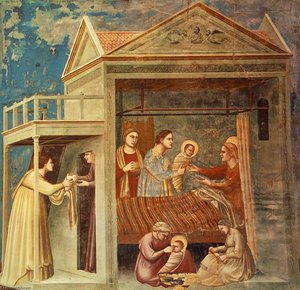
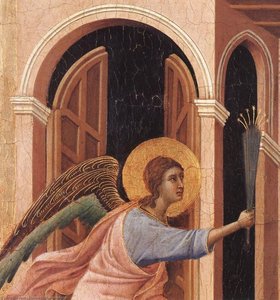
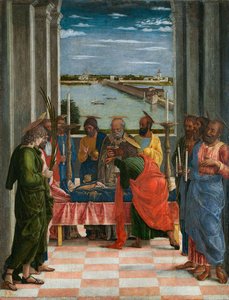
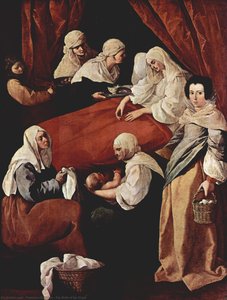
Биография художника
A Shadowy Figure in German Renaissance Art
The identity of the “Master of the Pfullendorf Altar” remains one of art history’s most enduring mysteries. This anonymous artist, active around 1500 in Southern Germany, left behind a remarkable legacy – a series of intricately detailed religious panels that offer a profound glimpse into the devotional practices and artistic sensibilities of the early German Renaissance. While his name is lost to time, his work speaks volumes, revealing a master craftsman deeply influenced by both late Gothic traditions and the burgeoning humanist ideals of the era.
Born in the region around Pfullendorf – hence the altarpiece’s namesake – the artist likely trained within a workshop environment. The Pfullendorf Altar itself, comprising eight panels depicting scenes from the Life of Mary and Prophets, is considered his magnum opus. These panels, now housed primarily at the Staatsgalerie Stuttgart, are characterized by their remarkable realism, meticulous attention to detail, and a profound sense of emotional depth. The figures aren’t idealized; they possess a tangible humanity – wrinkles, expressions of sorrow or joy, and individual characteristics that ground them in a recognizable reality.
The Pfullendorf Altar: A Window into Faith
The altarpiece itself was designed as a multi-faceted devotional experience. Originally conceived as a three-winged structure, it presented a continuous narrative of Mary’s life and the prophetic figures who heralded her destiny. The outer wings depicted scenes from the Passion of Christ – a poignant reminder of humanity's need for redemption. When closed, these panels would have revealed four carved relief figures, likely depicting St. Ottilie and another female saint, adding layers of symbolism to the overall composition.
The artist’s skill is particularly evident in his portrayal of the prophets. Each figure is rendered with a distinct personality and gesture, conveying not just their prophetic role but also their individual character. These aren't simply symbolic representations; they are fully realized human beings, imbued with a sense of gravitas and wisdom. The use of color is restrained yet effective, emphasizing the figures’ forms and creating a harmonious visual balance.
Technique and Influences
The Master of the Pfullendorf Altar worked primarily in tempera on fir wood, a technique that allowed for rich colors and subtle gradations. His style demonstrates a masterful command of perspective and spatial relationships, anticipating developments in Renaissance painting while retaining elements of late Gothic artistic conventions. The influence of Italian Renaissance artists, particularly those working in Florence, is subtly present – most notably in the artist’s use of light and shadow to create depth and volume.
However, the Pfullendorf Altar also reflects the specific religious and cultural context of Southern Germany. The emphasis on Mary as a model of piety and humility aligns with the prevailing devotional practices of the region. The incorporation of local saints – such as St. Ottilie, a patron saint of Pfullendorf – further anchors the altarpiece within its regional identity.
Legacy and Significance
Despite his anonymity, the Master of the Pfullendorf Altar remains one of the most important figures in German Renaissance art. His work exemplifies the artistic achievements of the period, showcasing a remarkable blend of technical skill, religious devotion, and humanistic sensibility. The Pfullendorf Altar is not merely a collection of paintings; it’s a testament to the power of art to inspire faith, evoke emotion, and illuminate the complexities of the human experience.
His influence can be seen in subsequent generations of German artists who followed in his footsteps, continuing to explore the possibilities of religious painting. The Master of the Pfullendorf Altar’s legacy endures as a reminder that even in the absence of a known name, an artist's work can speak volumes about their talent and vision.
master of the pfullendorf altar
Germany
Основные сведения
- Artistic Movement Or Style: Northern Renaissance
- Artists Or Movements Influenced By This Artist: ['German Renaissance painting']
- Artists Who Influenced This Artist:
- Rogier van der Weyden
- Hugo van der Goes
- Full Name: Master of the Pfullendorf Altar
- Nationality: German
- Notable Artworks:
- The Annunciation
- Visitation
- Nativity
- Death of the Virgin
- Place Of Birth: Pfullendorf, Germany