


 Предпросмотр
 Поделиться
 Поделиться
 Детали произведения

 Скачать
 Похожие работы
 Рентгенография
 Слайд-шоу
 Статистика
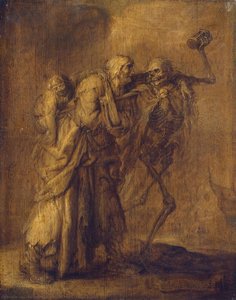
The Dance of Death
 Oil On Canvas
- WallArt
- Northern Renaissance
 1500
1500- Renaissance
 18.0 x 13.0 cm
 Музей Метрополитен
 Читать далее
Приобретите цифровое изображение высокого разрешения в улучшенном качестве, которое значительно превосходит онлайн-превью.
Каждый файл тщательно подготавливается нашими специалистами с использованием передовых инструментов и экспертной ручной ретуши. Мы гарантируем исключительную четкость, точную цветопередачу и детальную проработку каждого изображения.
Финальный файл доставляется по электронной почте в течение 72 часов и оптимизирован для немедленного использования в профессиональной среде, при верстке и печати. Это тот же уровень качества, которому доверяют ведущие дизайнерские студии, издательства и галереи.
Цифровое изображение
Скачайте файл высокого разрешения для личного использования, печати и творческих проектов. ( Перейти к печати Купить картину ручной работы)
Включено в каждый заказ цифровых изображений
Гарантия экспертной цифровой доставки
Выбирая ArtsDot.com, вы получаете не просто изображение — вы приобретаете профессионально обработанное цифровое произведение искусства, созданное с безупречной точностью и под защитой гарантии качества. Вот всё, что автоматически входит в ваш заказ:

Мгновенная доставка по e-mail
Ваш цифровой файл в высоком разрешении будет отправлен вам по электронной почте в течение 72 часов после оформления заказа — и сразу станет доступен для использования.

Цифровой файл с ИИ-улучшением
Ваше произведение искусства проходит профессиональную оптимизацию с использованием передовых инструментов ИИ и ручной обработки, что гарантирует максимальную детализацию, четкость и точность цветопередачи.

Бессрочная бесплатная повторная доставка
Случайно удалили или потеряли файл? Не беспокойтесь — мы отправим его вам повторно в любое время и совершенно бесплатно.

Без импортных пошлин — навсегда
Наслаждайтесь вашим произведением искусства мгновенно без таможенных пошлин, сборов или затрат на доставку — цифровые загрузки всегда не облагаются налогом.

Гарантия точности цветопередачи
Мы гарантируем, что ваше цифровое изображение максимально точно передает оригинальные цвета благодаря использованию профессиональных инструментов и систем управления цветом.

Гарантия удовлетворенности 100 дней
Если вы не будете удовлетворены своим цифровым изображением, мы внесем правки или вернем 100% стоимости в течение 100 дней — без лишних вопросов.

100% Гарантия возврата средств
Не удовлетворены покупкой? Получите полный возврат средств в течение 100 дней после получения цифрового файла — без лишних вопросов.

Скидки на оптовые заказы
Купите 3 изображения, сэкономьте 10% — Купите 5, сэкономьте 15% — Купите 10+, сэкономьте 20%. Отличное решение для творческих проектов, галерей и агентств.
The Macabre Ballet: An Encounter with Mortality
To gaze upon this depiction of The Dance of Death is to confront the most universal and inescapable truth of the human condition. It is a scene rendered not in hushed tones of piety, but in the dramatic, swirling energy of an eternal performance. Here, life itself seems to be put on display for judgment, or perhaps, simply for observation. The composition pulses with a macabre rhythm; skeletons, stripped bare of flesh and vanity, engage in elaborate, almost joyous dances. They are not merely representations of death, but active participants in a grand, inevitable procession that sweeps across the canvas.
Symbolism Woven into Bone and Brushstroke
The symbolism at play is profound and deeply rooted in the artistic anxieties of its time. The skeletons themselves serve as potent memento mori—a constant, stark reminder that earthly life is fleeting. They dance with an energy that belies their skeletal nature, suggesting that death itself is a universal equalizer, capable of drawing all beings into its rhythm. Contrasting this spectral revelry are the living figures gathered in the background. Their varied expressions—ranging from detached curiosity to outright apprehension—create a palpable tension between those who observe and those who are observed. This interplay speaks volumes about human vanity versus ultimate reality.
Mastery of Technique and Period Context
Created around the year 1500, this work emerges from an era when Netherlandish art was reaching breathtaking heights of detail and emotional intensity. While the artist's hand is associated with the vibrant palette of the Master of the Prado, this piece showcases a mastery over narrative drama. The technique employed allows for incredible differentiation between the textures—the implied softness of the onlookers’ garments against the stark, polished bone of the dancers. The composition is intricate, demanding that the viewer’s eye travel across multiple planes, from the sharply focused foreground figures to the receding depth populated by more spectral participants. It is a testament to an artist skilled in both meticulous detail and grand theatrical staging.
An Emotional Resonance for the Modern Collector
Owning a reproduction of this piece is not merely acquiring art; it is curating a moment of deep contemplation for your space. For the collector or designer, The Dance of Death offers unparalleled dramatic weight. It serves as a powerful focal point, injecting an intellectual and emotional depth into any room. While its subject matter confronts mortality head-on, the sheer artistry—the vibrant colorization, the dynamic poses, the masterful composition—transforms potential dread into breathtaking spectacle. It invites conversation, contemplation, and a profound appreciation for the cyclical nature of existence.
Похожие произведения

Биография художника
The Veiled Hand of the Netherlandish Master
In the twilight of the fifteenth century, amidst the bustling trade routes and burgeoning artistic fervor of the Southern Netherlands, an artist emerged whose name has been lost to the corridors of time, yet whose vision remains strikingly luminous. Known only as the Master of the Prado — Adoration of the Magi, this anonymous painter operated between approximately 1475 and 1500, leaving behind a legacy etched in vibrant pigments and profound devotion. While his personal identity remains shrouded in mystery, his presence is felt through the meticulous craftsmanship that defines the Early Netherlandish tradition. His work serves as a window into an era where the spiritual and the material were intricately woven together, capturing the sacred infancy of Christ with a clarity that transcends the centuries.A Symphony of Color and Sacred Detail
The artistry of this master is characterized by a breathtaking use of color and an almost obsessive attention to detail, qualities that were highly prized by the collectors of his age. His panels are not merely religious icons but immersive narratives that invite the viewer into the very heart of biblical events. In masterpieces such as the Adoration of the Magi and the Presentation in the Temple, one observes a mastery of light and texture that breathes life into every fold of fabric and every glint of gold.His technique reflects the profound influence of the Netherlandish school, where the pursuit of realism was matched only by the desire to evoke divine awe. The artist’s ability to render the tender moments of Christ's early life—the soft glow of skin, the intricate patterns of regal attire, and the atmospheric depth of the landscapes—demonstrates a sophisticated command over his medium. This dedication to detail allowed him to create scenes that were both deeply personal in their intimacy and grand in their theological significance.
Legacy and Enduring Influence
Though the master’s individual biography remains unwritten, his contribution to the evolution of Northern Renaissance art is undeniable. His works, which bridge the gap between the late Gothic style and the burgeoning influences of the Italian Renaissance, continue to captivate scholars and art enthusiasts alike. Today, his most significant contributions are preserved in prestigious institutions such as the Prado Museum in Madrid, where they stand as testaments to a period of unparalleled creative explosion. His ability to blend vibrant colorization with detailed scenes from the infancy of Christ ensures that his name, though anonymous, will forever be synonymous with the brilliance of the Netherlandish tradition.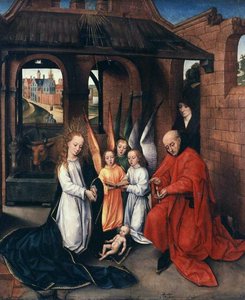
Основные сведения
- Artistic Movement Or Style: World Goes Pop
- Artists Or Movements Influenced By This Artist: ['Influenced by pop art movement']
- Artists Who Influenced This Artist: ['Influenced by diverse artists in The World Goes Pop exhibition']
- Date Of Death: Living
- Notable Artworks: ['Various works featured in The World Goes Pop exhibition']
- Place Of Birth: WahooArt