

 Предпросмотр
 Поделиться
 Поделиться
 Детали произведения

 Скачать
 Похожие работы
 Рентгенография
 Слайд-шоу
 Статистика
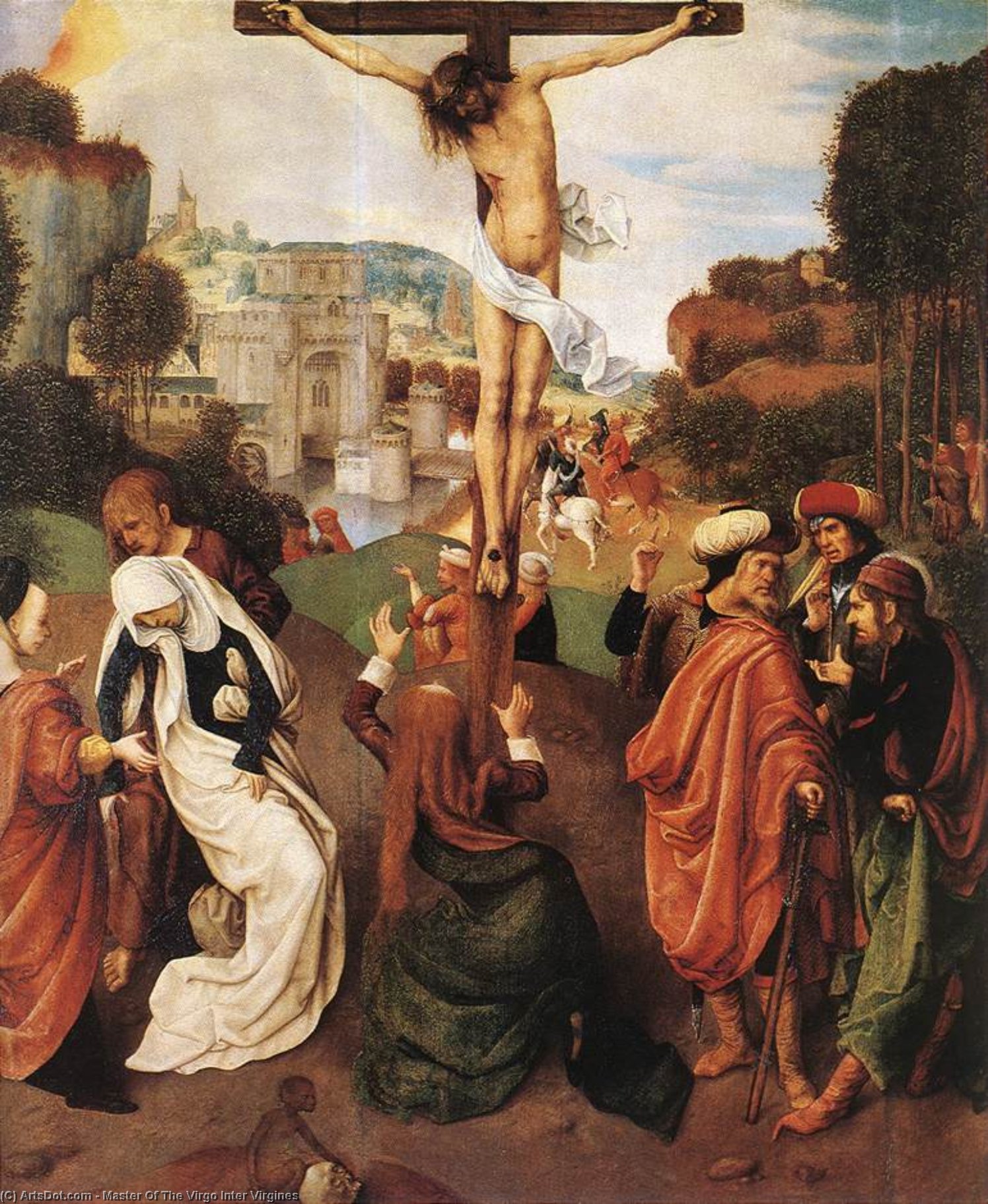
Crucifixion
 Oil On Canvas
- WallArt
- Northern Renaissance
 1490
1490- Renaissance
 57.0 x 47.0 cm
 Галерея Уффици
 Читать далее
Жикле / Арт-принт
Печать (жикле) или холст музейного качества с быстрыми сроками изготовления и широким выбором вариантов отделки. ( Купить картину ручной работы Перейти к цифровым изображениям)




P118B $10

P118H $10

P118W $10

P438Z $10

P508JH $12

P508YH $12

P805H $10

P805Z $10

P919BZ $10

P919G $10

P919XJ $10

P959ZH $10

P968JZ $12

W106C $8

W218G $10

W218JH $8

W218Y $10

W307PJ $10

W316G $10

W316PJ $8

W316Y $10

W398PJ $8

W4111J $10

W500HY $15

W500JH $15

W692G $12

W849H $8

W940BG $15

W953PJ $8




Выберите один из наших стандартных размеров, соответствующих оригинальным пропорциям произведения искусства.

Вы можете указать свои собственные размеры, чтобы репродукция идеально подошла под конкретную раму или пространство. Если выбранный вами размер не будет соответствовать пропорциям оригинала, мы либо обрежем произведение, либо дополним изображение зеркальным отражением краев или однотонной заливкой. Перед началом производства вам будет отправлен цифровой макет для утверждения.
Пожалуйста, обратите внимание, что предварительный просмотр на экране не отображает фактическую обрезку или расширение изображения. Только макет точно покажет финальную композицию.
Несмотря на возможность заказа индивидуальных размеров, мы рекомендуем выбирать размер из предопределенного списка, чтобы сохранить оригинальные пропорции.
Доставка по всему миру () за 2 недели вместо стандартных 4/5 недель. (11 Сентябрь)

Бесплатная экспресс-доставка по всему миру

Высококачественный льняной холст

Полное страхование доставки

Гарантия возмещения таможенных пошлин

Гарантия точного соответствия цветов

100-дневная политика возврата (только при обнаружении дефектов)

Гарантия возврата 100% средств

Предложение оптовых скидок
 Вариант со стеклом доступен только для размеров менее 110 см

Crucifixion
Жикле / Арт-принт
Размер репродукции
-


Итоговая стоимость
$ 62
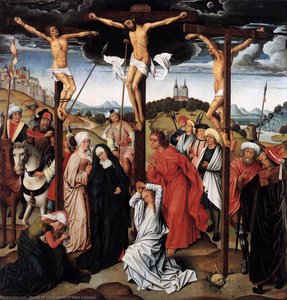
The Weight of Sacrifice: Contemplating the Crucifixion
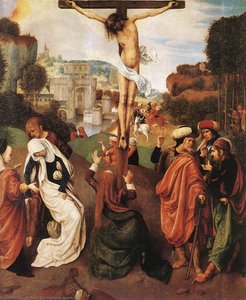
To stand before this depiction of the Crucifixion is to confront humanity at its most profound moment of reckoning. The canvas captures not merely an event, but an eternal state—the ultimate sacrifice rendered with breathtaking gravity. At the heart of the composition hangs the figure of Christ, his outstretched arms forming a poignant geometry against the somber backdrop. One can almost feel the weight of the wood and the immense suffering etched into every visible line of his body. The artist, working in the charged atmosphere of 1490, has managed to distill unimaginable pain into a visual narrative that speaks across centuries.
Mastery of Somber Realism
The technique employed here speaks volumes about the skill of the Master of the Virgo inter Virgines. While his name is often associated with other works, this piece showcases an astonishing commitment to realism, characteristic of the burgeoning Netherlandish School. Observe the handling of the flesh tones; they are not idealized but deeply human, conveying a palpable sense of suffering and physical strain. The surrounding figures—the mourners, the onlookers—are rendered with careful attention to gesture. Their postures suggest a spectrum of reactions: from profound grief to detached contemplation. This masterful use of peripheral figures serves to amplify the central drama, drawing the viewer inexorably toward the core tragedy.
Symbolism and Emotional Resonance
This work is steeped in potent Christian symbolism. The cross itself transcends its function as an instrument of death; it becomes a monumental symbol of redemption and enduring love. The somber palette—deep earth tones, muted blues, and the stark contrast of pale skin against dark wood—contributes to an atmosphere that is intensely meditative. For the collector or decorator, this piece offers more than mere decoration; it provides a focal point for quiet reflection. It invites the viewer into a space of contemplation, transforming any room it graces into a sanctuary of profound thought.
A Timeless Echo in Art Collecting
Acquiring a reproduction of this 1490 masterpiece is to bring home a piece of history imbued with unparalleled emotional weight. The Master’s ability to blend technical virtuosity with raw, accessible emotion makes this subject eternally compelling. Whether placed above an altar, within a formal drawing-room, or in a gallery setting, the Crucifixion commands attention through its sheer narrative power. It is a work that does not whisper; it resonates, demanding that the viewer pause, breathe deeply, and consider the enduring themes of suffering, devotion, and ultimate grace.
Похожие произведения


Биография художника
The Enigmatic Shadow of the Netherlandish Renaissance
In the annals of fifteenth-century Northern European art, few figures possess a presence as haunting and elusive as the Master of the Virgo inter Virgines. A painter whose true name has been swallowed by the mists of time, he remains a phantom of the Dutch School, known only through the profound impact of his surviving works. Active primarily around Delft between the late 1480s and the dawn of the sixteenth century, this unnamed creator carved out a niche defined by an uncompromising commitment to realism. While many of his contemporaries leaned into the decorative flourishes of the late Gothic or the emerging Mannerist tendencies, this Master sought something deeper: a visceral, unadorned truth that captured the weight of human suffering and the quiet sanctity of divine grace.
The very identity of the artist is inextricably linked to one of the most celebrated altarpieces in the Rijksmuseum collection. The Virgin and Child with Four Holy Virgins, a monumental work completed around 1490, serves as the cornerstone of his known oeuvre. This piece, which once graced the convent of Koningsveld, showcases a painter capable of orchestrating complex theological narratives through a lens of stark naturalism. In this sacred gathering of Saint Catherine, Cecilia, Ursula, and Barbara, we see not just icons, but breathing, emotive figures rendered with an anatomical precision that was revolutionary for its time. It is through this singular masterpiece that art historians first began to distinguish his hand from the broader, more stylized traditions of the era.
A Legacy Forged in Realism and Devotion
The stylistic evolution of the Master suggests a profound engagement with the masters of the Ghent-Bruges school. Scholars often point to the expressive, heavy-set figures of Hugo van der Goes and the contemplative stillness found in the works of Dirk Bouts as primary influences that shaped his aesthetic. From these predecessors, he inherited a fascination with the psychological depth of his subjects, yet he departed from them by stripping away much of the ornamental excess. His work is characterized by a somber palette—deep earth tones, muted blues, and the stark, pale light that illuminates flesh in moments of profound vulnerability.
Beyond the celestial calm of his Marian compositions, the Master demonstrated a remarkable ability to navigate the darkest corridors of Christian iconography. His depictions of the Crucifixion and the Lamentation over the Dead Christ reveal an artist obsessed with the physical reality of sacrifice. In these works, the viewer is not merely a spectator to a religious event but a witness to the palpable weight of mortality. The handling of flesh tones in his more tragic scenes avoids idealization; instead, he captures the strain of muscle and the pallor of death, creating a symphony of grief that resonates with an almost modern intensity.
The historical significance of the Master of the Virgo inter Virgines lies in his role as a bridge between the medieval and the early modern. His contributions to both painting and the design of woodcuts helped establish a foundation for the Dutch tradition of realism that would flourish in later centuries. Though his biography remains a collection of scholarly fragments and educated guesses, his artistic voice remains unmistakable:
- Uncompromising Naturalism: A rejection of decorative artifice in favor of anatomical and emotional truth.
- Psychological Depth: The ability to convey complex internal states through subtle gesture and gaze.
- Mastery of Light and Texture: Using a somber, focused palette to heighten the spiritual gravity of his subjects.
Основные сведения
- Artistic Movement Or Style: Realism
- Artists Or Movements Influenced By This Artist: ['Dutch School']
- Artists Who Influenced This Artist:
- Hugo van der Goes
- Geertgen tot Sint Jans
- Full Name: Master of the Virgo inter Virgines
- Nationality: Dutch
- Notable Artworks:
- Virgin and Child with Sts Catherine, Cecilia, Barbara, and Ursula
- Crucifixion
- Place Of Birth: Delft
Похожие статьи
Robert Campin: Pioneering Realism & Spiritual Depth in Early Netherlandish Painting
Explore the revolutionary work of Robert Campin, a pioneer of Early Netherlandish painting. Discover his naturalistic style, religious symbolism in masterpieces like the Mérode Altarpiece, and lasting influence on art history.
Sacred Narratives Embodied: A Comprehensive Exploration of Religious Iconography in Art History
Explore the rich history of religious iconography in art! Discover symbolism, movements & masterpieces from Byzantine to Renaissance periods. Expert insights for collectors and enthusiasts at ArtsDot.

10 Шедевров Раннего Нидерландского Живописи: История Искусства в Вашем Интерьере
Погрузитесь в мир Раннего нидерландского живописи! Откройте 10 шедевров Яна ван Эйка, Рогира ван дер Вейдена и других мастеров. История искусства, техника исполнения и вдохновение для вашего интерьера на ArtsDot.com.
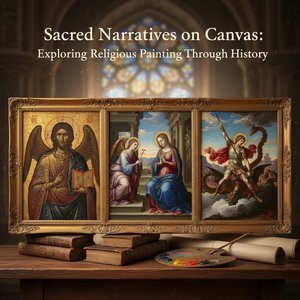
Sacred Narratives on Canvas: Exploring Religious Painting Through History
Explore the rich history of religious painting with ArtsDot.com! Discover iconic artworks, symbolism & techniques from antiquity to the Renaissance. Enhance your art appreciation today.
Jan Gossart: Bridging Netherlandish Realism & Renaissance Humanism – A Comprehensive Exploration
Explore the captivating world of Jan Gossart, a pivotal figure bridging Netherlandish realism & Renaissance humanism. Discover his masterpieces, patronage, and lasting influence – an essential guide for discerning art collectors.