

 Предпросмотр
 Поделиться
 Поделиться
 Детали произведения

 Скачать
 Похожие работы
 Рентгенография
 Слайд-шоу
 Статистика
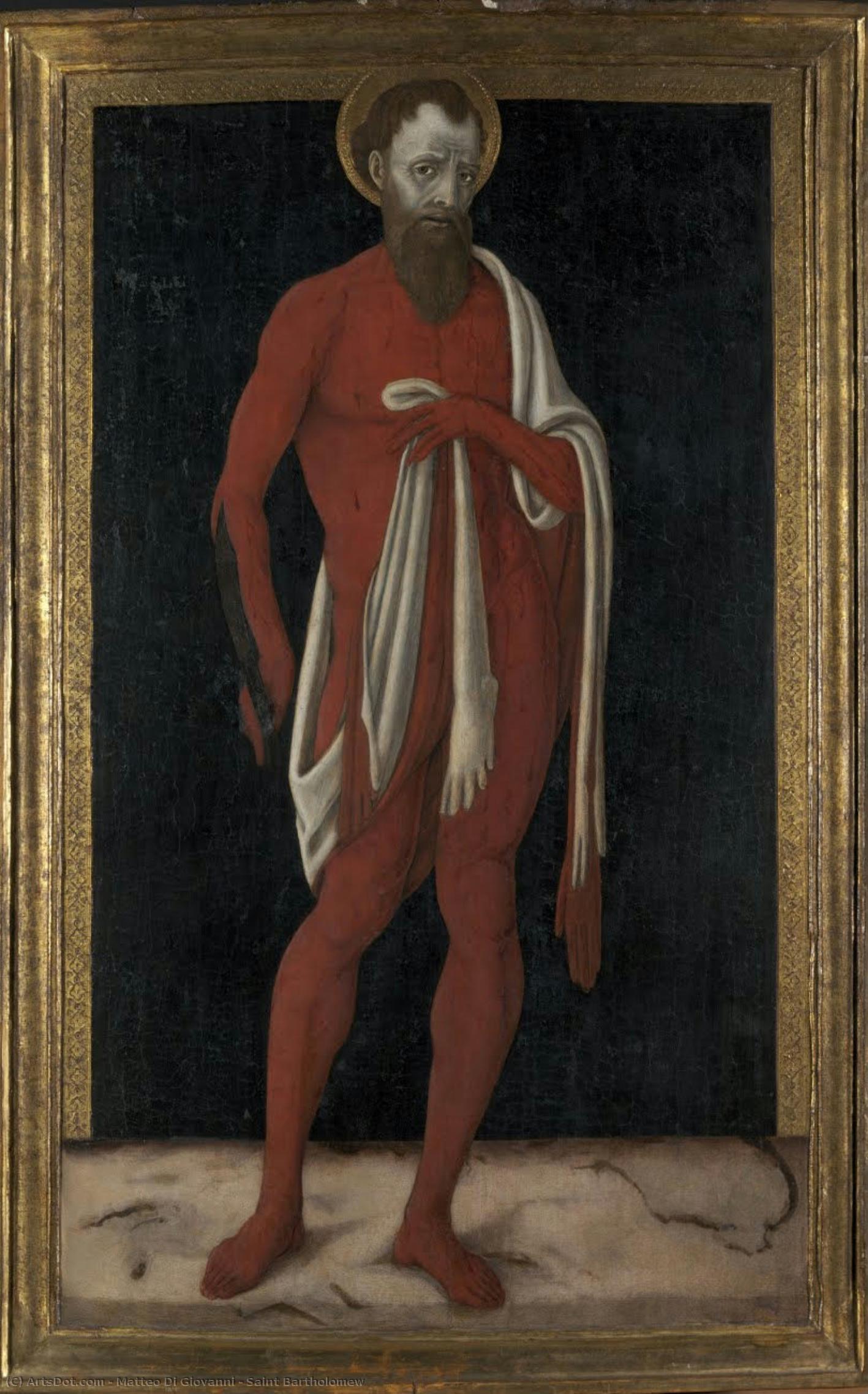
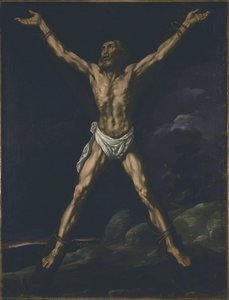
Святой Варфоломей
 Масло на панели
- Early Renaissance
 1485
1485 90.0 x 56.0 cm
 Музей искусств Будапешта
 Читать далее
Приобретите цифровое изображение высокого разрешения в улучшенном качестве, которое значительно превосходит онлайн-превью.
Каждый файл тщательно подготавливается нашими специалистами с использованием передовых инструментов и экспертной ручной ретуши. Мы гарантируем исключительную четкость, точную цветопередачу и детальную проработку каждого изображения.
Финальный файл доставляется по электронной почте в течение 72 часов и оптимизирован для немедленного использования в профессиональной среде, при верстке и печати. Это тот же уровень качества, которому доверяют ведущие дизайнерские студии, издательства и галереи.
Цифровое изображение
Скачайте файл высокого разрешения для личного использования, печати и творческих проектов. ( Перейти к печати Купить картину ручной работы)
Включено в каждый заказ цифровых изображений
Гарантия экспертной цифровой доставки
Выбирая ArtsDot.com, вы получаете не просто изображение — вы приобретаете профессионально обработанное цифровое произведение искусства, созданное с безупречной точностью и под защитой гарантии качества. Вот всё, что автоматически входит в ваш заказ:

Мгновенная доставка по e-mail
Ваш цифровой файл в высоком разрешении будет отправлен вам по электронной почте в течение 72 часов после оформления заказа — и сразу станет доступен для использования.

Цифровой файл с ИИ-улучшением
Ваше произведение искусства проходит профессиональную оптимизацию с использованием передовых инструментов ИИ и ручной обработки, что гарантирует максимальную детализацию, четкость и точность цветопередачи.

Бессрочная бесплатная повторная доставка
Случайно удалили или потеряли файл? Не беспокойтесь — мы отправим его вам повторно в любое время и совершенно бесплатно.

Без импортных пошлин — навсегда
Наслаждайтесь вашим произведением искусства мгновенно без таможенных пошлин, сборов или затрат на доставку — цифровые загрузки всегда не облагаются налогом.

Гарантия точности цветопередачи
Мы гарантируем, что ваше цифровое изображение максимально точно передает оригинальные цвета благодаря использованию профессиональных инструментов и систем управления цветом.

Гарантия удовлетворенности 100 дней
Если вы не будете удовлетворены своим цифровым изображением, мы внесем правки или вернем 100% стоимости в течение 100 дней — без лишних вопросов.

100% Гарантия возврата средств
Не удовлетворены покупкой? Получите полный возврат средств в течение 100 дней после получения цифрового файла — без лишних вопросов.

Скидки на оптовые заказы
Купите 3 изображения, сэкономьте 10% — Купите 5, сэкономьте 15% — Купите 10+, сэкономьте 20%. Отличное решение для творческих проектов, галерей и агентств.
Saint Bartholomew: A Tuscan Renaissance Icon
Matteo di Giovanni’s “Saint Bartholomew,” painted around 1485 in Siena, stands as a testament to the burgeoning humanist spirit of the Florentine Renaissance and its influence on Tuscan art. More than just a depiction of biblical scripture—the martyrdom of Saint Bartholomew—it embodies profound theological symbolism interwoven with masterful artistic technique.
- Subject Matter & Narrative: The painting portrays Saint Bartholomew, one of Jesus’ twelve apostles, enduring the gruesome ordeal of flaying alive – a symbolic representation of human mortality and repentance. Giovanni's depiction captures the apostle's gaze directly at the viewer, conveying an earnest plea for compassion.
- Style & Technique: Executed in tempera on panel, “Saint Bartholomew” adheres to the stylistic conventions of early Renaissance art. Smooth skin tones, meticulously rendered drapery, and a stylized representation align with Giovanni’s commitment to capturing contemporary Florentine advancements in anatomical accuracy – drawing inspiration from Antonio Pollaiolo.
- Historical Context: Commissioned by Alfonso II of Naples amidst the tumultuous political landscape of Siena—specifically following the Ottoman siege—the painting reflects the anxieties surrounding religious identity and papal authority prevalent during the period. Giovanni’s artistic choices signaled a departure from traditional iconography, prioritizing symbolic depth over literal detail.
- Symbolism: The prominent motif of Bartholomew holding his own flayed skin – a symbol derived from Umbrian iconographic tradition – underscores the painting's theological core. It signifies sacrifice for faith and embodies the concept of stripping away worldly attachments to attain spiritual purity.
- Emotional Impact: Giovanni’s masterful use of light and shadow enhances the three-dimensionality of the figure, creating a palpable sense of drama and conveying an emotional resonance that continues to captivate viewers centuries later. The painting's austere composition invites contemplation on themes of suffering, redemption, and divine grace.
Giovanni’s meticulous attention to detail—evident in the precise lines delineating musculature and folds of clothing—demonstrates his dedication to elevating artistic representation beyond mere imitation. The subtle layering and glazing techniques employed contribute to a matte surface texture imbued with nuanced color variations, furthering the painting's expressive power.
“Saint Bartholomew” resides within the Museo Nazionale di San Matteo in Pisa, where it is meticulously cared for and displayed alongside other masterpieces of Tuscan Renaissance art. Its enduring appeal stems from its ability to communicate complex theological ideas through a deceptively simple visual language—a testament to Giovanni’s artistic genius and his contribution to the cultural heritage of Italy.
Похожие произведения
Биография художника
The Sienese Master: The Life and Legacy of Matteo di Giovanni
In the heart of the Italian Renaissance, amidst the winding streets of Siena, the brushstrokes of Matteo di Giovanni helped define an era of profound spiritual and aesthetic transformation. Born around 1435 in Borgo San Sepolcro, Matteo’s journey was one of migration and metamorphosis. Though his origins lay elsewhere, his soul became inextricably linked to the Sienese school, a movement characterized by its lyrical grace, rich ornamentation, and deep devotion. His life was marked not only by artistic pursuit but by a remarkable personal stability; through two marriages to women of significant wealth, Matteo secured the financial freedom necessary to acquire real estate and establish a lasting presence in the San Salvatore neighborhood of Siena.
The early years of Matteo’s career remain shrouded in the soft mists of history, yet the traces of his development are etched into the very fabric of his canvases. While no formal apprenticeship is recorded, scholars often look toward the workshop of the renowned sculptor and painter Vecchietta as a potential cradle for his talent. His style emerged as a sophisticated tapestry woven from various threads of influence: the delicate precision of the miniaturist Girolamo da Cremona, the robust Florentine energy of Antonio del Pollaiolo, and the established Sienese traditions set by masters such as Sassetta and Domenico di Bartolo. This unique synthesis allowed him to bridge the gap between the decorative elegance of the late Gothic period and the burgeoning humanism of the Renaissance.
A Career Forged in Gold and Devotion
Matteo’s early professional life was defined by the collaborative spirit of the 15th-century workshop. In 1452, he entered into a significant partnership with Giovanni di Pietro, a period during which they shared living quarters and worked side-by-side on monumental tasks. One of the most illuminating glimpses into his early technical skill comes from 1453, when records show Matteo coloring and gilding a sculpture of the Archangel Gabriel by the celebrated Jacopo della Quercia. This task—applying precious gold leaf to sacred forms—demonstrates his mastery over the luminous, tactile surfaces that would become a hallmark of his later altarpieces.
His growing reputation led him to contribute to the most sacred spaces in Siena. His hands helped embellish the organ shutters within the Siena Cathedral and played a vital role in the decoration of the San Bernardino Chapel. These commissions were more than mere jobs; they were spiritual contributions to the city's liturgical life. As his skill matured, Matteo’s work began to exhibit a more complex narrative depth, moving beyond simple iconography toward a more dramatic and emotionally resonant style that captured the attention of the most prestigious patrons in Tuscany.
The Pinnacle of Achievement and Historical Significance
The true measure of Matteo di Giovanni’s stature is found in his selection for the urban renewal projects of Pienza. As one of only four Sienese painters chosen to furnish altarpieces for the newly erected chapels of the Pienza Cathedral, he stood at the forefront of the era's most ambitious architectural and artistic endeavors. His contributions to this project, particularly the three altarpieces dating from 1460-62, serve as a definitive window into his evolving technique, showcasing a mastery of light, form, and sacred storytelling.
Matteo’s legacy is defined by several key artistic pillars:
- Synthesis of Styles: His ability to blend the local Sienese tradition with the emerging anatomical realism of Florence.
- Technical Brilliance: A profound command over gilding and color, creating works that shimmered with divine light.
- Narrative Power: The capacity to transform religious scenes, such as the Massacre of the Innocents or various Madonna and Child compositions, into gripping human dramas.
- Civic Impact: His role in shaping the visual identity of Siena and Pienza through monumental ecclesiastical commissions.
Though he passed away in 1495, the echoes of Matteo di Giovanni’s artistry continue to resonate. He remains a pivotal figure who navigated the transition from the medieval mindset to the Renaissance dawn, leaving behind a body of work that continues to inspire awe through its delicate beauty and enduring spiritual strength.
matteo di giovanni
1435 - 1495 , Italy
Основные сведения
- Artistic Movement Or Style: Sienese School, Renaissance
- Artists Who Influenced This Artist:
- Sassetta
- Domenico di Bartolo
- Antonio del Pollaiolo
- Date Of Birth: 1435
- Date Of Death: 1495
- Full Name: Matteo di Giovanni
- Nationality: Italian
- Notable Artworks:
- Madonna and Child
- Massacre of the Innocents
- Place Of Birth: Borgo San Sepolcro, Italy