

 Предпросмотр
 Поделиться
 Поделиться
 Детали произведения

 Скачать
 Похожие работы
 Рентгенография
 Слайд-шоу
 Статистика
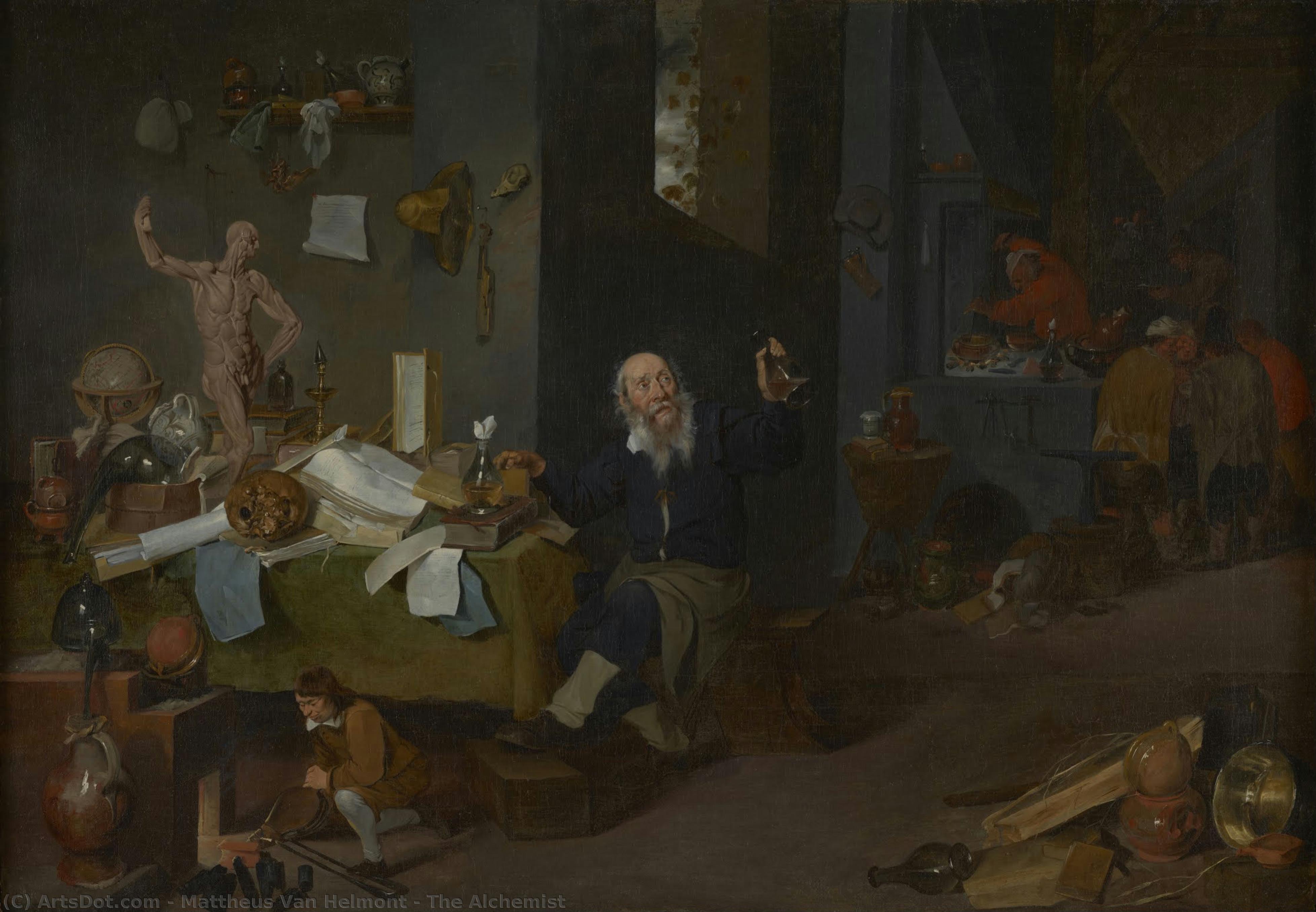
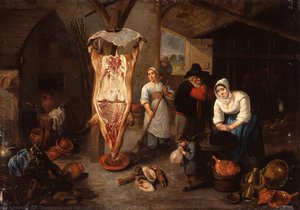
The Alchemist


 Читать далее
Жикле / Арт-принт
Печать (жикле) или холст музейного качества с быстрыми сроками изготовления и широким выбором вариантов отделки. ( Купить картину ручной работы Перейти к цифровым изображениям)




































Выберите один из наших стандартных размеров, соответствующих оригинальным пропорциям произведения искусства.

Вы можете указать свои собственные размеры, чтобы репродукция идеально подошла под конкретную раму или пространство. Если выбранный вами размер не будет соответствовать пропорциям оригинала, мы либо обрежем произведение, либо дополним изображение зеркальным отражением краев или однотонной заливкой. Перед началом производства вам будет отправлен цифровой макет для утверждения.
Пожалуйста, обратите внимание, что предварительный просмотр на экране не отображает фактическую обрезку или расширение изображения. Только макет точно покажет финальную композицию.
Несмотря на возможность заказа индивидуальных размеров, мы рекомендуем выбирать размер из предопределенного списка, чтобы сохранить оригинальные пропорции.
Доставка по всему миру () за 2 недели вместо стандартных 4/5 недель. (11 Сентябрь)

Бесплатная экспресс-доставка по всему миру

Высококачественный льняной холст

Полное страхование доставки

Гарантия возмещения таможенных пошлин

Гарантия точного соответствия цветов

100-дневная политика возврата (только при обнаружении дефектов)

Гарантия возврата 100% средств

Предложение оптовых скидок
 Вариант со стеклом доступен только для размеров менее 110 см

The Alchemist
Жикле / Арт-принт
Размер репродукции
-


Итоговая стоимость
$ 62
Похожие произведения







Биография художника
A Visionary of the Macabre: The World of Mattheus van Helmont
Mattheus van Helmont, a name resonating with an unsettling beauty and dramatic intensity, occupies a unique space in the landscape of 17th-century painting. While biographical details remain somewhat elusive – his birthdate is unknown, and he continues to live – his artistic legacy speaks volumes. Van Helmont’s oeuvre, though not vast, presents a compelling vision steeped in religious symbolism, fantastical imagery, and a distinctly dark aesthetic that sets him apart from many of his contemporaries. He wasn't merely depicting scenes; he was conjuring worlds where the sacred and the monstrous intertwined, inviting viewers into a realm of psychological depth and spiritual unease. His work often features depictions of Saint Anthony, but unlike more conventional portrayals, Van Helmont’s saints are not figures of serene piety, but rather individuals wrestling with profound temptation and inner turmoil.Early Influences and Artistic Development
Van Helmont's artistic roots appear to lie within the Flemish tradition, particularly drawing inspiration from the works of Hieronymus Bosch and Pieter Bruegel the Elder. The influence of these masters is evident in his meticulous detail, crowded compositions, and penchant for grotesque figures. However, Van Helmont wasn’t simply a follower; he infused this inherited style with a personal sensibility that leaned towards a more theatrical and emotionally charged expression. Where Bosch often employed satire and moral allegory, and Bruegel focused on the everyday lives of peasants, Van Helmont gravitated toward scenes of intense religious experience and the battle between good and evil. His paintings are less about broad social commentary and more about the individual soul’s struggle with faith and desire. A comparison to David Teniers the Younger is often drawn; both artists explored similar themes, but while Teniers humanized his subjects, Van Helmont deliberately emphasized their monstrous qualities, creating a sense of otherworldly dread. This deliberate choice suggests a fascination with the darker aspects of human nature and the power of temptation.Themes and Symbolism in Van Helmont’s Paintings
The recurring motif of Saint Anthony serves as a focal point for understanding Van Helmont's artistic concerns. These depictions rarely show the saint in peaceful contemplation; instead, they portray him besieged by demons, tormented by visions, and confronted with seductive figures embodying earthly pleasures. The block of stone resembling an altar, frequently present in his compositions, is laden with symbolism – representing both a sacred space and a barrier between the saint and salvation. The religious objects placed upon it—crucifixes, books, chalices—highlight the tools of faith, yet their presence often feels insufficient against the overwhelming forces arrayed against Anthony. Van Helmont’s female figures are particularly striking. Unlike Teniers' more conventionally beautiful temptresses, Van Helmont presents them as overtly seductive and even unsettling, with bare breasts and provocative poses that underscore the power of physical desire to derail spiritual devotion. This stark contrast speaks to a deeper exploration of sin and its allure. The creatures populating his scenes are not merely fantastical; they represent specific vices and temptations, each designed to test Anthony’s resolve.Technique and Style
Van Helmont's technical skill is undeniable. His paintings exhibit a remarkable level of detail, particularly in the rendering of textures—the rough stone of the altar, the shimmering fabrics of clothing, the grotesque features of demons. He employed a rich, dark palette dominated by browns, reds, and blacks, creating an atmosphere of shadow and mystery. His use of light is dramatic, often focusing attention on key figures or symbolic objects while leaving other areas shrouded in darkness. This chiaroscuro effect enhances the emotional intensity of his scenes and contributes to their unsettling quality. He masterfully uses perspective to draw the viewer into the composition, creating a sense of claustrophobia and psychological tension. While influenced by Flemish painting traditions, Van Helmont’s style is distinctly his own—characterized by its dramatic flair, emotional depth, and unwavering focus on the darker aspects of human experience.Historical Significance and Legacy
Though not widely known during his lifetime, Mattheus van Helmont's work has garnered increasing attention in recent decades. His paintings offer a unique perspective on 17th-century religious art, challenging conventional notions of piety and exploring the complexities of faith and temptation with unflinching honesty.- His influence can be seen in later artists who explored similar themes of psychological torment and spiritual struggle.
- Van Helmont’s work provides valuable insight into the anxieties and uncertainties of his time, reflecting a period marked by religious upheaval and social change.
- The enduring appeal of his paintings lies in their ability to tap into universal human emotions—fear, desire, doubt—and to present them with a raw, visceral intensity.
Основные сведения
- Artistic Movement Or Style: 16th-century painting
- Artists Who Influenced This Artist: ['David Teniers the Younger']
- Full Name: Mattheus van Helmont
- Nationality: Flemish
- Notable Artworks: ['Saint Anthony kneeling']
- Place Of Birth: Antwerpen, Belgium