 Предпросмотр
 Поделиться
 Поделиться
 Детали произведения

 Скачать
 Похожие работы
 Рентгенография
 Слайд-шоу
 Статистика
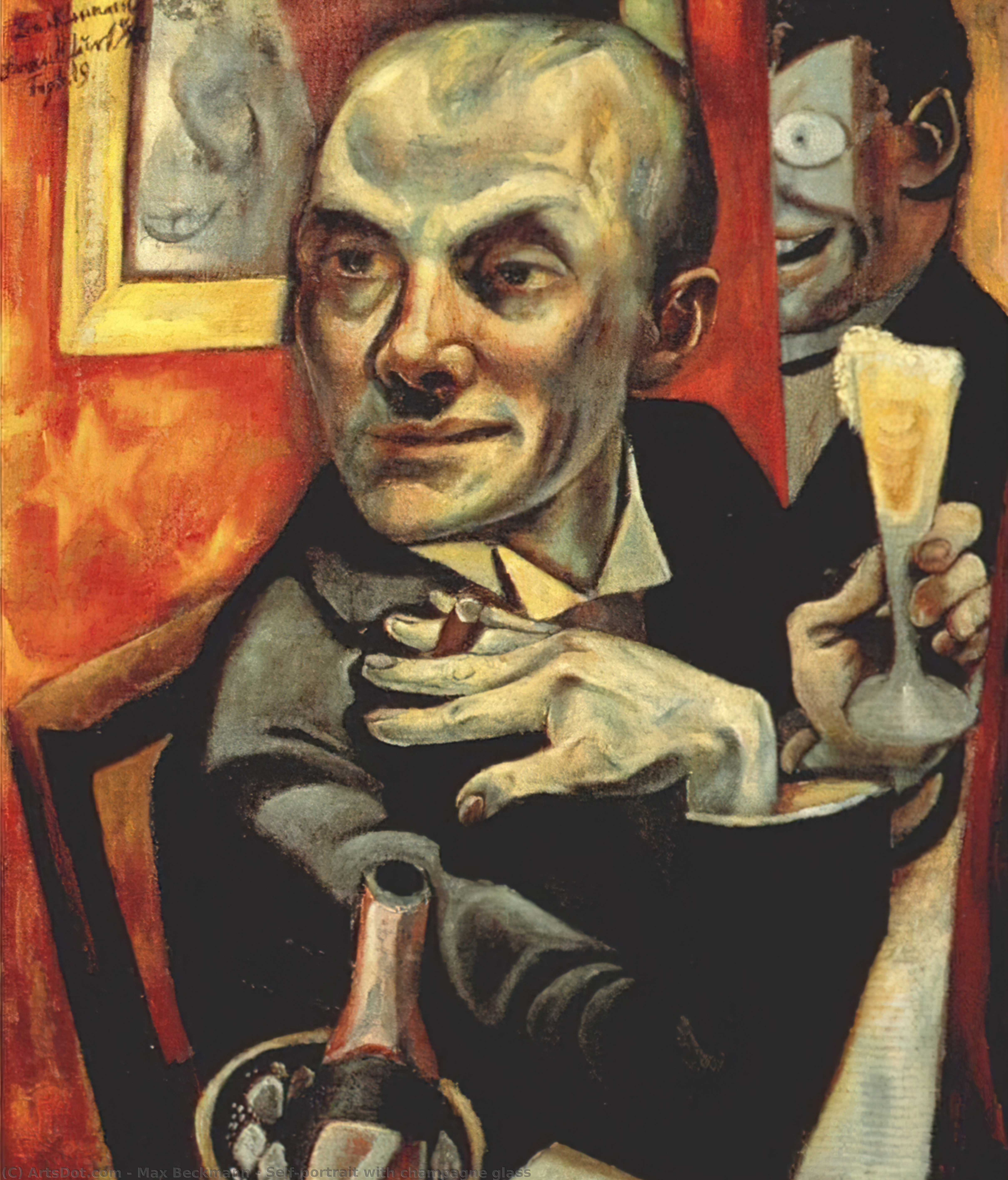
Self-portrait with champagne glass


 Читать далее
Масляная репродукция ручной работы
Картина маслом на холсте в выбранном вами размере и раме, написанная на заказ нашими художниками. ( Перейти к печати Перейти к цифровым изображениям)




P118B $10

P118H $10

P118W $10

P438Z $10

P508JH $12

P508YH $12

P805H $10

P805Z $10

P919BZ $10

P919G $10

P919XJ $10

P959ZH $10

P968JZ $12

W106C $8

W218G $10

W218JH $8

W218Y $10

W307PJ $10

W316G $10

W316PJ $8

W316Y $10

W398PJ $8

W4111J $10

W500HY $15

W500JH $15

W692G $12

W849H $8

W940BG $15

W953PJ $8




Выберите один из наших стандартных размеров, соответствующих оригинальным пропорциям произведения искусства.

Вы можете указать собственные размеры, чтобы картина идеально вписалась в выбранную раму или пространство. Если выбранный вами размер не соответствует пропорциям оригинала, мы либо обрежем полотно, либо расширим его за счет дополнительных элементов, написанных вручную. Цифровой макет будет отправлен вам на утверждение перед началом производства.
Обратите внимание, что предварительный просмотр на экране не отражает фактическую обрезку или расширение. Только макет точно покажет окончательную композицию.
Хотя доступны индивидуальные размеры, мы рекомендуем выбирать вариант из предопределенного списка, чтобы сохранить исходные пропорции.
После оформления заказа команда ArtsDot.com свяжется с клиентом по электронной почте для уточнения деталей и предоставит предварительный макет
Доставка по всему миру () за 3–4 недели вместо стандартных 5 недель. (11 Сентябрь). Без компромиссов в качестве.

Бесплатная экспресс-доставка по всему миру

Высококачественный льняной холст

Полное страхование доставки

Гарантия возмещения таможенных пошлин

Гарантия точного соответствия цветов

100-дневная политика возврата (только при обнаружении дефектов)

Гарантия возврата 100% средств

Предложение оптовых скидок
 Вариант со стеклом доступен только для размеров менее 110 см

Self-portrait with champagne glass
Техника репродукции
Размер репродукции
-


Итоговая стоимость
$ 263
Max Beckmann's Intimate Reflection: Self-Portrait with Champagne Glass (1919)
This arresting self-portrait by Max Beckmann, painted in 1919, offers a profound glimpse into the artist’s evolving consciousness during a turbulent period of European history. More than just a depiction of two men sharing a glass of champagne, it's a carefully constructed meditation on isolation, observation, and the unsettling shift in perspective brought about by the horrors of World War I. Beckmann, born in Leipzig in 1884, was already experimenting with distortion and psychological depth before the war, but the experience of serving as a medical orderly during the conflict irrevocably altered his artistic trajectory. The resulting works, like this self-portrait, are characterized by their fragmented forms and emotionally charged atmosphere – a direct response to the shattered realities he witnessed.
A Study in Discomforting Observation
The scene unfolds within what appears to be an art gallery or studio setting, meticulously rendered with scattered bottles, cups, and a sense of studied disarray. The two men at the table are not engaged in jovial conversation; rather, they exist in a state of quiet contemplation, almost detached from one another. One man raises a glass to his lips, while the other observes him with an expression that borders on melancholy or perhaps even suspicion. This deliberate ambiguity is central to Beckmann’s artistic strategy – he doesn't offer easy answers but instead presents unsettling questions about human interaction and perception. The inclusion of the partially visible figure in the background adds another layer of complexity, suggesting a broader social context and hinting at the anxieties of a rapidly changing world.
Technique and Symbolism: Echoes of Medieval Art
- Style: Beckmann’s style is immediately recognizable for its deliberate distortions and flattened perspectives, influenced heavily by medieval stained glass. This influence is particularly evident in the use of color – rich, saturated hues reminiscent of the vibrant palettes found in religious iconography.
- Technique: The painting employs a technique of layered brushstrokes and subtle gradations of tone, creating a sense of depth and atmosphere despite the stylized forms. Beckmann’s meticulous attention to detail is evident in the rendering of the textures – the glass of the wine glasses, the fabric of the men's clothing, and the surfaces of the tables.
- Symbolism: The champagne itself can be interpreted as a symbol of fleeting pleasure and superficiality, juxtaposed against the underlying sense of unease and disillusionment. Beckmann’s fascination with medieval art—particularly Bosch and Grünewald—suggests an interest in exploring themes of sin, damnation, and the fragility of human existence.
Emotional Resonance and Lasting Impact
“Self-Portrait with Champagne Glass” is a powerfully evocative work that transcends its immediate subject matter. It speaks to the anxieties of modernity, the alienation of the individual in an increasingly complex world, and the enduring human need for connection – even if that connection is fraught with uncertainty. Beckmann’s ability to capture such profound emotional depth through his distinctive artistic style ensures that this painting remains a compelling and relevant work of art over a century after its creation. It's a testament to the artist's courage in confronting difficult truths and his enduring legacy as one of the most significant figures in 20th-century art.
Похожие произведения
Биография художника
early life and artistic development
Макс Эрнст был рожден в Лейпциге, Германия, 12 февраля 1884 года. Его художественное путешествие началось с академически правильных изображений, которые впоследствии трансформировались в искаженные фигуры и пространства, отражая его измененное видение человечества после службы медицинским санитаром Первой мировой войны. Искусственный стиль Макса Эрнста был вдохновлен образами средневековых витражей и различными художниками, включая Кэзанне, Ван Гога, Блэка, Рембранда и Рубенса. Он также черпал вдохновение из северных европейских художников позднего Средневековья и раннего Возрождения, таких как Бош, Брюггель и Маттиас Грюнев Wald.
artistic style and influences
Стиль Макса Эрнста был вдохновлен образами средневековых витражей и различными художниками, включая Кэзанне, Ван Гога, Блэка, Рембранда и Рубенса. Он также черпал вдохновение из северных европейских художников позднего Средневековья и раннего Возрождения, таких как Бош, Брюггель и Маттиас Грюнев Wald.
notable works and exhibitions
Наиболее известными работами Макса Эрнста являются «Европа после дождя II», где использована сюрреалистическая палитра и фантастический пейзаж. Идеальный выбор для любителей искусства и интерьера! Также стоит отметить его автопортрет в тунике, который был приобретен в 1928 году.
later life and exile
Судьбы Макса Эрнста изменились с приходом к власти Адольфа Гитлера, что привело к его увольнению из Франкфуртской школы искусств и конфискации более 500 его работ. Он жил в самоизгнании Амстердамом на протяжении десяти лет, не сумев получить визу для США.
legacy
Макс Эрнст преподавал в художественных школах Университета Вашингтона в Сент-Луисе и Музея Бруклина. Его первая ретроспектива прошла в США в 1948 году в Музее города Сент-Луис и Макс-Слевготт галерею, Германия, где представлена коллекция его работ.
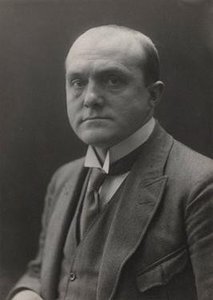
Макс Бекманн
1884 - 1950 , Германия
Основные сведения
- Artistic Movement Or Style: Expressionism
- Artists Or Movements Influenced By This Artist: ['Rembrandt']
- Artists Who Influenced This Artist:
- Georges Seurat
- Vincent van Gogh
- Date Of Birth: February 12, 1884
- Date Of Death: December 27, 1950
- Full Name: Max Carl Friedrich Beckmann
- Nationality: German
- Notable Artworks:
- The Bark
- Self-Portrait in Tuxedo
- Place Of Birth: Leipzig, Germany
Похожие статьи

The Enduring Legacy of Fine Art Prints: Technique, History & Aesthetic Impact
Explore the rich history & techniques of fine art prints. Discover investment potential, assess authenticity, and learn how to preserve your collection with expert guidance. Trusted insights for discerning collectors.
Макс Эрнст: 25 шедевров сюрреализма для ценителей искусства и декора интерьера
Погрузитесь в мир сюрреализма с Максом Эрнстом! 25 культовых картин, раскрывающих тайны подсознания и новаторские техники. Репродукции высокого качества для вашего интерьера на ArtsDot.com. Откройте всю коллекцию онлайн!

Giclée Prints: Archival Quality & Aesthetic Nuances for the Discerning Collector
Explore the world of giclée prints with ArtsDot. Learn about archival quality, aesthetic nuances & investment potential. Expert guidance for discerning art collectors seeking museum-quality reproductions and lasting value.
Cultivating Ambiance: A Curatorial Guide to Art Selection for Wine Cellars and Tasting Rooms – Enhancing Oenological Experience Through Landscape, Symbolism, and Interior Harmony
Elevate your wine cellar or tasting room with curated art! Expert guidance on landscape paintings, symbolism & lighting to enhance the oenological experience. Discover how art transforms spaces and tells your winery's story.
Max Beckmann: Navigating Trauma & Modernity Through a Distorted Lens
Explore the powerful world of Max Beckmann's art – a journey through trauma, modernity & distortion. Discover his key works, influences, and lasting legacy with expert analysis.