 Предпросмотр
 Поделиться
 Поделиться
 Детали произведения

 Скачать
 Похожие работы
 Рентгенография
 Слайд-шоу
 Статистика
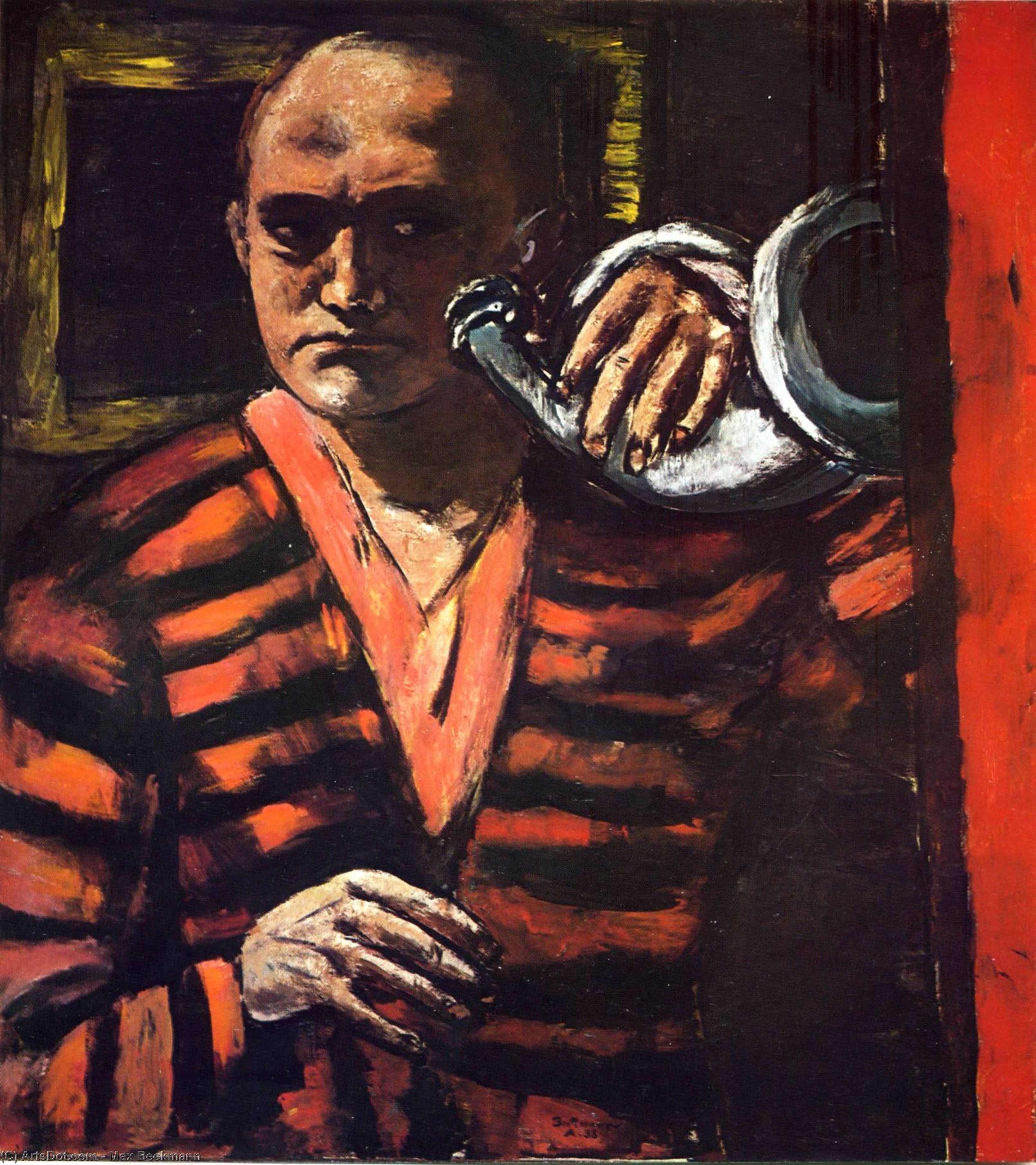
Self-Portrait with Trumpet
 Oil On Canvas
- WallArt
- Expressionist Portraiture
 1938
1938- Modern
 101.0 x 110.0 cm
 Читать далее
Жикле / Арт-принт
Печать (жикле) или холст музейного качества с быстрыми сроками изготовления и широким выбором вариантов отделки. ( Купить картину ручной работы Перейти к цифровым изображениям)




P118B $10

P118H $10

P118W $10

P438Z $10

P508JH $12

P508YH $12

P805H $10

P805Z $10

P919BZ $10

P919G $10

P919XJ $10

P959ZH $10

P968JZ $12

W106C $8

W218G $10

W218JH $8

W218Y $10

W307PJ $10

W316G $10

W316PJ $8

W316Y $10

W398PJ $8

W4111J $10

W500HY $15

W500JH $15

W692G $12

W849H $8

W940BG $15

W953PJ $8




Выберите один из наших стандартных размеров, соответствующих оригинальным пропорциям произведения искусства.

Вы можете указать свои собственные размеры, чтобы репродукция идеально подошла под конкретную раму или пространство. Если выбранный вами размер не будет соответствовать пропорциям оригинала, мы либо обрежем произведение, либо дополним изображение зеркальным отражением краев или однотонной заливкой. Перед началом производства вам будет отправлен цифровой макет для утверждения.
Пожалуйста, обратите внимание, что предварительный просмотр на экране не отображает фактическую обрезку или расширение изображения. Только макет точно покажет финальную композицию.
Несмотря на возможность заказа индивидуальных размеров, мы рекомендуем выбирать размер из предопределенного списка, чтобы сохранить оригинальные пропорции.
Доставка по всему миру () за 2 недели вместо стандартных 4/5 недель. (10 Сентябрь)

Бесплатная экспресс-доставка по всему миру

Высококачественный льняной холст

Полное страхование доставки

Гарантия возмещения таможенных пошлин

Гарантия точного соответствия цветов

100-дневная политика возврата (только при обнаружении дефектов)

Гарантия возврата 100% средств

Предложение оптовых скидок
 Вариант со стеклом доступен только для размеров менее 110 см

Self-Portrait with Trumpet
Жикле / Арт-принт
Размер репродукции
-


Итоговая стоимость
$ 62
Max Beckmann's 'Self-Portrait with Trumpet': A Study in Disquiet
Max Beckmann’s 1938 ‘Self-Portrait with Trumpet’ is not merely a representation of the artist; it’s a raw, unsettling exploration of identity and disillusionment rendered with the characteristic intensity of his expressionist style. Completed during a period of profound personal and artistic transformation, this oil on canvas offers a glimpse into Beckmann's evolving worldview – one shaped by the trauma of World War I and a growing sense of alienation from the societal norms of his time. The painting’s immediate impact lies in its unsettling composition: a man, clad in a striking red garment, stares directly at the viewer with an almost accusatory gaze. His posture is rigid, conveying a palpable tension, while the trumpet he holds to his lips suggests both aspiration and perhaps a desperate attempt to find solace or expression within a world seemingly devoid of meaning.
- Subject & Composition: The central figure dominates the canvas, immediately drawing the viewer into a confrontation. The inclusion of the bottle and cup adds layers of complexity, hinting at themes of indulgence, contemplation, and perhaps even self-medication – common anxieties reflected in Beckmann’s oeuvre.
- Technique & Materials: Executed in oil on canvas, the painting showcases Beckmann's masterful control over texture and color. Thick impasto strokes build a sense of physicality, while his use of muted reds, browns, and blues creates an atmosphere of brooding melancholy. The deliberate distortion of perspective further amplifies the emotional impact.
Echoes of Medieval Iconography & Artistic Influences
Beckmann’s artistic development was profoundly influenced by a deep engagement with medieval art, particularly stained glass and late Gothic painting. This fascination is evident in the flattened perspectives, symbolic imagery, and almost ritualistic quality of ‘Self-Portrait with Trumpet.’ He drew heavily from artists like Rembrandt, whose use of chiaroscuro – the dramatic interplay of light and shadow – resonates powerfully within this work, as well as the Northern European masters Bosch and Grünewald, known for their unsettling depictions of human folly and spiritual struggle. Cézanne’s influence is also discernible in Beckmann's exploration of form and space, while Van Gogh’s emotional intensity undoubtedly contributed to his own expressive approach.
Historical Context & The Artist's Psyche
Painted in 1938, a year marked by rising political tensions in Germany, the painting reflects the anxieties of the era. Beckmann’s experiences as a medical orderly during World War I left an indelible mark on his psyche, contributing to his later artistic preoccupation with themes of suffering, loss, and the dehumanizing effects of conflict. The self-portrait can be interpreted as a deeply personal statement – a struggle to reconcile his own identity with the fractured realities of the modern world. It’s a testament to Beckmann's courage in confronting difficult truths about himself and humanity.
A Timeless Expression of Human Condition
'Self-Portrait with Trumpet' transcends its historical context, offering a timeless meditation on the human condition. Its raw emotional power and unsettling imagery continue to resonate with viewers today, solidifying Beckmann’s place as one of the most significant artists of the 20th century. This meticulously crafted reproduction captures not just an image but the very essence of Beckmann's artistic vision – a poignant reminder of our shared vulnerability and the enduring search for meaning in a chaotic world.
Похожие произведения

Биография художника
early life and artistic development
Макс Эрнст был рожден в Лейпциге, Германия, 12 февраля 1884 года. Его художественное путешествие началось с академически правильных изображений, которые впоследствии трансформировались в искаженные фигуры и пространства, отражая его измененное видение человечества после службы медицинским санитаром Первой мировой войны. Искусственный стиль Макса Эрнста был вдохновлен образами средневековых витражей и различными художниками, включая Кэзанне, Ван Гога, Блэка, Рембранда и Рубенса. Он также черпал вдохновение из северных европейских художников позднего Средневековья и раннего Возрождения, таких как Бош, Брюггель и Маттиас Грюнев Wald.
artistic style and influences
Стиль Макса Эрнста был вдохновлен образами средневековых витражей и различными художниками, включая Кэзанне, Ван Гога, Блэка, Рембранда и Рубенса. Он также черпал вдохновение из северных европейских художников позднего Средневековья и раннего Возрождения, таких как Бош, Брюггель и Маттиас Грюнев Wald.
notable works and exhibitions
Наиболее известными работами Макса Эрнста являются «Европа после дождя II», где использована сюрреалистическая палитра и фантастический пейзаж. Идеальный выбор для любителей искусства и интерьера! Также стоит отметить его автопортрет в тунике, который был приобретен в 1928 году.
later life and exile
Судьбы Макса Эрнста изменились с приходом к власти Адольфа Гитлера, что привело к его увольнению из Франкфуртской школы искусств и конфискации более 500 его работ. Он жил в самоизгнании Амстердамом на протяжении десяти лет, не сумев получить визу для США.
legacy
Макс Эрнст преподавал в художественных школах Университета Вашингтона в Сент-Луисе и Музея Бруклина. Его первая ретроспектива прошла в США в 1948 году в Музее города Сент-Луис и Макс-Слевготт галерею, Германия, где представлена коллекция его работ.
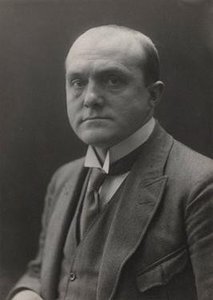
Макс Бекманн
1884 - 1950 , Германия
Основные сведения
- Artistic Movement Or Style: Expressionism
- Artists Or Movements Influenced By This Artist: ['Rembrandt']
- Artists Who Influenced This Artist:
- Georges Seurat
- Vincent van Gogh
- Date Of Birth: February 12, 1884
- Date Of Death: December 27, 1950
- Full Name: Max Carl Friedrich Beckmann
- Nationality: German
- Notable Artworks:
- The Bark
- Self-Portrait in Tuxedo
- Place Of Birth: Leipzig, Germany
Похожие статьи
The Enduring Legacy of Printmaking: Techniques, Themes & Artistic Innovation Across Centuries
Explore the rich history of printmaking with ArtsDot. Discover techniques from intaglio to lithography, learn about collecting valuable prints & find museum-quality reproductions. Expert insights for art enthusiasts and collectors.

Giclée Prints: Archival Quality & Aesthetic Nuances for the Discerning Collector
Explore the world of giclée prints with ArtsDot. Learn about archival quality, aesthetic nuances & investment potential. Expert guidance for discerning art collectors seeking museum-quality reproductions and lasting value.

The Enduring Legacy of Fine Art Prints: Technique, History & Aesthetic Impact
Explore the rich history & techniques of fine art prints. Discover investment potential, assess authenticity, and learn how to preserve your collection with expert guidance. Trusted insights for discerning collectors.

Crimson Threads of Narrative: Exploring Symbolism & Representation in Artworks Featuring the Red Dress
Explore the rich symbolism of the red dress in art history! From ancient power displays to iconic portraits like Cézanne’s 'Madame Cezanne', discover the cultural and artistic significance behind this captivating color. Expert analysis & insights.

Echoes of Time: Exploring the Enduring Appeal & Historical Context of Vintage Art Prints
Explore the captivating world of vintage art prints! Discover their history, collecting tips & enduring appeal. Expert insights on chromolithography and building a legacy collection with ArtsDot.