

 Предпросмотр
 Поделиться
 Поделиться
 Детали произведения

 Скачать
 Похожие работы
 Рентгенография
 Слайд-шоу
 Статистика
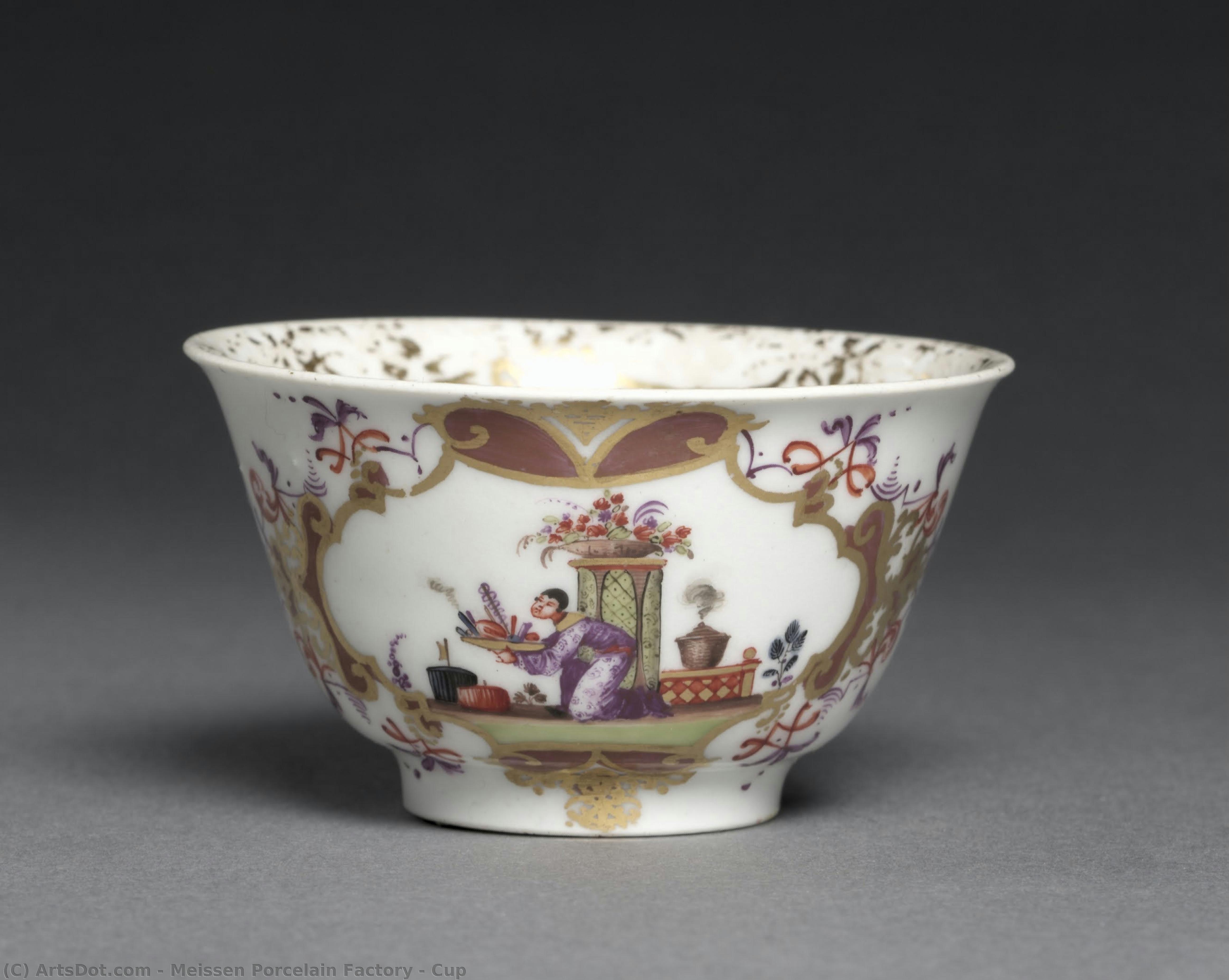
Cup
 1725
1725 4.0 x 7.0 cm
 Кливлендский музей искусств
 Читать далее
Масляная репродукция ручной работы
Картина маслом на холсте в выбранном вами размере и раме, написанная на заказ нашими художниками. ( Перейти к печати Перейти к цифровым изображениям)




































Выберите один из наших стандартных размеров, соответствующих оригинальным пропорциям произведения искусства.

Вы можете указать собственные размеры, чтобы картина идеально вписалась в выбранную раму или пространство. Если выбранный вами размер не соответствует пропорциям оригинала, мы либо обрежем полотно, либо расширим его за счет дополнительных элементов, написанных вручную. Цифровой макет будет отправлен вам на утверждение перед началом производства.
Обратите внимание, что предварительный просмотр на экране не отражает фактическую обрезку или расширение. Только макет точно покажет окончательную композицию.
Хотя доступны индивидуальные размеры, мы рекомендуем выбирать вариант из предопределенного списка, чтобы сохранить исходные пропорции.
После оформления заказа команда ArtsDot.com свяжется с клиентом по электронной почте для уточнения деталей и предоставит предварительный макет
Доставка по всему миру () за 3–4 недели вместо стандартных 5 недель. (11 Сентябрь). Без компромиссов в качестве.

Бесплатная экспресс-доставка по всему миру

Высококачественный льняной холст

Полное страхование доставки

Гарантия возмещения таможенных пошлин

Гарантия точного соответствия цветов

100-дневная политика возврата (только при обнаружении дефектов)

Гарантия возврата 100% средств

Предложение оптовых скидок
 Вариант со стеклом доступен только для размеров менее 110 см

Cup
Техника репродукции
Размер репродукции
-


Итоговая стоимость
$ 263
Похожие произведения









Биография художника
The Enduring Legacy of Meissen Porcelain
The story of Meissen porcelain is inextricably linked to the ambition of Augustus the Strong, Elector of Saxony and King of Poland, a ruler consumed by a passion for collecting and creating objects of unparalleled beauty. While not an artist in the traditional sense, his vision birthed what would become the first successful European hard-paste porcelain manufactory – the Meissen Porcelain Factory, established in 1710. Before this moment, Europe relied on imports from China, a source shrouded in mystery and subject to fluctuating trade relations. Augustus’s desire was not merely to possess these coveted wares but to unlock their secrets and establish Saxony as a rival center of porcelain production. This quest began with the recruitment of Johann Friedrich Böttger, an alchemist initially tasked with discovering the philosopher's stone, who serendipitously stumbled upon the formula for hard-paste porcelain while experimenting with various materials in Dresden.Early Innovations and Rococo Flourishes
The initial years were dedicated to perfecting the process – a complex undertaking involving kaolin (white clay), quartz, feldspar, and meticulous firing techniques. By 1713, Meissen was producing porcelain that rivaled its Chinese counterpart in quality and translucence. The early pieces, often referred to as “onion shape” due to their distinctive form, were decorated with vibrant colors inspired by Eastern motifs. However, the factory quickly moved beyond imitation, embracing a distinctly European aesthetic. Under the artistic direction of figures like Johann Gregorius Höroldt, Meissen porcelain became synonymous with the Rococo style. Delicate scenes of courtly love, playful allegories, and intricate floral arrangements adorned teacups, figurines, and elaborate tableware. The factory’s mastery extended to innovative sculptural forms, particularly small, exquisitely detailed animal sculptures and figures of harlequins and musicians. This period saw the development of underglaze blue painting, a technique that allowed for incredibly fine detail and depth of color, becoming a hallmark of Meissen's early production. Höroldt’s influence was pivotal in establishing the factory’s reputation for both technical excellence and artistic refinement.The Kändler Era: A Golden Age
The arrival of Johann Joachim Kändler in 1731 marked a turning point, ushering in what is widely considered Meissen's golden age. Kändler, a sculptor of exceptional talent, revolutionized the factory’s output with his lifelike figurines and elaborate table centerpieces. His most celebrated creation, the “Swan Service” (begun in 1737), commissioned for Count Heinrich von Brühl, remains an iconic example of Rococo extravagance – a sprawling ensemble depicting scenes from Greek mythology populated by hundreds of individually sculpted figures. Kändler’s skill lay not only in his ability to capture anatomical accuracy but also in his understanding of narrative and theatrical composition. He established distinct modeling styles, including the “crossed swords” mark which became synonymous with quality and authenticity. Beyond the Swan Service, Kändler designed numerous other services for European nobility, each reflecting a unique theme and showcasing Meissen’s unparalleled craftsmanship. His influence extended to the creation of allegorical figures representing the months of the year, elements of nature, and scenes from everyday life, solidifying Meissen's position as a leading producer of luxury goods.Neoclassicism and Beyond: Adapting to Changing Tastes
As Rococo gave way to Neoclassicism in the latter half of the 18th century, Meissen adapted its style accordingly. While retaining its commitment to quality, the factory embraced simpler forms, more restrained decoration, and themes inspired by classical antiquity. Sculptors like Johann Peter Melby continued Kändler’s legacy, producing elegant figures based on mythological subjects and portraits of contemporary personalities. The Napoleonic Wars brought disruption, but Meissen persevered, continuing to produce porcelain for a changing world. Throughout the 19th and 20th centuries, the factory experimented with new techniques and styles, including Art Nouveau and Art Deco designs, while always remaining true to its heritage of craftsmanship and artistic innovation.- The introduction of decalcomania in the 19th century allowed for more complex and detailed decoration.
- The factory’s commitment to preserving traditional modeling techniques ensured the continuity of its distinctive style.
Meissen Today: A Continuing Tradition
Today, Meissen Porcelain continues to operate as a prestigious manufactory, upholding centuries-old traditions while embracing contemporary design. The factory’s pieces are highly sought after by collectors worldwide, representing not only exceptional artistry but also a rich cultural heritage. While modern designs explore new aesthetic possibilities, the legacy of Kändler and Höroldt remains palpable in the meticulous craftsmanship and attention to detail that characterize every Meissen creation. The crossed swords mark continues to symbolize quality, luxury, and a commitment to artistic excellence. The enduring appeal of Meissen porcelain lies in its ability to transcend mere functionality, transforming everyday objects into works of art – testaments to the vision of Augustus the Strong and the skill of generations of artisans who have dedicated their lives to perfecting this timeless craft.
Основные сведения
- Artistic Movement Or Style: Porcelain Manufacturing
- Date Of Death: Living
- Full Name: Meissen Porcelain Factory