

 Предпросмотр
 Поделиться
 Поделиться
 Детали произведения

 Скачать
 Похожие работы
 Рентгенография
 Слайд-шоу
 Статистика
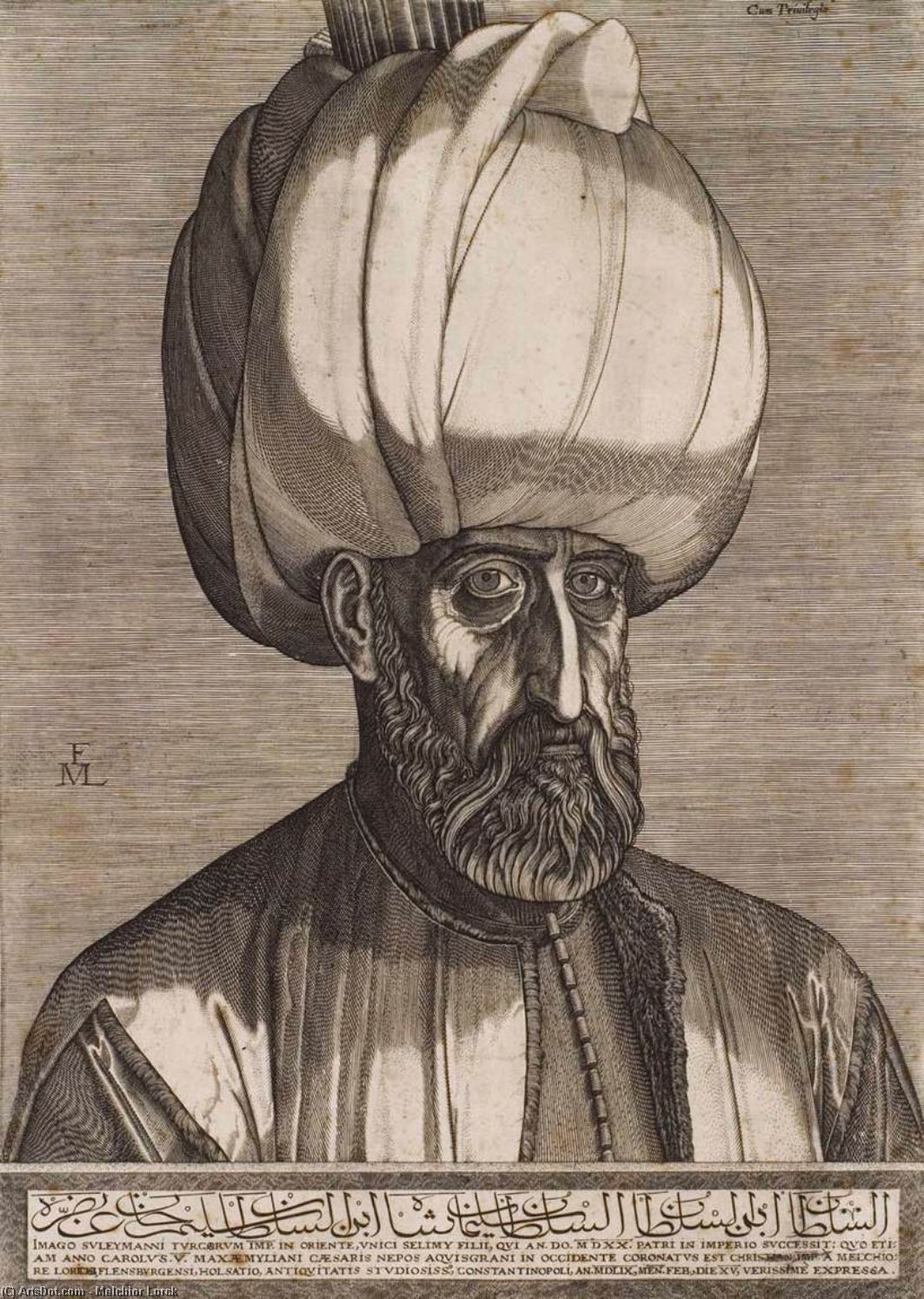
Portrait of Sultan Suleyman the Magnificent


 Читать далее
Приобретите цифровое изображение высокого разрешения в улучшенном качестве, которое значительно превосходит онлайн-превью.
Каждый файл тщательно подготавливается нашими специалистами с использованием передовых инструментов и экспертной ручной ретуши. Мы гарантируем исключительную четкость, точную цветопередачу и детальную проработку каждого изображения.
Финальный файл доставляется по электронной почте в течение 72 часов и оптимизирован для немедленного использования в профессиональной среде, при верстке и печати. Это тот же уровень качества, которому доверяют ведущие дизайнерские студии, издательства и галереи.
Цифровое изображение
Скачайте файл высокого разрешения для личного использования, печати и творческих проектов. ( Перейти к печати Купить картину ручной работы)
Включено в каждый заказ цифровых изображений
Гарантия экспертной цифровой доставки
Выбирая ArtsDot.com, вы получаете не просто изображение — вы приобретаете профессионально обработанное цифровое произведение искусства, созданное с безупречной точностью и под защитой гарантии качества. Вот всё, что автоматически входит в ваш заказ:

Мгновенная доставка по e-mail
Ваш цифровой файл в высоком разрешении будет отправлен вам по электронной почте в течение 72 часов после оформления заказа — и сразу станет доступен для использования.

Цифровой файл с ИИ-улучшением
Ваше произведение искусства проходит профессиональную оптимизацию с использованием передовых инструментов ИИ и ручной обработки, что гарантирует максимальную детализацию, четкость и точность цветопередачи.

Бессрочная бесплатная повторная доставка
Случайно удалили или потеряли файл? Не беспокойтесь — мы отправим его вам повторно в любое время и совершенно бесплатно.

Без импортных пошлин — навсегда
Наслаждайтесь вашим произведением искусства мгновенно без таможенных пошлин, сборов или затрат на доставку — цифровые загрузки всегда не облагаются налогом.

Гарантия точности цветопередачи
Мы гарантируем, что ваше цифровое изображение максимально точно передает оригинальные цвета благодаря использованию профессиональных инструментов и систем управления цветом.

Гарантия удовлетворенности 100 дней
Если вы не будете удовлетворены своим цифровым изображением, мы внесем правки или вернем 100% стоимости в течение 100 дней — без лишних вопросов.

100% Гарантия возврата средств
Не удовлетворены покупкой? Получите полный возврат средств в течение 100 дней после получения цифрового файла — без лишних вопросов.

Скидки на оптовые заказы
Купите 3 изображения, сэкономьте 10% — Купите 5, сэкономьте 15% — Купите 10+, сэкономьте 20%. Отличное решение для творческих проектов, галерей и агентств.
Portrait of Sultan Suleyman the Magnificent: A Window Into Ottoman Grandeur
Melchior Lorck’s “Portrait of Sultan Suleyman the Magnificent” stands as an extraordinary testament to Renaissance artistry intertwined with the burgeoning fascination for Eastern cultures during the mid-16th century. More than just a depiction of a ruler, it's a meticulously crafted visual record—a snapshot frozen in time—that offers invaluable insight into Ottoman imperial life and artistic sensibilities. Lorck’s journey to Constantinople aboard King Christian III’s diplomatic mission cemented his place as one of the first Danish artists with a reconstructable biography, marking him as an innovator who dared to venture beyond European borders for creative exploration.The Artist's Vision: Detail and Technique
Lorck’s skill lay in capturing not merely likeness but also character—a feat achieved through masterful observation and painstaking execution. The portrait utilizes chiaroscuro – the dramatic interplay of light and shadow – skillfully employed to sculpt Suleyman’s face, emphasizing musculature and conveying a sense of regal dignity. His gaze is direct, unflinching, projecting confidence and authority. Lorck's technique involved etching on zinc plates, utilizing precise lines and tonal gradations to achieve remarkable realism. This method allowed for nuanced shading and texture, mirroring the intricate patterns found in Ottoman textiles and architecture – elements that would have resonated deeply with Lorck’s contemporaries.A Journey Into Ottoman Culture
Lorck's expedition to Constantinople wasn't merely a diplomatic mission; it was an immersive experience designed to document Ottoman customs and traditions for Western audiences. The resulting engravings, collectively known as “The Turkish Publication,” represent the first comprehensive visual record of Ottoman life outside Europe. Lorck’s sketches captured scenes from daily life – bustling marketplaces, opulent palaces, ceremonial processions – providing invaluable information about Ottoman society and artistic patronage. He sought to portray Suleyman not just as a monarch but as a man embodying the ideals of his era: piety, strength, and wisdom.Symbolism and Emotional Resonance
The portrait’s symbolism speaks volumes about Lorck's understanding of Ottoman culture. The turban—a symbol of sovereignty—dominates Suleyman’s headwear, signifying his supreme authority. The robe draped over his shoulder is adorned with elaborate embroidery, reflecting the lavish ornamentation characteristic of Ottoman royal attire. Furthermore, the chain around his waist symbolizes power and prestige – a visual reminder of Suleyman's dominion over vast territories. Lorck’s portrayal aims to inspire awe and admiration, conveying the grandeur and majesty associated with the Ottoman Empire.Legacy: A Bridge Between Worlds
“Portrait of Sultan Suleyman the Magnificent” remains an enduring masterpiece, bridging the gap between Renaissance artistic conventions and Eastern cultural influences. Lorck's meticulous attention to detail and his innovative use of etching technique established him as a pioneer in visual documentation—a legacy that continues to fascinate art historians and collectors alike. It serves as a poignant reminder of the transformative power of artistic curiosity and the ability to capture not just appearances but also the spirit of an era.Похожие произведения


Биография художника
Melchior Lorck: A Life Bridging Renaissance Art and Ottoman Encounters
- Born: Flensburg, Germany (1526/27)
- Died: Copenhagen, Denmark (1583)
- Nationality: Danish-German
- Known For: Renaissance painter, draughtsman, and printmaker; detailed visual record of 16th-century Turkey.
Early Life and Training
- Born in Flensburg, Schleswig (present-day Germany), Lorck came from a family with ties to the Reformation movement.
- Around 1549, he received a four-year travel stipend from King Christian III of Denmark, enabling him to study art across Europe.
- Early training likely involved apprenticeship with a goldsmith in Lübeck.
- During his travels, Lorck demonstrated early artistic skill, producing engravings influenced by artists like Heinrich Aldegrever and paying homage to Albrecht Dürer.
The Ottoman Experience: A Unique Visual Record
- In 1555, Lorck joined the Imperial embassy led by Ogier Gheselin Busbecq to the court of Sultan Suleiman the Magnificent in Constantinople (Istanbul).
- This pivotal experience shaped his career and legacy. He spent approximately one and a half years within the Ottoman capital.
- Lorck meticulously documented Turkish life, customs, architecture, military practices, and portraits of key figures like Sultan Suleiman and Isma'il, the Persian envoy.
- His drawings and engravings provide an unparalleled visual record of 16th-century Ottoman society, a unique source for historians and art scholars.
- Notable works from this period include the monumental "Prospect of Constantinople," a detailed panoramic view of the city, and the series of prints known as “The Turkish Publication.”
Artistic Style and Influences
- Lorck's style reflects the influence of the Northern Renaissance, particularly German masters like Dürer.
- His work demonstrates a keen observational skill and attention to detail, evident in his precise renderings of architecture, costumes, and portraits.
- He skillfully employed engraving techniques, creating intricate and expressive prints.
- Lorck's topographic drawings, such as the "Prospect of Constantinople," foreshadowed later developments in landscape art and cartography.
Later Career and Legacy
- After returning to Europe in 1559, Lorck worked in Vienna, producing engravings of antique monuments and portraits.
- He served briefly as a cartographer for the Hamburg city council, creating a large-scale map of the Elbe River.
- Lorck's "Turkish Publication," though not published during his lifetime, was eventually released in 1626, showcasing his extensive documentation of Ottoman life.
- He is considered the first Danish artist with a substantial biography and body of work attributable to him.
- His detailed visual record of Turkey remains invaluable for understanding 16th-century Ottoman culture and represents a significant contribution to Renaissance art and cartography. He is recognized as a precursor to later traveling artists and visual reporters.
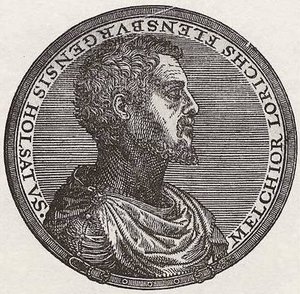
Melchior Lorck
1527 - 1564 , Germany
Основные сведения
- Artistic Movement Or Style: Renaissance
- Artists Or Movements Influenced By This Artist:
- Wenzel Hollar
- Cornelis de Bruijn
- Artists Who Influenced This Artist:
- Heinrich Aldegrever
- Albrecht Dürer
- Date Of Birth: 1526/27
- Date Of Death: 1583
- Full Name: Melchior Lorck
- Nationality: Danish-German
- Notable Artworks:
- Constantinople Prospect
- The Turkish Publication
- Place Of Birth: Flensburg, Germany