

 Предпросмотр
 Поделиться
 Поделиться
 Детали произведения

 Скачать
 Похожие работы
 Рентгенография
 Слайд-шоу
 Статистика
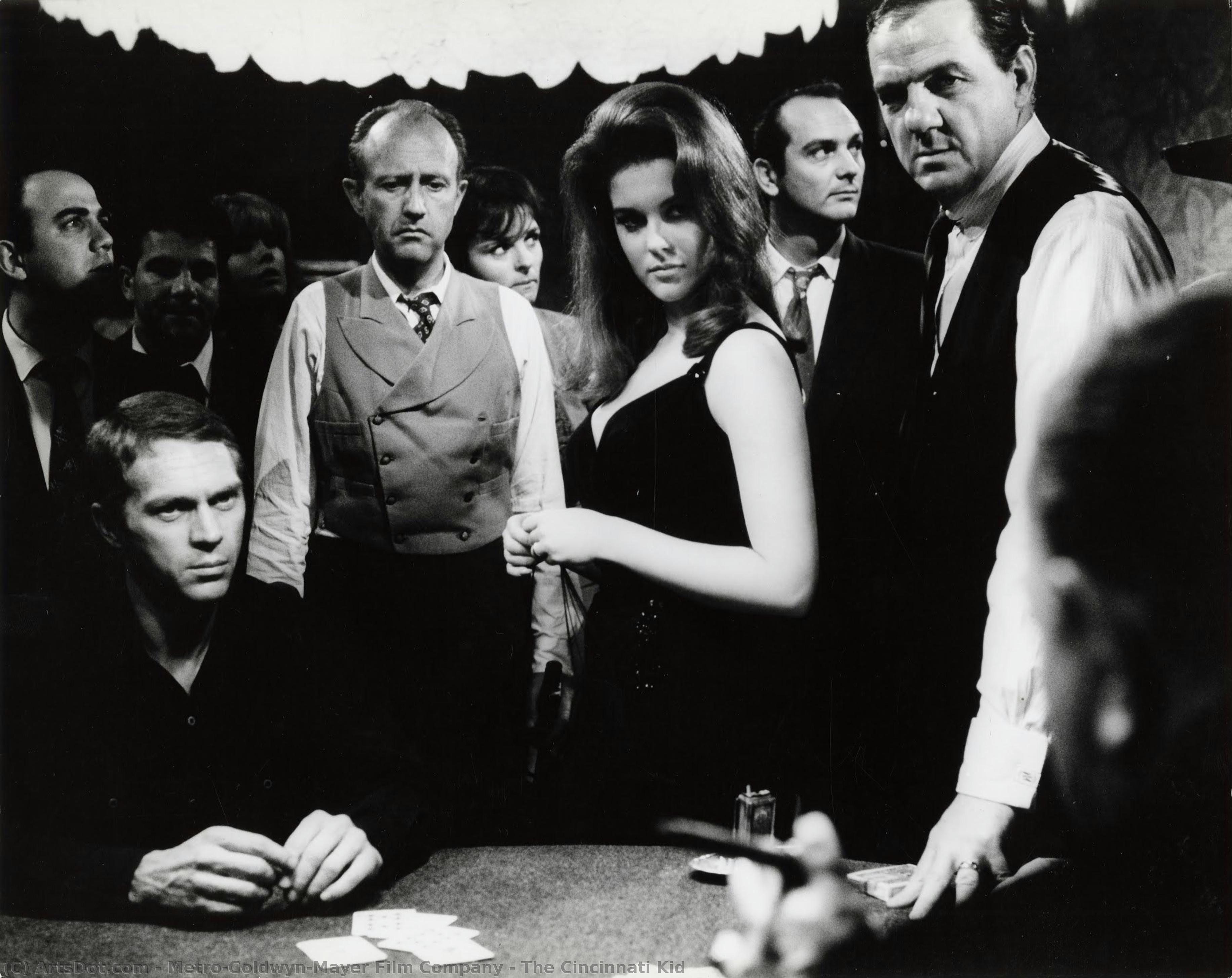
The Cincinnati Kid


 Читать далее
Приобретите цифровое изображение высокого разрешения в улучшенном качестве, которое значительно превосходит онлайн-превью.
Каждый файл тщательно подготавливается нашими специалистами с использованием передовых инструментов и экспертной ручной ретуши. Мы гарантируем исключительную четкость, точную цветопередачу и детальную проработку каждого изображения.
Финальный файл доставляется по электронной почте в течение 72 часов и оптимизирован для немедленного использования в профессиональной среде, при верстке и печати. Это тот же уровень качества, которому доверяют ведущие дизайнерские студии, издательства и галереи.
Цифровое изображение
Скачайте файл высокого разрешения для личного использования, печати и творческих проектов. ( Перейти к печати Купить картину ручной работы)
Включено в каждый заказ цифровых изображений
Гарантия экспертной цифровой доставки
Выбирая ArtsDot.com, вы получаете не просто изображение — вы приобретаете профессионально обработанное цифровое произведение искусства, созданное с безупречной точностью и под защитой гарантии качества. Вот всё, что автоматически входит в ваш заказ:

Мгновенная доставка по e-mail
Ваш цифровой файл в высоком разрешении будет отправлен вам по электронной почте в течение 72 часов после оформления заказа — и сразу станет доступен для использования.

Цифровой файл с ИИ-улучшением
Ваше произведение искусства проходит профессиональную оптимизацию с использованием передовых инструментов ИИ и ручной обработки, что гарантирует максимальную детализацию, четкость и точность цветопередачи.

Бессрочная бесплатная повторная доставка
Случайно удалили или потеряли файл? Не беспокойтесь — мы отправим его вам повторно в любое время и совершенно бесплатно.

Без импортных пошлин — навсегда
Наслаждайтесь вашим произведением искусства мгновенно без таможенных пошлин, сборов или затрат на доставку — цифровые загрузки всегда не облагаются налогом.

Гарантия точности цветопередачи
Мы гарантируем, что ваше цифровое изображение максимально точно передает оригинальные цвета благодаря использованию профессиональных инструментов и систем управления цветом.

Гарантия удовлетворенности 100 дней
Если вы не будете удовлетворены своим цифровым изображением, мы внесем правки или вернем 100% стоимости в течение 100 дней — без лишних вопросов.

100% Гарантия возврата средств
Не удовлетворены покупкой? Получите полный возврат средств в течение 100 дней после получения цифрового файла — без лишних вопросов.

Скидки на оптовые заказы
Купите 3 изображения, сэкономьте 10% — Купите 5, сэкономьте 15% — Купите 10+, сэкономьте 20%. Отличное решение для творческих проектов, галерей и агентств.
Похожие произведения

Биография художника
The Roar of the Lion: A Legacy Forged in Silver and Light
The Metro-Goldwyn-Mayer Film Company, more commonly known as MGM, isn’t a single artist in the traditional sense; it is an entity, a collective creative force that shaped the very landscape of 20th-century entertainment. To speak of MGM is to speak of a studio system, a meticulously crafted dream factory born from the ambitions of Marcus Loew and the visionary talents of Louis B. Mayer and Samuel Goldwyn. Its origins lie in the early nickelodeon boom, evolving from Loew’s chain of theaters into a vertically integrated powerhouse that controlled production, distribution, and exhibition – a model that would define Hollywood for decades. While individual artists flourished *within* its walls—directors like Victor Fleming, George Cukor, and Vincente Minnelli; stars such as Greta Garbo, Clark Gable, Judy Garland, and Elizabeth Taylor—MGM itself became the defining aesthetic, a brand synonymous with glamour, spectacle, and enduring storytelling.From Vaudeville Roots to Technicolor Dreams
The early years of MGM were characterized by a pragmatic approach, consolidating smaller studios and leveraging Loew’s theater network. However, it was the partnership between Mayer, who understood the power of star personas and emotional resonance, and Goldwyn, with his artistic sensibilities, that truly set the studio apart. The 1920s saw MGM rapidly ascend, acquiring Polydor Pictures and establishing a reputation for lavish productions. A pivotal moment arrived with the advent of sound, which MGM embraced wholeheartedly, transforming its silent film stars into captivating vocal performers. But it was the introduction of Technicolor in the 1930s that irrevocably altered the studio’s trajectory. Films like The Wizard of Oz (1939) and Gone with the Wind (1939) weren't merely movies; they were immersive experiences, vibrant tapestries woven from color, music, and compelling narratives. This commitment to technological innovation became a hallmark of MGM’s identity, constantly pushing the boundaries of cinematic possibility.The Golden Age: A Constellation of Stars
The 1930s and 40s represent MGM's undisputed golden age. The studio cultivated an unparalleled stable of stars, each carefully molded into iconic figures. Clark Gable embodied rugged masculinity; Greta Garbo radiated enigmatic allure; Judy Garland possessed a heartbreaking vulnerability. These weren’t simply actors; they were meticulously constructed brands, their public images managed and refined by the studio’s publicity machine. Beyond the stars, MGM fostered a unique collaborative environment. Production teams remained largely intact for years, developing a shorthand and understanding that translated into consistently high-quality filmmaking. Musicals flourished under Arthur Freed, becoming synonymous with escapism and joy. The studio's backlot became legendary, a miniature world capable of recreating any setting imaginable. This period cemented MGM’s reputation as the “Aristocracy of Hollywood,” producing films that not only entertained but also reflected—and often shaped—American culture.Challenges and Transformations: The Decline and Legacy
The post-war era brought significant challenges to the studio system. The Paramount Decree, an antitrust ruling, forced MGM to divest its theater chain, disrupting its vertical integration model. Television’s rise presented a formidable competitor for audience attention. While MGM attempted to adapt—exploring new genres and production techniques—it struggled to maintain its dominance. The studio began selling off its vast backlot and star contracts, signaling the end of an era. Despite these difficulties, MGM continued to produce notable films throughout the 1950s and 60s, including Singin’ in the Rain (1952) and Ben-Hur (1959). However, the studio's financial struggles led to a series of mergers and acquisitions. Today, MGM exists as part of Amazon Studios, its iconic library serving as a valuable asset in the streaming age.An Enduring Symbol: The Lion Still Roars
Despite its tumultuous history, the legacy of Metro-Goldwyn-Mayer remains profoundly influential. Its films continue to captivate audiences worldwide, inspiring generations of filmmakers and performers. The studio’s commitment to craftsmanship, spectacle, and star power set a standard that continues to be emulated. More than just a production company, MGM represented a particular vision of American optimism and glamour—a world where dreams could come true, and anything was possible. And perhaps most enduringly, the iconic lion roar that precedes each film serves as a potent symbol of Hollywood’s golden age, a reminder of a time when movies truly were magic.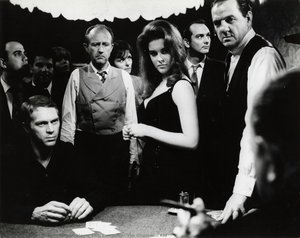
Основные сведения
- Artistic Movement Or Style: Film Production
- Date Of Death: Living
- Full Name: Metro-Goldwyn-Mayer Film Company