

 Предпросмотр
 Поделиться
 Поделиться
 Детали произведения

 Скачать
 Похожие работы
 Рентгенография
 Слайд-шоу
 Статистика
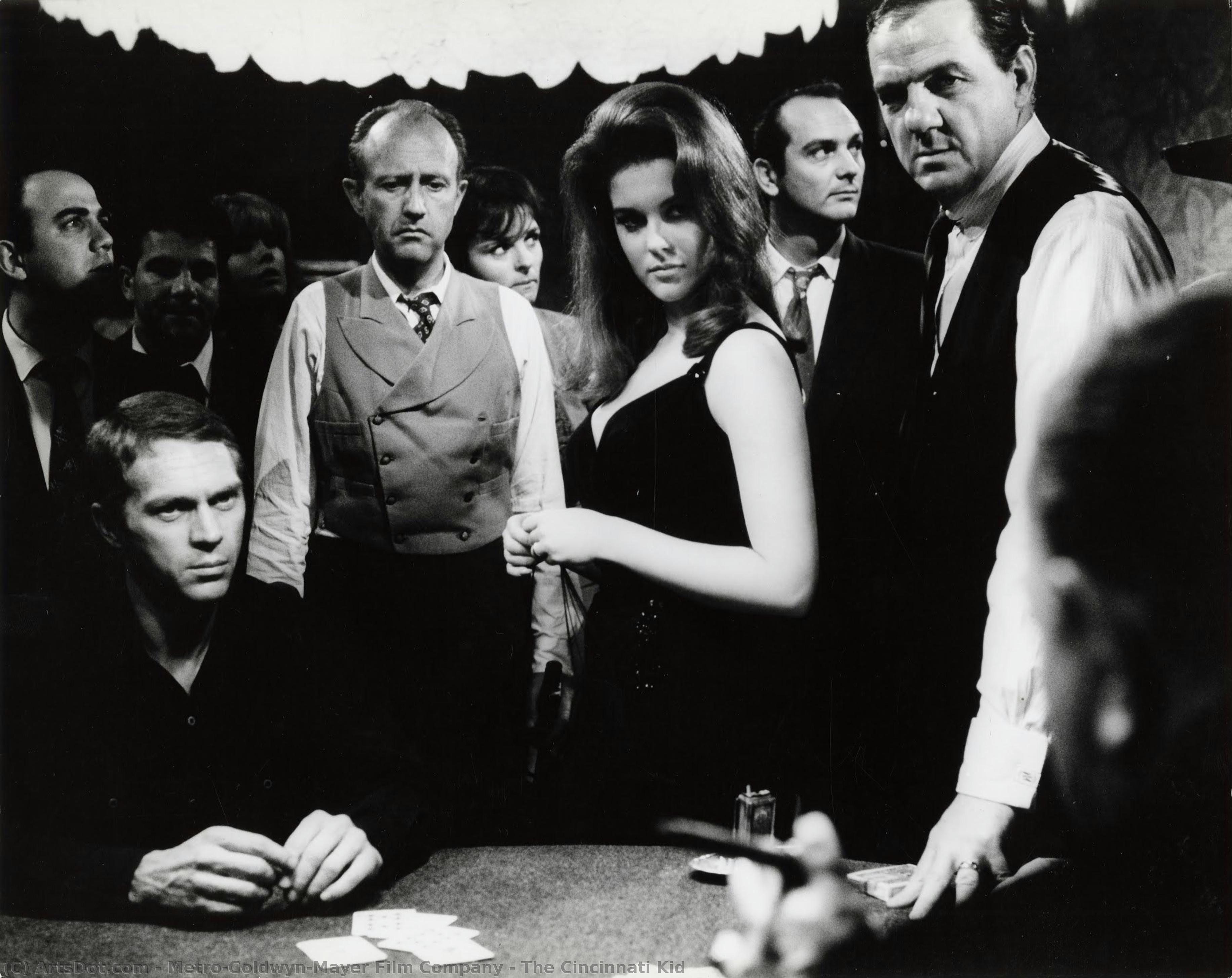
The Cincinnati Kid


 Читать далее
Жикле / Арт-принт
Печать (жикле) или холст музейного качества с быстрыми сроками изготовления и широким выбором вариантов отделки. ( Купить картину ручной работы Перейти к цифровым изображениям)
































Выберите один из наших стандартных размеров, соответствующих оригинальным пропорциям произведения искусства.

Вы можете указать свои собственные размеры, чтобы репродукция идеально подошла под конкретную раму или пространство. Если выбранный вами размер не будет соответствовать пропорциям оригинала, мы либо обрежем произведение, либо дополним изображение зеркальным отражением краев или однотонной заливкой. Перед началом производства вам будет отправлен цифровой макет для утверждения.
Пожалуйста, обратите внимание, что предварительный просмотр на экране не отображает фактическую обрезку или расширение изображения. Только макет точно покажет финальную композицию.
Несмотря на возможность заказа индивидуальных размеров, мы рекомендуем выбирать размер из предопределенного списка, чтобы сохранить оригинальные пропорции.
Доставка по всему миру () за 2 недели вместо стандартных 4/5 недель. (13 Сентябрь)

Бесплатная экспресс-доставка по всему миру

Высококачественный льняной холст

Полное страхование доставки

Гарантия возмещения таможенных пошлин

Гарантия точного соответствия цветов

100-дневная политика возврата (только при обнаружении дефектов)

Гарантия возврата 100% средств

Предложение оптовых скидок
 Вариант со стеклом доступен только для размеров менее 110 см

The Cincinnati Kid
Жикле / Арт-принт
Размер репродукции
-


Итоговая стоимость
$ 62
Похожие произведения
Биография художника
The Roar of the Lion: A Legacy Forged in Silver and Light
The Metro-Goldwyn-Mayer Film Company, more commonly known as MGM, isn’t a single artist in the traditional sense; it is an entity, a collective creative force that shaped the very landscape of 20th-century entertainment. To speak of MGM is to speak of a studio system, a meticulously crafted dream factory born from the ambitions of Marcus Loew and the visionary talents of Louis B. Mayer and Samuel Goldwyn. Its origins lie in the early nickelodeon boom, evolving from Loew’s chain of theaters into a vertically integrated powerhouse that controlled production, distribution, and exhibition – a model that would define Hollywood for decades. While individual artists flourished *within* its walls—directors like Victor Fleming, George Cukor, and Vincente Minnelli; stars such as Greta Garbo, Clark Gable, Judy Garland, and Elizabeth Taylor—MGM itself became the defining aesthetic, a brand synonymous with glamour, spectacle, and enduring storytelling.From Vaudeville Roots to Technicolor Dreams
The early years of MGM were characterized by a pragmatic approach, consolidating smaller studios and leveraging Loew’s theater network. However, it was the partnership between Mayer, who understood the power of star personas and emotional resonance, and Goldwyn, with his artistic sensibilities, that truly set the studio apart. The 1920s saw MGM rapidly ascend, acquiring Polydor Pictures and establishing a reputation for lavish productions. A pivotal moment arrived with the advent of sound, which MGM embraced wholeheartedly, transforming its silent film stars into captivating vocal performers. But it was the introduction of Technicolor in the 1930s that irrevocably altered the studio’s trajectory. Films like The Wizard of Oz (1939) and Gone with the Wind (1939) weren't merely movies; they were immersive experiences, vibrant tapestries woven from color, music, and compelling narratives. This commitment to technological innovation became a hallmark of MGM’s identity, constantly pushing the boundaries of cinematic possibility.The Golden Age: A Constellation of Stars
The 1930s and 40s represent MGM's undisputed golden age. The studio cultivated an unparalleled stable of stars, each carefully molded into iconic figures. Clark Gable embodied rugged masculinity; Greta Garbo radiated enigmatic allure; Judy Garland possessed a heartbreaking vulnerability. These weren’t simply actors; they were meticulously constructed brands, their public images managed and refined by the studio’s publicity machine. Beyond the stars, MGM fostered a unique collaborative environment. Production teams remained largely intact for years, developing a shorthand and understanding that translated into consistently high-quality filmmaking. Musicals flourished under Arthur Freed, becoming synonymous with escapism and joy. The studio's backlot became legendary, a miniature world capable of recreating any setting imaginable. This period cemented MGM’s reputation as the “Aristocracy of Hollywood,” producing films that not only entertained but also reflected—and often shaped—American culture.Challenges and Transformations: The Decline and Legacy
The post-war era brought significant challenges to the studio system. The Paramount Decree, an antitrust ruling, forced MGM to divest its theater chain, disrupting its vertical integration model. Television’s rise presented a formidable competitor for audience attention. While MGM attempted to adapt—exploring new genres and production techniques—it struggled to maintain its dominance. The studio began selling off its vast backlot and star contracts, signaling the end of an era. Despite these difficulties, MGM continued to produce notable films throughout the 1950s and 60s, including Singin’ in the Rain (1952) and Ben-Hur (1959). However, the studio's financial struggles led to a series of mergers and acquisitions. Today, MGM exists as part of Amazon Studios, its iconic library serving as a valuable asset in the streaming age.An Enduring Symbol: The Lion Still Roars
Despite its tumultuous history, the legacy of Metro-Goldwyn-Mayer remains profoundly influential. Its films continue to captivate audiences worldwide, inspiring generations of filmmakers and performers. The studio’s commitment to craftsmanship, spectacle, and star power set a standard that continues to be emulated. More than just a production company, MGM represented a particular vision of American optimism and glamour—a world where dreams could come true, and anything was possible. And perhaps most enduringly, the iconic lion roar that precedes each film serves as a potent symbol of Hollywood’s golden age, a reminder of a time when movies truly were magic.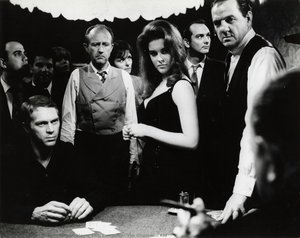
Основные сведения
- Artistic Movement Or Style: Film Production
- Date Of Death: Living
- Full Name: Metro-Goldwyn-Mayer Film Company
Похожие статьи
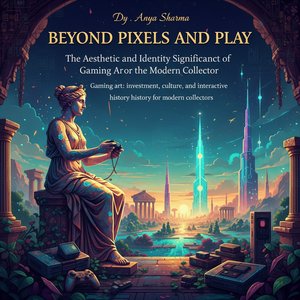
За пределами пикселей и игрового процесса: эстетическая и идентичностная значимость игрового искусства для современного коллекционера
Исследуйте мир игрового искусства с экспертами! Узнайте об авторстве, эстетике и инвестициях в редкий арт из видеоигр. Коллекционируйте уникальные произведения и откройте новые горизонты современного цифрового творчества.
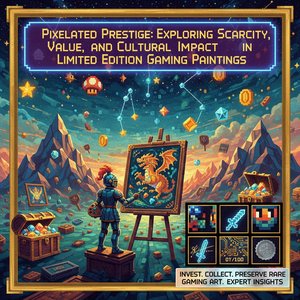
Пиксельная Престижность: Исследование Дефицита, Ценности и Культурного Влияния Лимитированных Изданий Игровых Карти́н
Исследуйте мир лимитированных изданий игровых артов! Узнайте о ценности, дефиците и культурном влиянии цифрового искусства. Инвестиции, аутентификация и перспективы рынка – экспертный анализ для коллекционеров.
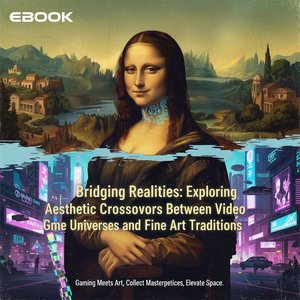
Пересечение реальностей: исследование эстетических взаимосвязей между вселенными видеоигр и традициями изобразительного искусства
Исследование эстетических связей между видеоиграми и традиционным искусством. Анализ визуальных языков, семиотики и образовательного потенциала игр. Экспертный взгляд для коллекционеров и ценителей.

От пикселей до подиумов: как эстетика игр формирует современную культуру
Узнайте, как эстетика видеоигр формирует современную культуру, моду и дизайн. Анализ трендов Y2K, пиксель-арта и влияния игр на искусство. Экспертный взгляд!
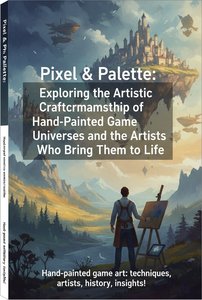
Мазки и битвы с боссами: Художники, создающие игровые вселенные вручную
Узнайте о секретах создания игровых вселенных вручную! Экспертный обзор техник, материалов и влияния уникальных художественных школ на современный геймдев. Вдохновение для художников и разработчиков игр.