

 Предпросмотр
 Поделиться
 Поделиться
 Детали произведения

 Скачать
 Похожие работы
 Рентгенография
 Слайд-шоу
 Статистика
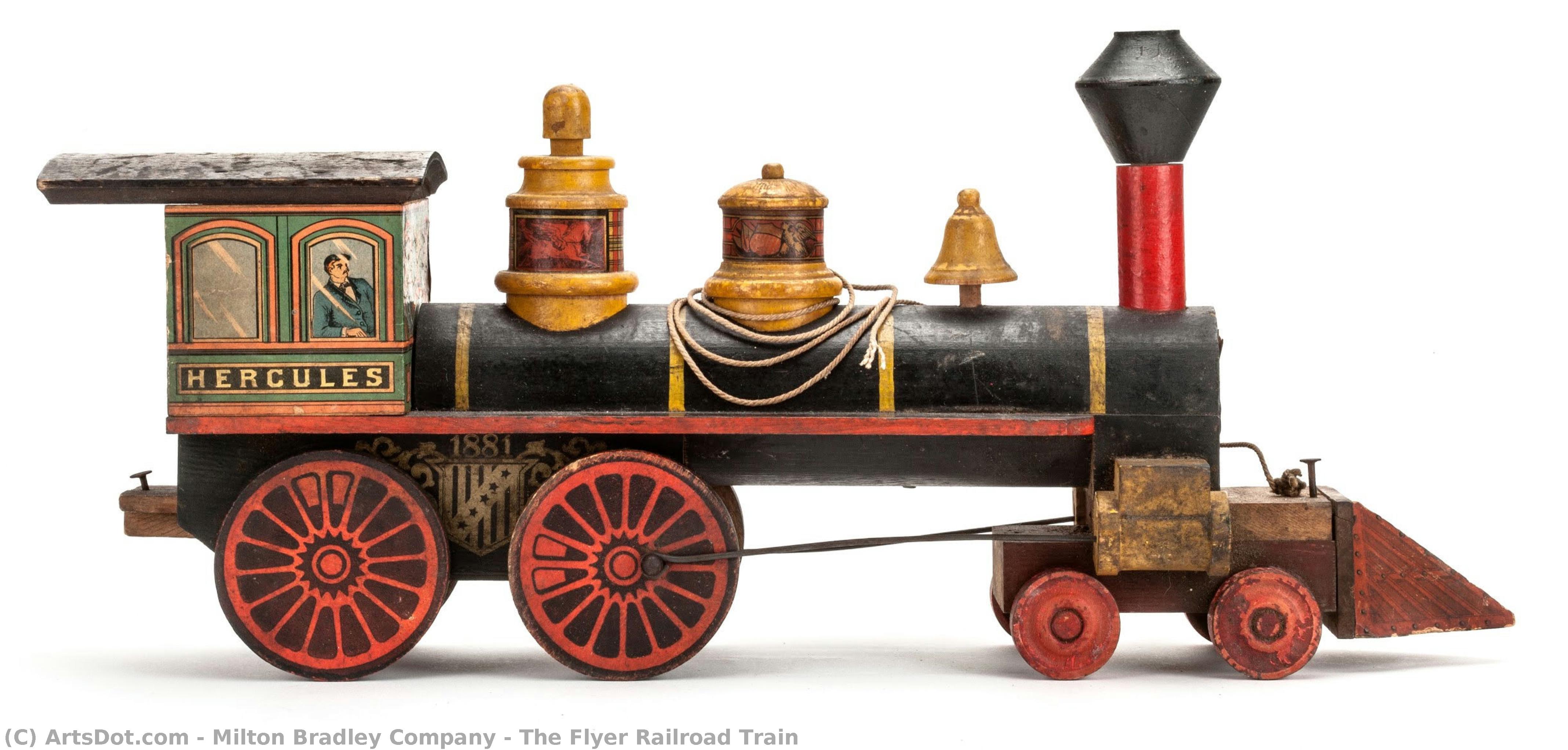
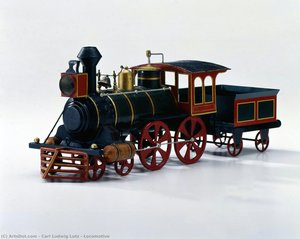
The Flyer Railroad Train
 1905
1905 20.0 x 45.0 cm
 Читать далее
Жикле / Арт-принт
Печать (жикле) или холст музейного качества с быстрыми сроками изготовления и широким выбором вариантов отделки. ( Купить картину ручной работы Перейти к цифровым изображениям)




































Выберите один из наших стандартных размеров, соответствующих оригинальным пропорциям произведения искусства.

Вы можете указать свои собственные размеры, чтобы репродукция идеально подошла под конкретную раму или пространство. Если выбранный вами размер не будет соответствовать пропорциям оригинала, мы либо обрежем произведение, либо дополним изображение зеркальным отражением краев или однотонной заливкой. Перед началом производства вам будет отправлен цифровой макет для утверждения.
Пожалуйста, обратите внимание, что предварительный просмотр на экране не отображает фактическую обрезку или расширение изображения. Только макет точно покажет финальную композицию.
Несмотря на возможность заказа индивидуальных размеров, мы рекомендуем выбирать размер из предопределенного списка, чтобы сохранить оригинальные пропорции.
Доставка по всему миру () за 2 недели вместо стандартных 4/5 недель. (12 Сентябрь)

Бесплатная экспресс-доставка по всему миру

Высококачественный льняной холст

Полное страхование доставки

Гарантия возмещения таможенных пошлин

Гарантия точного соответствия цветов

100-дневная политика возврата (только при обнаружении дефектов)

Гарантия возврата 100% средств

Предложение оптовых скидок
 Вариант со стеклом доступен только для размеров менее 110 см

The Flyer Railroad Train
Жикле / Арт-принт
Размер репродукции
-


Итоговая стоимость
$ 62
Похожие произведения




Биография художника
The Unexpected Canvas: Milton Bradley Company and the Rise of Board Game Art
It’s a curious entry in the annals of art history – a company synonymous not with oils or marble, but with *board games*. Yet, to dismiss the Milton Bradley Company as merely a manufacturer is to overlook its profound impact on American visual culture. Founded in 1860 by Milton Bradley himself, initially as a lithographer producing portraits and greeting cards, the company’s trajectory shifted dramatically towards entertainment, ultimately establishing it as a pioneer in the art of game design and illustration. This wasn't simply about creating diversions; it was about crafting worlds, evoking emotions, and telling stories through increasingly sophisticated visual means. Bradley, a former lithographer, understood the power of imagery long before the advent of mass marketing. His early success stemmed from accurately reproducing portraits, but his entrepreneurial spirit quickly recognized a broader potential for printed art – one that engaged audiences directly rather than passively observing.From Portraits to Pastimes: The Evolution of an Aesthetic
The transition from portraiture to board games wasn’t immediate. Bradley initially experimented with “The Checkered Game of Life,” inspired by a similar British game, but it was his own innovations that truly propelled the company forward. He recognized the need for visually appealing and engaging designs to capture the public's imagination. Early games featured relatively simple illustrations, often employing Victorian-era aesthetics – detailed landscapes, idealized figures, and ornate borders. However, as the company grew, so too did its artistic ambitions. The late 19th and early 20th centuries saw a blossoming of illustration styles, and Milton Bradley actively sought out talented artists to bring their games to life. Artists like George Bertie DeWitt became integral to the company’s success, imbuing titles such as “Game of Life” with a sense of narrative charm and aspirational imagery. The focus shifted from mere gameplay to creating an *experience*, where the artwork played a crucial role in shaping player expectations and emotional investment.Influences and Innovations: A Reflection of American Society
The art within Milton Bradley games wasn’t created in a vacuum. It was deeply reflective of the evolving social landscape of America. The late 19th century saw a rise in middle-class leisure activities, and board games catered directly to this burgeoning market. Themes of homeownership, career advancement, and family values were frequently depicted, mirroring the aspirations of the American public. The artwork often romanticized these ideals – idyllic suburban scenes, successful professionals, and happy families enjoying domestic bliss. Furthermore, the company embraced new printing technologies, allowing for more vibrant colors, detailed illustrations, and increasingly complex game boards. This technical innovation directly influenced the artistic possibilities, enabling artists to create richer, more immersive worlds within their designs. The influence of popular illustration styles – from the realism of Norman Rockwell to the Art Deco movement – can be seen in various games produced throughout the company’s history.Major Achievements and Lasting Legacy
While many games achieved popularity, “The Game of Life” remains Milton Bradley's most enduring legacy. Its iconic game board, constantly updated over the decades to reflect changing societal norms, has become a cultural touchstone. The artwork itself has undergone numerous transformations, yet it consistently embodies the American dream – the pursuit of happiness, financial security, and family fulfillment. Beyond “The Game of Life,” titles like "Clue" (originally known as "Cluedo") demonstrated the company’s ability to create compelling narratives through visual design, establishing a genre of mystery board games that continues to thrive today. Milton Bradley Company didn't just sell games; they sold aspirations and fantasies. The impact extends beyond entertainment. The company fostered a generation of illustrators and designers, contributing significantly to the development of American graphic art. Their work shaped not only how people played but also how they perceived their own lives and possibilities.Historical Significance: More Than Just Child’s Play
The historical significance of Milton Bradley Company lies in its democratization of art. While fine art remained largely inaccessible to the masses, board game illustrations brought visually engaging imagery into homes across America. These games provided a shared cultural experience, fostering family bonding and social interaction.- They reflected societal values and aspirations.
- They showcased the talents of numerous artists.
- They pioneered innovative printing techniques.

Основные сведения
- Artistic Movement Or Style: Board Game Design
- Date Of Death: Living
- Full Name: Milton Bradley Company
- Notable Artworks:
- The Checkered Game of Life
- Game of Authors
- Uncle Sam's Tour Around the World