

 Предпросмотр
 Поделиться
 Поделиться
 Детали произведения

 Скачать
 Похожие работы
 Рентгенография
 Слайд-шоу
 Статистика
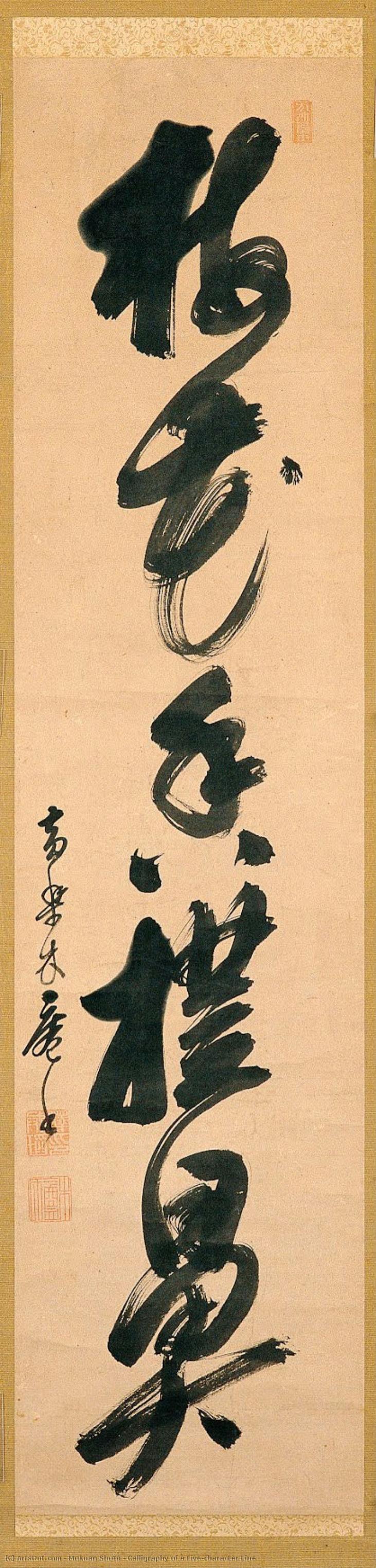
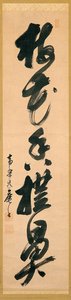
Calligraphy of a Five-character Line

 Читать далее
Масляная репродукция ручной работы
Картина маслом на холсте в выбранном вами размере и раме, написанная на заказ нашими художниками. ( Перейти к печати Перейти к цифровым изображениям)




































Выберите один из наших стандартных размеров, соответствующих оригинальным пропорциям произведения искусства.

Вы можете указать собственные размеры, чтобы картина идеально вписалась в выбранную раму или пространство. Если выбранный вами размер не соответствует пропорциям оригинала, мы либо обрежем полотно, либо расширим его за счет дополнительных элементов, написанных вручную. Цифровой макет будет отправлен вам на утверждение перед началом производства.
Обратите внимание, что предварительный просмотр на экране не отражает фактическую обрезку или расширение. Только макет точно покажет окончательную композицию.
Хотя доступны индивидуальные размеры, мы рекомендуем выбирать вариант из предопределенного списка, чтобы сохранить исходные пропорции.
После оформления заказа команда ArtsDot.com свяжется с клиентом по электронной почте для уточнения деталей и предоставит предварительный макет
Доставка по всему миру () за 3–4 недели вместо стандартных 5 недель. (12 Сентябрь). Без компромиссов в качестве.

Бесплатная экспресс-доставка по всему миру

Высококачественный льняной холст

Полное страхование доставки

Гарантия возмещения таможенных пошлин

Гарантия точного соответствия цветов

100-дневная политика возврата (только при обнаружении дефектов)

Гарантия возврата 100% средств

Предложение оптовых скидок
 Вариант со стеклом доступен только для размеров менее 110 см

Calligraphy of a Five-character Line
Техника репродукции
Размер репродукции
-


Итоговая стоимость
$ 263
Похожие произведения

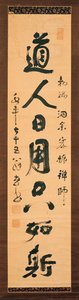
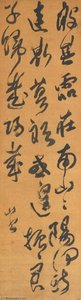

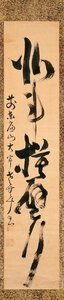

Биография художника
A Legacy Etched in Ink and Zen
The history of Japanese spiritual and artistic expression is profoundly marked by the arrival of Mokuan Shōtō, a figure whose life bridged the gap between the Ming Dynasty traditions of China and the burgeoning culture of the Edo Period in Japan. Born in 1611 in Fuzhou, China, his journey was one of profound movement—not merely across geographical borders, but through the deep, meditative landscapes of the soul. As a pivotal architect of the Ōbaku Zen lineage, Mokuan Shōtō did more than practice Buddhism; he helped transplant an entire aesthetic and spiritual ecosystem into Japanese soil, leaving behind a legacy that remains etched in the fluid, rhythmic strokes of his calligraphy.
His formative years were steeped in the rigorous monastic traditions of Fujian Province, a region renowned for its vibrant Chan heritage. Entering the monastic order at the tender age of nineteen, Mokuan began a period of intense scholarly and contemplative training under the guidance of masters such as Yongjue Yuanxian at Mt. Huangbo. This era of his life was defined by the pursuit of mindfulness, emptiness, and enlightenment—principles that would later manifest in the raw, uninhibited energy of his brushwork. Under the tutelage of luminaries like Feiyin Tongrong and Yinyuan Longqi at Wanfusi Monastery, he mastered the delicate balance between disciplined technique and the spontaneous expression of truth.
The Journey to Japan and the Birth of Ōbaku
In 1654, a transformative chapter began when Mokuan Shōtō embarked on a voyage to Japan alongside his master, Yinyuan Longqi. This migration was not merely a relocation of a monk, but the beginning of a cultural renaissance. Settling initially in Nagasaki at Fukusaiji Temple, he eventually moved to Mt. Obaku in Useless, where he played an instrumental role in the construction of Mampuku-ji. This temple would become the spiritual epicenter for the Ōbaku lineage, a sanctuary where Chinese-style Zen could flourish within the Japanese landscape. Upon the passing of his mentor, Mokuan ascended to the position of abbot in 1664, a role in which he became a bridge between two nations.
His influence extended far beyond the monastery walls, reaching into the highest echelons of Japanese society. He earned the profound trust of the fourth Shogun, Tokugawa Ietsuna, an achievement that provided the political stability necessary for the Ōbaku lineage to thrive. Through his leadership, he championed monastic discipline and oversaw the education of a new generation of practitioners, ensuring that the intellectual and spiritual vitality of the Ming tradition would continue to pulse through the heart of Japan for centuries to come.
The Spirit of the Three Brushes
To look upon the work of Mokuan Shōtō is to witness the intersection of calligraphy and cosmic truth. He was celebrated as one of the Obaku no Sanpitsu, or the "Three Brushes of Ōbaku," a title reserved for calligraphers whose mastery of the brush was considered unparalleled. His style was characterized by a rapidly flowing semi-cursive script, a technique that demanded both immense physical control and a complete surrender to the moment. In his hands, ink was not merely pigment on paper; it was a living entity, capturing the breath and spirit of the practitioner.
His artistic achievements often centered on profound Zen concepts, such as the "large circle," which symbolizes the heavens, reality, and the Buddha-nature. When he executed these characters across broad expanses of paper, the movement was dynamic and uninhibited, mirroring the very essence of enlightenment—a sudden, sweeping realization of truth. His work remains a testament to the idea that art is an extension of meditation, where every stroke serves as a record of a mind in perfect harmony with the universe.
mokuan shōtō
1611 - 1684 , China
Основные сведения
- Artistic Movement Or Style: Ōbaku Zen calligraphy
- Artists Or Movements Influenced By This Artist: ['Linji School']
- Artists Who Influenced This Artist: ['Yinyuan Longqi']
- Date Of Birth: 1611
- Date Of Death: 1684
- Full Name: Mokuan Shōtō
- Nationality: Chinese
- Notable Artworks: ['Two Large Characters by Muan (Muang) Xingtao']
- Place Of Birth: Fuzhou, China