

 Предпросмотр
 Поделиться
 Поделиться
 Детали произведения

 Скачать
 Похожие работы
 Рентгенография
 Слайд-шоу
 Статистика
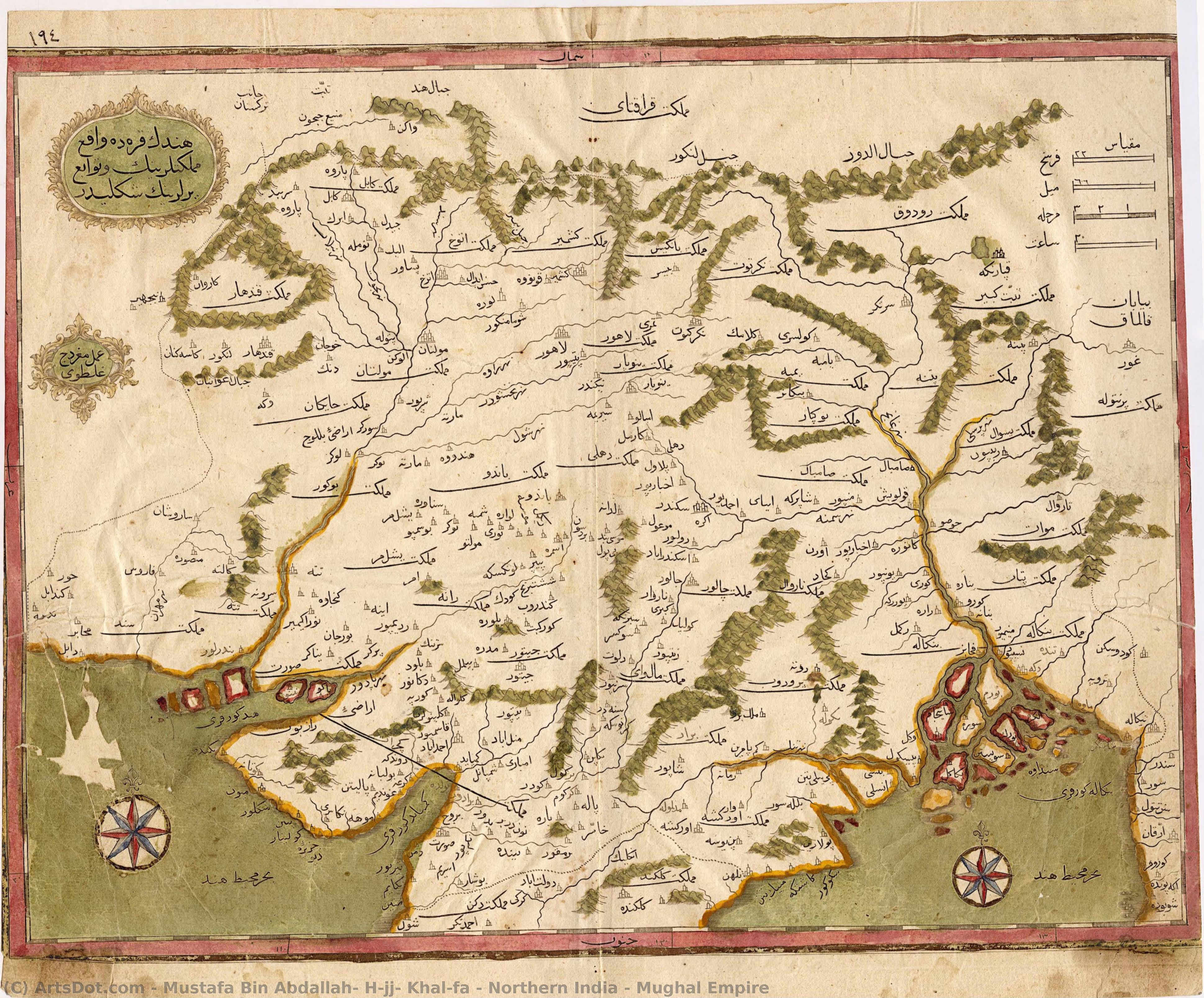
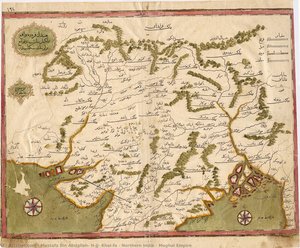
Northern India – Mughal Empire
 Painting
- Ottoman Period Art
 Early Modern
 26.0 x 35.0 cm
 Kalakriti Archives
 Читать далее
Приобретите цифровое изображение высокого разрешения в улучшенном качестве, которое значительно превосходит онлайн-превью.
Каждый файл тщательно подготавливается нашими специалистами с использованием передовых инструментов и экспертной ручной ретуши. Мы гарантируем исключительную четкость, точную цветопередачу и детальную проработку каждого изображения.
Финальный файл доставляется по электронной почте в течение 72 часов и оптимизирован для немедленного использования в профессиональной среде, при верстке и печати. Это тот же уровень качества, которому доверяют ведущие дизайнерские студии, издательства и галереи.
Цифровое изображение
Скачайте файл высокого разрешения для личного использования, печати и творческих проектов. ( Перейти к печати Купить картину ручной работы)
Включено в каждый заказ цифровых изображений
Гарантия экспертной цифровой доставки
Выбирая ArtsDot.com, вы получаете не просто изображение — вы приобретаете профессионально обработанное цифровое произведение искусства, созданное с безупречной точностью и под защитой гарантии качества. Вот всё, что автоматически входит в ваш заказ:

Мгновенная доставка по e-mail
Ваш цифровой файл в высоком разрешении будет отправлен вам по электронной почте в течение 72 часов после оформления заказа — и сразу станет доступен для использования.

Цифровой файл с ИИ-улучшением
Ваше произведение искусства проходит профессиональную оптимизацию с использованием передовых инструментов ИИ и ручной обработки, что гарантирует максимальную детализацию, четкость и точность цветопередачи.

Бессрочная бесплатная повторная доставка
Случайно удалили или потеряли файл? Не беспокойтесь — мы отправим его вам повторно в любое время и совершенно бесплатно.

Без импортных пошлин — навсегда
Наслаждайтесь вашим произведением искусства мгновенно без таможенных пошлин, сборов или затрат на доставку — цифровые загрузки всегда не облагаются налогом.

Гарантия точности цветопередачи
Мы гарантируем, что ваше цифровое изображение максимально точно передает оригинальные цвета благодаря использованию профессиональных инструментов и систем управления цветом.

Гарантия удовлетворенности 100 дней
Если вы не будете удовлетворены своим цифровым изображением, мы внесем правки или вернем 100% стоимости в течение 100 дней — без лишних вопросов.

100% Гарантия возврата средств
Не удовлетворены покупкой? Получите полный возврат средств в течение 100 дней после получения цифрового файла — без лишних вопросов.

Скидки на оптовые заказы
Купите 3 изображения, сэкономьте 10% — Купите 5, сэкономьте 15% — Купите 10+, сэкономьте 20%. Отличное решение для творческих проектов, галерей и агентств.
Похожие произведения
Биография художника
The Renaissance of the Ottoman Mind
In the vibrant, bustling heart of seventeenth-century Constantinople, a figure emerged whose intellect would bridge the gap between the scientific and the sublime. Mustafa bin Abdallah, known to history by the evocative names Kâtib Çelebi and Hajji Khalifa, was far more than a mere administrator or diplomat; he was a true polymath of the Ottoman era.Born in 1609, his life unfolded during a period of profound cultural synthesis, where the boundaries between geography, theology, and art were beautifully blurred. His existence was a testament to the burgeoning Ottoman Period Art Movement, an era that sought to refine a visual language distinct from European influence by drawing deeply from Islamic geometric principles and the opulent traditions of Persian and Mughal aesthetics.
Cartography as High Art
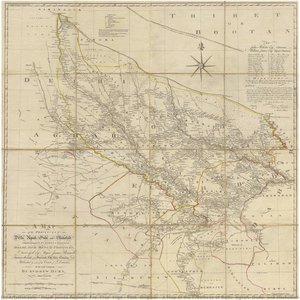
To gaze upon the works of Kâtib Çelebi is to witness the world through a lens of exquisite precision and decorative grace. His most enduring legacy lies in his groundbreaking cartographic achievements, particularly within his atlas, the Cihannüma. This was not merely a collection of navigational tools but a masterpiece of visual storytelling.His maps, such as the celebrated depiction of Northern India, served as a bridge between the Ottoman and Mughal empires. These works utilized the elegant flow of Nesih Arabic typography and a palette that captured the richness of the Indian subcontinent. Through his meticulous documentation of rivers, cities, and even the legendary Mughal Trunk Road, he transformed the raw data of geography into an aesthetic experience, where every line and cartouche whispered of imperial grandeur and scientific discovery.
An Encyclopedic Legacy
The true breadth of his genius is perhaps best captured in his monumental literary endeavors, which sought to catalogue the very essence of human knowledge. His magnum opus, Kaşf az-Zunūn, stands as a towering achievement of scholarship, an ambitious attempt to encompass the vast reaches of mathematics, astronomy, medicine, and philosophy.This drive for universal understanding was mirrored in his artistic sensibilities; he saw no distinction between the logic of a geometric pattern and the complexity of a theological treatise. His life’s work remains a cornerstone of Islamic intellectual history, reminding us that true mastery lies in the ability to see the interconnectedness of all things—from the precise arc of a map's border to the infinite depth of a scholar's thought.
mustafa bin abdallah, hājjī khalīfa
1609 - 1657 , Turkey
Основные сведения
- Artistic Movement Or Style: Ottoman Art Movement
- Artists Or Movements Influenced By This Artist: ['Islamic Geometric Designs']
- Artists Who Influenced This Artist: ['Franz Babinger']
- Date Of Birth: Istanbul, Turkey (1609)
- Date Of Death: Istanbul, Turkey (1657)
- Full Name: Mustafa bin Abdullah (Hajji Khalifa)
- Nationality: Ottoman
- Notable Artworks: ['Maps of India']
- Place Of Birth: Constantinople