

 Предпросмотр
 Поделиться
 Поделиться
 Детали произведения

 Скачать
 Похожие работы
 Рентгенография
 Слайд-шоу
 Статистика
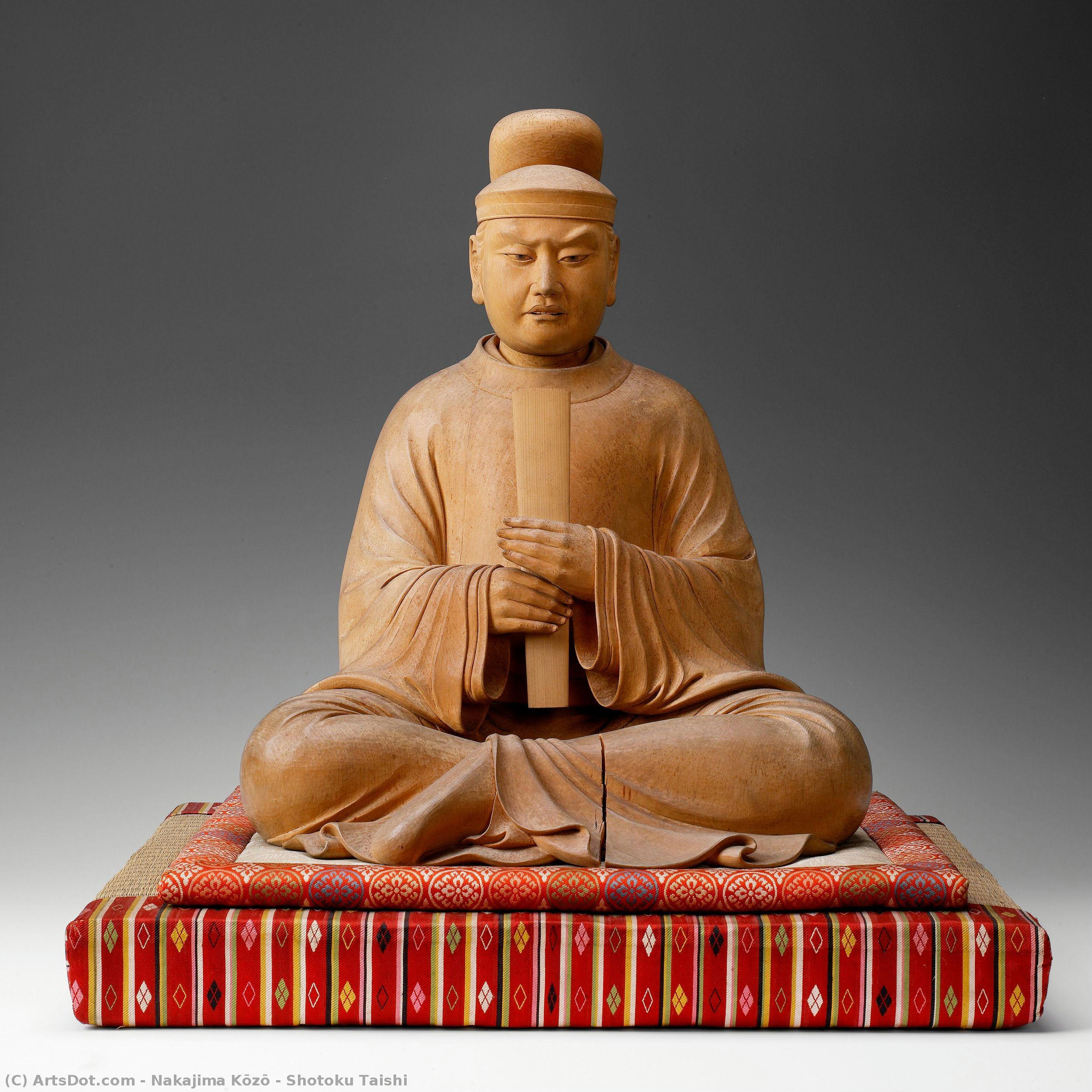
Shotoku Taishi


 Читать далее
Масляная репродукция ручной работы
Картина маслом на холсте в выбранном вами размере и раме, написанная на заказ нашими художниками. ( Перейти к печати Перейти к цифровым изображениям)




































Выберите один из наших стандартных размеров, соответствующих оригинальным пропорциям произведения искусства.

Вы можете указать собственные размеры, чтобы картина идеально вписалась в выбранную раму или пространство. Если выбранный вами размер не соответствует пропорциям оригинала, мы либо обрежем полотно, либо расширим его за счет дополнительных элементов, написанных вручную. Цифровой макет будет отправлен вам на утверждение перед началом производства.
Обратите внимание, что предварительный просмотр на экране не отражает фактическую обрезку или расширение. Только макет точно покажет окончательную композицию.
Хотя доступны индивидуальные размеры, мы рекомендуем выбирать вариант из предопределенного списка, чтобы сохранить исходные пропорции.
После оформления заказа команда ArtsDot.com свяжется с клиентом по электронной почте для уточнения деталей и предоставит предварительный макет
Доставка по всему миру () за 3–4 недели вместо стандартных 5 недель. (11 Сентябрь). Без компромиссов в качестве.

Бесплатная экспресс-доставка по всему миру

Высококачественный льняной холст

Полное страхование доставки

Гарантия возмещения таможенных пошлин

Гарантия точного соответствия цветов

100-дневная политика возврата (только при обнаружении дефектов)

Гарантия возврата 100% средств

Предложение оптовых скидок
 Вариант со стеклом доступен только для размеров менее 110 см

Shotoku Taishi
Техника репродукции
Размер репродукции
-


Итоговая стоимость
$ 263
Похожие произведения
Биография художника
The Master of Form: The Life and Legacy of Nakajima Kōzō
In the heart of the Meiji Era, a period defined by Japan's breathtaking metamorphosis from a secluded feudal society to a modern global power, one sculptor stood as a bridge between two worlds. Born in Tokyo in 1852 as Nakajima Kōzō, this artist would eventually become known to history as Takamura Kōun. His life was a profound meditation on the tension between preservation and progress. While much of Japan was rapidly adopting Western industrialism, Kōun dedicated himself to the refinement of traditional Japanese aesthetics, ensuring that the ancient soul of Japanese sculpture would not be lost in the rush toward modernity.
Kōun’s artistic journey began under the rigorous guidance of his mentor, Takamura Tōun, a master of Buddhist sculpture. This apprenticeship was more than mere technical training; it was an immersion into a spiritual lineage of wood carving that demanded absolute precision and a deep reverence for the medium. Through this connection, Kōun inherited a mastery of texture and form that allowed him to breathe life into inanimate materials. He did not merely carve wood or cast bronze; he sought to capture the very essence of his subjects, whether they were the divine figures of Buddhist tradition or the raw, visceral reality of the natural world.
A Synthesis of Tradition and Realism
As Kōun’s career matured, his style evolved into a breathtaking synthesis of classical Japanese technique and the burgeoning influence of European realism. He possessed a rare ability to maintain the delicate, spiritual grace of traditional wood carving while embracing the anatomical accuracy and dramatic presence found in Western sculpture. This duality is perhaps most evident in his most celebrated works, where the weight of bronze meets the ethereal quality of ancient craftsmanship.
<- The Bronze Icons of Tokyo: Kōun’s ability to command monumental scale is immortalized in the streets of Tokyo. His bronze statue of Saigō Takamori, completed in 1898 and situated in Ueno Park, remains a powerful symbol of Japanese history. Similarly, his equestrian statue of the legendary samurai Kusunoki Masahige, standing before the Tokyo Imperial Palace, captures a sense of stoic loyalty and martial grandeur that continues to awe onlookers.
- The Mastery of Nature: Beyond the monumental, Kōun found profound expression in the minute details of life. His work Aged Monkey (Rōen) serves as a testament to his ability to convey emotion and the passage of time through texture and subtle anatomical nuance, proving that his skill was as potent in small-scale realism as it was in grand public monuments.
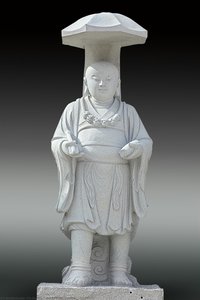
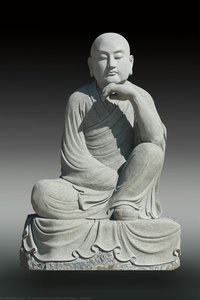
- Spiritual Depth: His depictions of Buddhist figures, such as Shotoku Taishi, demonstrate a continued devotion to the spiritual roots of his training, utilizing light and shadow to evoke a sense of peace, compassion, and divine presence.
An Enduring Artistic Heritage
The significance of Takamura Kōun extends far beyond the physical objects he created. As a professor at the Tokyo School of Fine Arts, he played a pivotal role in shaping the next generation of Japanese artists, instilling in them the same respect for tradition and courage for innovation that defined his own career. He was not merely a sculptor of stone and metal, but an educator who helped codify a new era of Japanese art.
His legacy is also deeply personal, carried forward by his son, the renowned poet and sculptor Kōtarō Takamura, ensuring that the Kōun lineage remained central to Japan's cultural narrative. Today, when we look upon the bronze figures in Tokyo’s parks or study the intricate textures of his carvings, we see more than just art; we see the enduring spirit of a man who looked at a changing world and chose to honor its past while sculpting its future.
nakajima kōzō
1852 - 1934 , Japan
Основные сведения
- Artistic Movement Or Style: Modern Japanese Sculpture
- Artists Or Movements Influenced By This Artist: ['Western Realism']
- Artists Who Influenced This Artist: ['Takamura Tōun']
- Date Of Birth: March 8, 1852
- Full Name: nakajima kōzō / takamura kōun
- Nationality: Japanese
- Notable Artworks:
- Saigō Takamori
- Aged Monkey
- Prince Shôtoku
- Place Of Birth: Tokyo, Japan
Похожие статьи

10 легендарных бронзовых шедевров, изменивших искусство | ArtsDot
Погрузитесь в мир великих бронзовых шедевров! От Давида Донателло до Мыслителя Родена – узнайте историю создания, технику и значение легендарных скульптур. Вдохновение для интерьера и музейное качество репродукций на ArtsDot.com.

10 легендарных бронзовых скульптур, изменивших искусство навсегда | ArtsDot
Погрузитесь в мир великих бронзовых скульптур! От Давида Микеланджело до работ Родена – история искусства, техники и вдохновения. Купите репродукции шедевров для вашего интерьера на ArtsDot.com
The Enduring Form: Sculpture Across History, Technique & Emotional Resonance
Explore the rich history of sculpture with ArtsDot. Discover key techniques, influential artists & investment potential for discerning collectors. Expert insights into valuing and collecting timeless masterpieces.
Непреходящее наследие бронзовой скульптуры: история, техники и современные интерпретации
Узнайте историю бронзовой скульптуры, техники литья и советы по коллекционированию от экспертов. Откройте для себя вечное искусство бронзы!

The Enduring Form: Exploring Themes & Techniques in Sculpture Across Historical Periods
Explore the rich history of sculpture from ancient masterpieces to contemporary innovations. Discover key techniques, influential artists & investment potential for discerning art collectors.