

 Предпросмотр
 Поделиться
 Поделиться
 Детали произведения

 Скачать
 Похожие работы
 Рентгенография
 Слайд-шоу
 Статистика
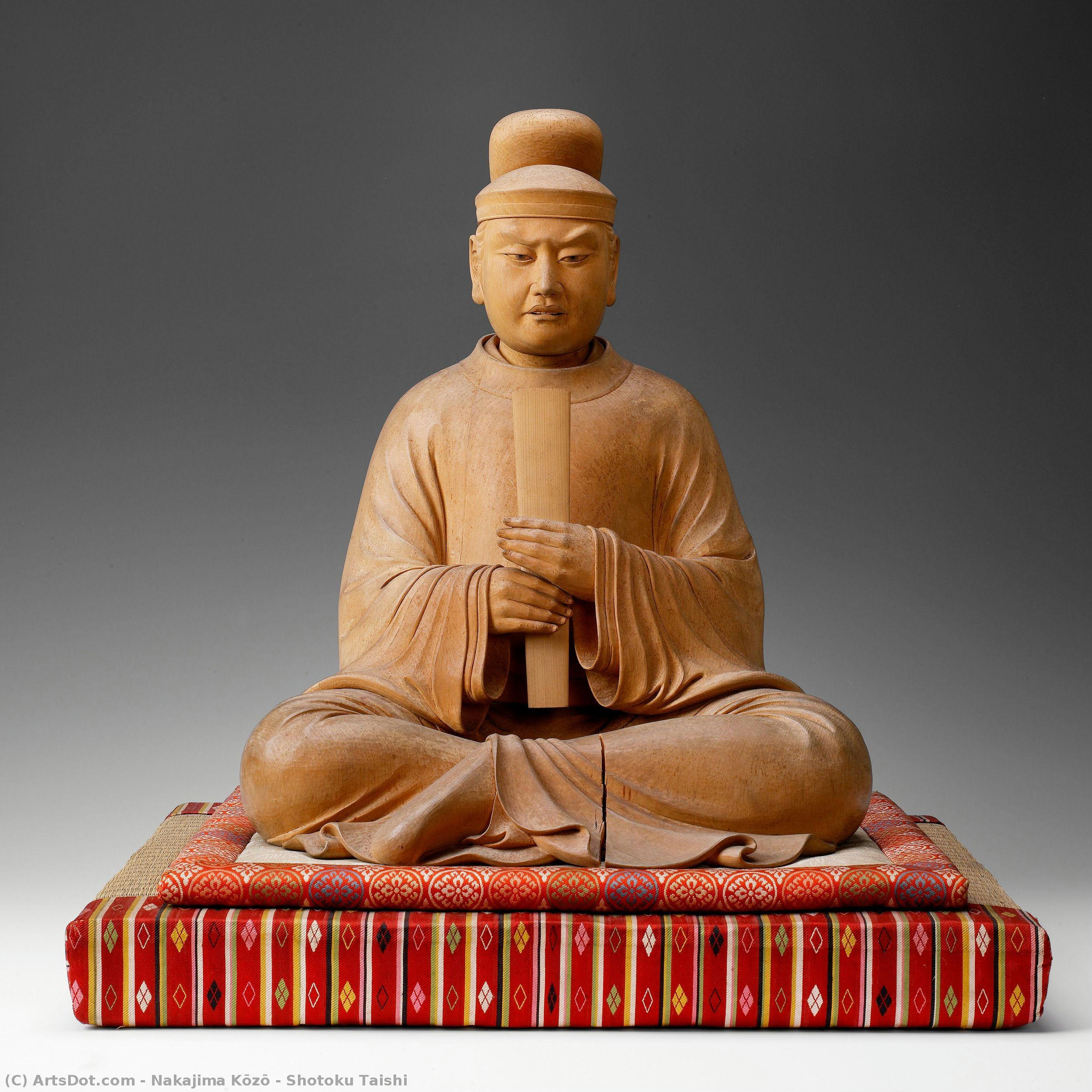
Shotoku Taishi


 Читать далее
Приобретите цифровое изображение высокого разрешения в улучшенном качестве, которое значительно превосходит онлайн-превью.
Каждый файл тщательно подготавливается нашими специалистами с использованием передовых инструментов и экспертной ручной ретуши. Мы гарантируем исключительную четкость, точную цветопередачу и детальную проработку каждого изображения.
Финальный файл доставляется по электронной почте в течение 72 часов и оптимизирован для немедленного использования в профессиональной среде, при верстке и печати. Это тот же уровень качества, которому доверяют ведущие дизайнерские студии, издательства и галереи.
Цифровое изображение
Скачайте файл высокого разрешения для личного использования, печати и творческих проектов. ( Перейти к печати Купить картину ручной работы)
Включено в каждый заказ цифровых изображений
Гарантия экспертной цифровой доставки
Выбирая ArtsDot.com, вы получаете не просто изображение — вы приобретаете профессионально обработанное цифровое произведение искусства, созданное с безупречной точностью и под защитой гарантии качества. Вот всё, что автоматически входит в ваш заказ:

Мгновенная доставка по e-mail
Ваш цифровой файл в высоком разрешении будет отправлен вам по электронной почте в течение 72 часов после оформления заказа — и сразу станет доступен для использования.

Цифровой файл с ИИ-улучшением
Ваше произведение искусства проходит профессиональную оптимизацию с использованием передовых инструментов ИИ и ручной обработки, что гарантирует максимальную детализацию, четкость и точность цветопередачи.

Бессрочная бесплатная повторная доставка
Случайно удалили или потеряли файл? Не беспокойтесь — мы отправим его вам повторно в любое время и совершенно бесплатно.

Без импортных пошлин — навсегда
Наслаждайтесь вашим произведением искусства мгновенно без таможенных пошлин, сборов или затрат на доставку — цифровые загрузки всегда не облагаются налогом.

Гарантия точности цветопередачи
Мы гарантируем, что ваше цифровое изображение максимально точно передает оригинальные цвета благодаря использованию профессиональных инструментов и систем управления цветом.

Гарантия удовлетворенности 100 дней
Если вы не будете удовлетворены своим цифровым изображением, мы внесем правки или вернем 100% стоимости в течение 100 дней — без лишних вопросов.

100% Гарантия возврата средств
Не удовлетворены покупкой? Получите полный возврат средств в течение 100 дней после получения цифрового файла — без лишних вопросов.

Скидки на оптовые заказы
Купите 3 изображения, сэкономьте 10% — Купите 5, сэкономьте 15% — Купите 10+, сэкономьте 20%. Отличное решение для творческих проектов, галерей и агентств.
Похожие произведения
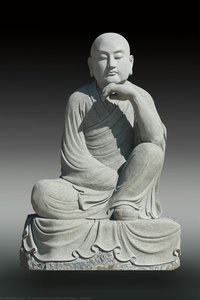
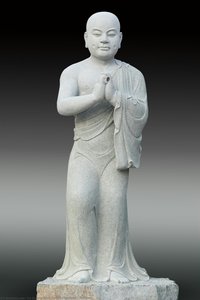
Биография художника
The Master of Form: The Life and Legacy of Nakajima Kōzō
In the heart of the Meiji Era, a period defined by Japan's breathtaking metamorphosis from a secluded feudal society to a modern global power, one sculptor stood as a bridge between two worlds. Born in Tokyo in 1852 as Nakajima Kōzō, this artist would eventually become known to history as Takamura Kōun. His life was a profound meditation on the tension between preservation and progress. While much of Japan was rapidly adopting Western industrialism, Kōun dedicated himself to the refinement of traditional Japanese aesthetics, ensuring that the ancient soul of Japanese sculpture would not be lost in the rush toward modernity.
Kōun’s artistic journey began under the rigorous guidance of his mentor, Takamura Tōun, a master of Buddhist sculpture. This apprenticeship was more than mere technical training; it was an immersion into a spiritual lineage of wood carving that demanded absolute precision and a deep reverence for the medium. Through this connection, Kōun inherited a mastery of texture and form that allowed him to breathe life into inanimate materials. He did not merely carve wood or cast bronze; he sought to capture the very essence of his subjects, whether they were the divine figures of Buddhist tradition or the raw, visceral reality of the natural world.
A Synthesis of Tradition and Realism
As Kōun’s career matured, his style evolved into a breathtaking synthesis of classical Japanese technique and the burgeoning influence of European realism. He possessed a rare ability to maintain the delicate, spiritual grace of traditional wood carving while embracing the anatomical accuracy and dramatic presence found in Western sculpture. This duality is perhaps most evident in his most celebrated works, where the weight of bronze meets the ethereal quality of ancient craftsmanship.
<- The Bronze Icons of Tokyo: Kōun’s ability to command monumental scale is immortalized in the streets of Tokyo. His bronze statue of Saigō Takamori, completed in 1898 and situated in Ueno Park, remains a powerful symbol of Japanese history. Similarly, his equestrian statue of the legendary samurai Kusunoki Masahige, standing before the Tokyo Imperial Palace, captures a sense of stoic loyalty and martial grandeur that continues to awe onlookers.
- The Mastery of Nature: Beyond the monumental, Kōun found profound expression in the minute details of life. His work Aged Monkey (Rōen) serves as a testament to his ability to convey emotion and the passage of time through texture and subtle anatomical nuance, proving that his skill was as potent in small-scale realism as it was in grand public monuments.
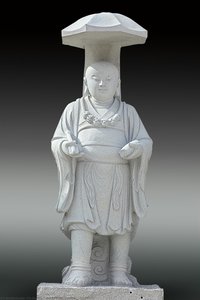
- Spiritual Depth: His depictions of Buddhist figures, such as Shotoku Taishi, demonstrate a continued devotion to the spiritual roots of his training, utilizing light and shadow to evoke a sense of peace, compassion, and divine presence.
An Enduring Artistic Heritage
The significance of Takamura Kōun extends far beyond the physical objects he created. As a professor at the Tokyo School of Fine Arts, he played a pivotal role in shaping the next generation of Japanese artists, instilling in them the same respect for tradition and courage for innovation that defined his own career. He was not merely a sculptor of stone and metal, but an educator who helped codify a new era of Japanese art.
His legacy is also deeply personal, carried forward by his son, the renowned poet and sculptor Kōtarō Takamura, ensuring that the Kōun lineage remained central to Japan's cultural narrative. Today, when we look upon the bronze figures in Tokyo’s parks or study the intricate textures of his carvings, we see more than just art; we see the enduring spirit of a man who looked at a changing world and chose to honor its past while sculpting its future.
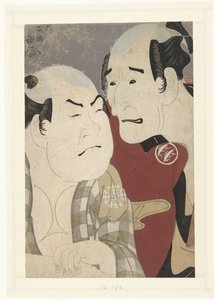
nakajima kōzō
1852 - 1934 , Japan
Основные сведения
- Artistic Movement Or Style: Modern Japanese Sculpture
- Artists Or Movements Influenced By This Artist: ['Western Realism']
- Artists Who Influenced This Artist: ['Takamura Tōun']
- Date Of Birth: March 8, 1852
- Full Name: nakajima kōzō / takamura kōun
- Nationality: Japanese
- Notable Artworks:
- Saigō Takamori
- Aged Monkey
- Prince Shôtoku
- Place Of Birth: Tokyo, Japan