

 Предпросмотр
 Поделиться
 Поделиться
 Детали произведения

 Скачать
 Похожие работы
 Рентгенография
 Слайд-шоу
 Статистика
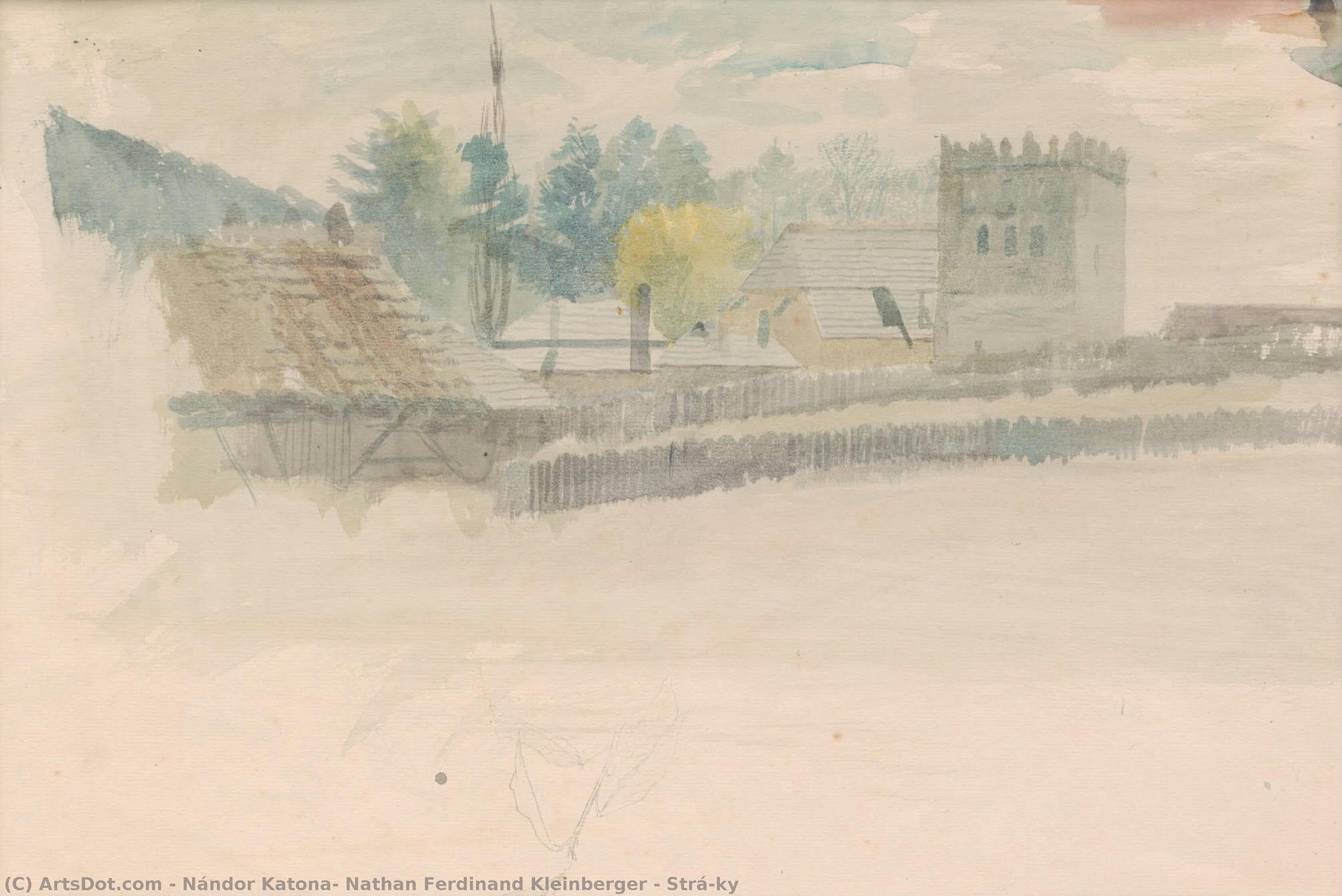
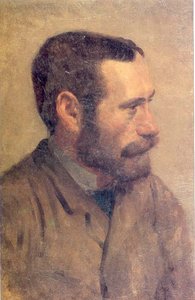
Strážky
 36.0 x 20.0 cm
 Tatra Gallery
 Читать далее
Масляная репродукция ручной работы
Картина маслом на холсте в выбранном вами размере и раме, написанная на заказ нашими художниками. ( Перейти к печати Перейти к цифровым изображениям)




































Выберите один из наших стандартных размеров, соответствующих оригинальным пропорциям произведения искусства.

Вы можете указать собственные размеры, чтобы картина идеально вписалась в выбранную раму или пространство. Если выбранный вами размер не соответствует пропорциям оригинала, мы либо обрежем полотно, либо расширим его за счет дополнительных элементов, написанных вручную. Цифровой макет будет отправлен вам на утверждение перед началом производства.
Обратите внимание, что предварительный просмотр на экране не отражает фактическую обрезку или расширение. Только макет точно покажет окончательную композицию.
Хотя доступны индивидуальные размеры, мы рекомендуем выбирать вариант из предопределенного списка, чтобы сохранить исходные пропорции.
После оформления заказа команда ArtsDot.com свяжется с клиентом по электронной почте для уточнения деталей и предоставит предварительный макет
Доставка по всему миру () за 3–4 недели вместо стандартных 5 недель. (13 Сентябрь). Без компромиссов в качестве.

Бесплатная экспресс-доставка по всему миру

Высококачественный льняной холст

Полное страхование доставки

Гарантия возмещения таможенных пошлин

Гарантия точного соответствия цветов

100-дневная политика возврата (только при обнаружении дефектов)

Гарантия возврата 100% средств

Предложение оптовых скидок
 Вариант со стеклом доступен только для размеров менее 110 см

Strážky
Техника репродукции
Размер репродукции
-


Итоговая стоимость
$ 263
Похожие произведения







Биография художника
A Life Rooted in the Tatra: The Evocative Landscapes of Nándor Katona
Nándor Katona, also known as Nathan Ferdinand Kleinberger, was a painter whose life story is as compelling as the landscapes he so masterfully captured. Born on September 12, 1864, in the humble village of Spišská Stará Ves, nestled within the Kingdom of Hungary (now Slovakia), Katona’s beginnings were marked by profound poverty. He was one of seven children, and his early talent as an artist wasn't merely a gift but a beacon of hope for a family struggling to survive. Discovered as a prodigy, young Nándor was fortunate to be taken under the wing of László Mednyánszky, who recognized and nurtured the burgeoning artistic spirit within him. This mentorship proved pivotal, laying the foundation for Katona’s distinctive style and lifelong dedication to portraying the natural world.
Katona's formal education extended beyond his initial tutelage with Mednyánszky; he pursued studies in both Budapest and Paris, immersing himself in the artistic currents of the time. These experiences broadened his technical skills and exposed him to diverse influences, yet he consistently returned to the landscapes of his homeland – specifically the Szepes county (Spiš) region, the majestic Tatra Mountains, and the charming town of Késmárk (Kežmarok). While Budapest became his primary base for much of his life, it was the raw beauty of Spiš that truly fueled his artistic vision. He wasn’t simply painting what he saw; he was translating a deep emotional connection to place onto canvas.
The Development of a Unique Impressionistic Voice
Katona's work is often categorized within the realm of Impressionism, but this label doesn’t fully encapsulate the depth and character of his paintings. While he embraced the broken brushstrokes and emphasis on light characteristic of the movement, his approach was uniquely personal. He wasn’t interested in fleeting moments or urban scenes; instead, he focused on rendering the grandeur and subtle nuances of nature. His canvases are imbued with a sense of atmosphere, capturing not just the visual appearance of the Tatra Mountains but also their emotional weight – the stillness of ancient forests, the crispness of mountain air, the drama of changing weather patterns.
His technique involved building up layers of paint to create texture and depth. He skillfully used color to convey mood and light, often employing a muted palette that reflected the natural tones of his surroundings. Unlike some Impressionists who favored bright, vibrant hues, Katona’s colors are more restrained, lending a sense of realism and authenticity to his work. This is not to say his paintings lack vibrancy; rather, it's a subtle vibrancy born from careful observation and a deep understanding of the interplay between light and shadow.
Themes and Symbolism in Katona’s Art
The recurring motif throughout Katona’s oeuvre is undoubtedly the landscape. However, within this seemingly simple subject matter lies a wealth of symbolism and emotional resonance. The Tatra Mountains, for example, weren't merely picturesque backdrops; they represented strength, resilience, and the enduring power of nature. His depictions of Késmárk often evoke a sense of nostalgia and longing, hinting at a deep connection to his roots and a yearning for simpler times.
The early spring scenes, like “Early Spring in Belan Tatras”, are particularly poignant. They symbolize renewal, hope, and the cyclical nature of life. Katona’s ability to capture these subtle emotional undertones is what sets him apart from other landscape painters of his time. He wasn't just documenting scenery; he was exploring universal themes of beauty, loss, and the human connection to the natural world.
Legacy and Historical Significance
Nándor Katona’s work gained recognition during his lifetime, and today it continues to captivate audiences with its evocative power. His paintings are held in prestigious collections such as the Hungarian National Gallery in Budapest, the Slovak National Gallery, and the Eastern Slovak Gallery in Košice, solidifying his place within the canon of Hungarian and Slovak art history.
His significance lies not only in his technical skill but also in his ability to capture the spirit of a specific region – the Szepes county – with such authenticity and emotional depth. He stands as a testament to the power of art to transcend mere representation and connect us to something larger than ourselves. Katona’s paintings offer a glimpse into a bygone era, reminding us of the beauty that exists in the natural world and the importance of preserving it for future generations.
- Born: September 12, 1864, Spišská Stará Ves, Slovakia
- Died: August 1, 1932, Budapest, Hungary
- Influences: László Mednyánszky, Impressionism
- Key Themes: Landscape painting, Tatra Mountains, nature, nostalgia, emotional resonance.
nándor katona, nathan ferdinand kleinberger
1864 - 1932 , Slovakia
Основные сведения
- Artistic Movement Or Style: Impressionism, Landscape
- Artists Who Influenced This Artist: ['László Mednyánszky']
- Date Of Birth: September 12, 1864
- Date Of Death: August 1, 1932
- Full Name: Nándor Katona / Nathan Kleinberger
- Nationality: Hungarian-Jewish
- Notable Artworks:
- Early Spring in Belan Tatras
- Strážky
- Place Of Birth: Spišská Stará Ves, Slovakia