 Предпросмотр
 Поделиться
 Поделиться
 Детали произведения

 Скачать
 Похожие работы
 Рентгенография
 Слайд-шоу
 Статистика
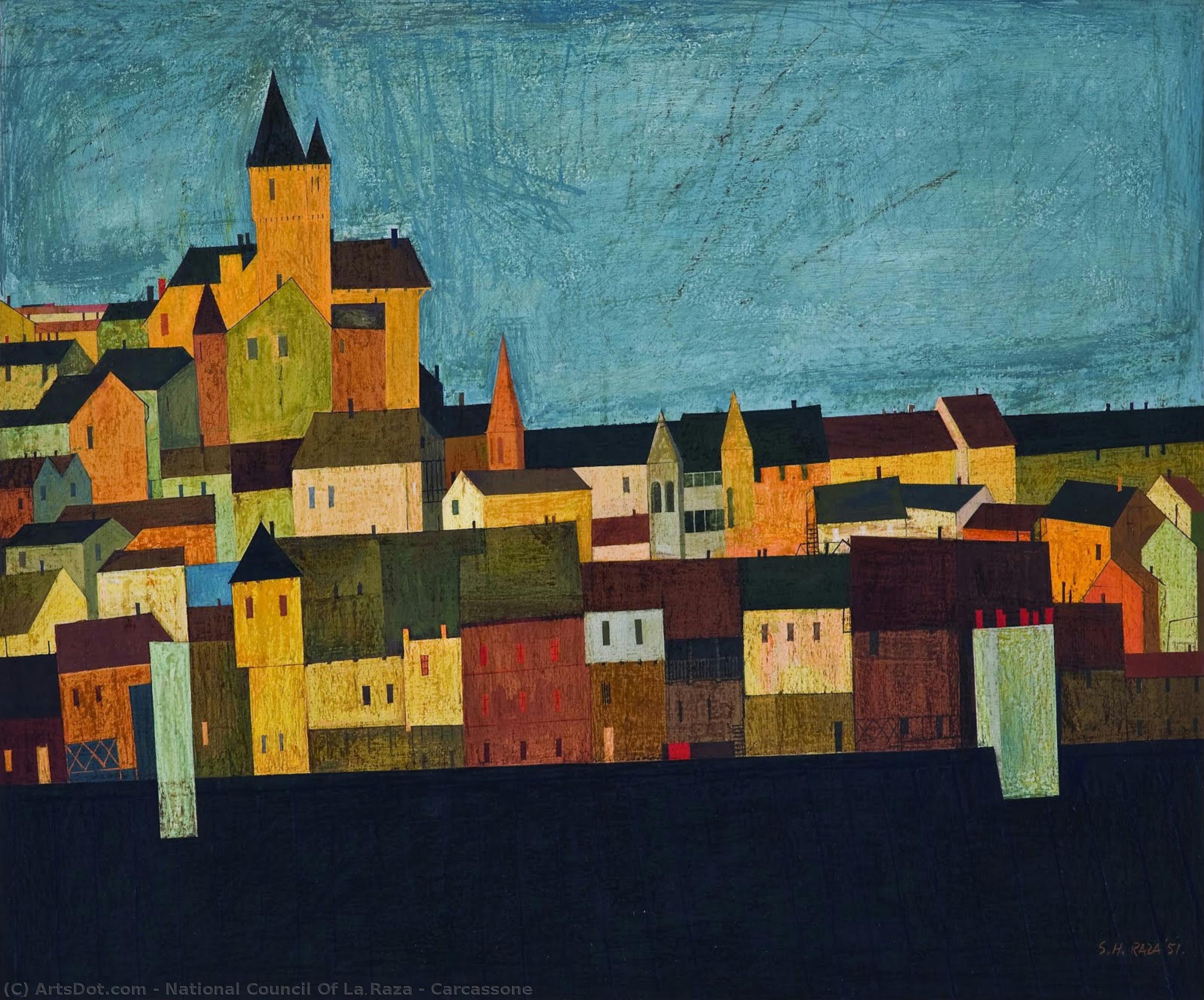
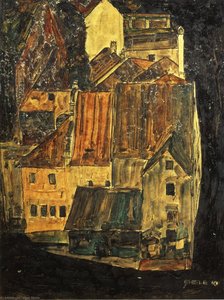
Carcassone
 45.0 x 53.0 cm
 Kiran Nadar Museum of Art
 Читать далее
Приобретите цифровое изображение высокого разрешения в улучшенном качестве, которое значительно превосходит онлайн-превью.
Каждый файл тщательно подготавливается нашими специалистами с использованием передовых инструментов и экспертной ручной ретуши. Мы гарантируем исключительную четкость, точную цветопередачу и детальную проработку каждого изображения.
Финальный файл доставляется по электронной почте в течение 72 часов и оптимизирован для немедленного использования в профессиональной среде, при верстке и печати. Это тот же уровень качества, которому доверяют ведущие дизайнерские студии, издательства и галереи.
Цифровое изображение
Скачайте файл высокого разрешения для личного использования, печати и творческих проектов. ( Перейти к печати Купить картину ручной работы)
Включено в каждый заказ цифровых изображений
Гарантия экспертной цифровой доставки
Выбирая ArtsDot.com, вы получаете не просто изображение — вы приобретаете профессионально обработанное цифровое произведение искусства, созданное с безупречной точностью и под защитой гарантии качества. Вот всё, что автоматически входит в ваш заказ:

Мгновенная доставка по e-mail
Ваш цифровой файл в высоком разрешении будет отправлен вам по электронной почте в течение 72 часов после оформления заказа — и сразу станет доступен для использования.

Цифровой файл с ИИ-улучшением
Ваше произведение искусства проходит профессиональную оптимизацию с использованием передовых инструментов ИИ и ручной обработки, что гарантирует максимальную детализацию, четкость и точность цветопередачи.

Бессрочная бесплатная повторная доставка
Случайно удалили или потеряли файл? Не беспокойтесь — мы отправим его вам повторно в любое время и совершенно бесплатно.

Без импортных пошлин — навсегда
Наслаждайтесь вашим произведением искусства мгновенно без таможенных пошлин, сборов или затрат на доставку — цифровые загрузки всегда не облагаются налогом.

Гарантия точности цветопередачи
Мы гарантируем, что ваше цифровое изображение максимально точно передает оригинальные цвета благодаря использованию профессиональных инструментов и систем управления цветом.

Гарантия удовлетворенности 100 дней
Если вы не будете удовлетворены своим цифровым изображением, мы внесем правки или вернем 100% стоимости в течение 100 дней — без лишних вопросов.

100% Гарантия возврата средств
Не удовлетворены покупкой? Получите полный возврат средств в течение 100 дней после получения цифрового файла — без лишних вопросов.

Скидки на оптовые заказы
Купите 3 изображения, сэкономьте 10% — Купите 5, сэкономьте 15% — Купите 10+, сэкономьте 20%. Отличное решение для творческих проектов, галерей и агентств.
Похожие произведения







Биография художника
The National Council of La Raza: A Visual Chronicle of Advocacy
The National Council of La Raza (NCLR), now known as UnidosUS, isn't traditionally recognized as an artistic entity in the conventional sense. However, to overlook its extensive collection of visual materials – photographs, posters, banners, and artwork commissioned for events and campaigns – is to miss a powerful and often overlooked chapter in American art history. This body of work functions as a vital chronicle of the Chicano Civil Rights Movement and the ongoing struggle for Latino-American social justice, representing not merely documentation but deliberate artistic expression employed as a tool for advocacy and community building. The organization’s visual output wasn't created by a single artist or school, but rather through a collaborative network of photographers, graphic designers, and artists responding to the needs and goals of the movement itself.From Grassroots Organizing to Visual Representation
Founded in 1968, NCLR emerged from a coalition of existing Latino rights organizations seeking a unified voice on national policy issues. Its early years were characterized by grassroots organizing, community empowerment programs, and direct advocacy for improved housing, education, employment, and political representation. As the organization grew, so did its need to communicate its message effectively to both the Latino community and broader American society. Photography became central to this effort. Images of farmworkers striking, families facing discrimination, and vibrant cultural celebrations were disseminated through newsletters, reports, and presentations, humanizing the issues and galvanizing support. These weren’t simply objective records; they were carefully selected and framed to evoke empathy and underscore the urgency of NCLR's mission. The posters and banners that accompanied these images often featured bold typography and striking colors, drawing inspiration from Mexican muralism and Chicano art aesthetics – a deliberate embrace of cultural identity as a source of strength and pride.Influences and Artistic Styles
The visual language employed by NCLR was deeply influenced by several key artistic currents. Mexican Muralism, with its tradition of large-scale public art addressing social and political themes, provided a powerful model for communicating complex narratives to a wide audience. Artists like Diego Rivera, José Clemente Orozco, and David Alfaro Siqueiros demonstrated the potential of art as a vehicle for raising consciousness and inspiring collective action. Chicano Art, which emerged in the 1960s and 70s, further infused NCLR’s visual materials with a distinct aesthetic characterized by bold colors, symbolic imagery, and a focus on Chicano history, culture, and identity. The use of *razas* (races) as a symbol of unity and pride became prominent, alongside depictions of Aztec iconography and pre-Columbian heritage. Furthermore, the graphic design principles prevalent in political poster art globally – particularly those associated with social movements like anti-war protests and feminist activism – informed the organization’s campaign materials.Major Themes and Achievements
Recurring themes within NCLR's visual archive reflect the organization’s core priorities.- Immigration: Images documenting the journeys of immigrants, family separations at the border, and the contributions of immigrant communities were central to advocating for comprehensive immigration reform.
- Education: Photographs showcasing students participating in NCLR-sponsored programs, graduation ceremonies, and community schools highlighted the importance of educational opportunity.
- Economic Justice: Visuals depicting workers fighting for fair wages, families struggling with poverty, and small businesses thriving through microloan initiatives underscored the need for economic empowerment.
- Political Representation: Portraits of Latino leaders, images of voter registration drives, and depictions of community members participating in civic engagement activities promoted political participation.