 Предпросмотр
 Поделиться
 Поделиться
 Детали произведения

 Скачать
 Похожие работы
 Рентгенография
 Слайд-шоу
 Статистика
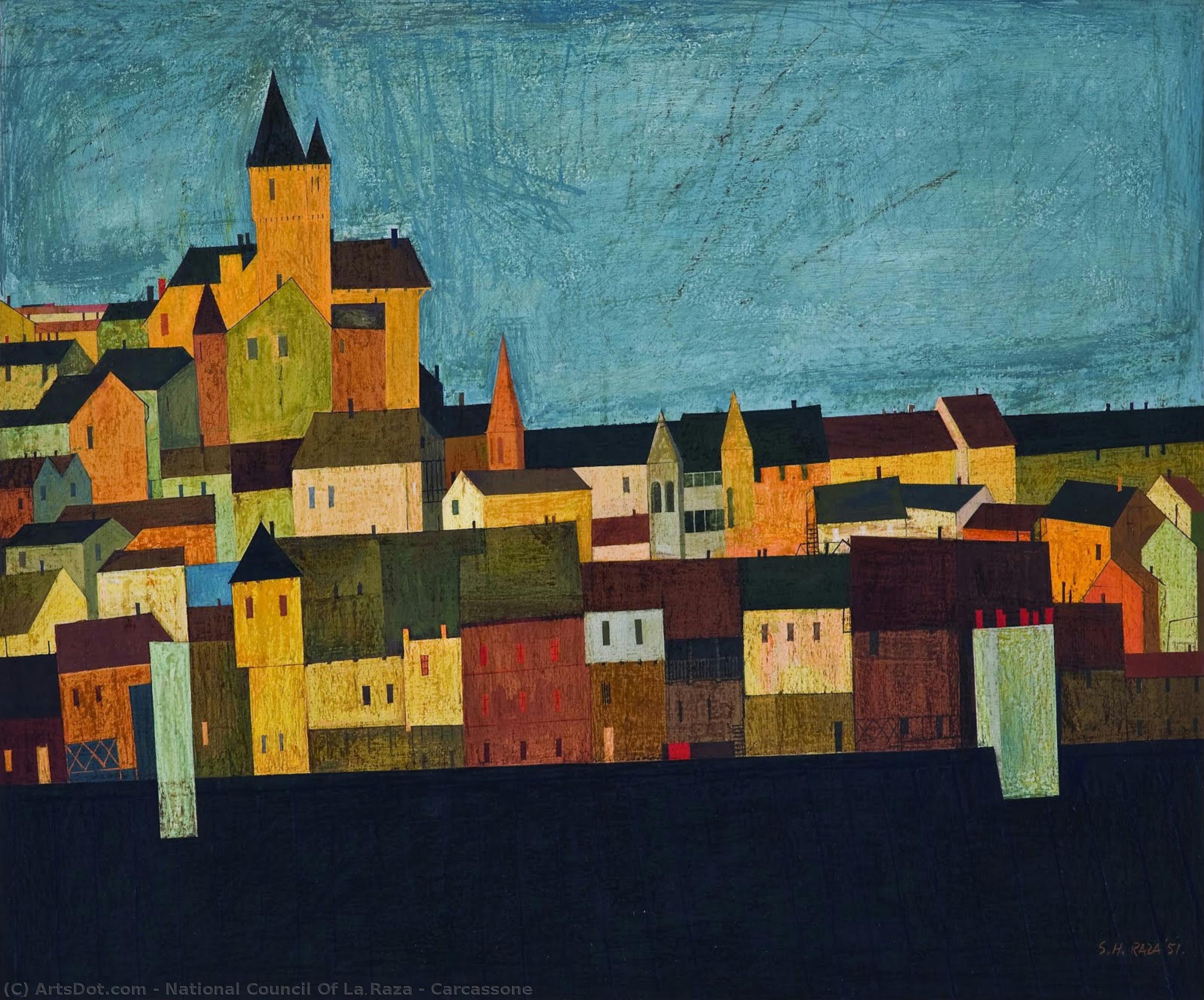
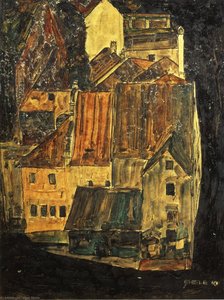
Carcassone
 45.0 x 53.0 cm
 Kiran Nadar Museum of Art
 Читать далее
Масляная репродукция ручной работы
Картина маслом на холсте в выбранном вами размере и раме, написанная на заказ нашими художниками. ( Перейти к печати Перейти к цифровым изображениям)




































Выберите один из наших стандартных размеров, соответствующих оригинальным пропорциям произведения искусства.

Вы можете указать собственные размеры, чтобы картина идеально вписалась в выбранную раму или пространство. Если выбранный вами размер не соответствует пропорциям оригинала, мы либо обрежем полотно, либо расширим его за счет дополнительных элементов, написанных вручную. Цифровой макет будет отправлен вам на утверждение перед началом производства.
Обратите внимание, что предварительный просмотр на экране не отражает фактическую обрезку или расширение. Только макет точно покажет окончательную композицию.
Хотя доступны индивидуальные размеры, мы рекомендуем выбирать вариант из предопределенного списка, чтобы сохранить исходные пропорции.
После оформления заказа команда ArtsDot.com свяжется с клиентом по электронной почте для уточнения деталей и предоставит предварительный макет
Доставка по всему миру () за 3–4 недели вместо стандартных 5 недель. (12 Сентябрь). Без компромиссов в качестве.

Бесплатная экспресс-доставка по всему миру

Высококачественный льняной холст

Полное страхование доставки

Гарантия возмещения таможенных пошлин

Гарантия точного соответствия цветов

100-дневная политика возврата (только при обнаружении дефектов)

Гарантия возврата 100% средств

Предложение оптовых скидок
 Вариант со стеклом доступен только для размеров менее 110 см

Carcassone
Техника репродукции
Размер репродукции
-


Итоговая стоимость
$ 263
Похожие произведения







Биография художника
The National Council of La Raza: A Visual Chronicle of Advocacy
The National Council of La Raza (NCLR), now known as UnidosUS, isn't traditionally recognized as an artistic entity in the conventional sense. However, to overlook its extensive collection of visual materials – photographs, posters, banners, and artwork commissioned for events and campaigns – is to miss a powerful and often overlooked chapter in American art history. This body of work functions as a vital chronicle of the Chicano Civil Rights Movement and the ongoing struggle for Latino-American social justice, representing not merely documentation but deliberate artistic expression employed as a tool for advocacy and community building. The organization’s visual output wasn't created by a single artist or school, but rather through a collaborative network of photographers, graphic designers, and artists responding to the needs and goals of the movement itself.From Grassroots Organizing to Visual Representation
Founded in 1968, NCLR emerged from a coalition of existing Latino rights organizations seeking a unified voice on national policy issues. Its early years were characterized by grassroots organizing, community empowerment programs, and direct advocacy for improved housing, education, employment, and political representation. As the organization grew, so did its need to communicate its message effectively to both the Latino community and broader American society. Photography became central to this effort. Images of farmworkers striking, families facing discrimination, and vibrant cultural celebrations were disseminated through newsletters, reports, and presentations, humanizing the issues and galvanizing support. These weren’t simply objective records; they were carefully selected and framed to evoke empathy and underscore the urgency of NCLR's mission. The posters and banners that accompanied these images often featured bold typography and striking colors, drawing inspiration from Mexican muralism and Chicano art aesthetics – a deliberate embrace of cultural identity as a source of strength and pride.Influences and Artistic Styles
The visual language employed by NCLR was deeply influenced by several key artistic currents. Mexican Muralism, with its tradition of large-scale public art addressing social and political themes, provided a powerful model for communicating complex narratives to a wide audience. Artists like Diego Rivera, José Clemente Orozco, and David Alfaro Siqueiros demonstrated the potential of art as a vehicle for raising consciousness and inspiring collective action. Chicano Art, which emerged in the 1960s and 70s, further infused NCLR’s visual materials with a distinct aesthetic characterized by bold colors, symbolic imagery, and a focus on Chicano history, culture, and identity. The use of *razas* (races) as a symbol of unity and pride became prominent, alongside depictions of Aztec iconography and pre-Columbian heritage. Furthermore, the graphic design principles prevalent in political poster art globally – particularly those associated with social movements like anti-war protests and feminist activism – informed the organization’s campaign materials.Major Themes and Achievements
Recurring themes within NCLR's visual archive reflect the organization’s core priorities.- Immigration: Images documenting the journeys of immigrants, family separations at the border, and the contributions of immigrant communities were central to advocating for comprehensive immigration reform.
- Education: Photographs showcasing students participating in NCLR-sponsored programs, graduation ceremonies, and community schools highlighted the importance of educational opportunity.
- Economic Justice: Visuals depicting workers fighting for fair wages, families struggling with poverty, and small businesses thriving through microloan initiatives underscored the need for economic empowerment.
- Political Representation: Portraits of Latino leaders, images of voter registration drives, and depictions of community members participating in civic engagement activities promoted political participation.