 Предпросмотр
 Поделиться
 Поделиться
 Детали произведения

 Скачать
 Похожие работы
 Рентгенография
 Слайд-шоу
 Статистика
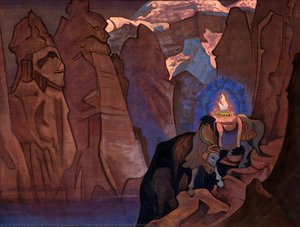
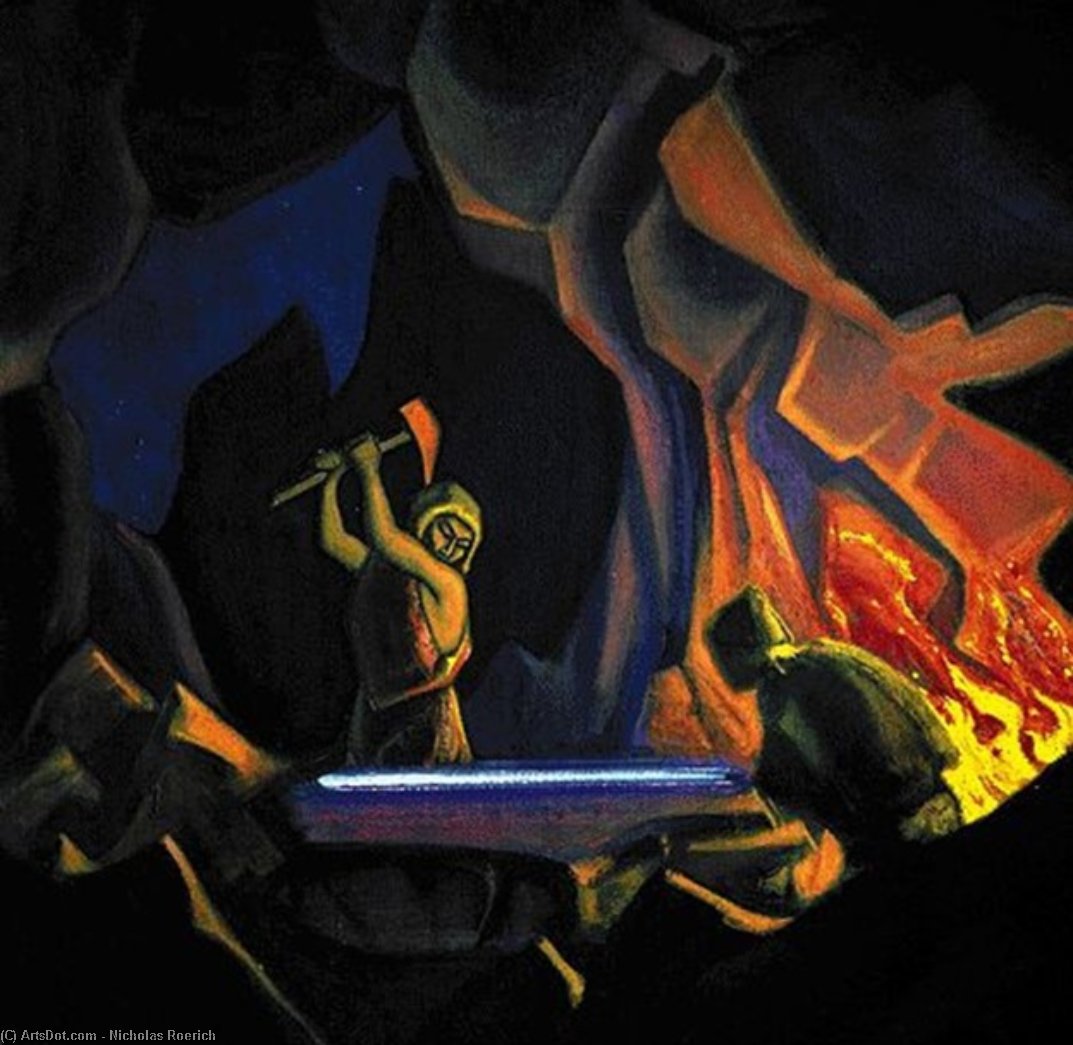
Forging the sword (Nibelung)


 Читать далее
Масляная репродукция ручной работы
Картина маслом на холсте в выбранном вами размере и раме, написанная на заказ нашими художниками. ( Перейти к печати Перейти к цифровым изображениям)




P118B $10

P118H $10

P118W $10

P438Z $10

P508JH $12

P508YH $12

P805H $10

P805Z $10

P919BZ $10

P919G $10

P919XJ $10

P959ZH $10

P968JZ $12

W106C $8

W218G $10

W218JH $8

W218Y $10

W307PJ $10

W316G $10

W316PJ $8

W316Y $10

W398PJ $8

W4111J $10

W500HY $15

W500JH $15

W692G $12

W849H $8

W940BG $15

W953PJ $8




Выберите один из наших стандартных размеров, соответствующих оригинальным пропорциям произведения искусства.

Вы можете указать собственные размеры, чтобы картина идеально вписалась в выбранную раму или пространство. Если выбранный вами размер не соответствует пропорциям оригинала, мы либо обрежем полотно, либо расширим его за счет дополнительных элементов, написанных вручную. Цифровой макет будет отправлен вам на утверждение перед началом производства.
Обратите внимание, что предварительный просмотр на экране не отражает фактическую обрезку или расширение. Только макет точно покажет окончательную композицию.
Хотя доступны индивидуальные размеры, мы рекомендуем выбирать вариант из предопределенного списка, чтобы сохранить исходные пропорции.
После оформления заказа команда ArtsDot.com свяжется с клиентом по электронной почте для уточнения деталей и предоставит предварительный макет
Доставка по всему миру () за 3–4 недели вместо стандартных 5 недель. (11 Сентябрь). Без компромиссов в качестве.

Бесплатная экспресс-доставка по всему миру

Высококачественный льняной холст

Полное страхование доставки

Гарантия возмещения таможенных пошлин

Гарантия точного соответствия цветов

100-дневная политика возврата (только при обнаружении дефектов)

Гарантия возврата 100% средств

Предложение оптовых скидок
 Вариант со стеклом доступен только для размеров менее 110 см

Forging the sword (Nibelung)
Техника репродукции
Размер репродукции
-


Итоговая стоимость
$ 263
A Vision Forged in Fire: The Mythic Resonance of Nicholas Roerich
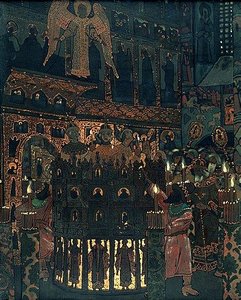
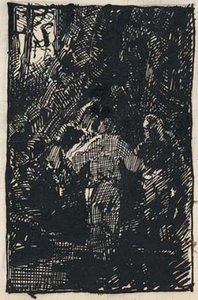
In the dim, flickering light of a subterranean sanctuary, a primal drama unfolds upon the canvas of “Forging the sword (Nibelung).” Painted in 1941 by the visionary polymath Nicholas Roerich, this masterpiece transcends the boundaries of mere historical illustration to become a profound meditation on the human spirit. The scene captures a moment of intense physical and spiritual labor: a solitary figure, muscles tensed with purpose, strikes glowing metal upon an anvil within the depths of a cavernous cave. Flanked by two dedicated companions, the blacksmith is not merely shaping steel; he is participating in a ritual of creation. The atmosphere is thick with the scent of smoke and the heat of the forge, inviting the viewer to step into a realm where the boundaries between the physical world and the mythological plane dissolve.
Roerich, a master of the Symbolism movement, eschews the clinical precision of realism in favor of an evocative, emotional truth. Every element within the composition serves a higher narrative purpose. The sword itself—a central icon of Norse mythology—stands as a potent symbol of power, courage, and the righteous defense of one's ideals. As the hammer falls, it represents the arduous process of spiritual development, suggesting that true strength and enlightenment are forged through perseverance and the heat of life's many trials. The presence of birds drifting through the shadows adds a touch of ethereal movement, hinting at the breath of life and the transcendence of the soul even amidst the heavy, earthbound toil of the forge.
Mastery of Texture and Tonal Depth
Technically, the painting is a triumph of texture and light. Roerich employs a rich, earthy palette dominated by deep ochres, burnt umbers, and fiery reds, creating an environment that feels both ancient and alive. His use of the thick impasto technique lends a sculptural quality to the work; the paint sits heavily upon the canvas, mirroring the ruggedness of the cave walls and the visceral weight of the iron being shaped. This tactile depth is brilliantly contrasted by the strategic application of light. The glow from the central fire acts as a spiritual beacon, sculpting the figures out of the darkness and casting long, dramatic shadows that heighten the sense of mystery and monumental grandeur.
For the discerning collector or interior designer, this piece offers more than just aesthetic beauty; it provides a profound emotional anchor. The painting’s ability to command attention through its somber yet energetic composition makes it an extraordinary centerpiece for spaces designed for contemplation and intellectual depth. Whether placed in a private library, a sophisticated study, or a curated gallery setting, a high-quality reproduction of this work brings with it the weight of history and the enduring legacy of Roerich’s quest for peace and cultural preservation. It is an invitation to reflect on our own journeys of transformation, reminding us that even in the darkest caverns of existence, greatness is being forged.
Похожие произведения
Биография художника
A Life Immersed in Art and Spirit
Nicholas Roerich, born October 9, 1874, in the vibrant cultural heart of Saint Petersburg, Russia, was a figure whose life transcended the boundaries of artistic expression. He wasn’t merely a painter; he was an archaeologist, a writer, a philosopher, and a tireless advocate for peace and cultural preservation. His upbringing, steeped in both intellectual rigor – his father was a notary public – and artistic appreciation thanks to his mother, laid the foundation for a remarkably multifaceted career. Roerich simultaneously pursued studies in law and art at St. Petersburg University and the Imperial Academy of Arts beginning in 1893, demonstrating an early commitment to a broad understanding of the world. This dual path wasn’t contradictory for him; rather, it reflected a belief that artistic vision needed grounding in historical context and intellectual discipline. He received his artist designation in 1897 and completed his law degree the following year, setting the stage for a life dedicated to both creative exploration and reasoned action.The Allure of Symbolism and Theatrical Innovation
Roerich’s artistic development was profoundly shaped by the currents of Russian Symbolism, a movement that sought to evoke emotional and spiritual depths through evocative imagery and suggestive forms. He quickly became involved with Sergei Diaghilev's influential “World of Art” society, eventually assuming its presidency from 1910 to 1916. This association proved pivotal, exposing him to a network of innovative artists, composers, and thinkers who were redefining the landscape of Russian art. His early work revealed a fascination with archaeology and stage design, leading to groundbreaking collaborations with Diaghilev’s Ballets Russes. Roerich's designs for productions like Alexander Borodin's *Prince Igor* (1909) and, most famously, Igor Stravinsky’s revolutionary *The Rite of Spring* (1913), were not simply backdrops; they were integral components of the theatrical experience. He blended meticulous historical research with a bold imaginative vision, creating visually stunning environments that amplified the emotional power of the music and choreography. These designs weren't merely decorative; they were attempts to evoke primordial forces and ancient rituals, reflecting the Symbolist interest in myth and spirituality. His work was also influenced by apocrypha and medieval sectarian writings like the Dove Book, adding layers of esoteric meaning to his artistic creations.A Journey Towards Mysticism and Himalayan Visions
As Roerich’s career progressed, his paintings underwent a significant transformation, increasingly embracing mystical and spiritual themes. This shift was fueled by his growing interest in Theosophy and Eastern religions, philosophies that emphasized the interconnectedness of all things and the pursuit of inner wisdom. His *Architectural Studies* series (1904–1905) showcased not only his architectural skill but also a deep commitment to preserving cultural heritage, foreshadowing his later advocacy for protecting art during times of conflict. Recurring motifs began to emerge in his work: majestic landscapes, ancient cities shrouded in mystery, and figures imbued with spiritual significance like St. Panteleimon and Kuan Yin. He embarked on extensive travels throughout Central Asia, conducting archaeological research and documenting ancient cultures, experiences that deeply informed his artistic vision and reinforced his belief in the importance of cultural understanding. These journeys were not merely expeditions; they were pilgrimages into the heart of human history and spiritual tradition.Key Works & Continuing Relevance
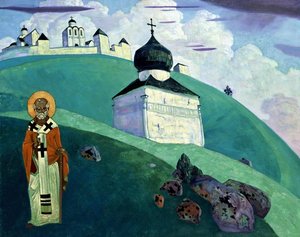
- Saint Nicholas: A detailed monochrome mural showcasing medieval art and heraldic symbolism, reflecting a deep respect for Russian iconography.
- City: Evocative depictions of ancient urban landscapes, capturing the essence of vanished civilizations and hinting at hidden narratives.
- Lake of the Nagas: A tempera painting blending symbolism and nature, exemplifying his unique artistic vision and exploring themes of transformation and spiritual awakening.
- The Protecting Veil of the Holy Mother of God: A monumental mosaic commissioned for a Russian church, demonstrating his ability to translate complex religious concepts into powerful visual forms.
The Roerich Pact & Lasting Impact
Beyond his artistic achievements, Nicholas Roerich was a passionate advocate for international cultural cooperation. Recognizing the devastating impact of war on cultural treasures, he spearheaded the creation of the Roerich Pact in 1935 – an unprecedented agreement among nations aimed at protecting art and architecture from destruction during armed conflicts. This initiative, driven by his unwavering belief in the value of human heritage, earned him multiple nominations for the Nobel Peace Prize, a testament to his humanitarianism and dedication to fostering global understanding. His work continues to inspire artists, scholars, and activists worldwide, reminding us of the profound connection between art, spirituality, and the preservation of our shared cultural legacy. His paintings remain powerful symbols of hope and a call to protect the beauty and wisdom of human civilization for generations to come.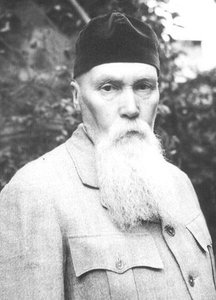
Николай Константинович Роерих
1874 - 1947 , Россия
Основные сведения
- Artistic Movement Or Style: Символизм, духовное искусство
- Artists Or Movements Influenced By This Artist: ['Русский символизм']
- Artists Who Influenced This Artist: ['Сергей Дягилев']
- Date Of Birth: 9 октября 1874 г.
- Date Of Death: 13 декабря 1947 г.
- Full Name: Николай Константинович Роерих
- Nationality: Русский
- Notable Artworks:
- «Святой Николай»
- «Город»
- «Озеро Нагасов»
- Place Of Birth: Санкт-Петербург, Россия
Похожие статьи
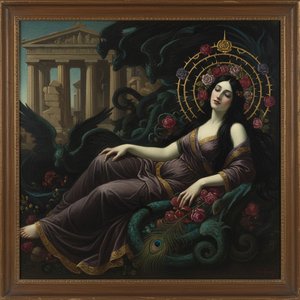
Franz von Stuck: Symbolism, Decadence & the Pursuit of Ideal Beauty
Explore the captivating world of Franz von Stuck, a leading Symbolist painter. Discover his mythological masterpieces, decadent themes, & investment potential. Expert analysis for discerning collectors.
Личные мифологии в масле: от идеи к символическому шедевру
Откройте мир личных мифологий в масле! Узнайте, как создать уникальные символические шедевры, выразить себя через искусство и обрести глубокий эмоциональный отклик. Советы экспертов и вдохновение для художников.
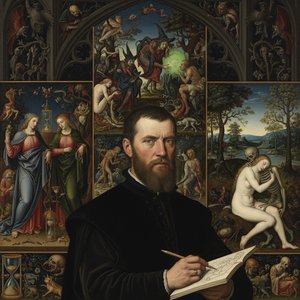
Hans Baldung Grien: A Renaissance Master of Allegory, Innovation & the Grotesque
Explore the captivating world of Hans Baldung Grien, a Renaissance master renowned for his allegorical paintings, striking woodcuts & unique depictions of mythology and the grotesque. Discover his life, works & legacy with ArtsDot.
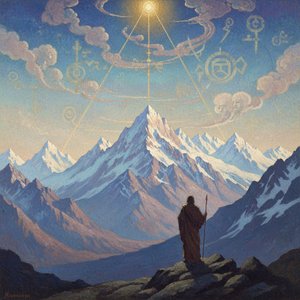
Nicholas Roerich: Mysticism, Mountains & the Search for Ageless Wisdom in Art
Explore the captivating art of Nicholas Roerich – a visionary painter whose Himalayan landscapes blend spiritual mysticism with cultural preservation. Discover his legacy & symbolism.
Echoes of Olympus: Mythological Narratives in Western Art Through the Ages
Explore the captivating history of mythological narratives in Western art! From ancient Greece to modern masterpieces, discover iconic artworks & symbolism. Expert analysis and high-quality reproductions at ArtsDot.