

 Предпросмотр
 Поделиться
 Поделиться
 Детали произведения

 Скачать
 Похожие работы
 Рентгенография
 Слайд-шоу
 Статистика
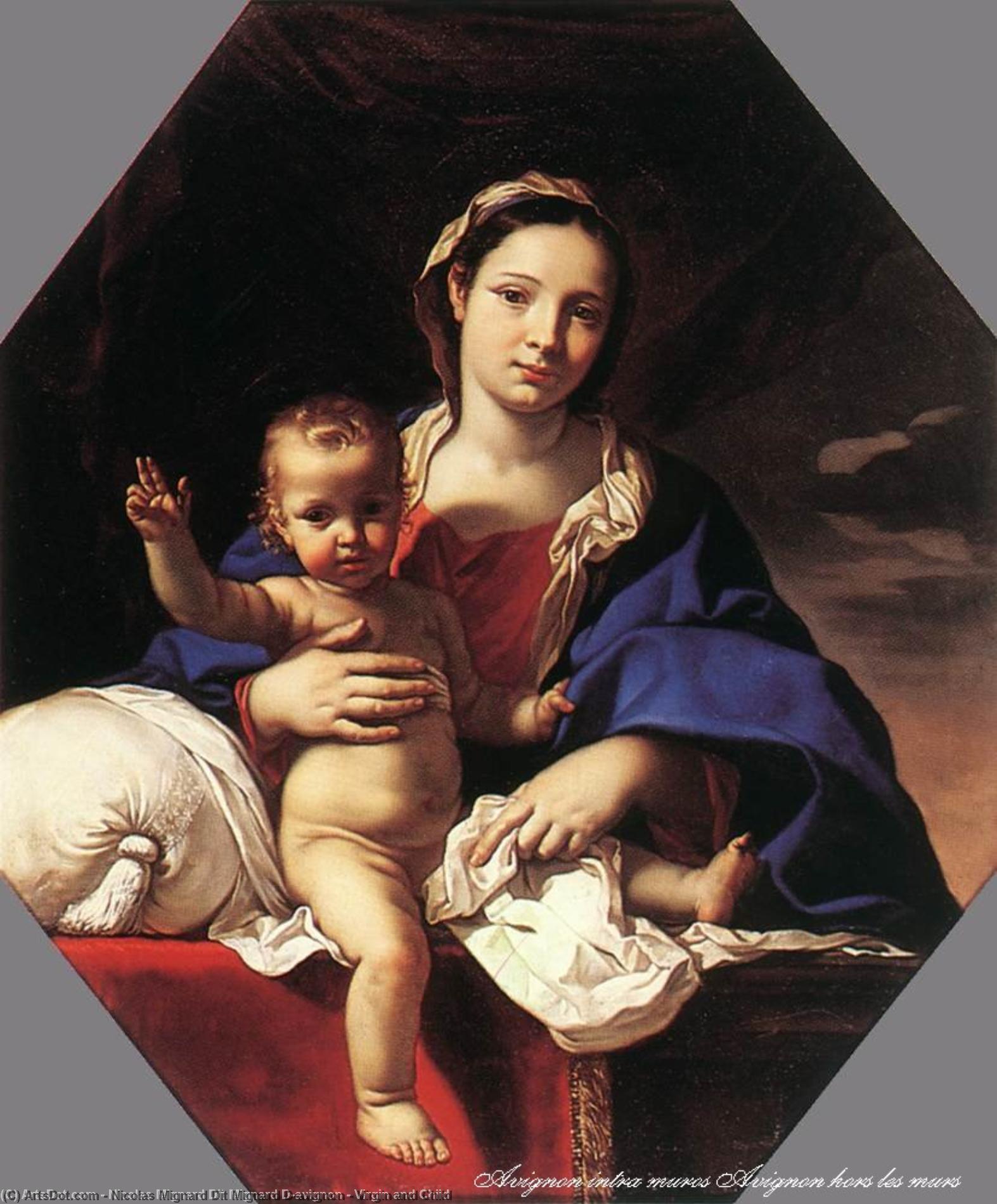
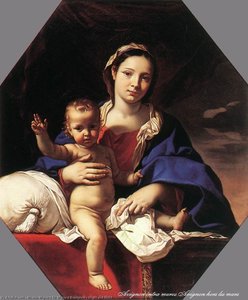
Virgin and Child
 112.0 x 93.0 cm
 Музей изящных искусств Марселя
 Читать далее
Приобретите цифровое изображение высокого разрешения в улучшенном качестве, которое значительно превосходит онлайн-превью.
Каждый файл тщательно подготавливается нашими специалистами с использованием передовых инструментов и экспертной ручной ретуши. Мы гарантируем исключительную четкость, точную цветопередачу и детальную проработку каждого изображения.
Финальный файл доставляется по электронной почте в течение 72 часов и оптимизирован для немедленного использования в профессиональной среде, при верстке и печати. Это тот же уровень качества, которому доверяют ведущие дизайнерские студии, издательства и галереи.
Цифровое изображение
Скачайте файл высокого разрешения для личного использования, печати и творческих проектов. ( Перейти к печати Купить картину ручной работы)
Включено в каждый заказ цифровых изображений
Гарантия экспертной цифровой доставки
Выбирая ArtsDot.com, вы получаете не просто изображение — вы приобретаете профессионально обработанное цифровое произведение искусства, созданное с безупречной точностью и под защитой гарантии качества. Вот всё, что автоматически входит в ваш заказ:

Мгновенная доставка по e-mail
Ваш цифровой файл в высоком разрешении будет отправлен вам по электронной почте в течение 72 часов после оформления заказа — и сразу станет доступен для использования.

Цифровой файл с ИИ-улучшением
Ваше произведение искусства проходит профессиональную оптимизацию с использованием передовых инструментов ИИ и ручной обработки, что гарантирует максимальную детализацию, четкость и точность цветопередачи.

Бессрочная бесплатная повторная доставка
Случайно удалили или потеряли файл? Не беспокойтесь — мы отправим его вам повторно в любое время и совершенно бесплатно.

Без импортных пошлин — навсегда
Наслаждайтесь вашим произведением искусства мгновенно без таможенных пошлин, сборов или затрат на доставку — цифровые загрузки всегда не облагаются налогом.

Гарантия точности цветопередачи
Мы гарантируем, что ваше цифровое изображение максимально точно передает оригинальные цвета благодаря использованию профессиональных инструментов и систем управления цветом.

Гарантия удовлетворенности 100 дней
Если вы не будете удовлетворены своим цифровым изображением, мы внесем правки или вернем 100% стоимости в течение 100 дней — без лишних вопросов.

100% Гарантия возврата средств
Не удовлетворены покупкой? Получите полный возврат средств в течение 100 дней после получения цифрового файла — без лишних вопросов.

Скидки на оптовые заказы
Купите 3 изображения, сэкономьте 10% — Купите 5, сэкономьте 15% — Купите 10+, сэкономьте 20%. Отличное решение для творческих проектов, галерей и агентств.
Похожие произведения
Биография художника
Nicolas Mignard d’Avignon: A Painter Bridging Italy and France
The world of 17th-century French art was a vibrant tapestry woven from influences – Italian Mannerism, the burgeoning realism of Caravaggio, and the established traditions of Fontainebleau. Within this complex landscape emerged Nicolas Mignard d’Avignon (1606-1668), an artist whose career spanned both the relative tranquility of Avignon and the competitive fervor of Parisian court life. More than simply a painter, Mignard was a conduit between these distinct artistic worlds, skillfully absorbing and adapting techniques to forge a unique style characterized by dramatic lighting, rich color palettes, and a profound understanding of religious emotion.
Born in Troyes, the son of an artisan family, Mignard’s early training remains somewhat shrouded in mystery. He received instruction from a local master, whose identity is lost to history, but this initial grounding laid the foundation for his later explorations. A crucial period in his development occurred during his time in Fontainebleau, where he diligently copied the works of Mannerist masters like Rosso Fiorentino and Parmigianino. This immersion in the stylized elegance of the Renaissance provided a critical bridge to his subsequent journey south.
Avignon: The Heart of His Artistic Identity
Around 1633, Mignard established himself in Avignon, a city then experiencing a period of relative prosperity and artistic patronage. This location proved pivotal, shaping the trajectory of his career and solidifying his reputation as a master of religious painting. He quickly gained commissions from local churches and wealthy patrons, producing a prolific body of work that showcased his evolving style. His early Avignon paintings demonstrate a clear debt to the Bolognese painters – Annibale Carracci and Guido Reni – particularly in their use of dramatic chiaroscuro (the contrast between light and dark) and their dynamic compositions.
Mignard’s work during this period is characterized by an intense emotionalism. He didn't simply depict religious scenes; he sought to convey the spiritual experience itself, utilizing swirling draperies, expressive gestures, and a carefully orchestrated interplay of light and shadow to draw the viewer into the heart of the narrative. His depictions of the Virgin Mary, in particular, are renowned for their maternal tenderness and profound serenity.
A Roman Interlude and Return to France
In 1636, Mignard embarked on a significant journey to Rome, accompanying Alphonse-Louis du Plessis, the Cardinal Archbishop of Lyon. This sojourn proved transformative, exposing him to the artistic innovations of the Italian Renaissance firsthand. He spent several years producing etchings after works by Carracci and other masters, refining his technique and deepening his understanding of composition and perspective. The Roman experience instilled in him a greater confidence and a willingness to experiment with new approaches.
Returning to Avignon in 1636, Mignard continued to produce religious paintings, but his style had undergone a subtle shift. The influence of Italianate classicism was now more pronounced, evident in the refined figures, balanced compositions, and elegant drapery. He also began to incorporate elements of French Baroque painting, reflecting the evolving artistic trends of his time.
Court Painter and Academic Influence
A turning point in Mignard’s career arrived with a royal visit to Avignon in 1660, when King Louis XIV and his court traveled on their way to Spain. This event secured him a prestigious commission – the creation of portraits of various courtiers, including Cardinal Mazarin. Mazarin, recognizing Mignard's talent, arranged for his move to Paris in 1660, where he joined the Académie Royale de Peinture et de Sculpture.
At the Academy, Mignard’s experience and established reputation quickly earned him respect. He became a professor and assistant rector in 1664, and later rector in 1666. His influence extended beyond his own work; he mentored younger artists and played a role in shaping the direction of French painting during this period. Despite facing competition from Charles Le Brun, the Academy’s premier painter, Mignard remained a significant figure within the artistic establishment.
Legacy and Artistic Significance
Nicolas Mignard d’Avignon died in Paris in 1668, leaving behind a substantial body of work that exemplifies the transition between Mannerism and Baroque styles. His paintings are characterized by their dramatic lighting, rich colors, and profound emotional intensity. He is particularly remembered for his depictions of religious subjects, which continue to resonate with viewers today. Mignard’s career serves as a testament to the dynamic exchange of artistic ideas that shaped 17th-century France – a painter who skillfully blended Italian influences with French sensibilities to create a distinctly personal and enduring style.
nicolas mignard dit mignard d'avignon
1606 - 1668
Основные сведения
- Artistic Movement Or Style: Bolognese influence
- Artists Or Movements Influenced By This Artist:
- Pierre Mignard
- Italian Mannerism
- Artists Who Influenced This Artist:
- Annibale Carracci
- Simon Vouet
- Date Of Birth: February 7, 1606
- Date Of Death: March 20, 1668
- Full Name: Nicolas Mignard d’Avignon
- Nationality: French
- Notable Artworks:
- Virgin and Child
- Jules Mazarin
- Place Of Birth: Troyes, France