

 Предпросмотр
 Поделиться
 Поделиться
 Детали произведения

 Скачать
 Похожие работы
 Рентгенография
 Слайд-шоу
 Статистика
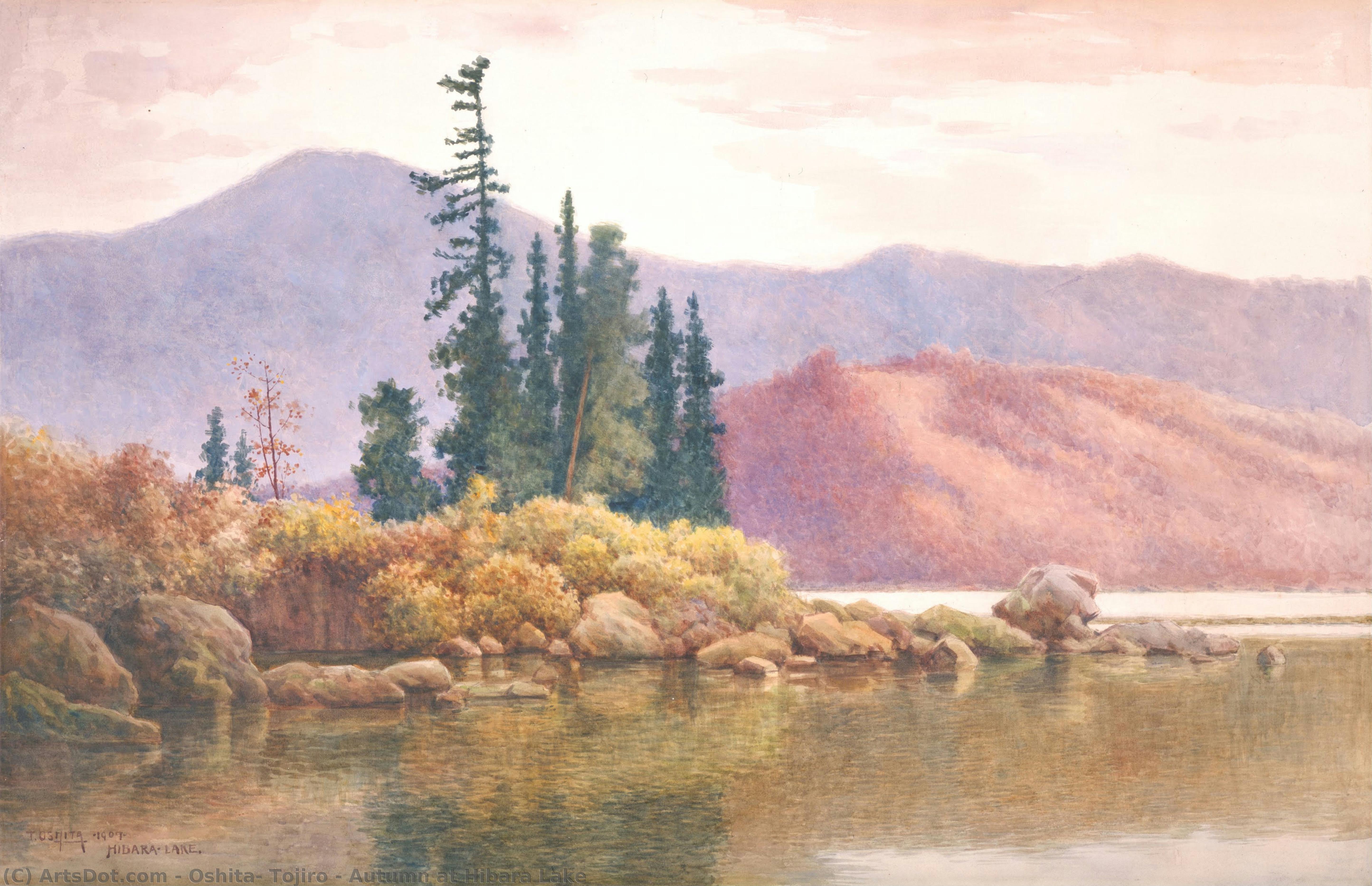
Autumn at Hibara Lake
 Impressionism
 97.0 x 61.0 cm
 Iwami Art Museum
 Читать далее
Масляная репродукция ручной работы
Картина маслом на холсте в выбранном вами размере и раме, написанная на заказ нашими художниками. ( Перейти к печати Перейти к цифровым изображениям)




































Выберите один из наших стандартных размеров, соответствующих оригинальным пропорциям произведения искусства.

Вы можете указать собственные размеры, чтобы картина идеально вписалась в выбранную раму или пространство. Если выбранный вами размер не соответствует пропорциям оригинала, мы либо обрежем полотно, либо расширим его за счет дополнительных элементов, написанных вручную. Цифровой макет будет отправлен вам на утверждение перед началом производства.
Обратите внимание, что предварительный просмотр на экране не отражает фактическую обрезку или расширение. Только макет точно покажет окончательную композицию.
Хотя доступны индивидуальные размеры, мы рекомендуем выбирать вариант из предопределенного списка, чтобы сохранить исходные пропорции.
После оформления заказа команда ArtsDot.com свяжется с клиентом по электронной почте для уточнения деталей и предоставит предварительный макет
Доставка по всему миру () за 3–4 недели вместо стандартных 5 недель. (13 Сентябрь). Без компромиссов в качестве.

Бесплатная экспресс-доставка по всему миру

Высококачественный льняной холст

Полное страхование доставки

Гарантия возмещения таможенных пошлин

Гарантия точного соответствия цветов

100-дневная политика возврата (только при обнаружении дефектов)

Гарантия возврата 100% средств

Предложение оптовых скидок
 Вариант со стеклом доступен только для размеров менее 110 см

Autumn at Hibara Lake
Техника репродукции
Размер репродукции
-


Итоговая стоимость
$ 263
Похожие произведения
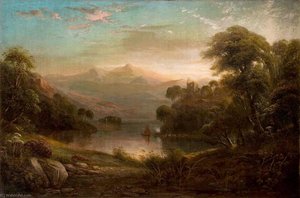

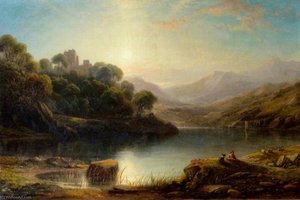
Биография художника
Introduction: A Life Painted in Layers
Joan Mitchell (1925–1992) stands as a pivotal figure within the abstract expressionist movement, yet her artistic journey was profoundly shaped by a deeply personal and often turbulent life. Born in Chicago to a family steeped in artistic appreciation – attending symphonies, visiting museums, and engaging with poetry – Mitchell’s early exposure fostered a lifelong love of creative pursuits. However, this idyllic beginning was shadowed by the mental illness of her mother, creating an atmosphere of instability that profoundly influenced her perspective and ultimately fueled her distinctive visual language. Her formative years were spent in France, a period crucial to her artistic development as she moved away from representational art and embraced abstraction, experimenting with color and form in response to the landscapes and experiences of this new environment. Returning to New York in 1949, Mitchell quickly became integrated into the vibrant “New School” scene, exhibiting at the influential “9th Street Show” in 1951 – a watershed moment that firmly established her as one of the leading young Abstract Expressionist painters of her generation. Her work wasn’t merely about depicting external reality; it was an intensely internal exploration of emotion, memory, and the raw energy of experience.Early Influences and Artistic Development
Mitchell's artistic trajectory reveals a fascinating interplay between personal trauma and formal experimentation. The instability within her family life instilled in her a sensitivity to emotional currents – a quality that would become central to her painting style. Her early studies at the School of the Art Institute of Chicago provided a foundational understanding of technique, but it was her time in France that truly unlocked her artistic potential. Away from the constraints of traditional academic training, she began to explore color as a primary means of expression, moving beyond representational imagery and delving into the expressive possibilities of pure form and hue. Mitchell’s palette became increasingly bold and chromatic, reflecting not just external landscapes but also the intensity of her inner world. She was particularly drawn to the work of Wassily Kandinsky, whose theories on color and emotion profoundly influenced her approach to abstraction. Furthermore, she found inspiration in poetry – particularly the works of T.S. Eliot and Ezra Pound – which informed her use of fragmented imagery and evocative symbolism. Her paintings are not simply visual compositions; they are layered narratives, imbued with a sense of longing, melancholy, and ultimately, resilience.The Language of Color and Landscape
Joan Mitchell’s most distinctive characteristic was undoubtedly her masterful manipulation of color. She didn't merely apply paint to canvas; she used it as a vehicle for conveying complex emotions and psychological states. Her landscapes—often inspired by the American Southwest, particularly New Mexico—were not literal depictions but rather distilled expressions of atmosphere, mood, and feeling. Mitchell’s approach was deeply intuitive, relying on direct observation and an immediate response to the visual world. She would often work rapidly, layering colors with a loose, gestural brushstroke, allowing the paint itself to dictate the composition. Her color choices were rarely arbitrary; each hue carried a specific weight of meaning, evoking associations of memory, emotion, and personal experience. Critics have noted that her use of red, for example, frequently signified passion or danger, while blues and greens conveyed feelings of solitude or introspection. Mitchell’s landscapes are not static scenes but dynamic expressions of the artist's inner life, projected onto the external world.Legacy and Historical Significance
Joan Mitchell’s contribution to abstract expressionism extends beyond her individual paintings; she fundamentally shifted our understanding of what art could be. She demonstrated that abstraction could be a powerful tool for exploring deeply personal themes – trauma, memory, and the human condition – without resorting to representational imagery. Her work paved the way for subsequent generations of female artists who sought to challenge traditional artistic conventions and express their unique perspectives. Mitchell’s influence can be seen in the work of countless contemporary painters, including Helen Frankenthaler, Lee Krasner, and many others. Her paintings continue to resonate with viewers today because they tap into universal human experiences – feelings of vulnerability, longing, and resilience—and invite us to engage with our own inner landscapes. She remains a vital voice within the history of art, reminding us that true artistic expression lies not in replicating reality but in revealing the complexities of the human spirit.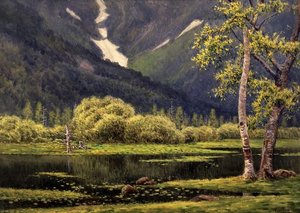
oshita, tojiro
1951 - , Japan
Основные сведения
- Artistic Movement Or Style: Abstract Expressionism
- Artists Or Movements Influenced By This Artist:
- Pollock
- De Kooning
- Artists Who Influenced This Artist:
- Picasso
- Klee
- Matisse
- Date Of Birth: February 12, 1925
- Full Name: Joan Mitchell
- Nationality: American
- Notable Artworks:
- Untitled (1950)
- Red and Yellow
- Blue Hill
- Black Tree
- Place Of Birth: Chicago, USA
Похожие статьи

Топ-25 шедевров Кацусики Хокусая: Искусство Японии для вашего интерьера
Погрузитесь в мир гения Кацусики Хокусая! 25 легендарных гравюр укиё-э, включая "Великую волну". История искусства Японии и вдохновение для вашего интерьера. Репродукции высокого качества на ArtsDot.com.

Топ-10 легендарных акварелей, изменивших искусство навсегда | ArtsDot
Погрузитесь в мир акварели! Откройте топ-10 легендарных картин Turner, Monet и других великих художников. История искусства, техники живописи и вдохновение для вашего интерьера. Репродукции музейного качества на ArtsDot.com.

Ephemeral Visions: Exploring the Artistic Legacy & Nuances of Watercolor Painting
Explore the captivating world of watercolor painting! Discover its rich history, essential techniques, influential artists & collecting tips from art experts. A comprehensive guide for enthusiasts.

Ephemeral Visions: Exploring the History & Emotional Resonance of Watercolor Painting
Explore the captivating history of watercolor painting, from ancient techniques to modern masters like Kandinsky & Blake. Discover essential artists, collecting tips & the emotional power of this luminous medium. Expert insights for art enthusiasts.

Ephemeral Visions: Exploring the Artistic Legacy & Contemporary Practice of Watercolor Painting
Explore the captivating world of watercolor painting! Discover its rich history, essential techniques, influential artists & collecting tips. A comprehensive guide for art enthusiasts from ArtsDot.