

 Предпросмотр
 Поделиться
 Поделиться
 Детали произведения

 Скачать
 Похожие работы
 Рентгенография
 Слайд-шоу
 Статистика
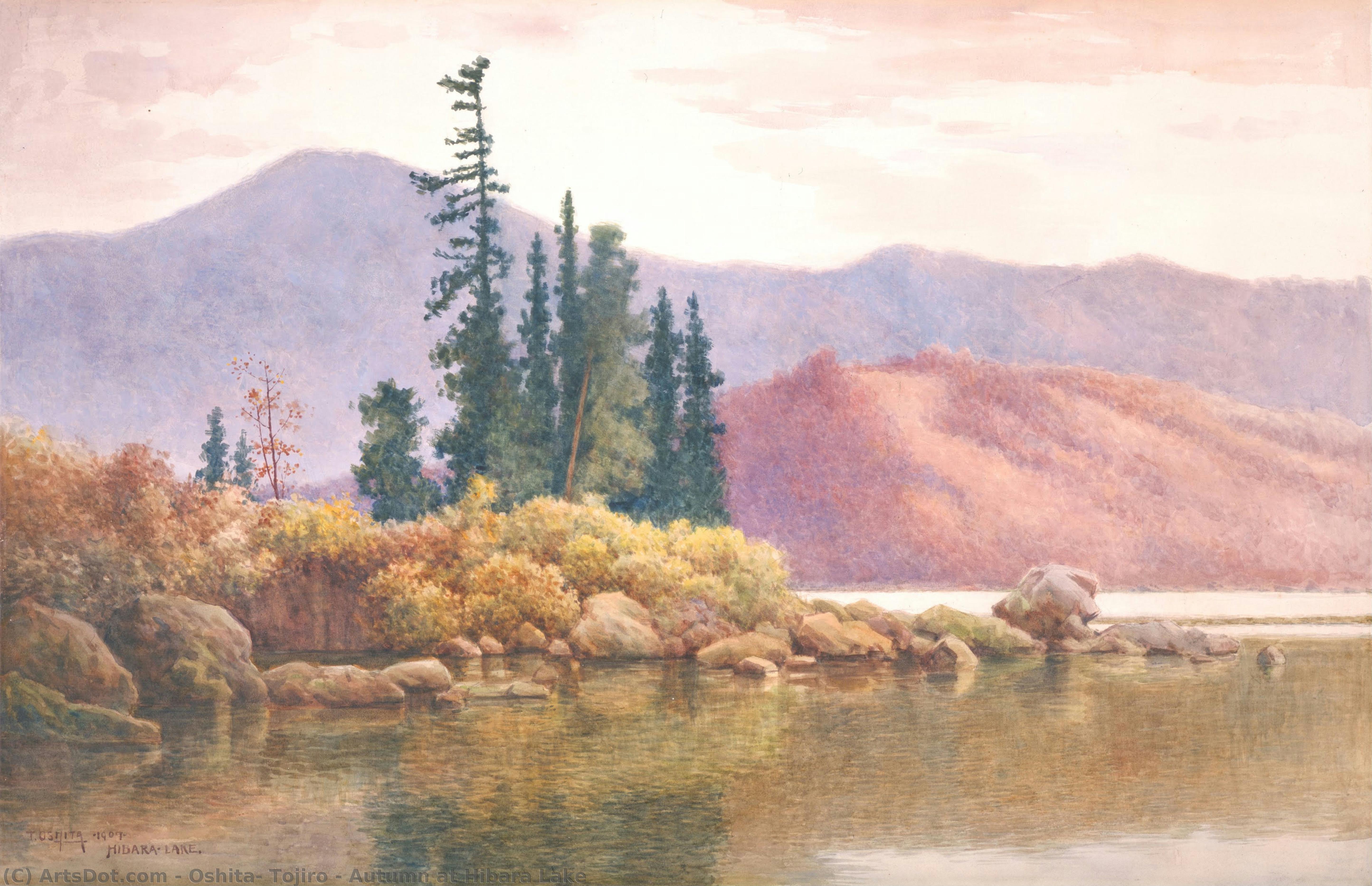
Autumn at Hibara Lake
 Impressionism
 97.0 x 61.0 cm
 Iwami Art Museum
 Читать далее
Приобретите цифровое изображение высокого разрешения в улучшенном качестве, которое значительно превосходит онлайн-превью.
Каждый файл тщательно подготавливается нашими специалистами с использованием передовых инструментов и экспертной ручной ретуши. Мы гарантируем исключительную четкость, точную цветопередачу и детальную проработку каждого изображения.
Финальный файл доставляется по электронной почте в течение 72 часов и оптимизирован для немедленного использования в профессиональной среде, при верстке и печати. Это тот же уровень качества, которому доверяют ведущие дизайнерские студии, издательства и галереи.
Цифровое изображение
Скачайте файл высокого разрешения для личного использования, печати и творческих проектов. ( Перейти к печати Купить картину ручной работы)
Включено в каждый заказ цифровых изображений
Гарантия экспертной цифровой доставки
Выбирая ArtsDot.com, вы получаете не просто изображение — вы приобретаете профессионально обработанное цифровое произведение искусства, созданное с безупречной точностью и под защитой гарантии качества. Вот всё, что автоматически входит в ваш заказ:

Мгновенная доставка по e-mail
Ваш цифровой файл в высоком разрешении будет отправлен вам по электронной почте в течение 72 часов после оформления заказа — и сразу станет доступен для использования.

Цифровой файл с ИИ-улучшением
Ваше произведение искусства проходит профессиональную оптимизацию с использованием передовых инструментов ИИ и ручной обработки, что гарантирует максимальную детализацию, четкость и точность цветопередачи.

Бессрочная бесплатная повторная доставка
Случайно удалили или потеряли файл? Не беспокойтесь — мы отправим его вам повторно в любое время и совершенно бесплатно.

Без импортных пошлин — навсегда
Наслаждайтесь вашим произведением искусства мгновенно без таможенных пошлин, сборов или затрат на доставку — цифровые загрузки всегда не облагаются налогом.

Гарантия точности цветопередачи
Мы гарантируем, что ваше цифровое изображение максимально точно передает оригинальные цвета благодаря использованию профессиональных инструментов и систем управления цветом.

Гарантия удовлетворенности 100 дней
Если вы не будете удовлетворены своим цифровым изображением, мы внесем правки или вернем 100% стоимости в течение 100 дней — без лишних вопросов.

100% Гарантия возврата средств
Не удовлетворены покупкой? Получите полный возврат средств в течение 100 дней после получения цифрового файла — без лишних вопросов.

Скидки на оптовые заказы
Купите 3 изображения, сэкономьте 10% — Купите 5, сэкономьте 15% — Купите 10+, сэкономьте 20%. Отличное решение для творческих проектов, галерей и агентств.
Похожие произведения


Биография художника
Introduction: A Life Painted in Layers
Joan Mitchell (1925–1992) stands as a pivotal figure within the abstract expressionist movement, yet her artistic journey was profoundly shaped by a deeply personal and often turbulent life. Born in Chicago to a family steeped in artistic appreciation – attending symphonies, visiting museums, and engaging with poetry – Mitchell’s early exposure fostered a lifelong love of creative pursuits. However, this idyllic beginning was shadowed by the mental illness of her mother, creating an atmosphere of instability that profoundly influenced her perspective and ultimately fueled her distinctive visual language. Her formative years were spent in France, a period crucial to her artistic development as she moved away from representational art and embraced abstraction, experimenting with color and form in response to the landscapes and experiences of this new environment. Returning to New York in 1949, Mitchell quickly became integrated into the vibrant “New School” scene, exhibiting at the influential “9th Street Show” in 1951 – a watershed moment that firmly established her as one of the leading young Abstract Expressionist painters of her generation. Her work wasn’t merely about depicting external reality; it was an intensely internal exploration of emotion, memory, and the raw energy of experience.Early Influences and Artistic Development
Mitchell's artistic trajectory reveals a fascinating interplay between personal trauma and formal experimentation. The instability within her family life instilled in her a sensitivity to emotional currents – a quality that would become central to her painting style. Her early studies at the School of the Art Institute of Chicago provided a foundational understanding of technique, but it was her time in France that truly unlocked her artistic potential. Away from the constraints of traditional academic training, she began to explore color as a primary means of expression, moving beyond representational imagery and delving into the expressive possibilities of pure form and hue. Mitchell’s palette became increasingly bold and chromatic, reflecting not just external landscapes but also the intensity of her inner world. She was particularly drawn to the work of Wassily Kandinsky, whose theories on color and emotion profoundly influenced her approach to abstraction. Furthermore, she found inspiration in poetry – particularly the works of T.S. Eliot and Ezra Pound – which informed her use of fragmented imagery and evocative symbolism. Her paintings are not simply visual compositions; they are layered narratives, imbued with a sense of longing, melancholy, and ultimately, resilience.The Language of Color and Landscape
Joan Mitchell’s most distinctive characteristic was undoubtedly her masterful manipulation of color. She didn't merely apply paint to canvas; she used it as a vehicle for conveying complex emotions and psychological states. Her landscapes—often inspired by the American Southwest, particularly New Mexico—were not literal depictions but rather distilled expressions of atmosphere, mood, and feeling. Mitchell’s approach was deeply intuitive, relying on direct observation and an immediate response to the visual world. She would often work rapidly, layering colors with a loose, gestural brushstroke, allowing the paint itself to dictate the composition. Her color choices were rarely arbitrary; each hue carried a specific weight of meaning, evoking associations of memory, emotion, and personal experience. Critics have noted that her use of red, for example, frequently signified passion or danger, while blues and greens conveyed feelings of solitude or introspection. Mitchell’s landscapes are not static scenes but dynamic expressions of the artist's inner life, projected onto the external world.Legacy and Historical Significance
Joan Mitchell’s contribution to abstract expressionism extends beyond her individual paintings; she fundamentally shifted our understanding of what art could be. She demonstrated that abstraction could be a powerful tool for exploring deeply personal themes – trauma, memory, and the human condition – without resorting to representational imagery. Her work paved the way for subsequent generations of female artists who sought to challenge traditional artistic conventions and express their unique perspectives. Mitchell’s influence can be seen in the work of countless contemporary painters, including Helen Frankenthaler, Lee Krasner, and many others. Her paintings continue to resonate with viewers today because they tap into universal human experiences – feelings of vulnerability, longing, and resilience—and invite us to engage with our own inner landscapes. She remains a vital voice within the history of art, reminding us that true artistic expression lies not in replicating reality but in revealing the complexities of the human spirit.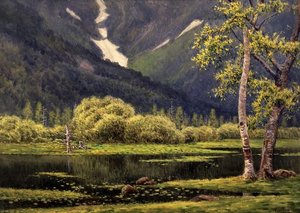
oshita, tojiro
1951 - , Japan
Основные сведения
- Artistic Movement Or Style: Abstract Expressionism
- Artists Or Movements Influenced By This Artist:
- Pollock
- De Kooning
- Artists Who Influenced This Artist:
- Picasso
- Klee
- Matisse
- Date Of Birth: February 12, 1925
- Full Name: Joan Mitchell
- Nationality: American
- Notable Artworks:
- Untitled (1950)
- Red and Yellow
- Blue Hill
- Black Tree
- Place Of Birth: Chicago, USA