 Предпросмотр
 Поделиться
 Поделиться
 Детали произведения

 Скачать
 Похожие работы
 Рентгенография
 Слайд-шоу
 Статистика
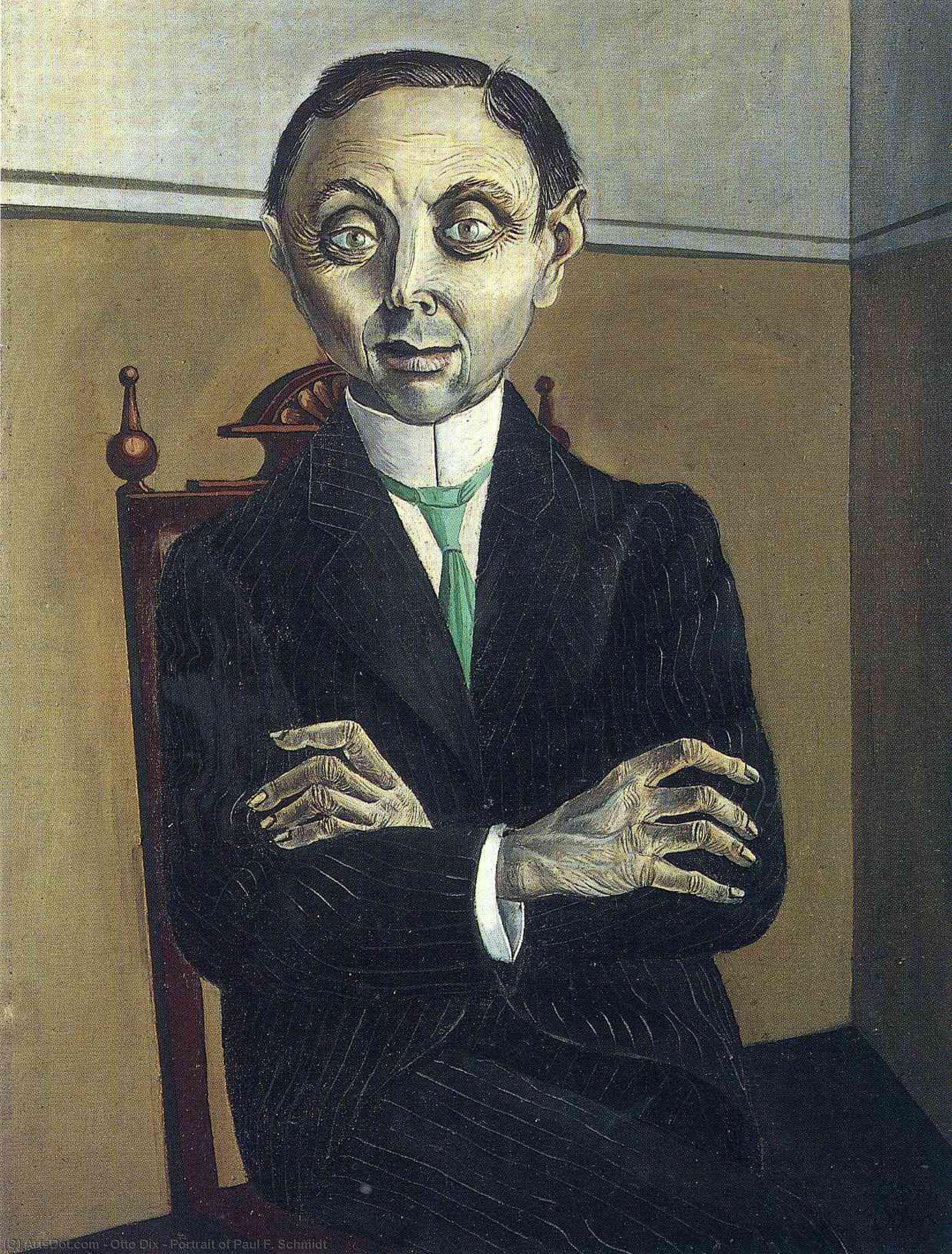
Portrait of Paul F. Schmidt
 Oil
Oil- WallArt
- Neue Sachlichkeit
 1921
1921- Modern
 63.0 x 82.0 cm
 Читать далее
Жикле / Арт-принт
Печать (жикле) или холст музейного качества с быстрыми сроками изготовления и широким выбором вариантов отделки. ( Купить картину ручной работы Перейти к цифровым изображениям)




P118B $10

P118H $10

P118W $10

P438Z $10

P508JH $12

P508YH $12

P805H $10

P805Z $10

P919BZ $10

P919G $10

P919XJ $10

P959ZH $10

P968JZ $12

W106C $8

W218G $10

W218JH $8

W218Y $10

W307PJ $10

W316G $10

W316PJ $8

W316Y $10

W398PJ $8

W4111J $10

W500HY $15

W500JH $15

W692G $12

W849H $8

W940BG $15

W953PJ $8




Выберите один из наших стандартных размеров, соответствующих оригинальным пропорциям произведения искусства.

Вы можете указать свои собственные размеры, чтобы репродукция идеально подошла под конкретную раму или пространство. Если выбранный вами размер не будет соответствовать пропорциям оригинала, мы либо обрежем произведение, либо дополним изображение зеркальным отражением краев или однотонной заливкой. Перед началом производства вам будет отправлен цифровой макет для утверждения.
Пожалуйста, обратите внимание, что предварительный просмотр на экране не отображает фактическую обрезку или расширение изображения. Только макет точно покажет финальную композицию.
Несмотря на возможность заказа индивидуальных размеров, мы рекомендуем выбирать размер из предопределенного списка, чтобы сохранить оригинальные пропорции.
Доставка по всему миру () за 2 недели вместо стандартных 4/5 недель. (12 Сентябрь)

Бесплатная экспресс-доставка по всему миру

Высококачественный льняной холст

Полное страхование доставки

Гарантия возмещения таможенных пошлин

Гарантия точного соответствия цветов

100-дневная политика возврата (только при обнаружении дефектов)

Гарантия возврата 100% средств

Предложение оптовых скидок
 Вариант со стеклом доступен только для размеров менее 110 см

Portrait of Paul F. Schmidt
Жикле / Арт-принт
Размер репродукции
-


Итоговая стоимость
$ 62
A Moment Frozen in Contemplation
In the quiet depths of Otto Dix’s 1921 masterpiece, Portrait of Paul F. Schmidt, we are invited into a space of profound stillness and psychological weight. The painting presents a man seated with a gravity that seems to anchor the entire composition. Dressed in a formal suit accented by a striking green tie, Schmidt is captured not in a moment of action, but in one of deep, perhaps even somber, introspection. His gaze is cast downward, averted from the viewer, suggesting a mind turned inward, grappling with thoughts that remain hidden from the external world. This downward tilt of the head and the heavy, contemplative expression create an immediate emotional resonance, pulling the observer into the subject's private sphere of reflection.
The setting itself serves as a silent witness to this internal monologue. The arrangement of the room—with chairs positioned behind the subject and a clock suspended on the wall—adds a layer of domestic stillness that borders on the cinematic. There is a palpable sense of time passing, or perhaps time standing still, emphasized by the presence of the clock, which acts as a subtle memento mori, reminding us of the fleeting nature of human existence. The vintage atmosphere of the piece, rendered with an old-fashioned elegance, transports the viewer to the early twentieth century, evoking a sense of nostalgia for a bygone era of formal dignity and quietude.
The Mastery of Neue Sachlichkeit
As a pivotal figure of the Neue Sachlichkeit, or New Objectivity, movement, Otto Dix brings a level of stark, unflinching realism to this portrait that is both captivating and unsettling. Unlike the more fluid movements of previous decades, Dix’s technique here focuses on a precise, almost clinical rendering of form and texture. Every fold in the subject's clothing and every subtle shadow cast by the ambient light is treated with meticulous care. This precision does not merely serve to replicate reality; it serves to heighten the psychological tension within the frame. By stripping away unnecessary ornamentation, Dix forces us to confront the raw, unadorned essence of his subject.
For the discerning collector or interior designer, this painting offers a sophisticated interplay of color and light. The muted palette, punctuated by the singular, verdant note of the green tie, creates a balanced composition that is both visually stimulating and harmoniously calm. The way the light falls across the man's face, highlighting the contours of his features while leaving parts of the background in soft shadow, provides a depth that makes the canvas feel three-dimensional. This mastery of light and shadow ensures that the artwork remains a commanding focal point in any curated space, offering a sense of historical weight and intellectual depth.
An Enduring Legacy for Modern Interiors
Integrating a high-quality reproduction of this work into a contemporary or classic interior allows for a profound dialogue between history and modern aesthetics. The Portrait of Paul F. Schmidt is more than just a depiction of a man; it is an exploration of the human condition, captured through the lens of one of Germany's most significant twentieth-century artists. Its ability to evoke emotion—ranging from melancholy to quiet respect—makes it an ideal choice for those looking to add character and soul to a room.
Whether placed in a study, a library, or a formal living area, the painting serves as a conversation piece that invites lingering observation. It provides a sense of permanence and stability, grounding a modern space with its historical gravity. For lovers of fine art, owning a reproduction of this caliber is an opportunity to possess a fragment of the Weimar Republic's complex artistic soul, bringing the haunting beauty of Otto Dix’s vision into the intimacy of the home.
Похожие произведения

Биография художника
Early Life and the Shadow of War
Wilhelm Heinrich Otto Dix, born in 1891 in Untermhaus, a small village near Gera in Thuringia, emerged from a world defined by industrial labor and a quiet yearning for artistic expression. His father, Franz Dix, was an iron foundry worker, grounding him in the realities of manual labor, while his mother, Louise, possessed a poetic spirit, creating a domestic environment that subtly nurtured young Otto’s creative inclinations. Crucially, it was the influence of his cousin, Fritz Amann – a painter residing nearby – that truly ignited Dix's ambition. Hours spent in Amann’s studio weren’t merely lessons in technique; they were an immersion into a world where artistic creation held tangible power and significance. This early exposure fostered a deep appreciation for visual storytelling and the potential of art to convey complex emotions and ideas. Initially, Dix’s artistic pursuits centered on landscapes, reflecting the rural beauty of his childhood home, but these works already hinted at a nascent ability to capture light and atmosphere with remarkable precision. The outbreak of World War I dramatically altered the course of Dix's life. Driven by a youthful idealism and a desire to serve his country, he volunteered for military service in 1914. This decision would irrevocably shape his artistic trajectory, exposing him to the brutal realities of trench warfare – a trauma that would haunt his work for decades to come. He participated in some of the most devastating battles of the war, including the horrific Somme and Flanders campaigns, witnessing firsthand the senseless slaughter, the physical devastation, and the profound psychological scars inflicted upon soldiers. The horrors he experienced fundamentally transformed him from a promising landscape painter into a chronicler of human suffering and societal decay—a voice for the silenced victims of conflict.The Weimar Republic and Neue Sachlichkeit
Returning to Germany after the war, Dix found himself immersed in the turbulent atmosphere of the Weimar Republic – a period marked by political instability, economic hardship, and social unrest. This era profoundly influenced his artistic vision, leading him away from the romanticism of Expressionism towards a new aesthetic known as *Neue Sachlichkeit* (New Objectivity). Rejecting emotional abstraction and subjective interpretation, *Neue Sachlichkeit* prioritized stark realism, unflinching honesty, and critical social commentary. Dix became one of its most prominent figures alongside artists like George Grosz and Max Beckmann, each employing their distinct styles to expose the corruption, decadence, and moral bankruptcy of post-war Germany. Dix’s early works from this period are characterized by a remarkable blend of technical skill and unsettling imagery. Paintings such as *The Trench* (1923) – a brutally realistic depiction of dismembered bodies – caused public outrage and forced museums to hide the work from view, demonstrating the power of art to challenge societal norms and confront uncomfortable truths. However, this wasn’t merely shock value; it was a deliberate attempt to expose the horrors of war and the indifference of society towards its victims. Dix didn't shy away from depicting the physical and psychological wounds inflicted upon soldiers, nor did he ignore the social consequences of conflict—the marginalization and forgotten status of veterans. He also turned his attention to the excesses and moral failings of Weimar society, creating satirical portraits of politicians, industrialists, and celebrities that exposed their hypocrisy and greed.Influences and Artistic Style
Dix’s artistic style was shaped by a diverse range of influences. Initially drawn to the expressive qualities of Expressionism, he quickly recognized its limitations in conveying the stark realities of his time. He found inspiration in the works of Northern Renaissance masters like Lucas Cranach and Hans Baldung Grien, particularly their mastery of anatomy, composition, and chiaroscuro—the dramatic use of light and shadow. He also studied the techniques of Albrecht Dürer, admiring his meticulous detail and precise draftsmanship. Furthermore, he was deeply influenced by the ideas of Friedrich Nietzsche, whose philosophy encouraged a rejection of bourgeois morality and an embrace of intense experience – a sentiment that resonated powerfully with Dix’s own disillusionment with society. Dix's distinctive style is characterized by its sharp realism, often bordering on caricature; his figures are rendered with meticulous detail, yet imbued with a sense of unease and alienation. He frequently employed photomontage and collage techniques to create layered compositions that combined realistic imagery with symbolic elements. His use of color was deliberately muted and restrained, reflecting the bleakness of his subject matter. Dix’s work is not simply a representation of reality; it's an interpretation—a powerful statement about the human condition in a time of profound crisis.Later Years and Legacy
As the Nazi regime gained power in the 1930s, Dix’s art became increasingly controversial. His unflinching depictions of social injustice and his refusal to conform to Nazi ideology led to censorship and persecution. He was dismissed from his teaching position at the Dresden Academy of Fine Arts in 1933 and forced to flee Germany. During World War II, he served in the German army, an experience that further deepened his anti-war sentiments. After the war, Dix experienced a resurgence of recognition and acclaim, though the trauma of both conflicts continued to inform his work. He shifted away from overtly political themes, focusing instead on landscapes and religious subjects—a strategic move for self-preservation while retaining a subtle undercurrent of melancholy and critique. Otto Dix’s legacy as one of Germany's most important 20th-century artists is undeniable. His unflinching realism, biting social commentary, and profound exploration of human suffering continue to resonate with audiences today. He remains a pivotal figure in understanding the artistic and social landscape of Weimar Germany—a period defined by both unprecedented innovation and devastating conflict. Dix’s art serves as a stark reminder of the horrors of war, the fragility of human existence, and the enduring power of art to challenge injustice and provoke reflection. His work is exhibited in major museums worldwide, ensuring that his powerful vision continues to be seen and appreciated for generations to come.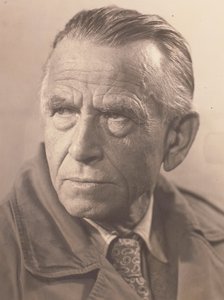
Отто Диккс
1891 - 1969 , Германия
Основные сведения
- Artistic Movement Or Style: Новая объективность
- Artists Or Movements Influenced By This Artist: ['Грозь Георг']
- Date Of Birth: 2 декабря 1891 г.
- Date Of Death: 25 июля 1969 г.
- Full Name: Wilhelm Heinrich Otto Dix
- Nationality: Немецкий
- Notable Artworks:
- Тrench
- Metropolis
- Военные инвалиды
- Place Of Birth: Унтерхаузен, Германия
Похожие статьи
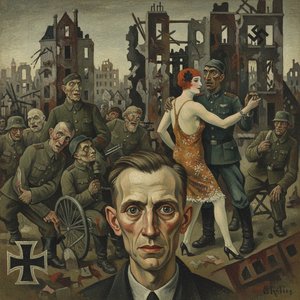
Otto Dix: Trauma, Society & Artistic Rebellion in Weimar Germany
Explore the powerful and unsettling art of Otto Dix, a key figure of Neue Sachlichkeit. Discover his unflinching depictions of Weimar Germany's trauma, society, and war through insightful analysis & iconic masterpieces.
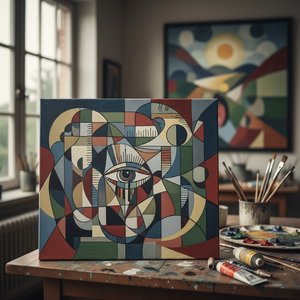
Paul Klee: A Poetics of Form and Color – Exploring the Inner Landscape of a Modern Master
Explore the captivating world of Paul Klee! Discover his innovative art, Bauhaus influence, & unique symbolic language. Expert analysis & high-quality reproductions at ArtsDot.

25 Шедевров Поля Сезанна: Открывая Новую Эру в Искусстве | ArtsDot
Откройте для себя 25 величайших шедевров Поля Сезанна! Узнайте истории создания картин импрессионизма и постимпрессионизма, технику художника и вдохновение для вашего интерьера. Репродукции картин Сезанна высокого качества на ArtsDot.com.
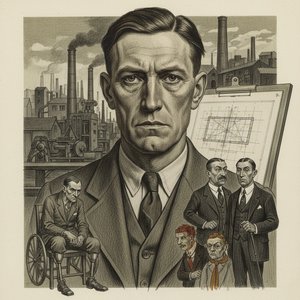
Neue Sachlichkeit: Objectivity, Realism & Social Commentary in Interwar German Art
Explore Neue Sachlichkeit – the pivotal German art movement critiquing Weimar society with unflinching realism. Discover key artists like Dix & Grosz, its historical context, and collecting insights for discerning investors.
Пауль Клее: Топ-25 шедевров гения цвета и формы | ArtsDot
Погрузитесь в мир Пауля Клее! Топ-25 шедевров экспрессионизма и абстрактного искусства. Узнайте истории создания знаменитых картин, технику художника и вдохновитесь для интерьера. Репродукции музейного качества на ArtsDot.com.